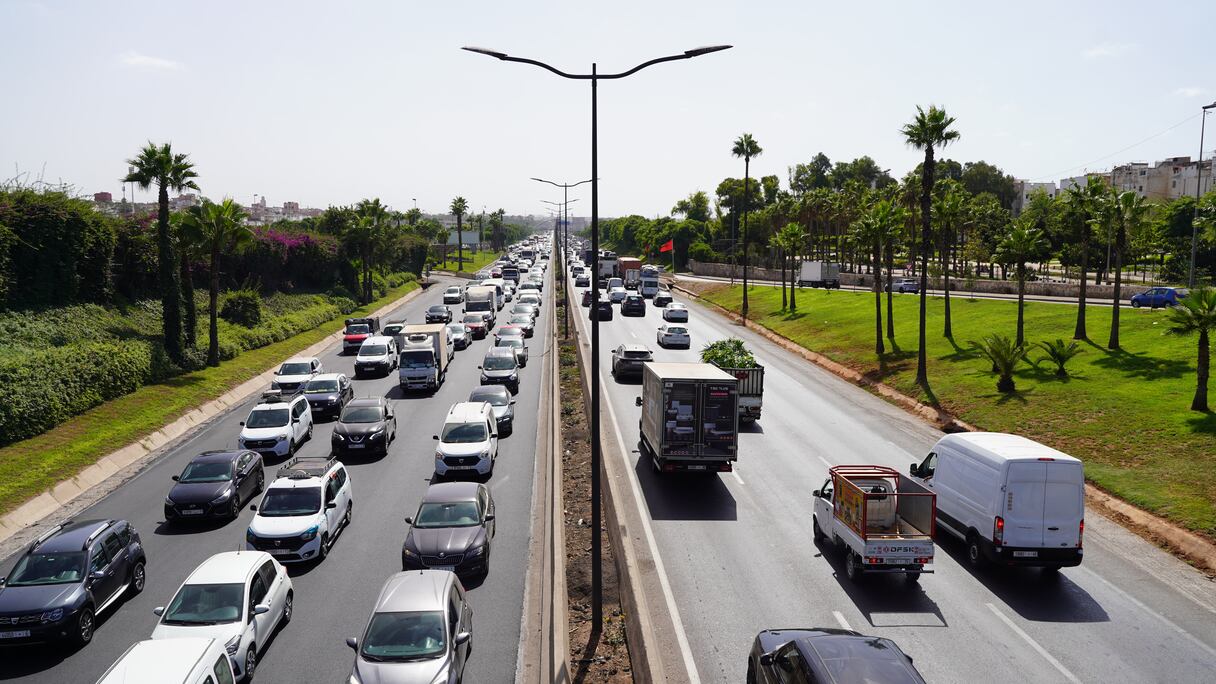
Faced with this situation and amid rapid population growth, urban expansion, and a rising number of vehicles, the authorities have launched a series of major road projects in recent years as part of a program aimed at improving urban mobility, reducing travel times, and easing traffic flow across the city and its outskirts. But have these projects achieved their intended goal?
مفترق عين حرودة
Tunnels and bridges target the city’s worst bottlenecks
Casablanca’s officials opted to invest in underpasses and bridges, viewing them as some of the most effective solutions for intersections with heavy traffic.
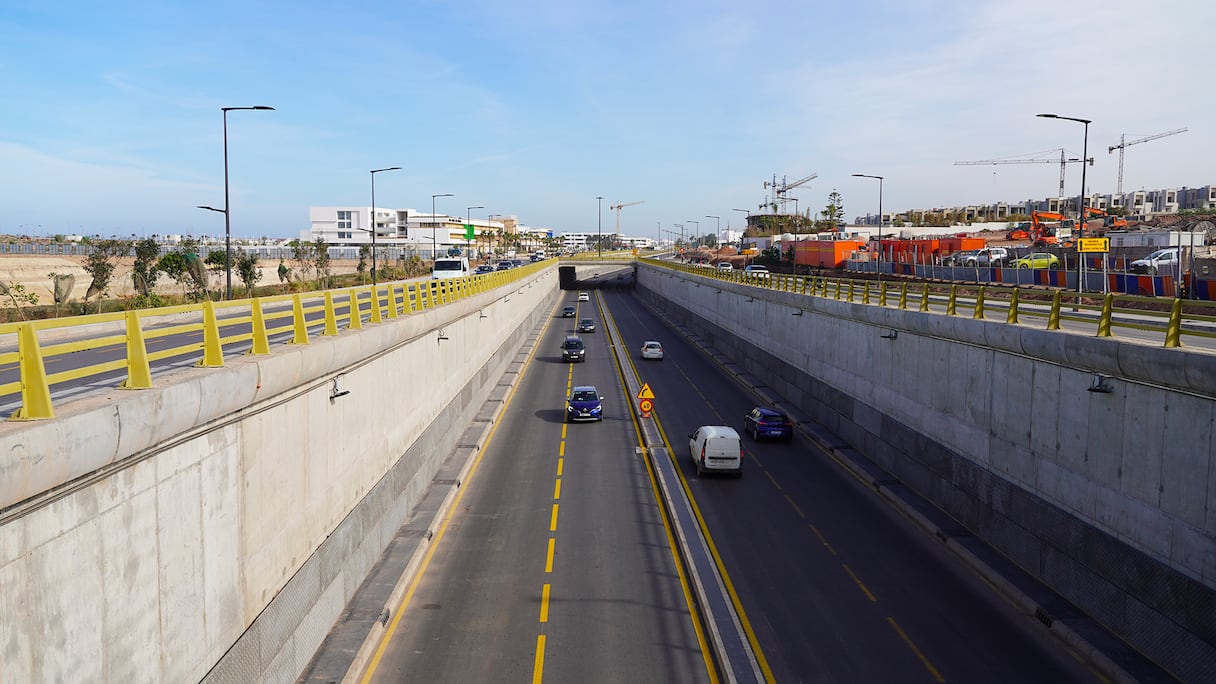
Among the flagship projects are four underpasses along Regional Road 320, which serves Rahma, Dar Bouazza and Nouaceur.
The first, measuring 100 meters, is located at the intersection of Azemmour Road and the Southwestern Ring Road. The second, stretching 400 meters, sits at the junction of Regional Road 320 and Road 144. The third underpass, also 400 meters long, connects Regional Road 320 with Road 151, while the fourth, measuring 1,000 meters, is located at the intersection with Provincial Road 3003.
Read also : Agriculture drives Morocco’s economic growth to 5.4% in third quarter of 2026
Supervised by the Casablanca prefecture and Nouaceur province at a cost of 550 million dirhams, the project also included widening the road from two lanes to three, helping drivers cut travel times despite persistent congestion during peak hours.
In the same area, another project was launched to create a major road link between Dar Bouazza and Azemmour Road through a series of underpasses stretching nearly 4.5 kilometers and costing 108 million dirhams.
The new route runs from Azemmour Road through Sidi El Khadir and Diour Ennasrani before reaching the ring road and continuing to the end of Dar Bouazza, near the Saâda district. According to project officials, it has played a key role in alleviating severe traffic congestion, particularly for commuters traveling between Anfa, Hay Hassani and Nouaceur province.
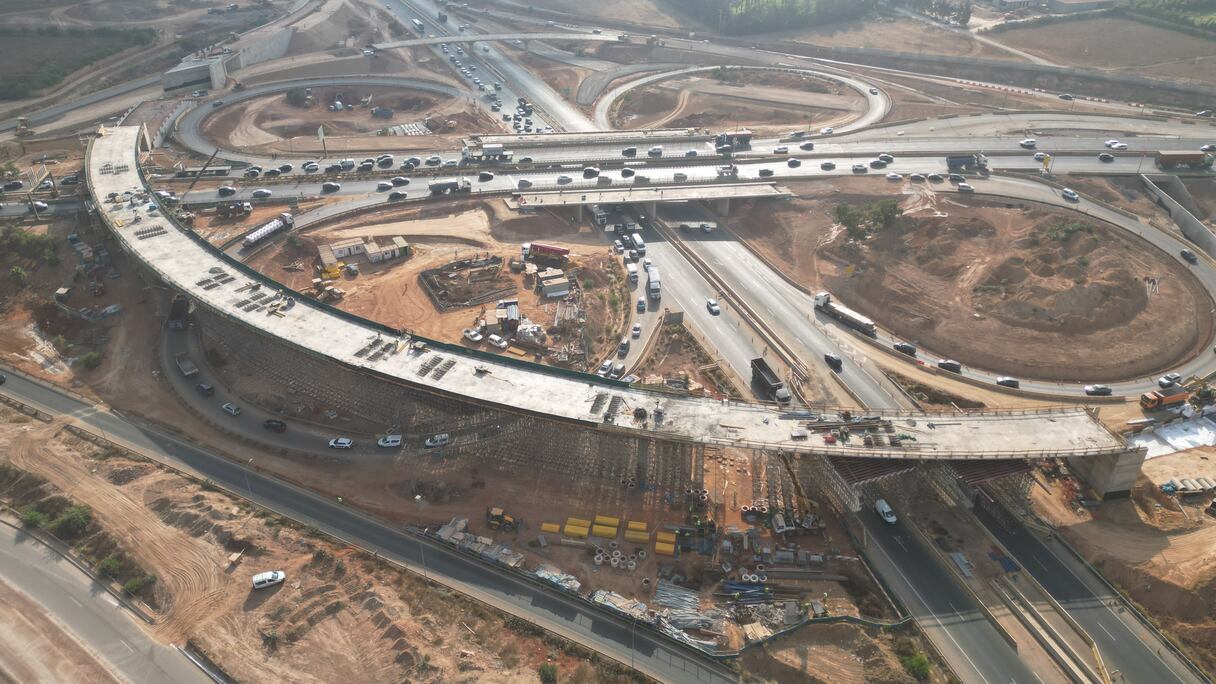
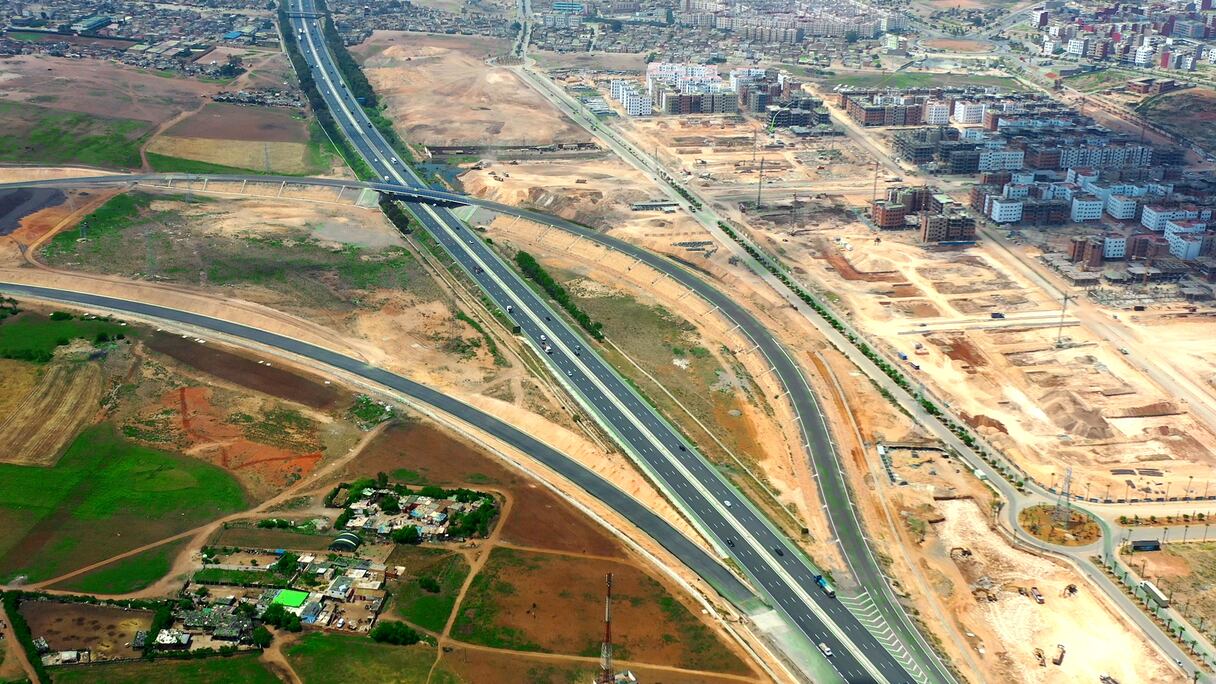
Another major undertaking targeted one of Casablanca’s busiest and most complex traffic hubs: the Sidi Maârouf interchange, Morocco’s first three-level road junction.
Read also : Fuel prices rise in Morocco as diesel and gasoline increases take effect
This large-scale project, carried out in partnership with the Ministries of Equipment and Water, Economy and Finance, the Interior Ministry, the national motorway company Autoroutes du Maroc (ADM), and the Casablanca-Settat region, involved an investment of nearly 500 million dirhams. It has eased pressure on one of Casablanca’s most strategic corridors, which handles more than 120,000 vehicles daily, while improving links between the city’s northern and southern districts.
The project included the construction of eight engineering structures—bridges and overpasses—alongside the expansion of the Casablanca ring motorway and the Casablanca-Berrechid motorway to five lanes in each direction. New access roads were also created to strengthen connections between Mohammedia and Casablanca, Casablanca and El Jadida, Berrechid and Mohammedia, and El Jadida and Berrechid.
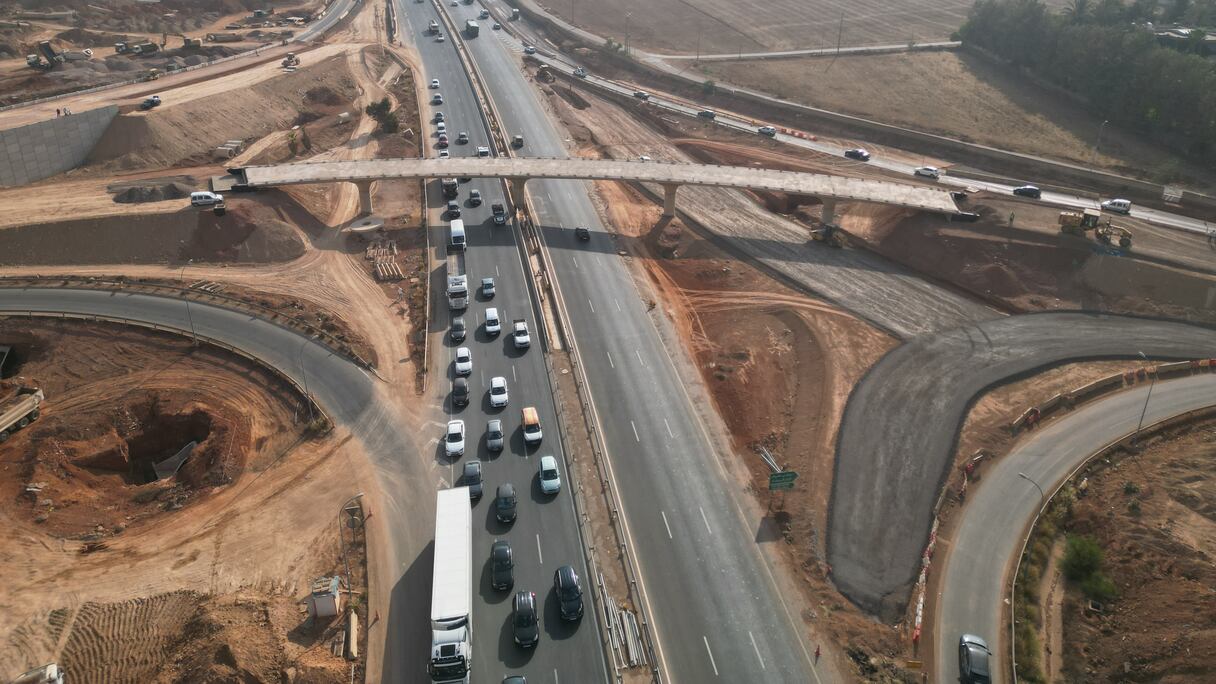
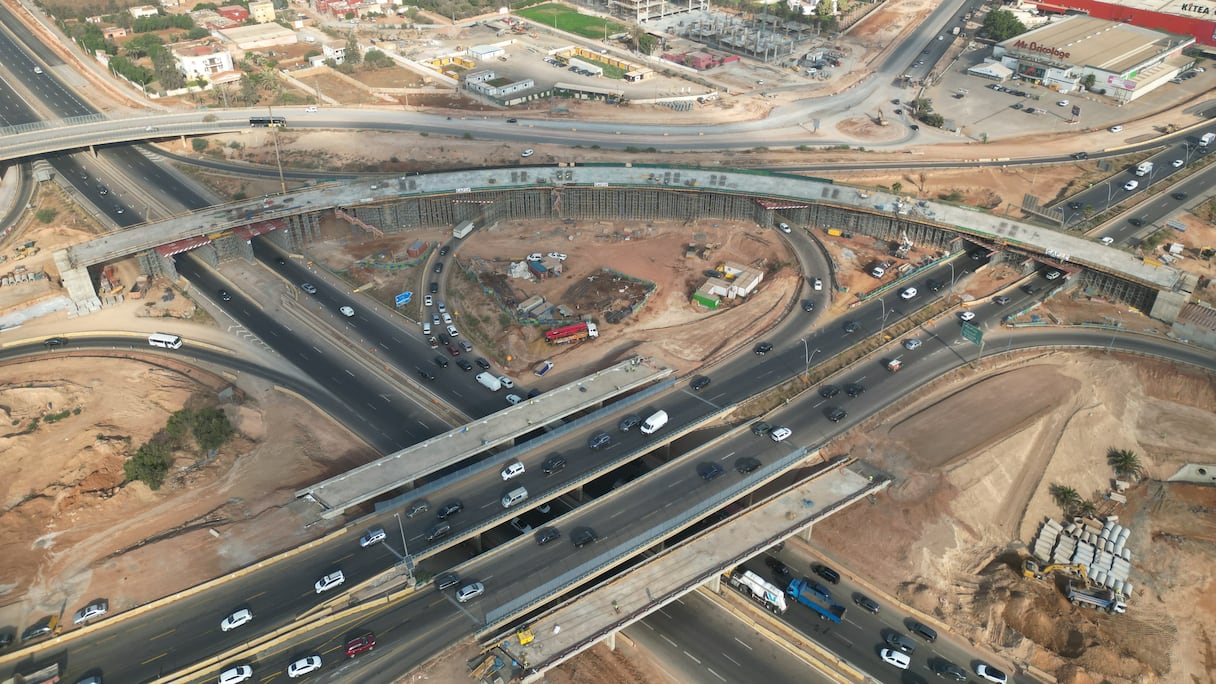
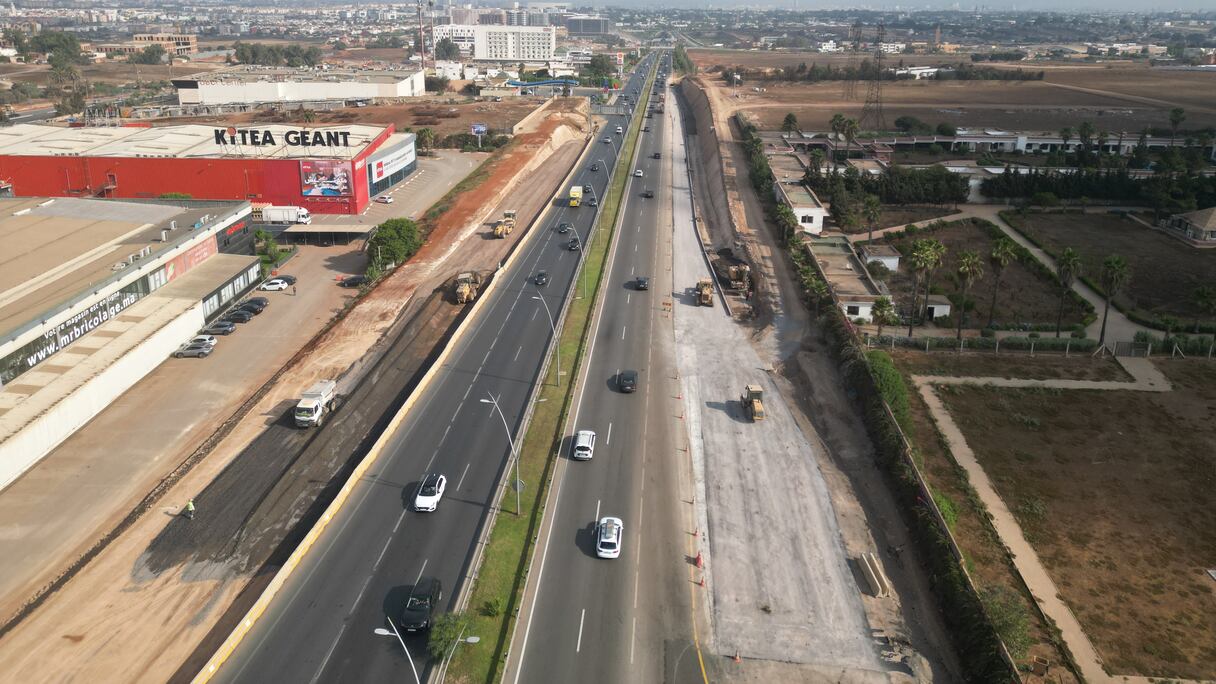
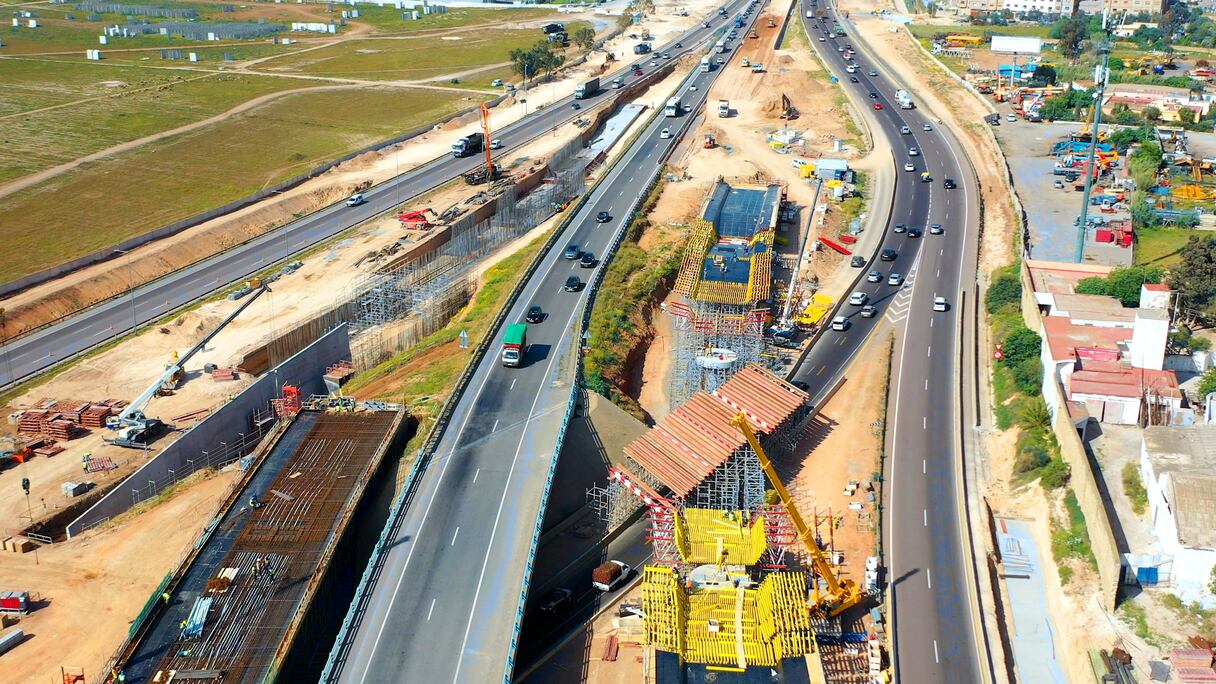
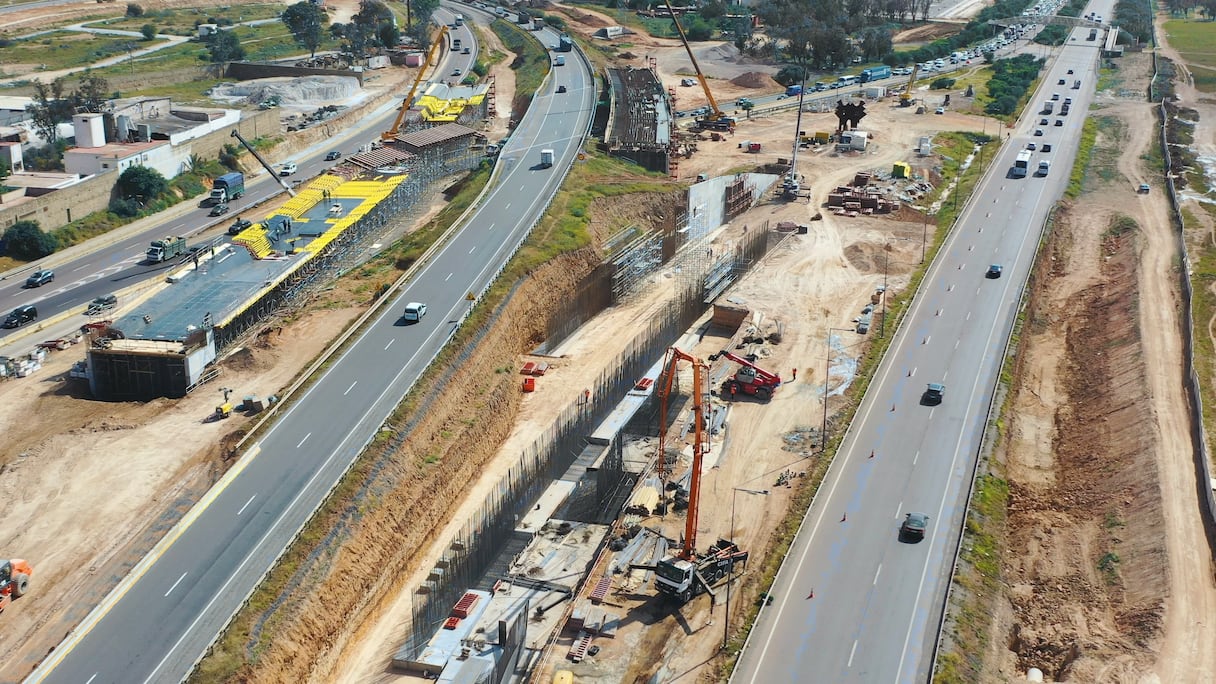
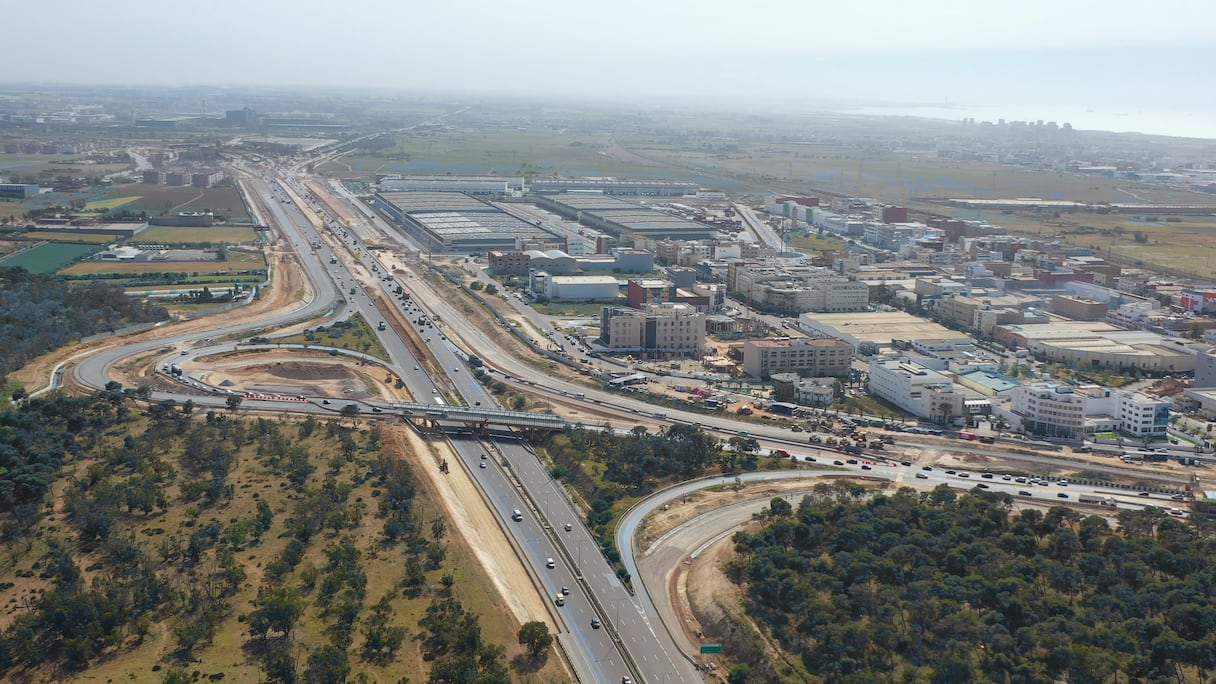
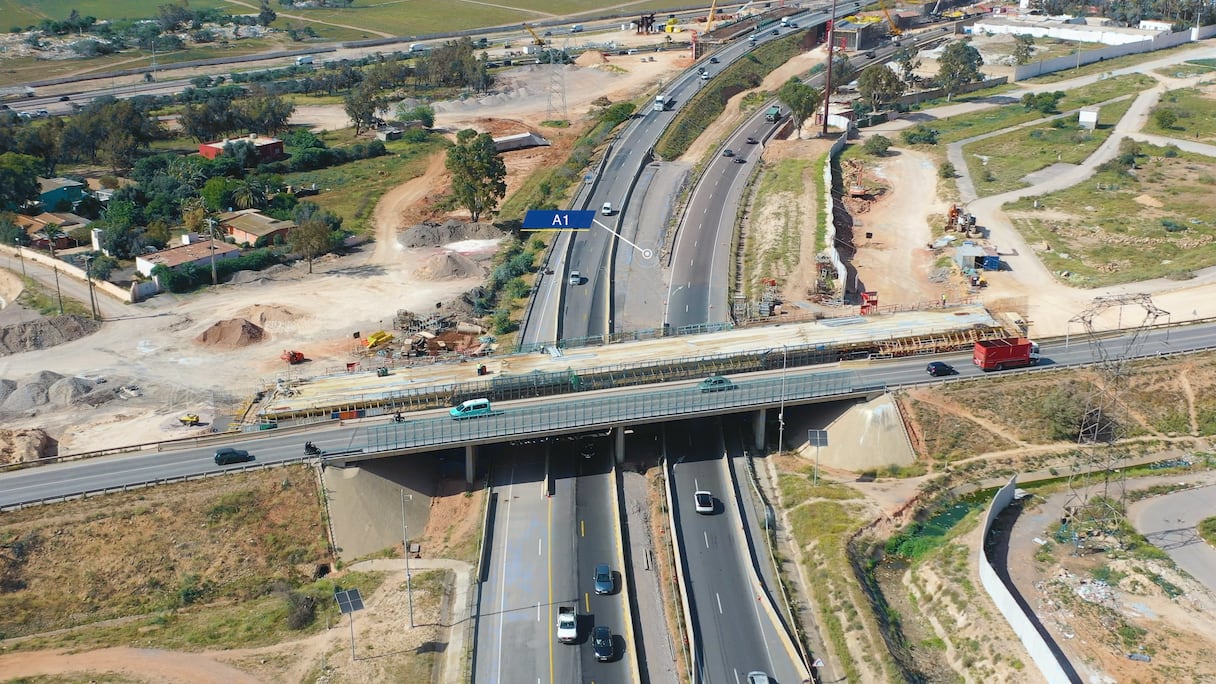
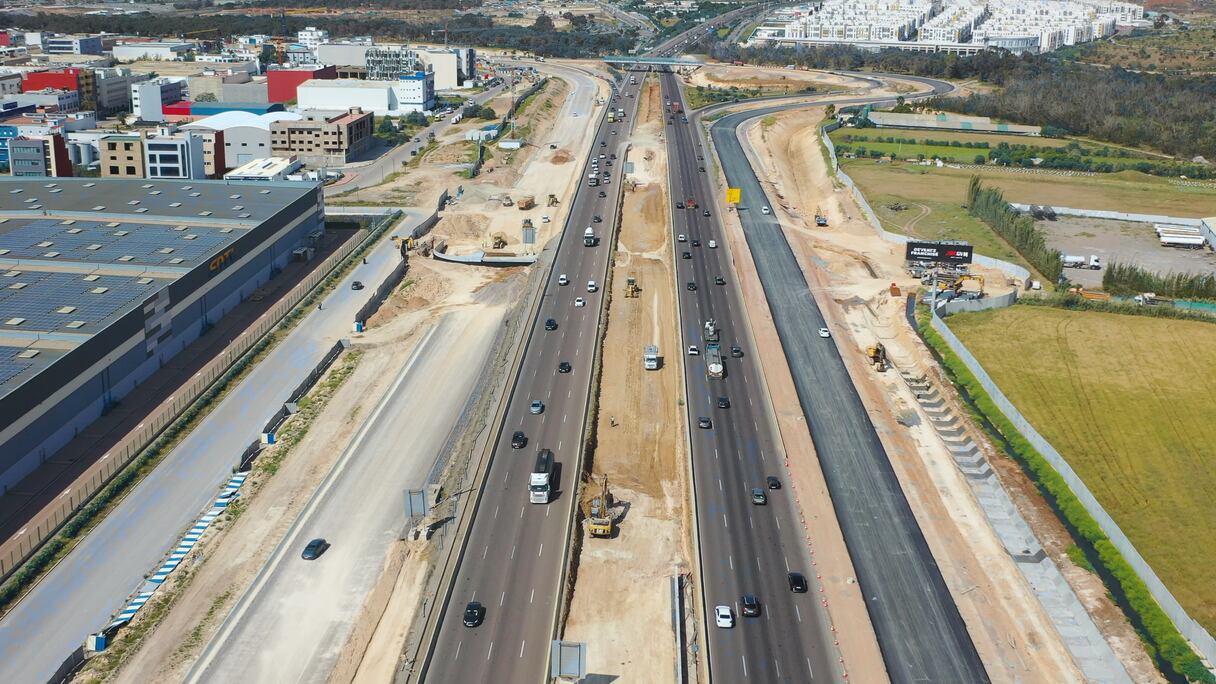
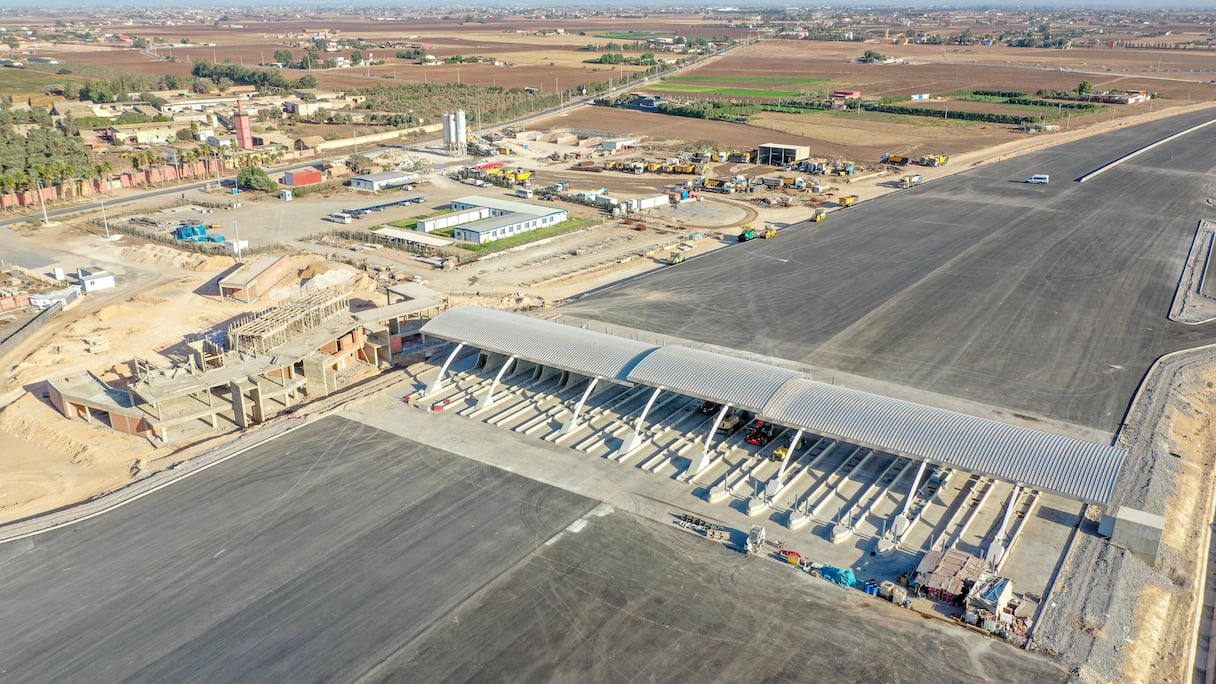
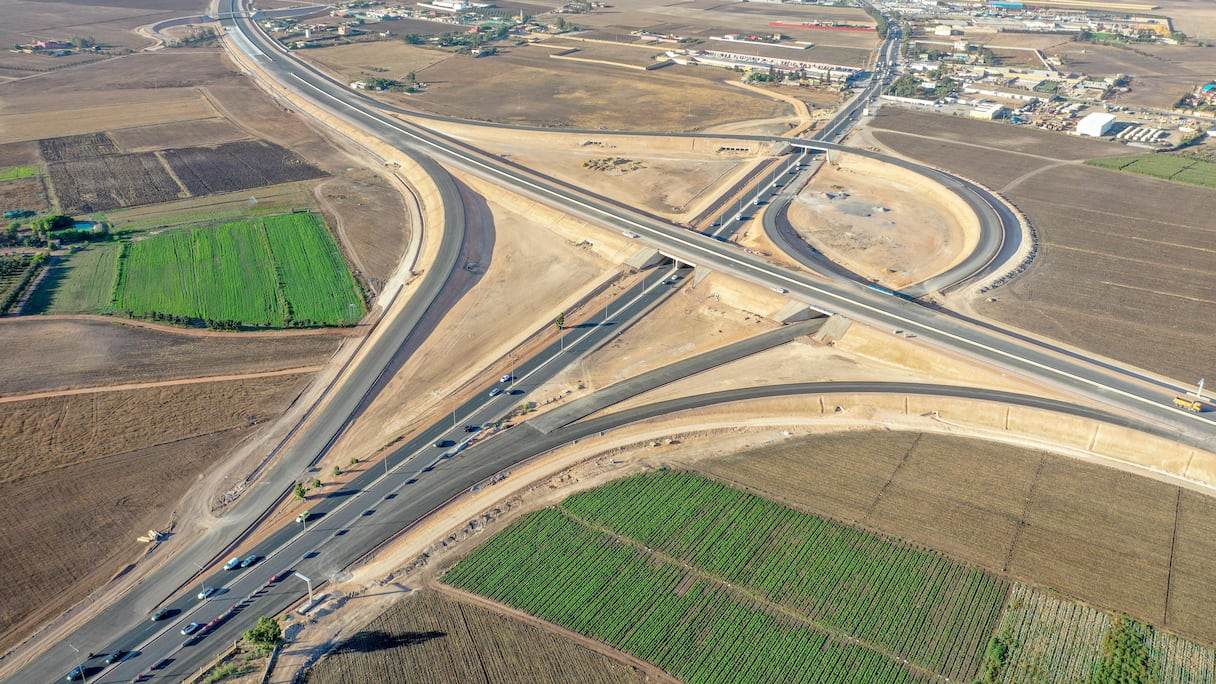
After upgrading the city’s southern gateway, Autoroutes du Maroc turned its attention to the northern entrance, redesigning the Ain Harrouda interchange at a cost of around 750 million dirhams.
The project included the construction of 11 engineering structures—three underpasses and eight overpasses—as well as new roads featuring up to eight lanes in each direction. It also involved the construction of an elevated junction above Mohammedia’s industrial zone and a new connection between the urban motorway and Casablanca’s ring road, enabling travelers coming from Casablanca to head south more smoothly.
Read also : Morocco remains Spain’s top non-EU fruit and vegetable supplier as imports continue to rise
This section of motorway, linking the western Mohammedia interchange to Ain Harrouda, is considered a vital national transport corridor, connecting northern and southern Morocco and providing access to Casablanca and Mohammedia’s industrial zone.
Morocco’s first next-generation motorway
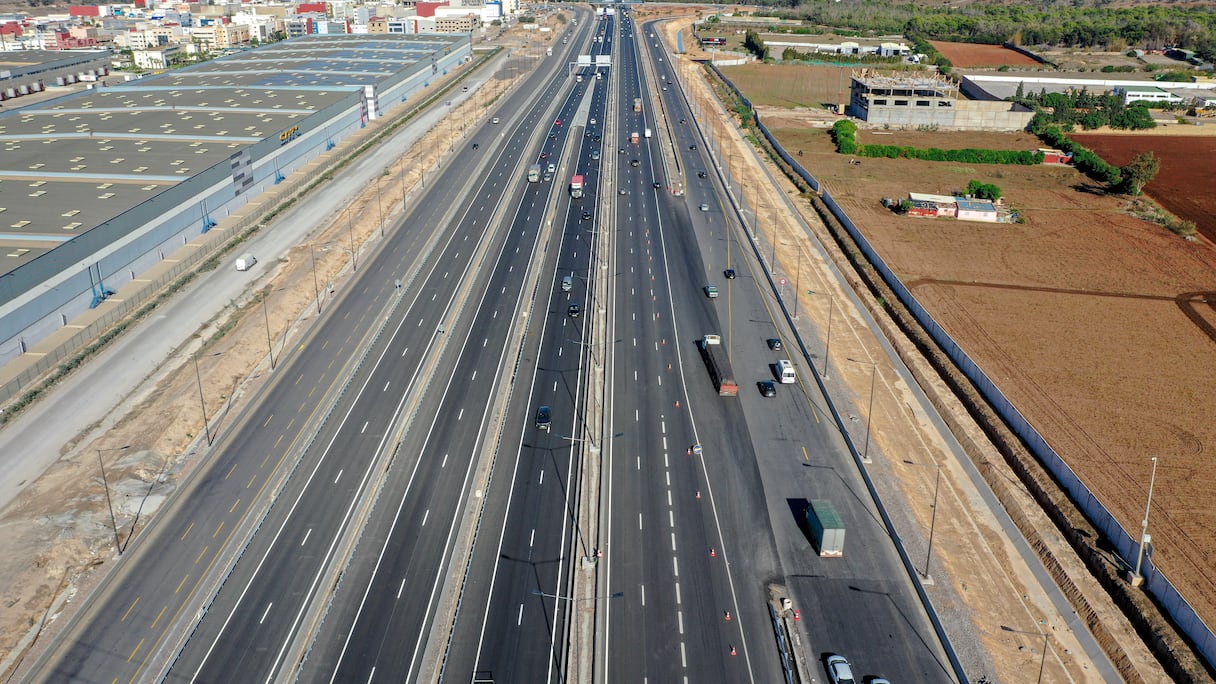
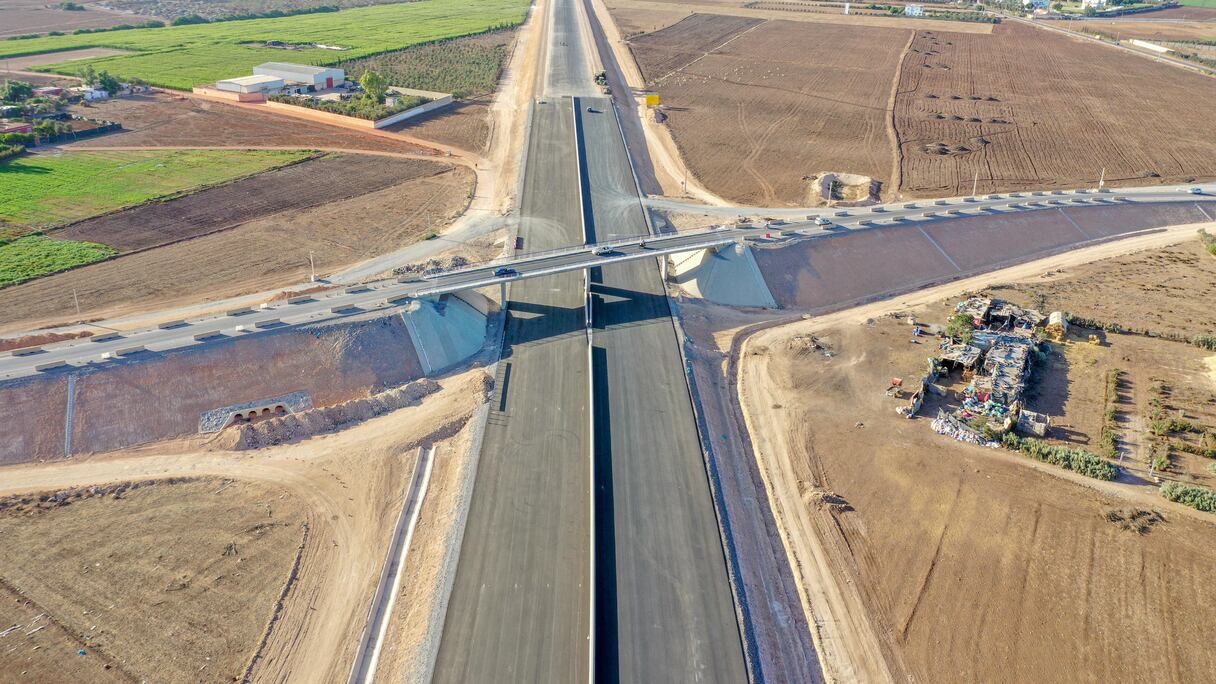
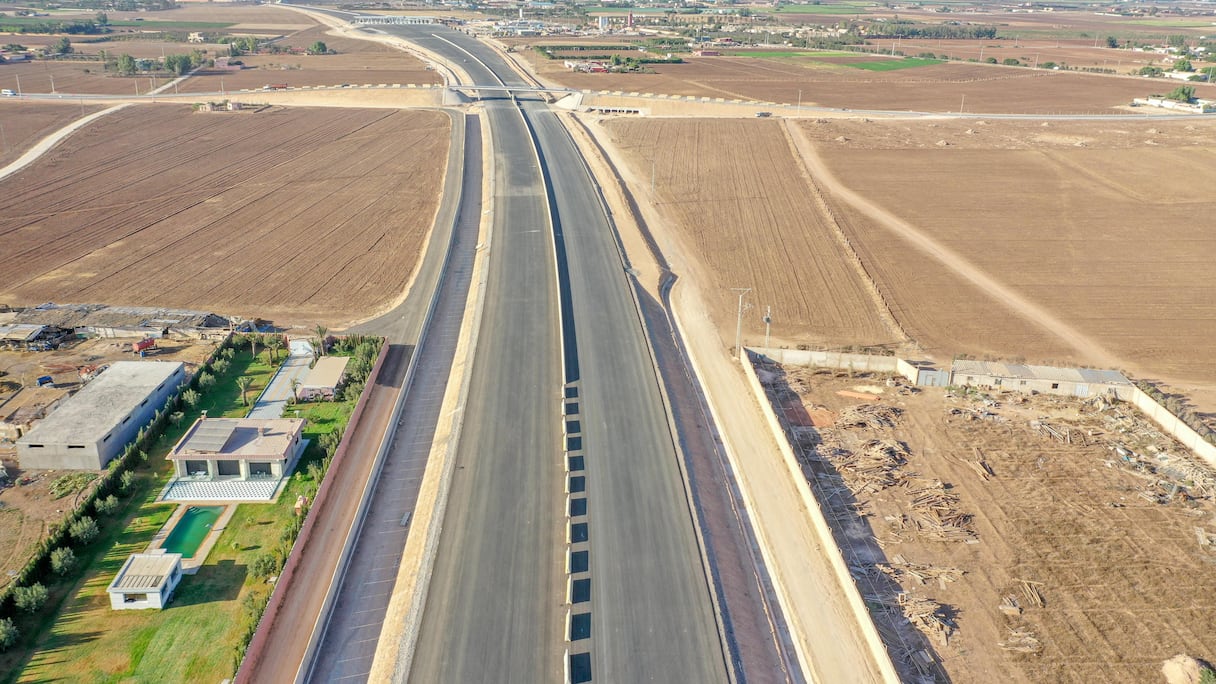
In the same vein, Autoroutes du Maroc launched one of its largest projects in the region, with an investment of 2.5 billion dirhams: the Tit Mellil-Berrechid motorway, stretching over 30 kilometers.
The country’s first next-generation motorway was designed from the outset with three lanes in each direction, creating a direct connection between Berrechid and Casablanca via Mediouna. The project aims to spare motorists traveling from eastern and northern Morocco to the south and center of the country from having to cross Casablanca itself, thereby reducing congestion and shortening travel distances and times.
Have the projects delivered?
Many drivers have indeed noticed improvements in traffic flow in the areas concerned, and commuting times have been reduced, especially for those who travel the same routes daily for work or study.
However, despite the scale and significance of these infrastructure projects, observers believe that solving Casablanca’s traffic problems will require additional measures, including widening several major roads and building underground parking facilities at the city’s entrances and in its center.
