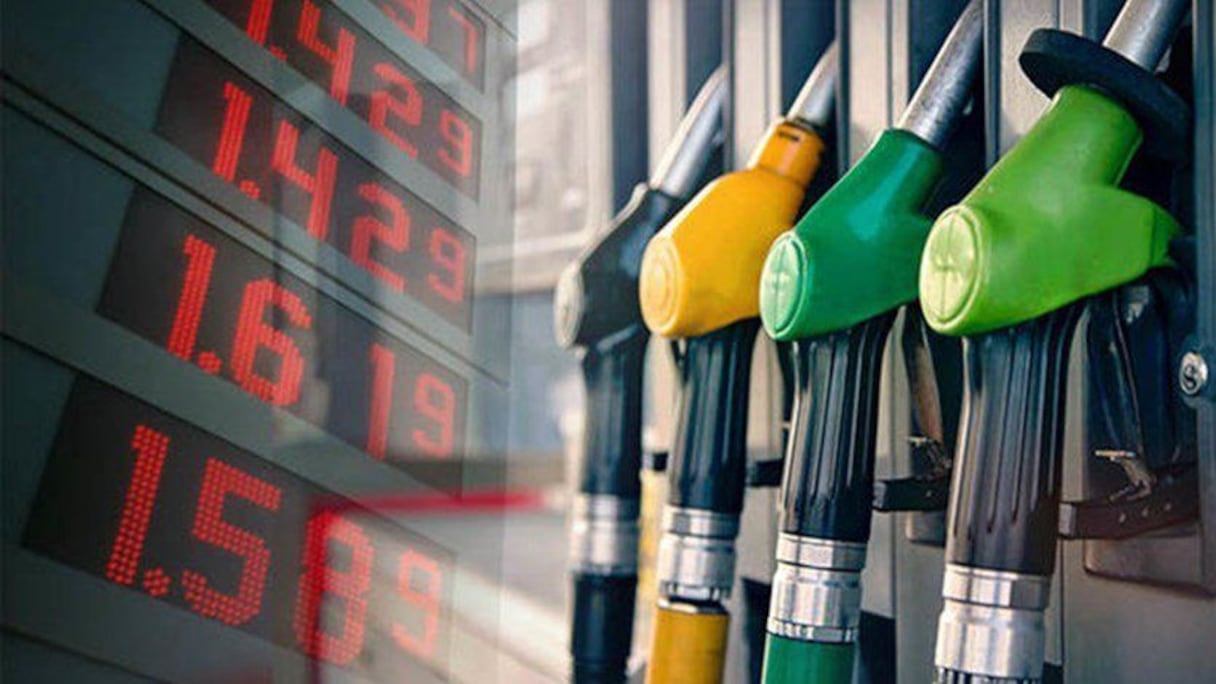
According to the National Federation of Fuel Station Owners, Traders and Managers in Morocco, the price of diesel increased by 70 centimes per liter, bringing the minimum retail price to MAD 13.20 per liter. Gasoline rose by 38 centimes to MAD 14.20 per liter, based on the updated prices adopted by one of the Kingdom’s largest fuel distribution companies.
In a phone interview with Le360, Aziz, a technician responsible for maintaining fuel stations in Fez, said the new prices took effect in the early hours of Thursday, July 16. He explained that all stations had received notifications from distribution companies specifying the updated prices to be applied.
He added that price updates are carried out electronically through the pumps’ control systems, allowing selling prices on fuel dispensers and digital display boards to be adjusted simultaneously. The new prices become effective immediately once the update is completed. He noted that station operators have no role in determining either the amount of the increase or the timing of its implementation, as they simply apply the prices set by fuel distributors.
The industry professional also said that the practice of reviewing fuel prices twice a month means that distribution companies generally announce price increases at roughly the same time, resulting in immediate changes at fuel stations. By contrast, he noted that some companies are slower to reduce prices when international oil prices decline, with such reductions sometimes taking longer to reach consumers than price increases.
According to the same source, the latest increase comes amid continued volatility in global oil markets, where prices have resumed an upward trend due to escalating geopolitical tensions in the Middle East, following tighter U.S. measures against Iran and the continuation of military operations, alongside Iranian threats to close additional strategic maritime routes.
The increase is expected to affect sectors that depend heavily on fuel consumption, particularly transport and logistics, as industry professionals and consumers monitor its potential impact on freight costs and the prices of certain goods and services in the coming period.
