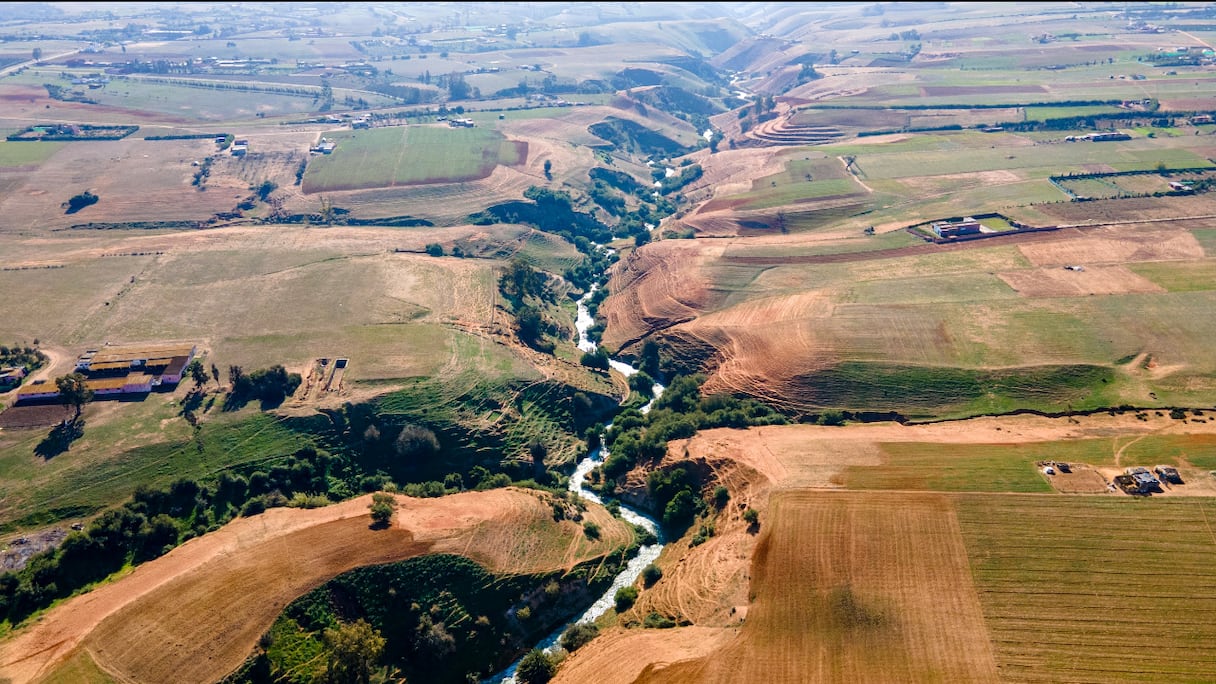
This major project marks a new phase in the development of Morocco’s “water highway,” a system designed to connect river basins and redirect water resources to areas facing shortages or growing pressure.
It builds on the experience of the first large-scale inter-basin transfer between the Sebou and Bouregreg basins, which made it possible to divert significant volumes of water that would otherwise have flowed into the Atlantic Ocean toward the coastal corridor between Rabat and Casablanca, an area facing an exceptional water deficit.
The first phase of the project stretched over around 67 kilometers. Construction began in December 2022, with operations gradually starting on August 28, 2023. Water was initially transferred at a flow rate of no more than 3 cubic meters per second before capacity was progressively increased to 15 cubic meters per second, surpassing initial estimates for the annual volume of water to be transferred.
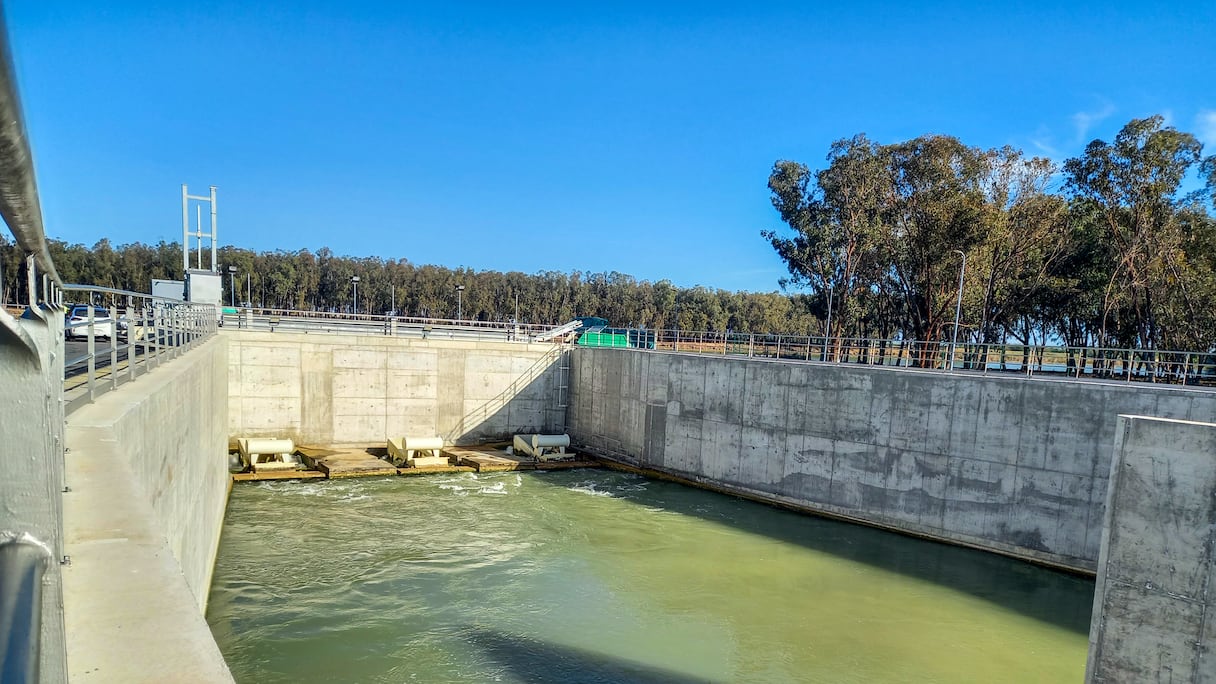
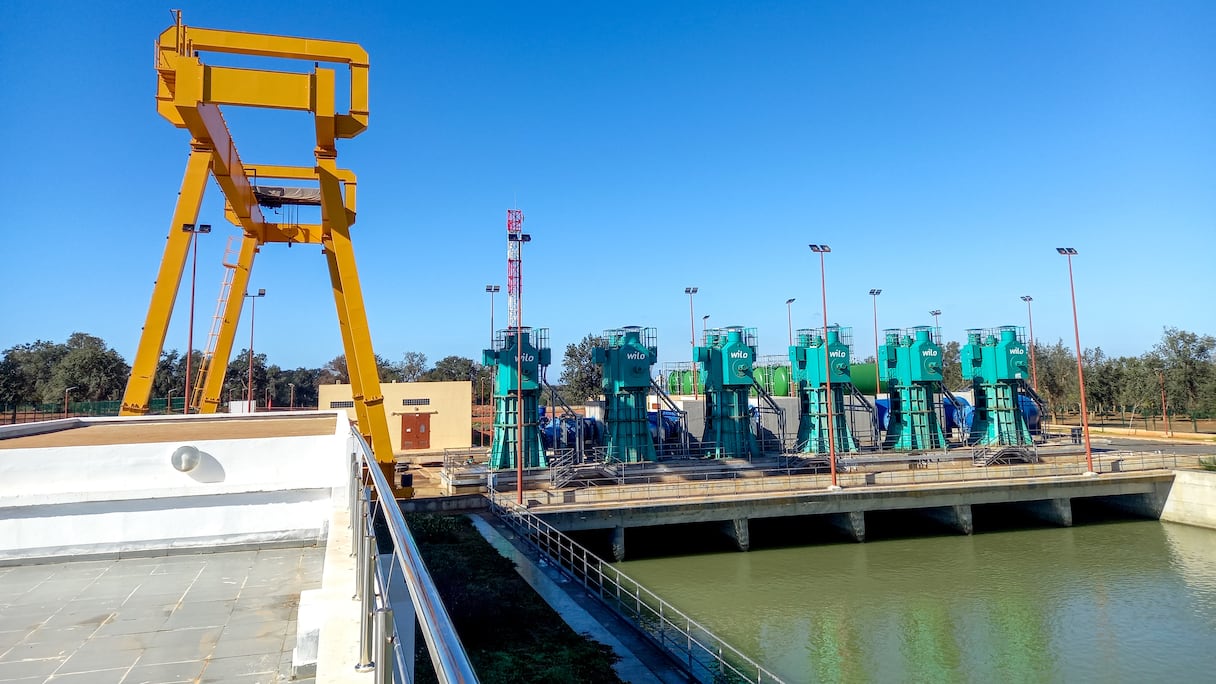
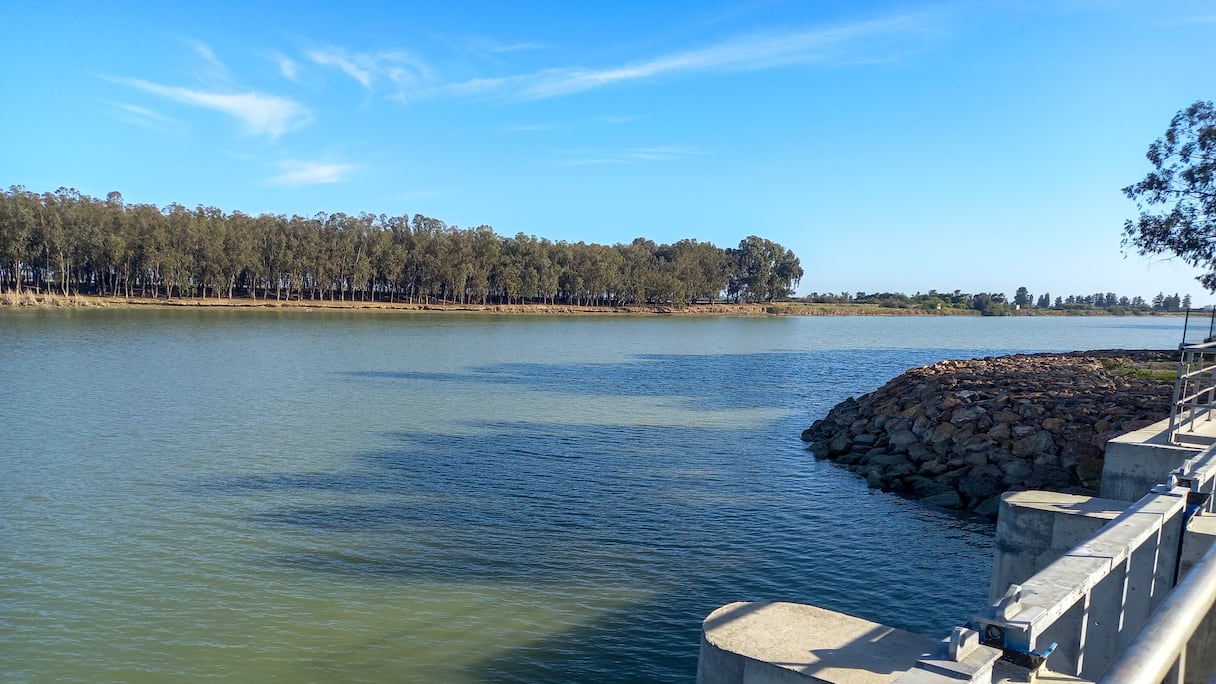
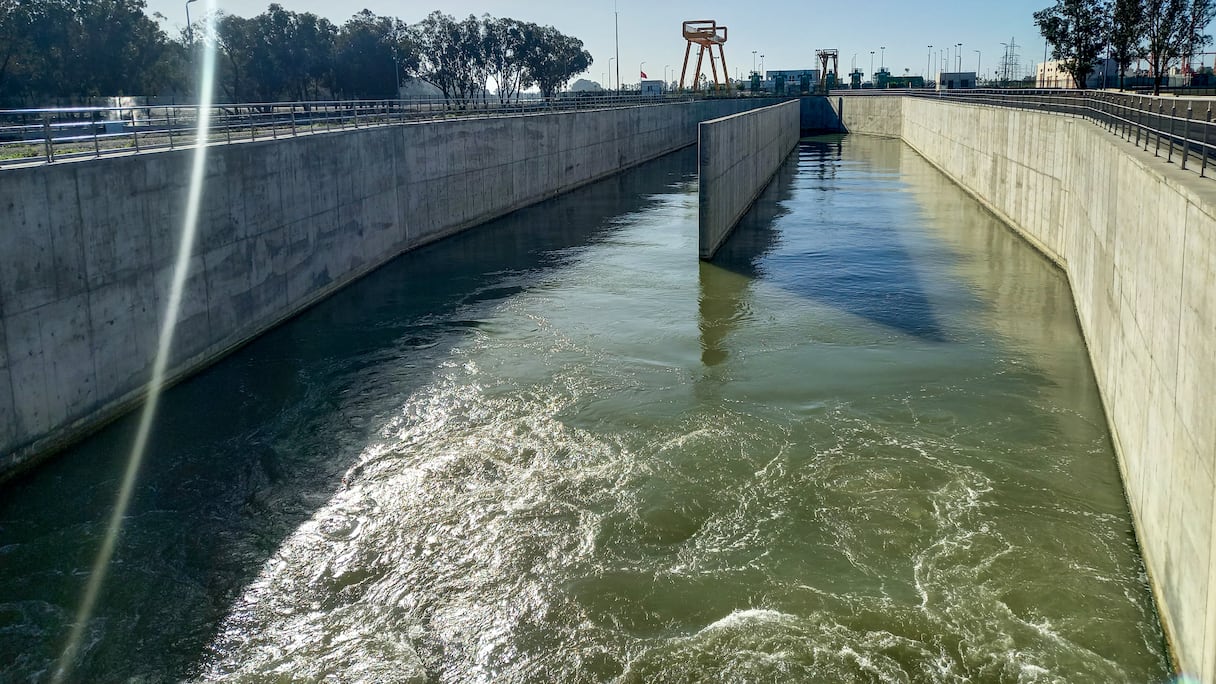
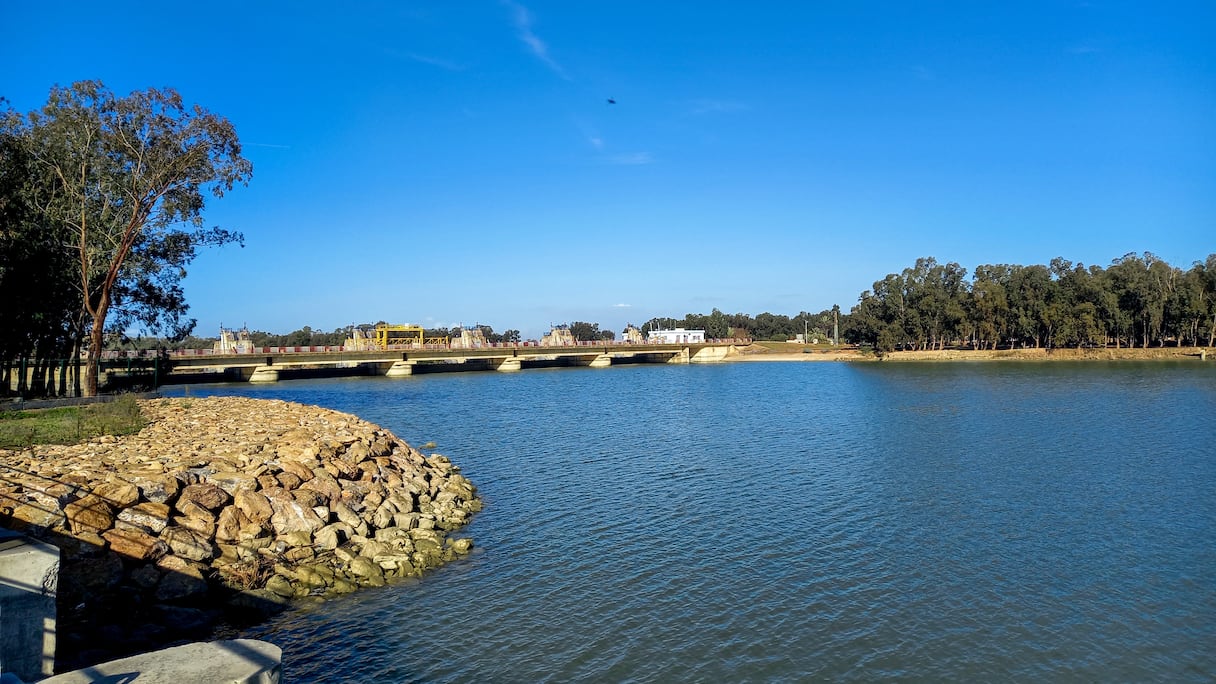
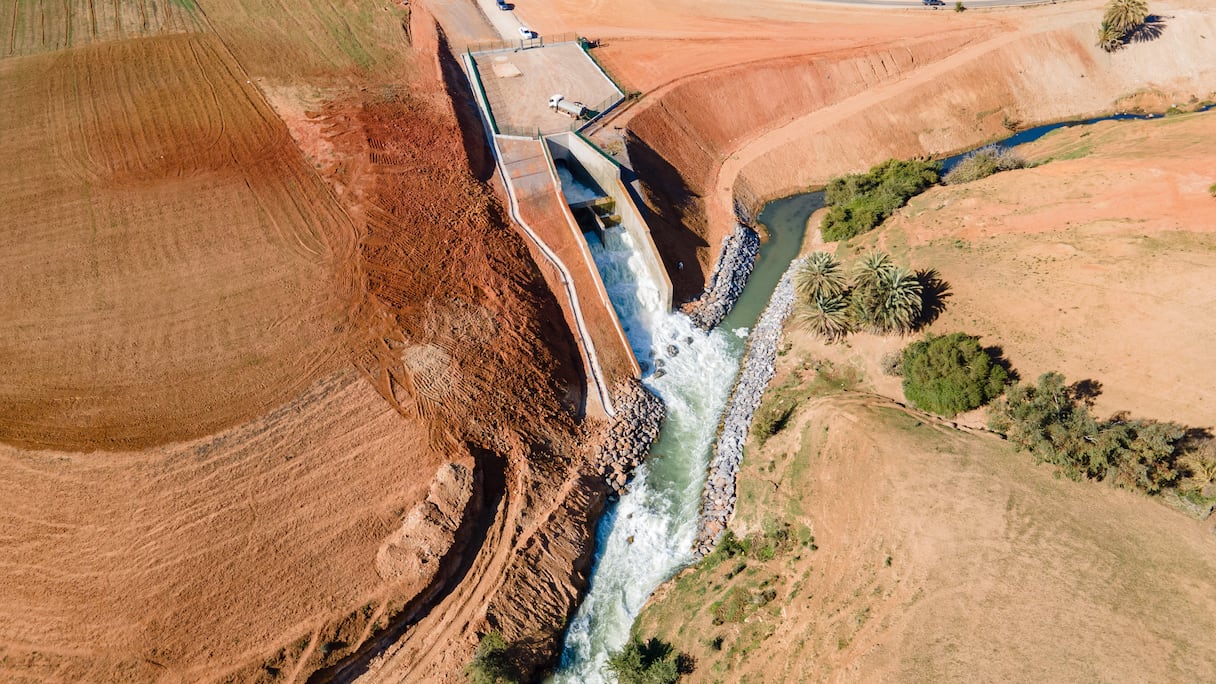
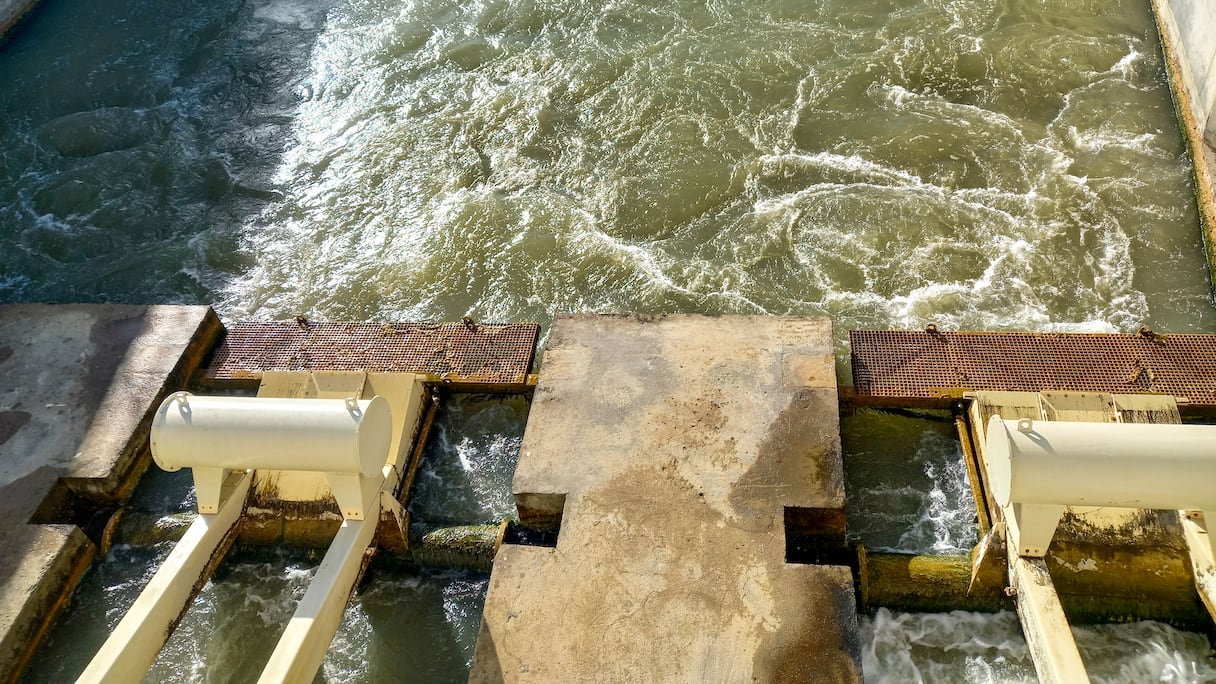
Morocco’s “water highway” is expanding into a massive 300-km network linking the Sebou and Oum Er-Rbia basins.
As the system continued operating, the annual volume of water transferred from the Sebou basin exceeded 560 million cubic meters, compared with initial projections of between 350 million and 400 million cubic meters per year. This helped replenish water resources at the Sidi Mohammed Ben Abdellah Dam and secure a significant share of the Rabat-Casablanca corridor’s drinking water needs, while easing pressure on the Al Massira Dam.
The planned new link between the Sebou and Oum Er-Rbia basins represents an extension of the “water highway” system on a larger scale. The transfer network is expected to stretch over approximately 300 kilometers and have an annual capacity of up to 800 million cubic meters, allowing additional water resources to be redirected to areas facing growing demand for both drinking water and agricultural use.
Settat, Berrechid and the southern areas of Casablanca are expected to benefit from the additional resources to strengthen their drinking water supplies. Meanwhile, the agricultural sector in the Oum Er-Rbia basin will receive additional irrigation water covering an estimated 176,000 hectares, directly linking the project to both urban water security and the continuity of agricultural activity.
The expansion is not expected to stop at the Oum Er-Rbia basin. A later phase could extend the water transfer network toward the Al Massira Dam, gradually increasing the system’s overall capacity to around 1.2 billion cubic meters per year once all phases are completed. The network would then become a broader system for transferring water between several basins and regions.
The expansion is part of the National Program for Drinking Water Supply and Irrigation, which has been allocated more than 130 billion dirhams in investments. The policy focuses on developing infrastructure, mobilizing water resources and improving their distribution, particularly as successive years of drought and climate change continue to affect the country’s water resources.
This approach is not limited to connecting river basins. It complements other projects aimed at securing water supplies, including dam construction, seawater desalination and the reuse of treated wastewater. Together, these projects are intended to diversify Morocco’s water sources, reduce pressure on conventional resources and direct each source toward the areas and uses where it is most needed.
The “water highway” project is being carried out through a public-private partnership and reflects Morocco’s push to build a more interconnected water network. Its purpose is not only to transfer water when shortages occur, but also to enable broader management of water resources based on differences in needs and availability between river basins, strengthening water security for both cities and the agricultural sector.
