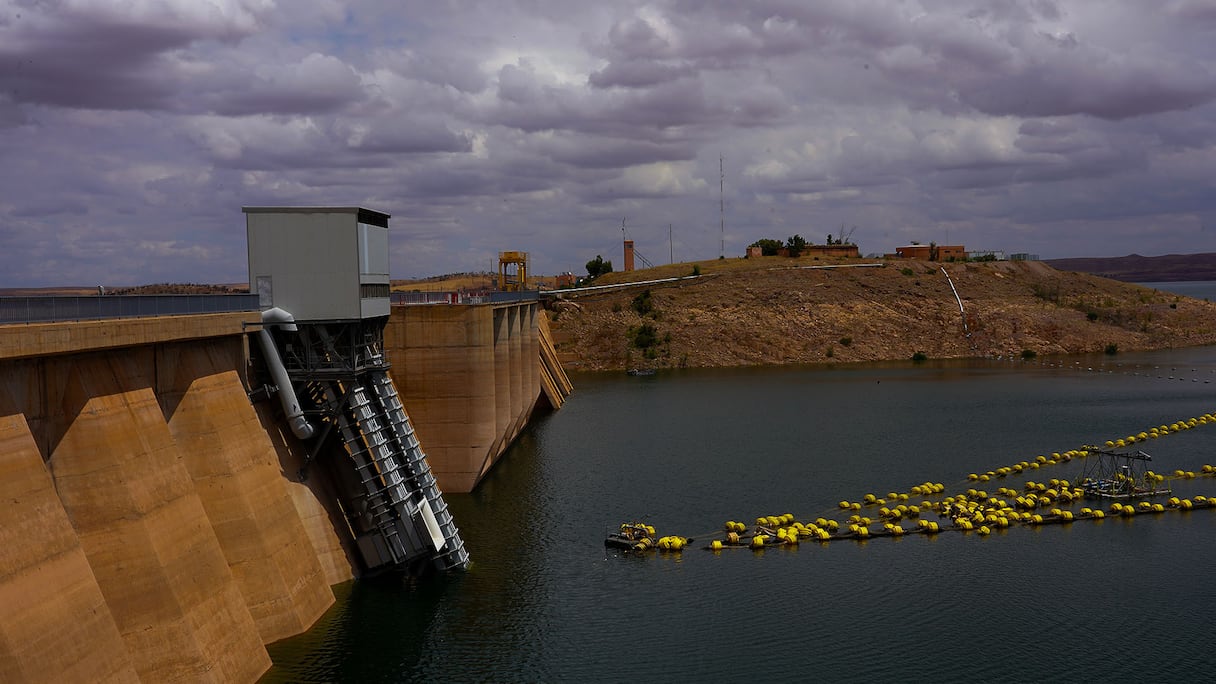
Morocco’s dams lost more than 1.27 billion cubic meters of water between mid-May and mid-August as summer demand and evaporation weighed on reserves after the substantial recovery recorded earlier this year.
Reservoirs held 11.68 billion cubic meters of water as of Aug. 18, 2026, down from 12.95 billion cubic meters three months earlier, according to the latest daily bulletin from the Water Research and Planning Directorate.
The national dam filling rate consequently fell from 76% in mid-May to 68.6%, a decline of more than seven percentage points.
The drop reflects the seasonal drawdown typically recorded during the summer, when higher temperatures coincide with increased demand for irrigation and drinking water, alongside industrial consumption and evaporation.
The decline has affected virtually every major river basin, although its scale varies considerably across the country.
Read also : Morocco’s dam reserves remain strong in mid-August as fill rate reaches 68.7%
The Moulouya basin recorded the sharpest fall, with its filling rate dropping nearly 16 percentage points, from 73.7% to 57.73% in three months. Its reserves declined from 517.3 million to 404.97 million cubic meters.
Tensift lost more than 12 percentage points, falling from 95% to 82.71%, although its overall reserves remain comparatively small at 168.04 million cubic meters.
The Loukkos basin declined from 92% to 81.24%, with reserves falling from 1.80 billion to 1.59 billion cubic meters. Guir-Ziz-Ghris dropped from 51.5% to 40.96%, leaving 224.58 million cubic meters in storage.
Bouregreg also lost nearly 10 percentage points, falling from 90.2% to 80.65%, with reserves currently standing at 1.19 billion cubic meters.
Sebou loses 366 million cubic meters
The Sebou basin, Morocco’s largest water reserve, proved comparatively resilient in percentage terms. Its filling rate declined from 88.4% to 81.59%.
But the sheer size of the basin meant that it recorded the largest absolute decline in the country. Its reserves fell from 4.75 billion to 4.38 billion cubic meters, a loss of around 366 million cubic meters in three months.
The Oum Er Rbia basin limited its decline to just over five percentage points, moving from 65.7% to 60.45%. It still holds more than 3.02 billion cubic meters.
Further south, Souss-Massa fell from 54.7% to 49.38%, with reserves of 356.96 million cubic meters, while Draâ-Oued Noun declined from 37.7% to 32.73%, holding 343.06 million cubic meters.
The two basins remain among the most water-stressed in the country.
The largest reservoirs hold up better
A closer look at Morocco’s 20 largest dams reveals considerable geographical disparities, although the country’s two biggest reservoirs have recorded relatively modest declines.
Al Wahda, Morocco’s largest dam with a capacity of 3.45 billion cubic meters, saw its filling rate fall only slightly, from 88% to 85.64%. It currently holds 2.96 billion cubic meters.
Al Massira, the country’s second-largest reservoir, declined by just over one percentage point, from 42% to 40.61%, and currently stores 1.08 billion cubic meters.
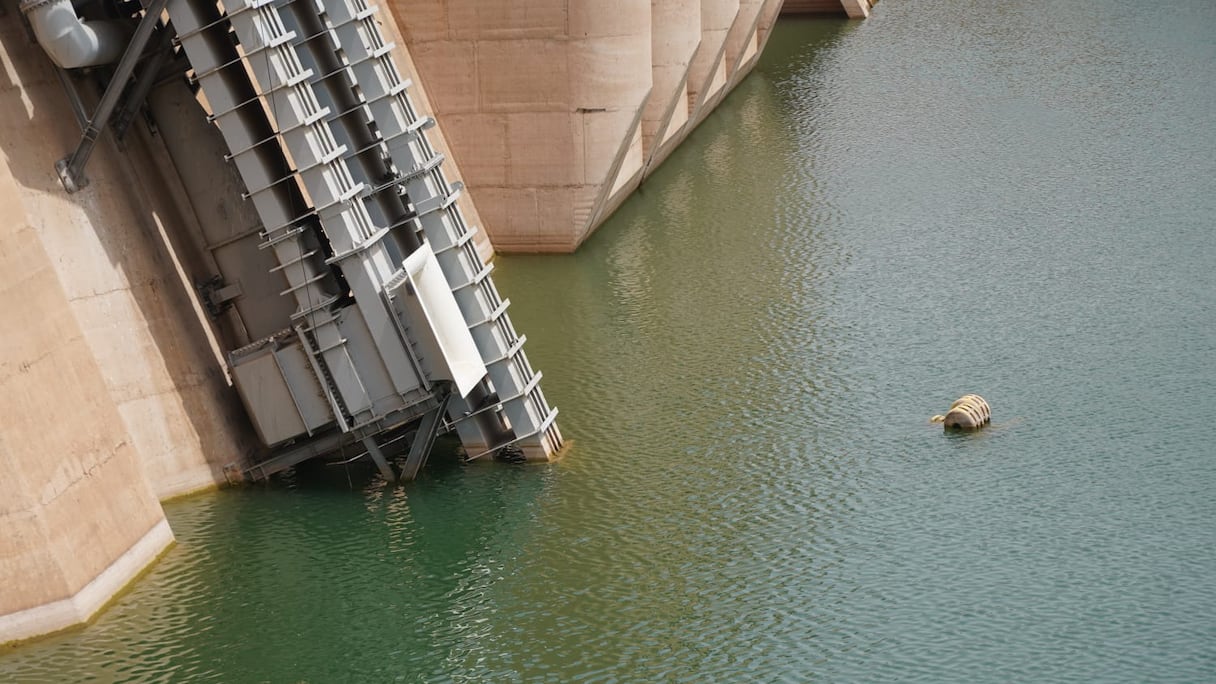
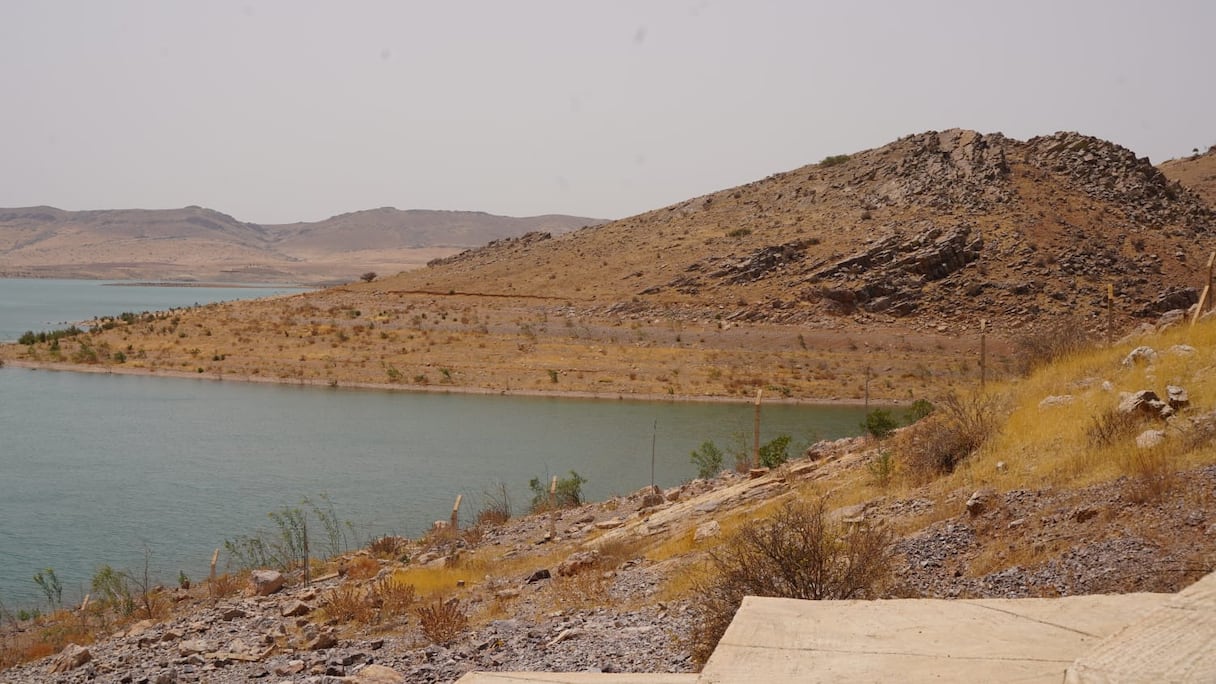
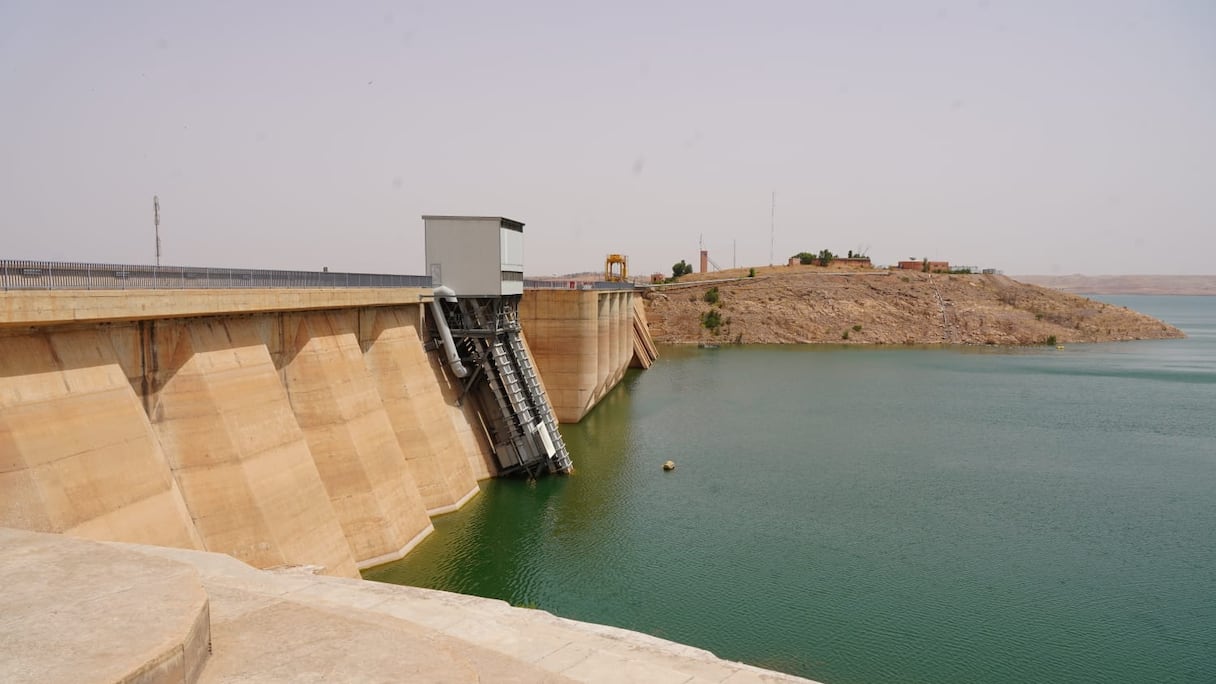
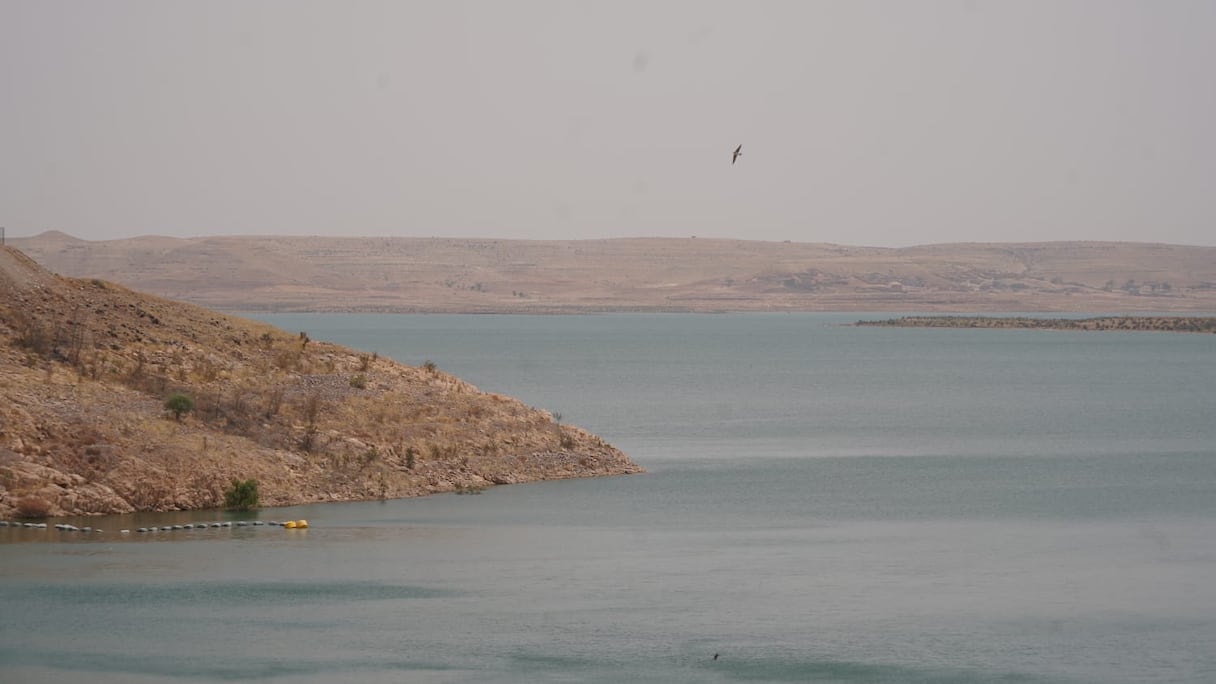
Al Massira Dam.
Several major dams in the Oum Er Rbia basin have also maintained relatively high levels.
Bin El Ouidane fell from 94% to 84.18%, with 1.07 billion cubic meters remaining. Ahmed El Hansali declined from 86% to 80.61%, holding 561.97 million cubic meters, while Hassan Ier fell from 99% to 91.49%, with reserves of 210.19 million cubic meters.
The picture is less favorable at several reservoirs in the Sebou basin.
Idriss Ier recorded the steepest decline among the major dams, falling from 95% to 77.60%. Nearly 200 million cubic meters were drawn down over the three-month period, leaving 834.28 million cubic meters in storage.
El Kansera lost around 17 percentage points, dropping from 91% to 73.51%, while Asfalou edged down from 61% to 59.05%.
Sidi Mohammed Ben Abdellah dam declined from 90% to 76.75%, with reserves now standing at 662.68 million cubic meters.
In the Loukkos basin, Oued El Makhazine fell by more than 16 percentage points, from 91% to 74.54%. Dar Khroufa declined from 99% to 92.73%, while the April 9, 1947 dam fell from 75% to 71.44%.
Tiddas, in the Bouregreg basin, proved more resilient, slipping only from 92% to 90.26%.
Elsewhere, Mansour Eddahbi dropped from 50% to 38.93%, leaving 173.35 million cubic meters. Hassan Addakhil lost almost 16 percentage points to reach 55.26%, while Kadoussa fell from 33% to 27.98%.
Youssef Ben Tachfine, a key reservoir serving the Souss region, declined more moderately from 49% to 47.75%. Sultan Moulay Ali Cherif fell from 22% to 19.46%, leaving just 54.52 million cubic meters.
Two dams bucked the national trend. Hassan II dam in the Moulouya basin edged higher from 57% to 57.68%, while Agdez rose from 35% to 38.98%.
Reserves still nearly twice as high as last year
Despite the summer drawdown, Morocco enters the latter part of August in a considerably stronger position than it did a year ago.
On the same date in 2025, the national dam filling rate stood at just 34.49%, compared with 68.6% on Aug. 18 this year.
That means Morocco’s reservoirs remain at nearly twice last year’s filling level despite losing more than 1.27 billion cubic meters since mid-May.The improvement provides the country with a substantially larger water buffer heading into the coming months.
