As mid-August approaches, Morocco’s dams continue to maintain relatively comfortable storage levels despite the country entering the later stages of summer, a period typically marked by increasing pressure on water resources due to higher temperatures and rising demand for drinking and irrigation water.
According to the latest official data released Monday morning, Aug. 17, by Al Maa Dialna, a platform operated by the Ministry of Equipment and Water, the national fill rate of Morocco’s dams stood at 68.66%, with water reserves of around 11.69 billion cubic meters out of total capacity of approximately 17.03 billion cubic meters. This compares with a fill rate of 34.54% during the same period last year, representing an increase of more than 34 percentage points.
At the level of the country’s river basins, the Sebou basin, the largest in Morocco in terms of storage capacity, recorded a fill rate of 81.67%, with reserves of around 4.39 billion cubic meters. It ranked second nationally behind the Tensift basin, which topped the list at 82.99%, while the Loukkos basin ranked third at 81.37%.
Read also : Agriculture drives Morocco’s economic growth to 5.4% in third quarter of 2026
The Sebou basin’s strong performance reflects high storage levels at several of its dams, including Al Wahda Dam, the largest in Morocco and the third-largest in Africa, which reached a fill rate of 85.74%. Allal El Fassi Dam stood at 92.14%, while Asfalou Dam reached 93.49%. The Loukkos basin also recorded high fill rates at several facilities, notably Dar Khrofa Dam at 92.82%, Cherif El Idrissi Dam at 90.75% and Oued El Makhazine Dam at 74.78%.
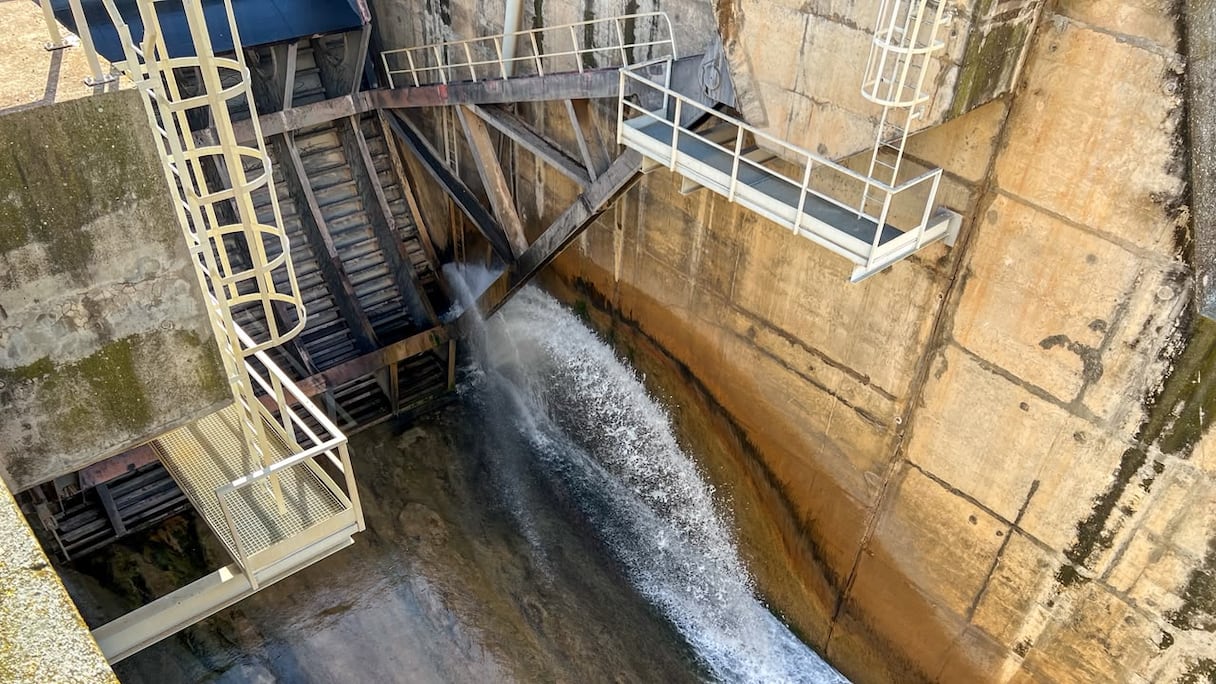
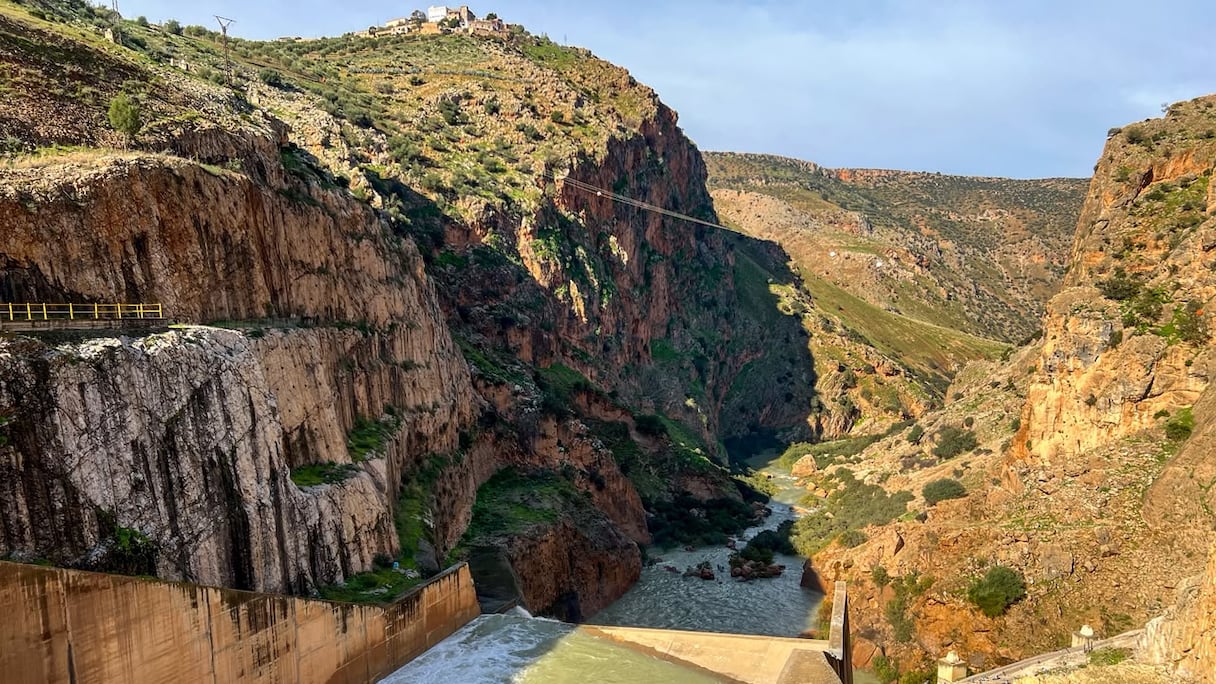
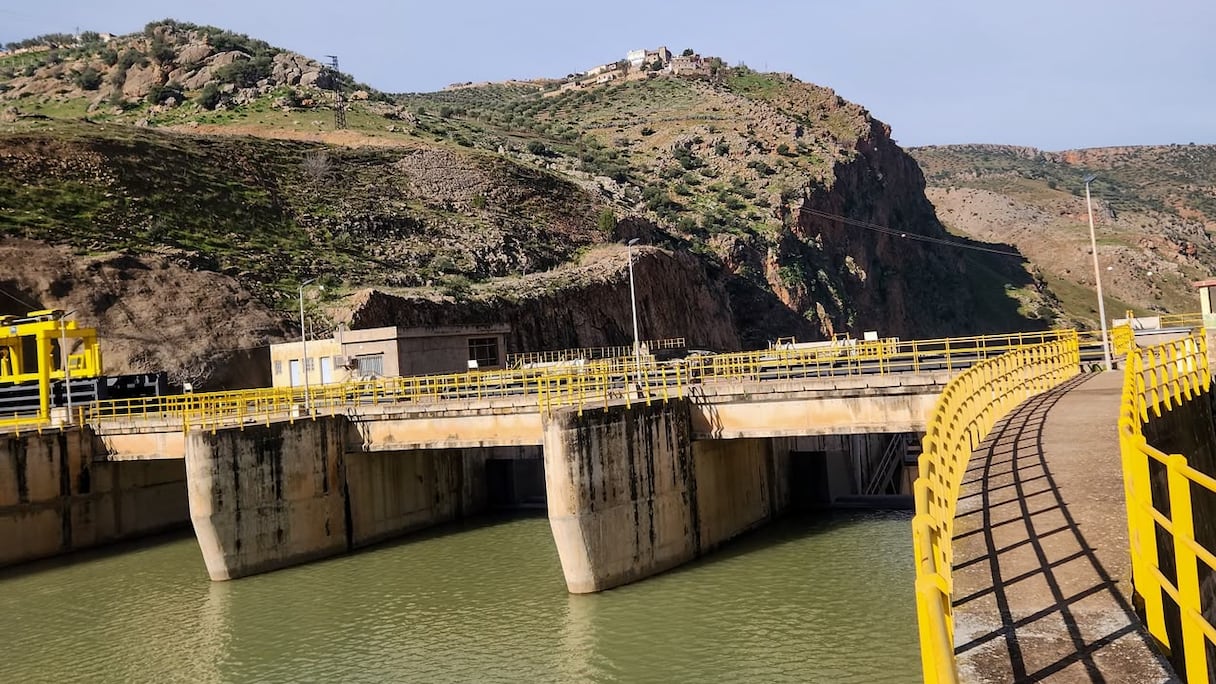
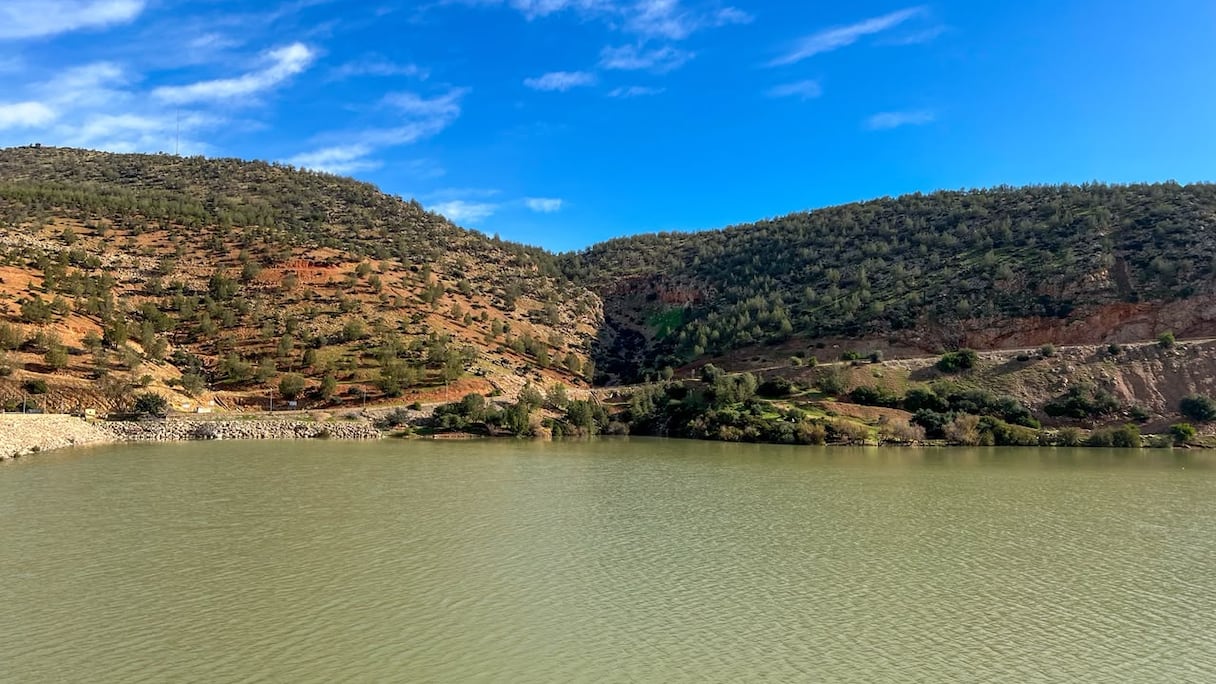
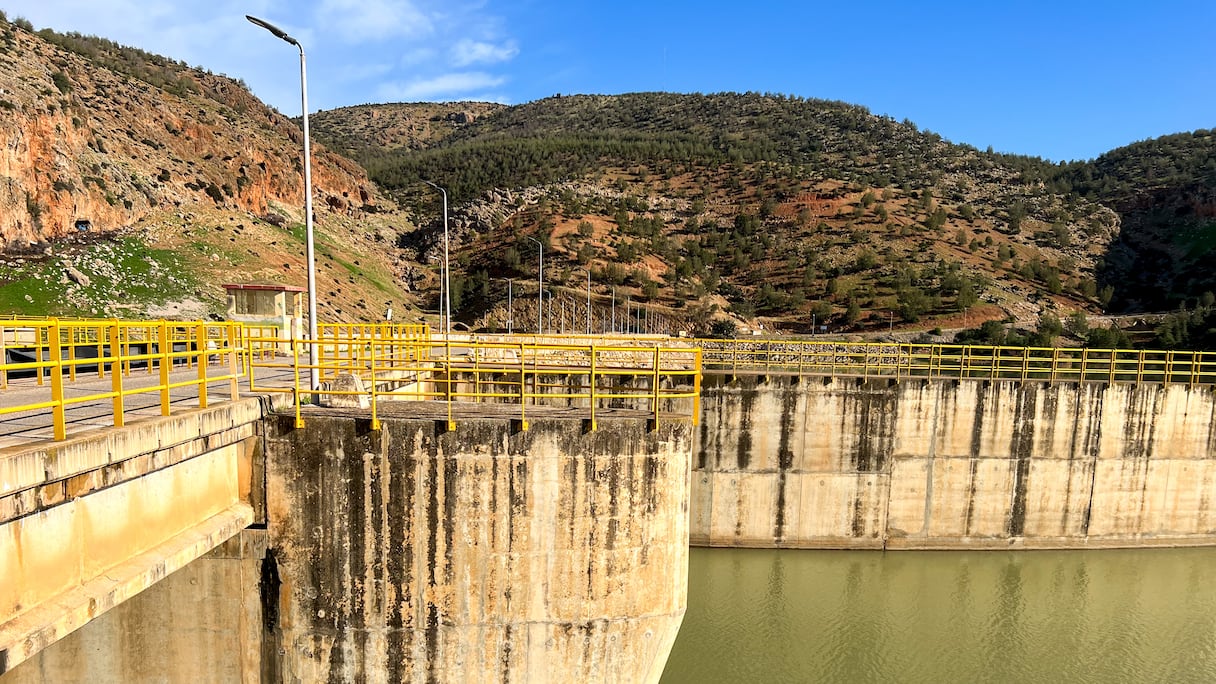
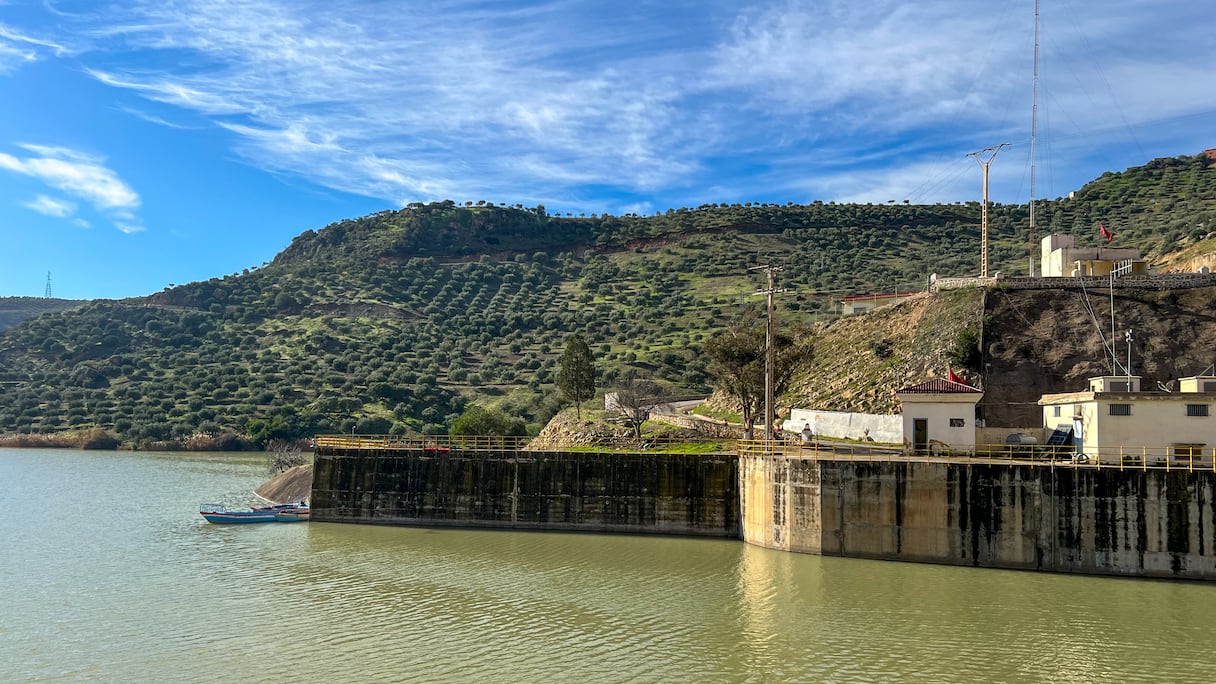
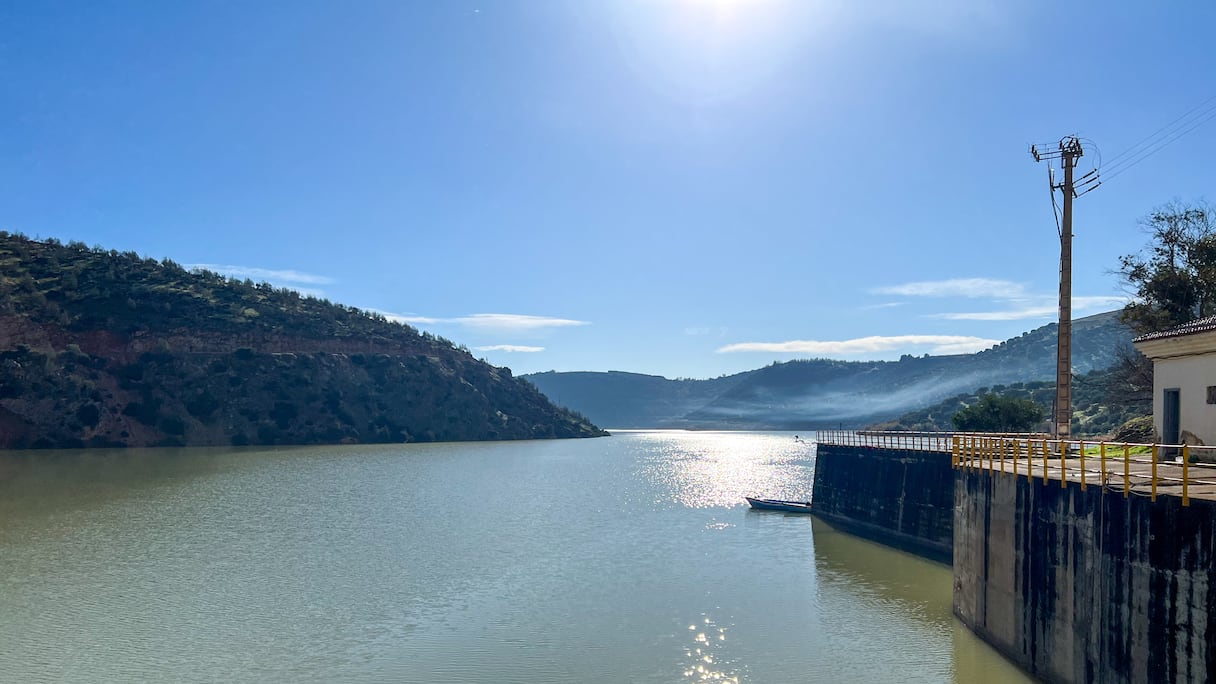
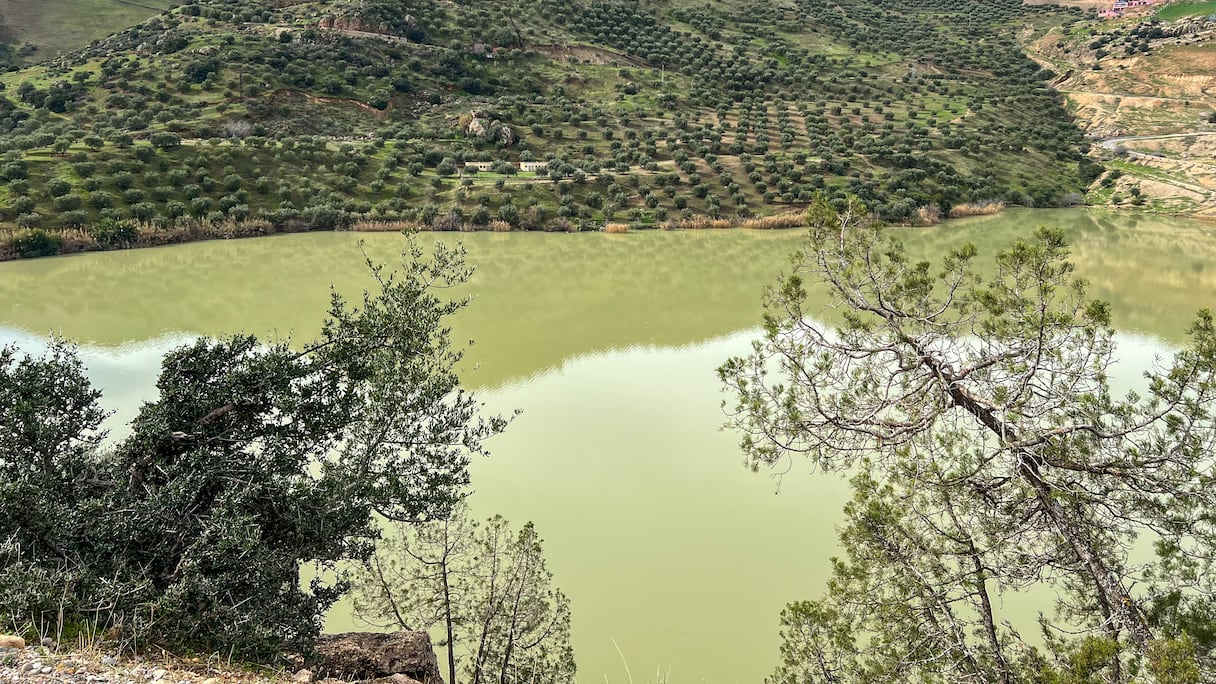
سد علال الفاسي بإقليم صفرو. Le360
The Bouregreg basin also recorded a high fill rate of 80.74%, supported by significant reserves at Tamesna Dam (81%), El Maleh Dam (67.93%) and Sidi Mohammed Ben Abdellah Dam (76.87%), one of the basin’s key water facilities.
Meanwhile, the Oum Er-Rbia basin reached 60.55%, supported by substantial reserves at Bin El Ouidane Dam (84.74%) and Al Massira Dam (40.64%), as well as other dams that maintained their water inflows, including Sidi Driss Dam (100%) and Moulay Youssef Dam (72%).
By contrast, fill rates were lower in the Ziz-Ghris basin, at 41.07%, and the Souss-Massa basin, at 49.45%. The Draa-Oued Noun basin recorded the lowest rate nationally, at 39.02%, highlighting continued disparities in water resources between basins despite the marked improvement at the national level compared with the same period last year.
Morocco’s dams are therefore entering the second half of August with water reserves significantly above those recorded during the same period last year. The figures point to an improvement in the country’s water situation during the latest rainy season, which enabled Morocco to replenish a significant share of its strategic reserves.
However, continued high temperatures and disparities between basins underscore the need to maintain water conservation efforts and strengthen the management of available resources, alongside accelerating major projects, particularly seawater desalination and the mobilization of non-conventional water resources, to address the impacts of climate change and ensure Morocco’s long-term water security.
