Holidays often mean abandoning familiar routines in favor of a more relaxed schedule. Meal times shift, eating becomes more spontaneous, and raw vegetables, fizzy drinks and long social gatherings become more frequent. But these changes can unsettle the digestive system, which struggles to adapt to new habits.
According to naturopathy, part of the problem may also stem from what practitioners describe as low-grade chronic inflammation, which is believed to contribute to digestive disorders, fatigue, hormonal imbalances, as well as skin and immune-system problems. Summer’s looser routines and dietary changes can make these issues worse. Still, there are ways to ease the strain without adopting a restrictive diet.
Slow down and chew properly
Good digestion starts in the mouth. Taking the time to chew food thoroughly may sound trivial, but it helps reduce the burden on the stomach, stimulates digestive enzymes and limits the fermentation that often causes bloating. Simply eating more slowly and avoiding rushed meals remains one of the easiest and most effective habits to adopt.
Read also : Moroccan charmoula stars in US TV culinary feature
Make smarter choices at mealtime
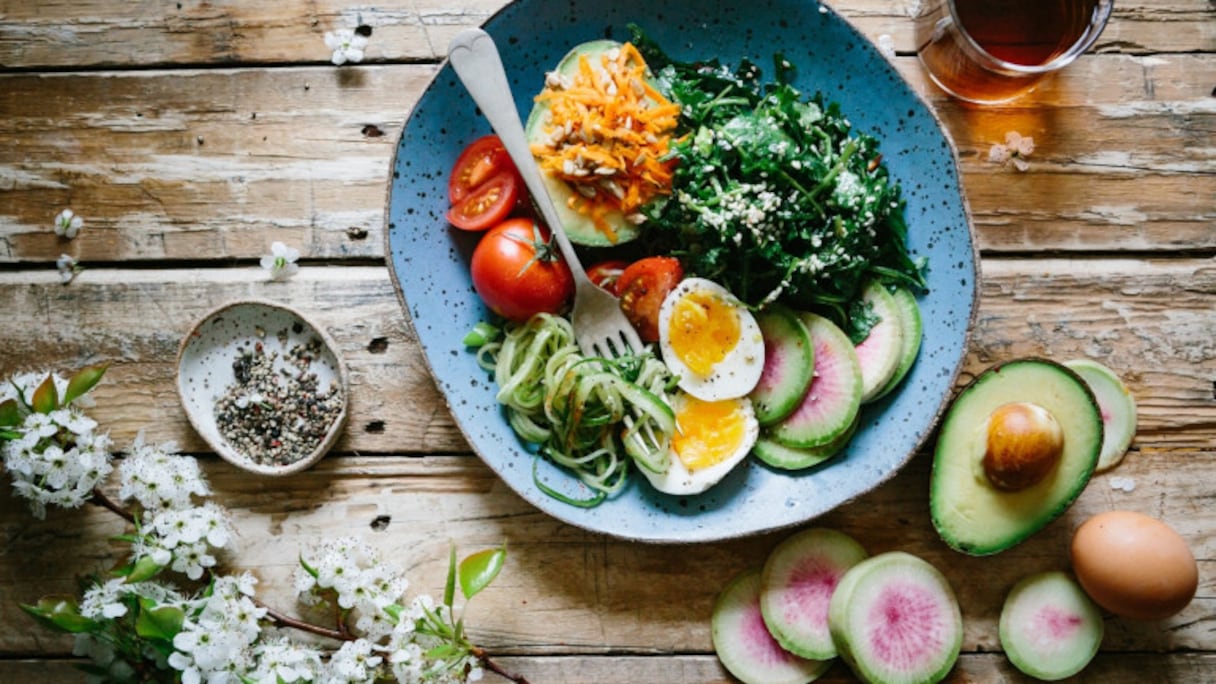
Contrary to popular belief, the large salads that define summer eating are not equally easy for everyone to digest. Rather than eliminating them altogether, it is better to adjust your intake according to your own tolerance.
Certain herbs and spices—including fennel, anise, cumin, peppermint and coriander—are also known for their digestive properties and may help reduce gas and bloating.
Starting meals with vegetables, whether raw, leafy or cooked, is another recommendation. A vegetable-based starter slows the absorption of sugar, supports the gut microbiome and helps reduce post-meal inflammation. Adding healthy fats such as olive, walnut or rapeseed oil can further support intestinal health while lowering the meal’s glycaemic impact.
For dinner, experts recommend opting for a warm, light and plant-based meal to promote better blood-sugar regulation and improve sleep quality.
Stay active, stay hydrated
Summer is also the season of long, hearty meals. Instead of heading straight for a nap afterward, a 10- to 15-minute walk is often enough to aid digestion, stimulate the digestive system and improve insulin sensitivity.
And while it may seem obvious, hydration plays a key role—especially in hot weather. Drinking enough still water throughout the day, while limiting carbonated beverages, can make a significant difference in preventing digestive discomfort.
