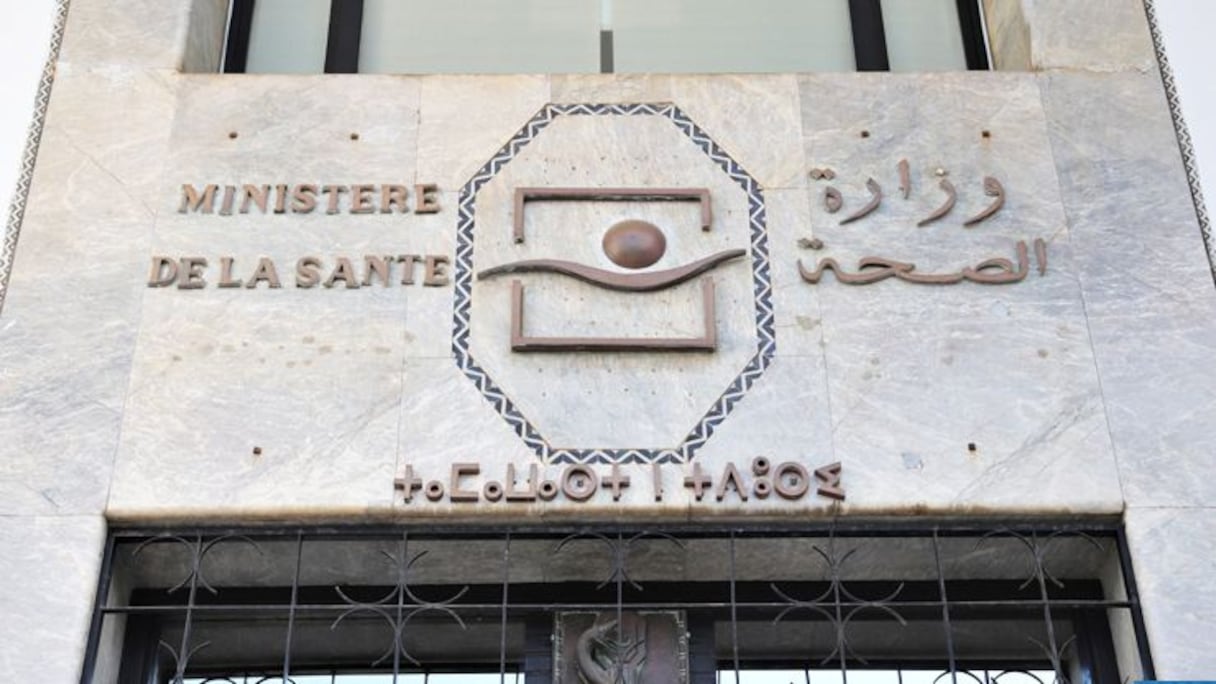
The Ministry of Health and Social Protection convened the steering committee of the National Cancer Prevention and Control Plan (2020–2029) in Rabat on Wednesday, July 15, under the chairmanship of Health and Social Protection Minister Amine Tehraoui.
The meeting focused on evaluating the implementation of the national cancer strategy at its midpoint and defining priorities for the 2027–2029 period within the framework of Morocco’s ongoing healthcare reform.
Addressing the meeting, Tehraoui described the midterm evaluation as “a genuine opportunity for consultation and participation” to guide the remaining years of the decade-long plan. He said Morocco’s sustained investment over the past 15 years in oncology infrastructure and human resources has significantly expanded treatment capacity.
According to the minister, public oncology centers now provide care to more than 110,000 patients every year, including nearly 24,000 newly diagnosed cases. He also noted that Morocco currently has 59 reproductive health referral centers, which play a key role in the early detection of breast and cervical cancers.
Tehraoui stressed the need to build on these achievements by adapting healthcare services to growing demand driven by demographic aging and advances in diagnostic technologies. He said reducing regional disparities and ensuring equitable access to treatment remain top priorities for the coming years.
Read also : Staff shortages, outdated facilities strain Morocco’s forensic medicine system, lawmakers warn
The minister added that the establishment of territorial health groups and the strengthening of regional governance offer an opportunity to improve the management of the national cancer plan, accelerate the digitalization of health information systems, and ensure continuity of care from primary healthcare and diagnosis through treatment and rehabilitation.
He said the evaluation would help define priorities in governance, institutional coordination, prevention, early detection, equitable access to treatment, public-private partnerships, human resource management, medical equipment, and digital health systems. These priorities, he noted, are expected to form the core of the 2027–2028 action plan.
Mohamed El Youbi, director of the Ministry’s Directorate of Epidemiology and Disease Control, said the meeting comes as Morocco continues implementing its healthcare reform, with the objective of expanding universal health coverage and ensuring access to quality healthcare regardless of geographic or financial barriers.
He said Morocco has achieved “very positive results” in cancer control, making it a model frequently cited at regional and international forums. At the same time, he emphasized the importance of identifying remaining shortcomings and strengthening efforts in areas that still require improvement.
In a statement issued after the meeting, the ministry said the midterm evaluation highlighted significant progress in expanding the country’s cancer treatment network, improving access to innovative medicines, strengthening palliative care services, and broadening early screening programs for breast and cervical cancer.
Read also : Laayoune joins military medicine network in first expansion beyond Rabat
The steering committee also identified several challenges requiring further attention, including increasing vaccination coverage against the human papillomavirus (HPV), strengthening prevention of occupational and environmental cancers, and improving diagnostic and treatment pathways in line with international standards.
At the conclusion of the meeting, committee members approved the priority directions for the 2027–2029 period, focusing on strengthening governance of the national cancer plan, accelerating prevention programs, ensuring equitable access to diagnosis and treatment, improving human resources and medical equipment, speeding up the digitalization of healthcare services, and supporting the rollout of territorial health groups to enhance the efficiency and sustainability of cancer care nationwide.