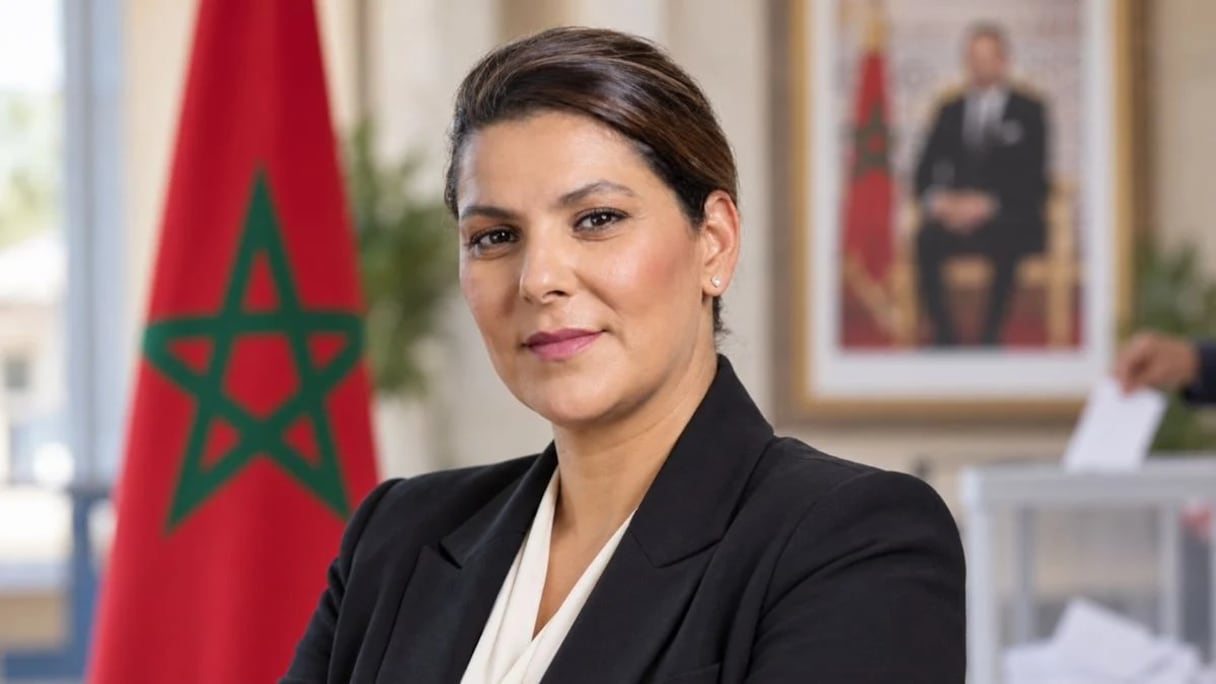
In a memorandum addressed to El Mansouri ahead of the next government’s program, the Moroccan NGO calls for a shift from accumulating legislation to ensuring that existing measures deliver tangible results in access to rights and public services.
The recommendations draw on a report commissioned by the association and prepared by researcher and expert Youssef Ghouirgate, a former secretary-general of the Mediator for Democracy and Human Rights. The report assesses the government’s human rights record during the 2021-2026 term across 17 areas. According to the organization, it identifies uneven progress, with insufficient results in access to rights and service quality.
The association also welcomed the King’s appointment of El Mansouri on September 29, 2026, under Article 47 of the Constitution. It stressed that her appointment should be distinguished from the government’s formal investiture, which takes place after the House of Representatives grants its confidence under Article 88.
Read also : House of Representatives: Who are the new parliamentary group leaders
The Mediator says this new stage should be accompanied by confidence-building measures that revive the spirit of the Equity and Reconciliation Commission. It calls in particular for the release of people still detained in connection with social protests, as well as bloggers and content creators.
From legal commitments to tangible results
The NGO argues that the next government should move beyond counting laws adopted, institutions established, budgets allocated and programs launched. Instead, it should assess whether these measures guarantee citizens fair and lasting access to rights and services.
It identifies five major gaps: between legal frameworks and their implementation; between enrollment in public schemes and actually receiving the benefits; between resources allocated and service quality; persistent social and regional inequalities; and shortcomings in coordination and data.
To address these issues, the organization recommends qualitative assessments in six areas: social protection; healthcare; education and training; the rights of people with disabilities; employment and labor rights; and administrative and digital services.
In social protection, it calls for monitoring the process from registration to the effective opening of entitlements and the regular payment of adequate benefits.
In healthcare, upgrading facilities must go hand in hand with providing the necessary staff and equipment, as well as ensuring that patients can effectively access medical appointments. In education and training, assessments should focus on school retention, learning quality and equity.
Read also : New House Speaker Touizi vows to rise above party lines
The association also calls for faster adoption of the reform of the Family Code, with justice, equality and fairness as its guiding principles. It further recommends revising criminal legislation in line with relevant international conventions and the recommendations of the Equity and Reconciliation Commission.
Finally, the NGO urges the next government to give greater consideration to environmental rights, climate justice, digital rights and biomedical ethics.
