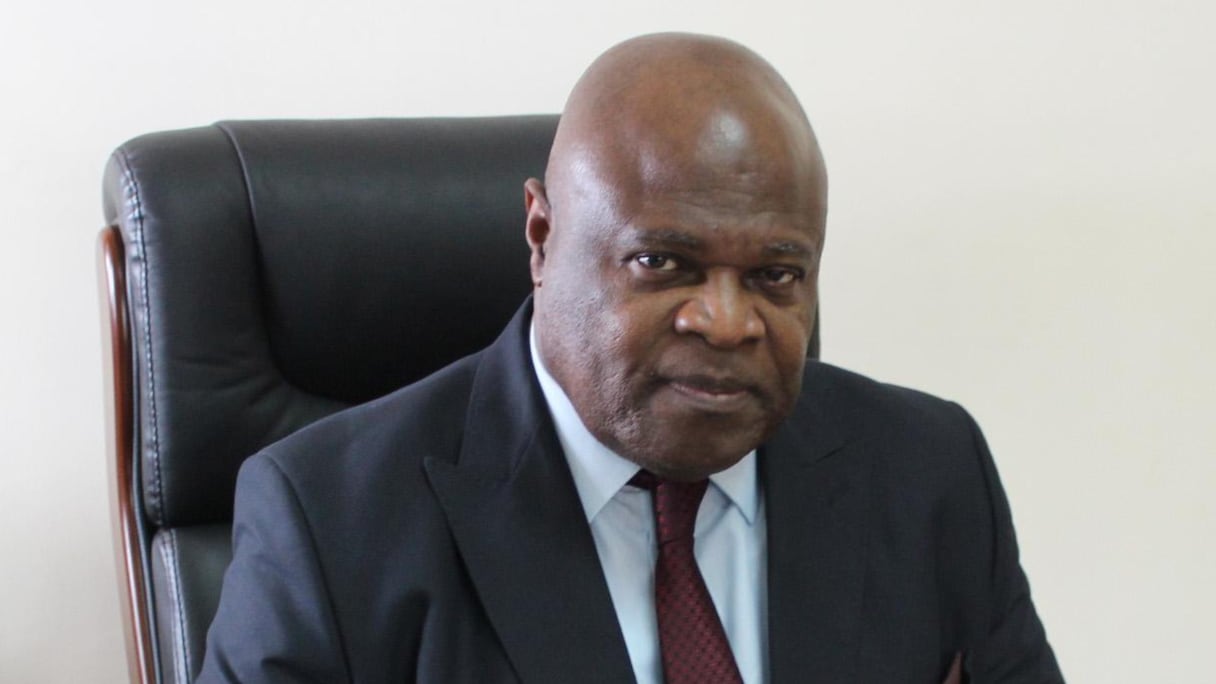
The former regional representative of the UN High Commissioner for Human Rights in Central Africa told Maghreb Arab Press (MAP) that “in monitoring migration flows, Moroccan security services have demonstrated real operational effectiveness, based on a continuous monitoring system that provides a level of anticipation and speed of response rarely seen in the region. This institutional maturity is built on more than a decade of experience and successive adjustments.”
Bouaka, a member of the Scientific Council of the International Institute for Geopolitical Studies, based in Montpellier, explained that when migration flows are not properly anticipated, they can become “a factor of regional tension and instability.” By contrast, their effective management, as Morocco is doing, can serve as “a factor of stability and cooperation.”
He noted in this regard that no country, regardless of how well organized it is, can shoulder this responsibility alone over the long term, stressing that “managing migration flows is inherently a shared responsibility.”
The UN expert also said that sustained and frank dialogue among all parties concerned, including countries of origin, transit and destination in both Europe and Africa, remains the only way to ensure long-term resilience in addressing future migration challenges.
Bouaka recalled that Morocco underwent a strategic shift after launching its new migration policy in 2013. The country moved from historically being viewed as merely a transit point to Europe to becoming a country of reception and migrant regularization, through several campaigns to regularize the legal status of migrants from sub-Saharan Africa.
He said this development “reflects an early recognition that migration flows can no longer be approached solely from a security perspective but must also incorporate the humanitarian dimension and regional cooperation.”
