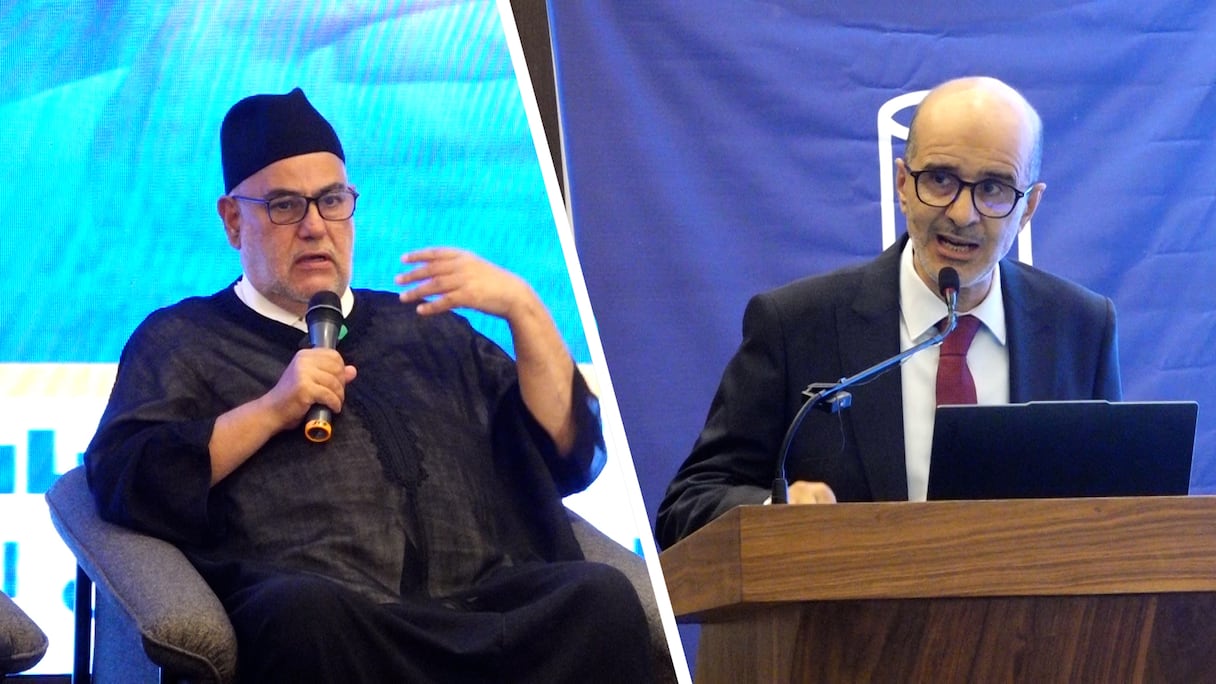
The Justice and Development Party (PJD) unveiled its electoral program for the September 23 legislative elections in Rabat on Monday. The party, led by Abdelilah Benkirane, has structured its platform around five key areas: institutional, economic, social, and foreign policy.
PJD leaders emphasized the program’s preparation, presenting it as an alternative to electoral platforms that often rely on extensive lists of numerical targets. Benkirane stated that the party deliberately avoided multiplying “unrealistic figures” and difficult-to-deliver promises, specifically referencing employment commitments made during the previous election campaign.
In contrast to several programs presented by other parties contesting the elections, the PJD’s platform does not include an overall budget for its implementation or numerical targets for economic growth or job creation.
“Our program is objective, realistic, and fair, because its primary aim is to ensure the dignity of citizens,” said Driss El Azami El Idrissi, the PJD’s first deputy secretary-general. The former minister delegate in charge of the Budget also offered a critical assessment of the outgoing government, highlighting what he described as failures on political, economic, and social fronts.
The PJD official specifically pointed to persistently high unemployment, particularly among young people, as well as ongoing shortcomings in the rollout of universal social protection and effective access to health coverage.
The first of the five areas focuses on strengthening Islamic and national identity, the family, and Moroccan values. The PJD proposes stronger protection for families and children, ensuring these policies align with the Kingdom’s constitutional principles.
The second area covers political reform, strengthening democratic choice, and ensuring the effective exercise of rights and freedoms. The party proposes reinforcing the supremacy of the Constitution, guarantees of a fair trial, privacy protections, and freedom of expression and the press. It also aims to strengthen the role of political parties, trade unions, and civil society, while reinforcing mechanisms to combat corruption and conflicts of interest.
The third area concerns public services and social protection. The PJD proposes changes to certain measures in education and health, including removing age limits for access to some recruitment competitions and addressing perceived shortcomings in the targeting of social protection beneficiaries and direct aid.
On the economic front, the fourth area, the Islamist party advocates a “productive, competitive, sustainable, and sovereign” economy focused on job creation and support for small businesses. Its proposals include strengthening competition, tackling rent-seeking practices and monopolies, supporting domestic production, and reviewing certain tax measures. The party also calls for national investment conferences.
The fifth and final area focuses on foreign policy, with the defense of the Kingdom’s sovereignty and territorial integrity and the strengthening of its international standing as main priorities.
Benkirane also addressed the recent desecration of the Moroccan flag by Spanish far-right activists. The PJD secretary-general condemned what he described as an attempt to fuel tensions, stating that both Moroccan and Spanish people aspire to strengthen relations and good neighborly ties. He also expressed his deep concern over the recent migration-related events in Ceuta.
Beyond the 467 specific measures, the PJD views the program as a flexible roadmap that can be adapted to the political configuration emerging from the ballot box. El Azami stated that the proposals would be implemented if the party entered government or joined a coalition. In such a scenario, the program would serve as the basis for negotiations with potential partners.
If the party remains in opposition, he said the document would serve as “terms of reference” for its future lawmakers, who would be expected to defend its main proposals through their legislative and oversight work.
