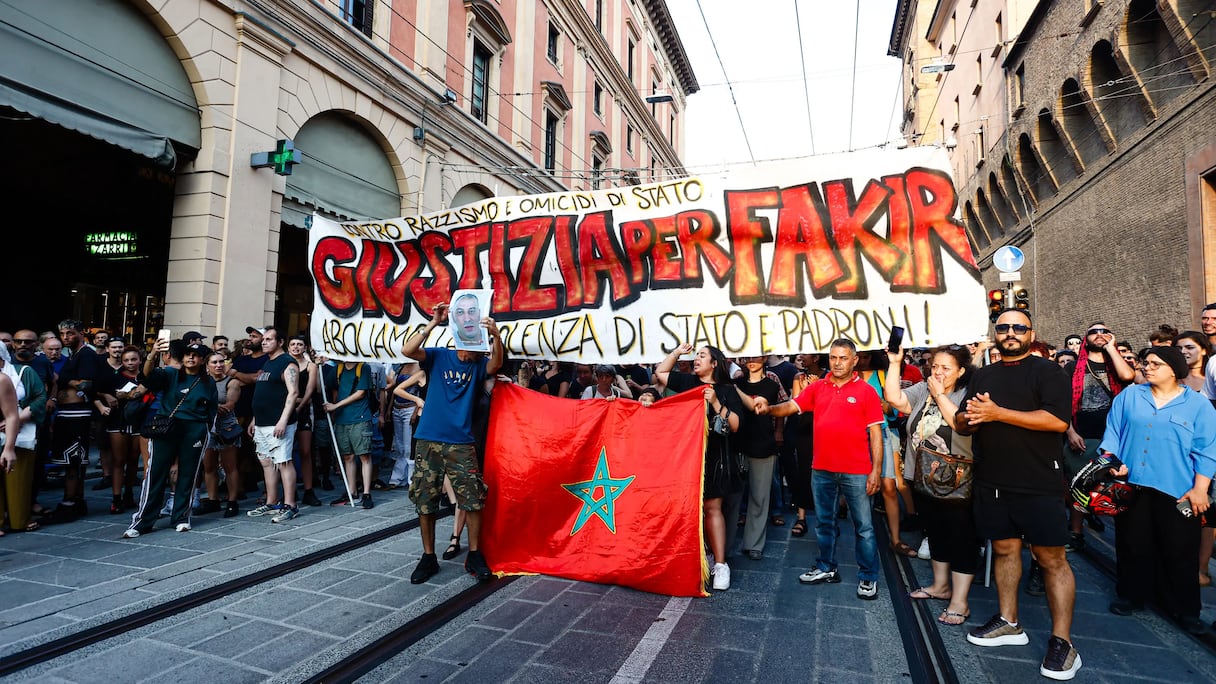
Abderrahim Fakir’s body remains in Italy pending the completion of autopsy procedures. His lawyer, Fabio Anselmo, confirmed this in a statement to Le360, saying the Bologna prosecutor’s investigation remains at its “very earliest stages.”
According to Anselmo, the investigation currently rests primarily on the autopsy examinations, which he considers essential to establishing the cause of death, as well as several minutes of video showing the victim’s final moments. “In my view, the video is quite telling,” he said, while stressing that the autopsy remains a necessary step. “That is precisely why the body has not been released,” he noted.
Read also : From Riccardo Magherini to Abderrahim Fakir: Italian police misconduct back under scrutiny
Anselmo also denounced the proliferation in recent days of fake pages that he says were “orchestrated in a technical rather than accidental manner.” The pages, which have gone viral and were, according to him, created using artificial intelligence, have circulated posts presenting an account of the cause of death that he considers “completely fanciful,” both scientifically and factually.
He described the campaign as an “attempt to divert public opinion away from the officers’ responsibility in Abderrahim Fakir’s death,” questioning why certain social media operators and commentators whom he associates with the Italian far right have invested so heavily in advancing that narrative.
“This is a political commitment,” he said, arguing that the Italian government does not want any responsibility on the part of the officers to be acknowledged. In his view, releasing Fakir’s remains to the family would, under that logic, amount to “extending a hand to these people.”
On the procedural front, Anselmo said he had requested the extraction of an exact copy of the footage from the body-worn camera used by one of the officers. The process is due to begin Monday, August 10, at the Scientific Investigations Department (RIS) and will be “delicate,” according to the lawyer.
He also said the bodycam had been hacked, with footage subsequently making its way onto Italy’s national television news.
“Something that should never, ever have happened,” he said. Anselmo said he would wait for the results of the extraction before deciding on his next steps. He reserved the right to file a complaint over the preservation and use of footage recorded by the officer in the course of his official duties.
What the preliminary autopsy findings show
Mario Balzanelli, president of the Italian 118 Emergency Medical System Society, has meanwhile provided a detailed medical assessment of the mechanism that may have caused Fakir’s death.
He said keeping a person prone, face down, with pressure on the chest can cause asphyxia. When the lungs cannot expand properly, carbon dioxide accumulates, causing respiratory acidosis, which in turn depresses the heart’s ability to contract.
“When the heart contracts weakly, blood accumulates in the lungs,” he explained, saying this could account for the blood found in Fakir’s lungs, alongside bruising observed on his back and possible acute pulmonary edema.
According to Balzanelli, there was “no reason for this position to have been used.” He described it as a form of “lethal restraint,” a method of immobilization regarded in international medical literature as potentially life-threatening. He cited studies covering 1,300 deaths during police interventions worldwide, more than 740 of which involved this specific position.
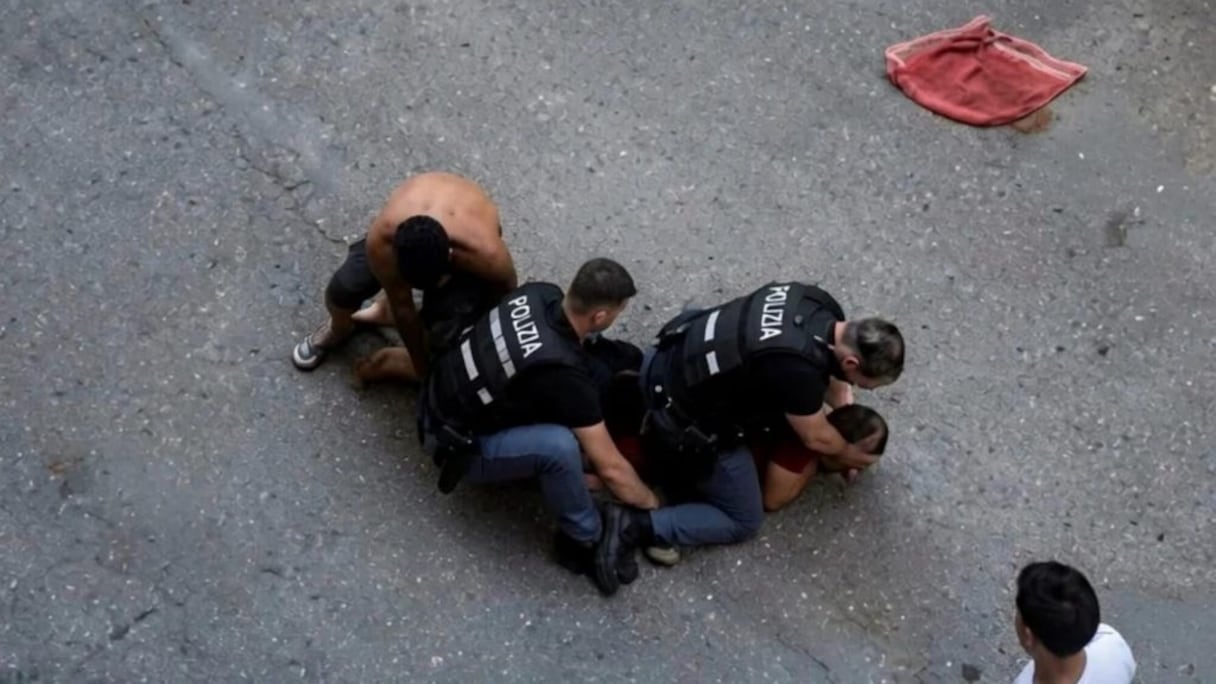
He said that with Fakir handcuffed and his feet restrained, the victim could not have posed a threat warranting prolonged restraint with his face pressed against the ground and his chest immobilized. According to Balzanelli, Italian Interior Ministry protocols allow such a position to be maintained only for a few seconds.
The emergency physician also rejected the hypothesis that resuscitation efforts themselves could have caused the asphyxia. He said Fakir suffered cardiac arrest while being subjected to pressure by police officers and became unresponsive, with no intervention for one minute and 35 seconds, a period he said was documented by surveillance footage.
Read also : Family demands truth and justice as death of Abderrahim Fakir during arrest by Italian police sparks outrage
The resuscitation procedures subsequently performed by emergency responders do not cause asphyxia, he said, except in cases involving rib injuries or pleural perforations, which he considered unlikely.
Balzanelli also raised questions about the emergency response, particularly why the 118 emergency service did not dispatch a doctor to the scene from the outset. He cited several possible explanations, including an underestimation of the seriousness of the situation, a shortage of available medical personnel or insufficient clarity in the information provided by police. An audit of the initial emergency call would be necessary to determine what happened, he said.
He noted that Fakir’s condition subsequently deteriorated without his oxygen saturation being measured, something he said should have provided an objective basis for urgently dispatching a doctor.
“Any psychomotor agitation constitutes a medical emergency,” Balzanelli said, pointing to the risks of hypertension, stroke and ventricular arrhythmia. He argued that a doctor should systematically be dispatched whenever physical restraint is prolonged.
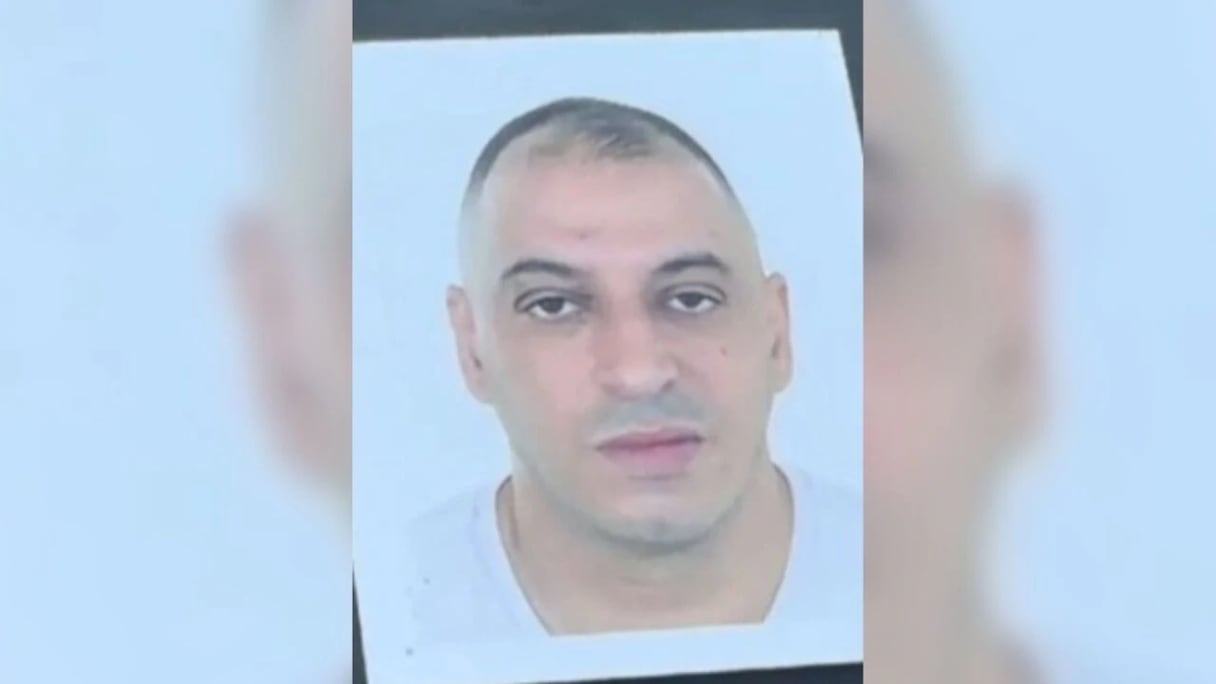
Abderrahim Fakir, a 42-year-old Moroccan who arrived in Italy at the age of five, died on July 19 after being pinned to the ground by two police officers during his arrest in Bologna.
Preliminary autopsy findings showed lungs filled with blood and extensive areas of hemorrhagic infiltration caused by pressure to the back, findings Anselmo previously described as presenting a picture of “violent mechanical asphyxia caused by dorsal compression.”
Read also : Abderrahim Fakir Case: autopsy reveals “Hemorrhagic infiltrations on the back” as investigation continues
The findings were also deemed consistent by Francesco Maria Caruso, former president of the courts of Reggio Emilia and Bologna, who said they appeared to rule out “any justifying circumstance” for the death.
Anselmo has also filed a request for the investigation to be taken away from the police department to which the two officers involved belong. He cited a ruling by the European Court of Human Rights requiring an independent investigation when law enforcement officers are implicated.
Twenty-two days after Fakir’s death, his remains are still being held in Italy, while his family in Casablanca continues to call for his body to be repatriated as soon as possible.
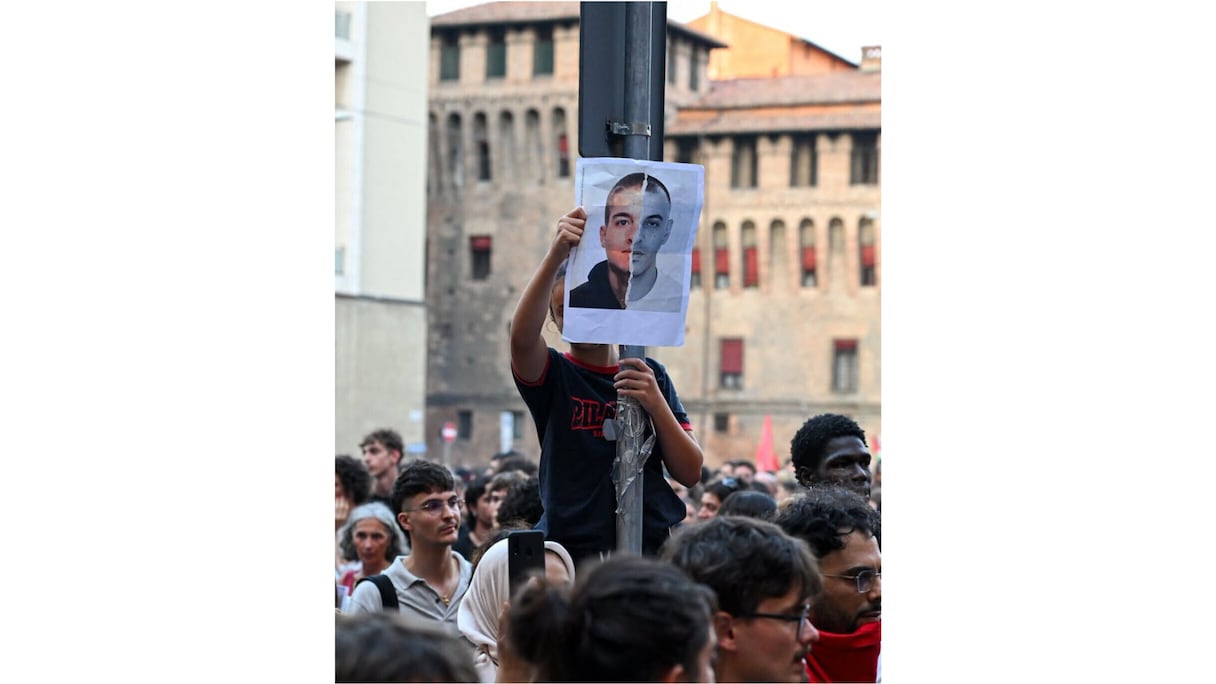
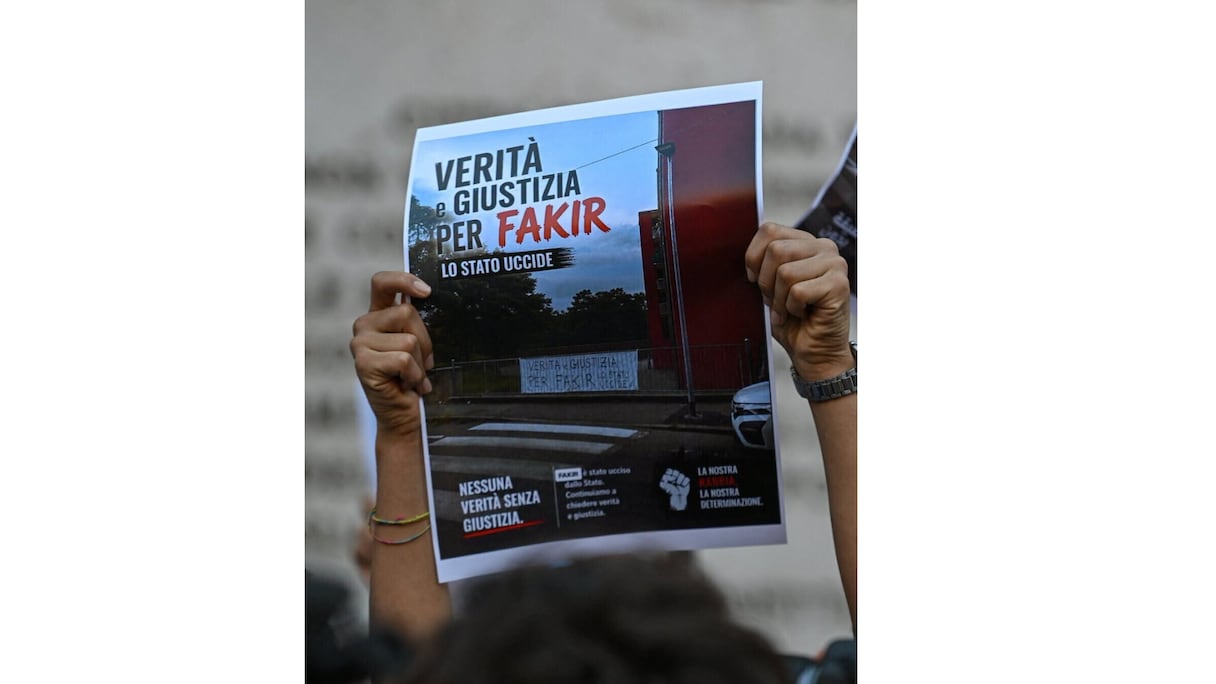
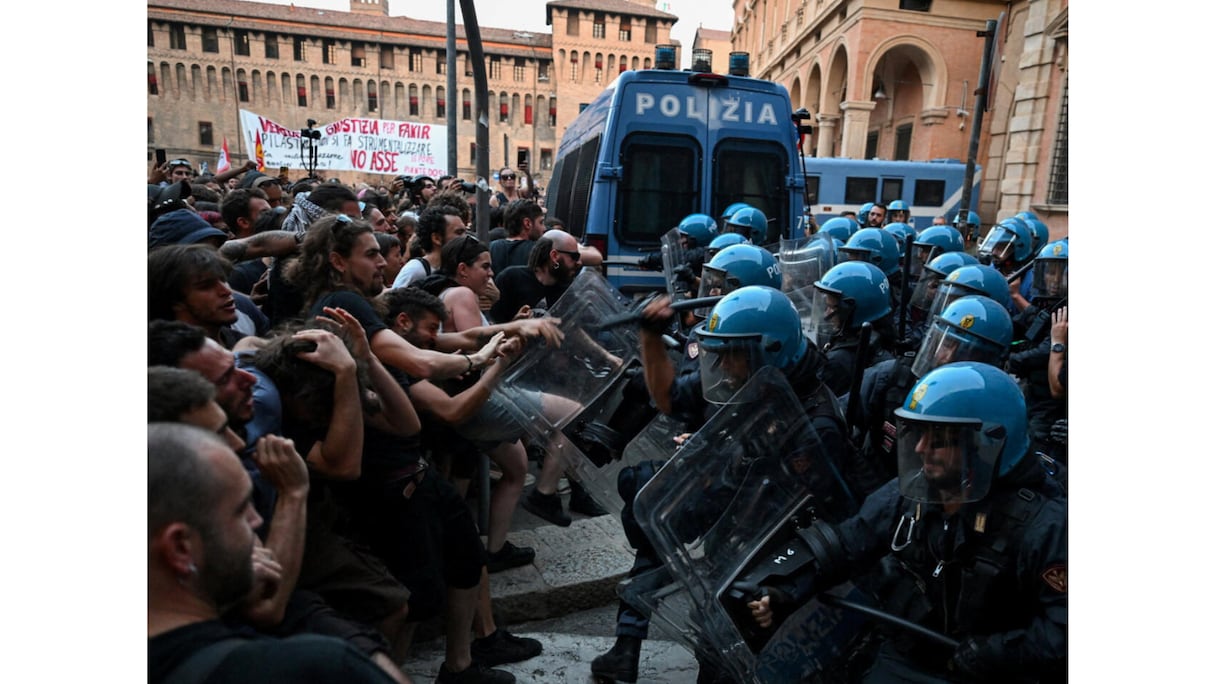
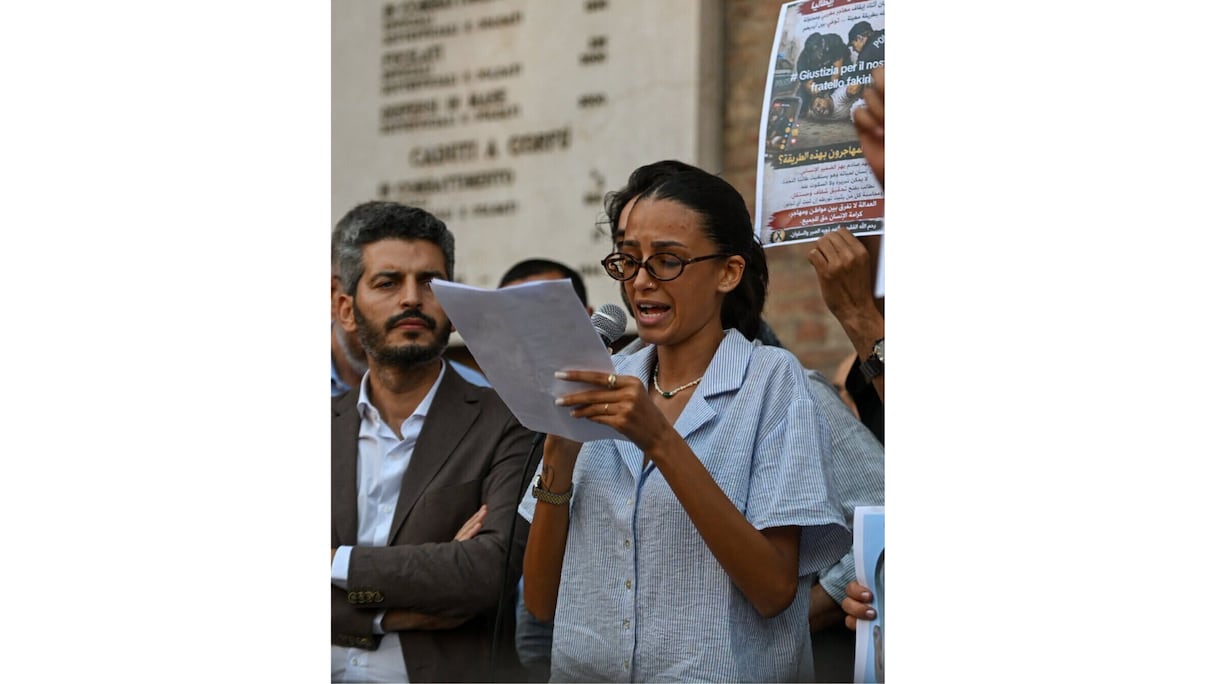
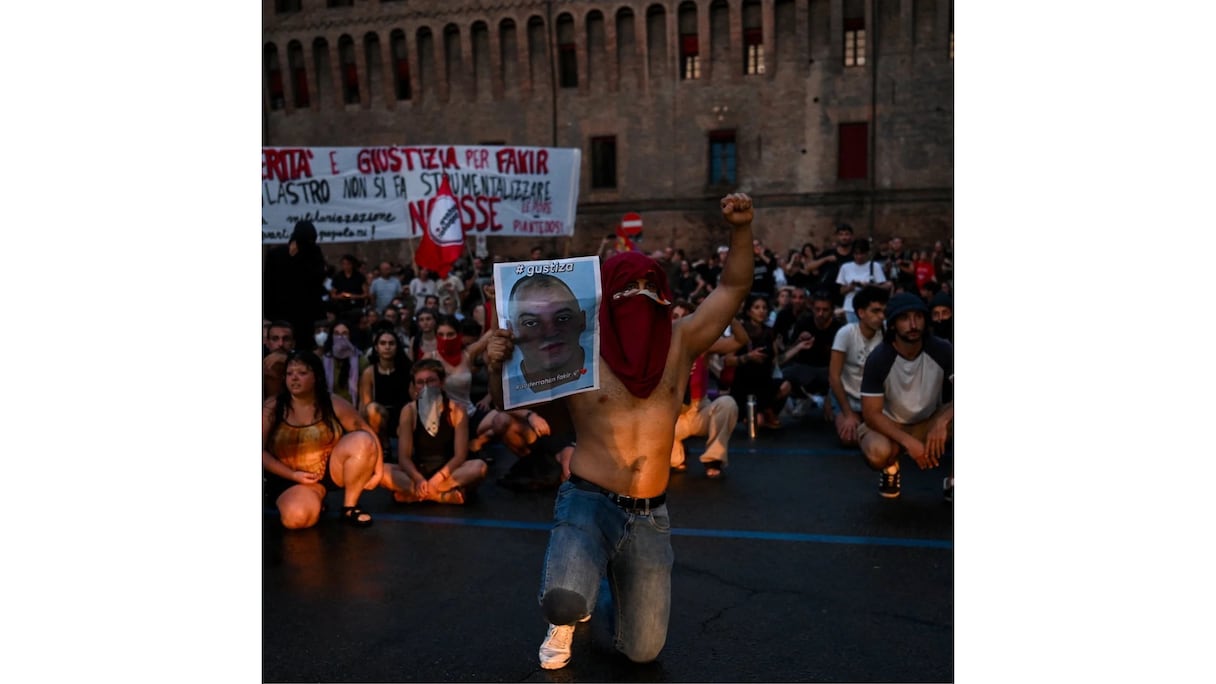
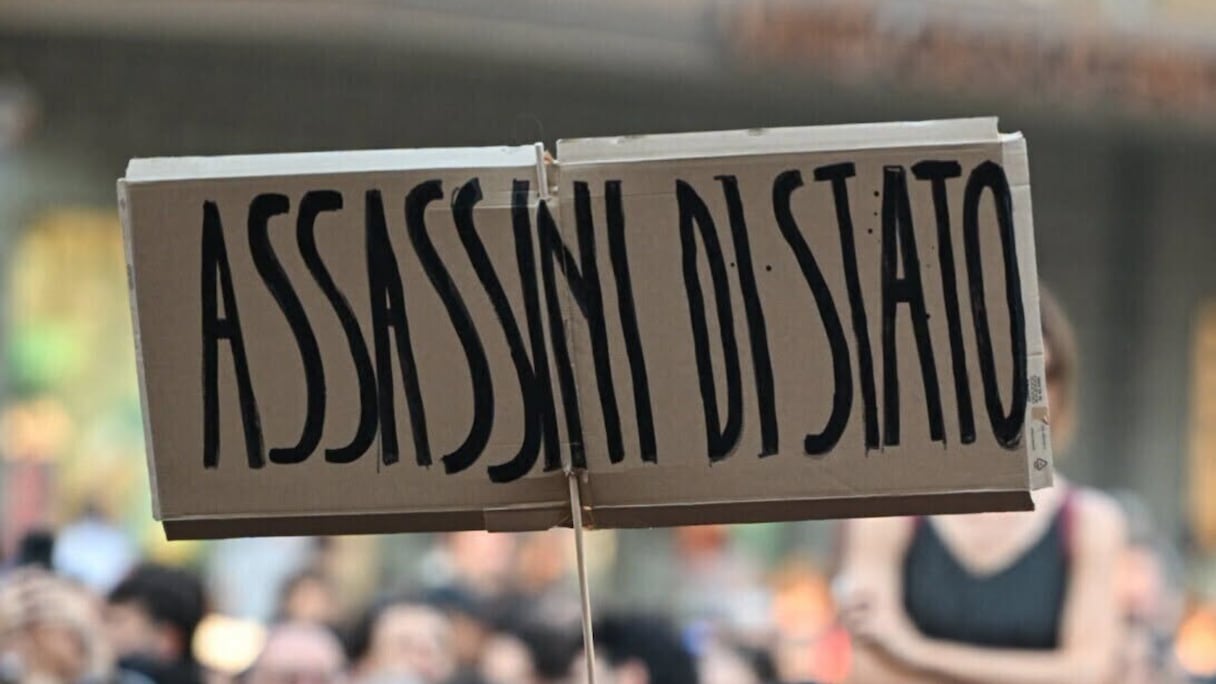
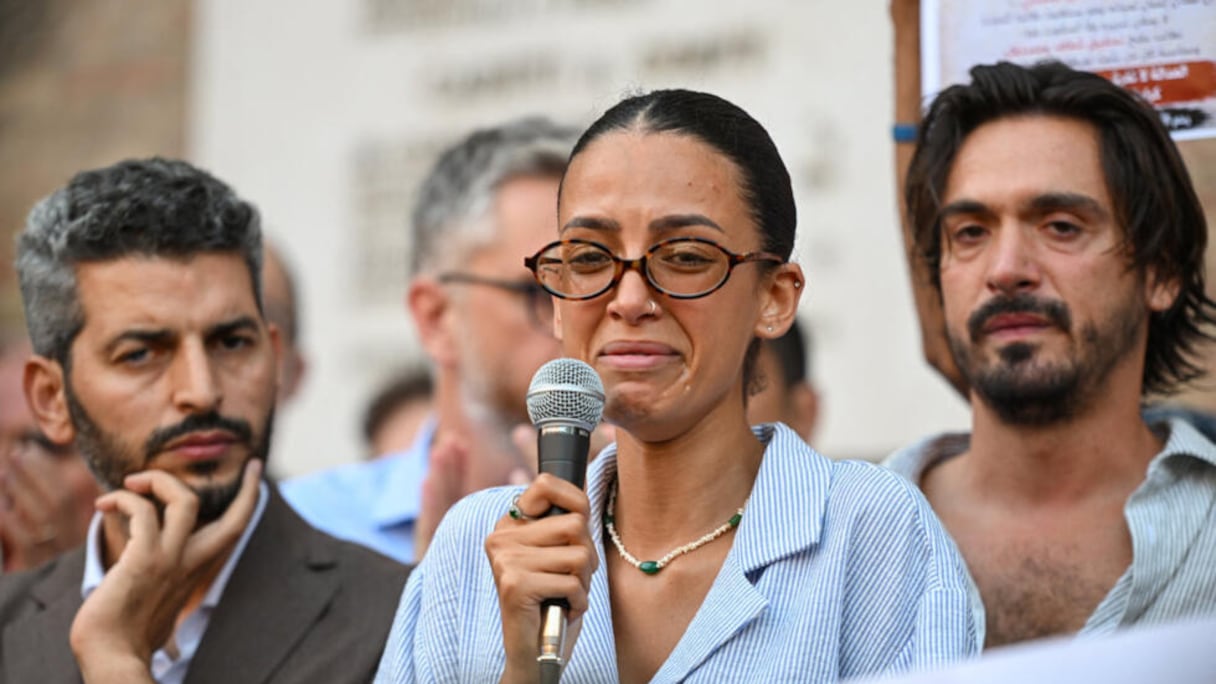
A portrait of Abderrahim Fakir during a demonstration organized following his death on July 20, 2026
