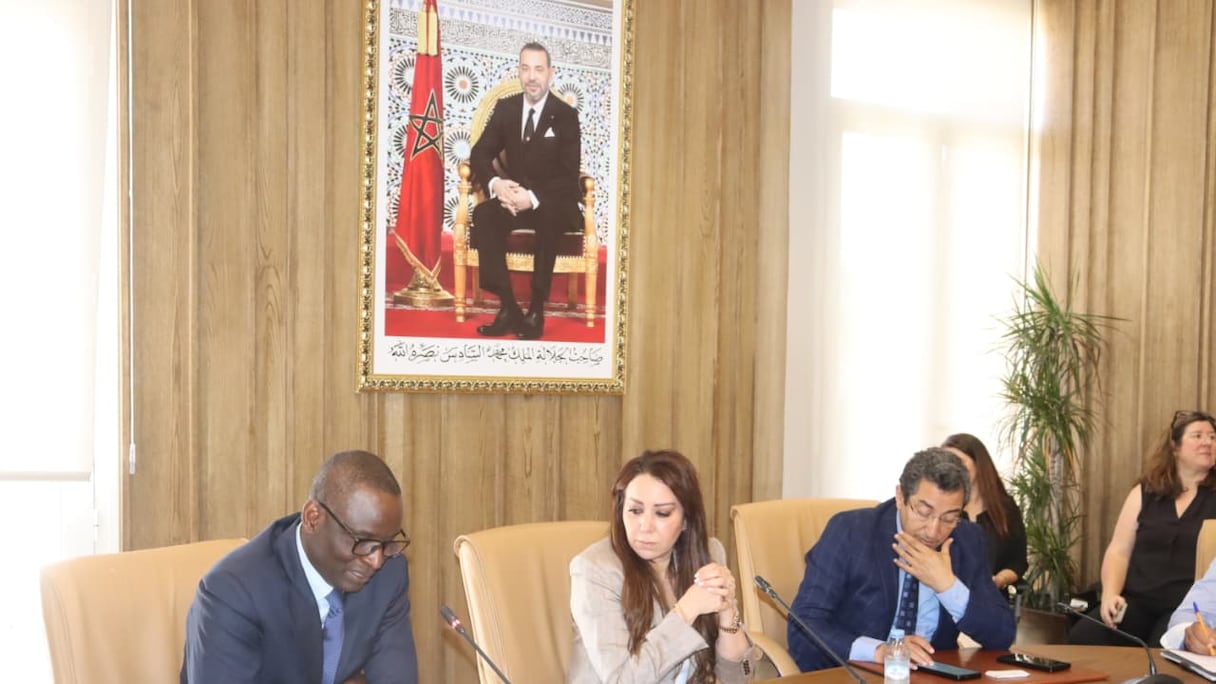
The municipality of Casablanca has officially begun work on its Climate Plan, a strategic initiative being developed with the support of the World Bank.
Part of the city’s 2023–2028 municipal action plan, the project reflects Casablanca’s ambition to combine environmental transition, urban resilience and sustainable development for the benefit of more than three million inhabitants. The city also intends to capitalize on its membership in the C40 Cities network to incorporate international best practices in climate action.
Read also : ‘Amane’ and ‘Madar’: Moroccan-engineered AI patrol vehicles hit the streets
Led by Casablanca City Council President Nabila Rmili and Vice President for International Cooperation Abderrahim Outass, the roadmap aims to reduce the city’s carbon footprint while guiding future priority investments. The Climate Plan will cover all major areas of urban management, including mobility, water and waste management, energy efficiency, urban planning, infrastructure and biodiversity conservation.
Following the official launch on July 3, 2026, municipal teams and World Bank experts began collecting data and conducting sector-specific assessments.
The first interim findings are expected to be presented by the end of September 2026, paving the way for the completion of Casablanca’s broader climate strategy.