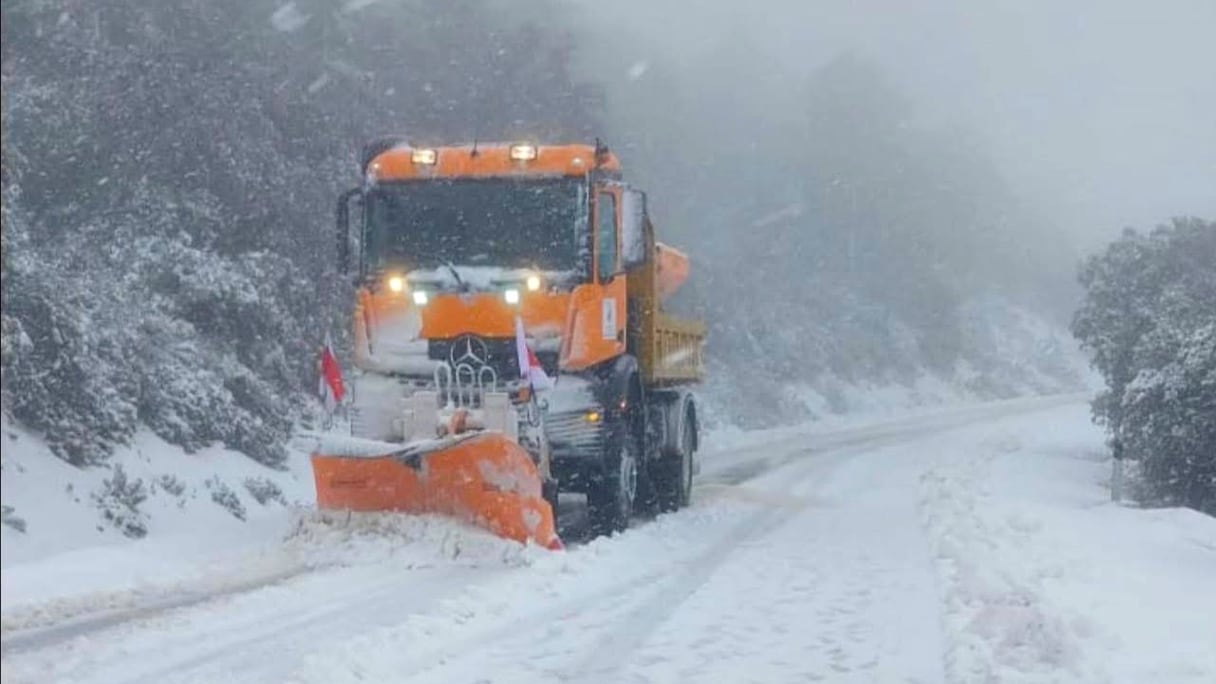
According to informed sources, provincial governor Zakaria Hachlaf chaired an expanded meeting at the provincial headquarters on Thursday, October 29, 2026, to assess the readiness of the various departments and stakeholders involved. Discussions focused on preventive measures to protect residents and property, maintain essential services and prevent mountain and rural communities from being cut off by bad weather.
The meeting was held in line with King Mohammed VI’s commitment to protecting citizens and their property, and in response to directives from the Interior Ministry. It also followed up on recommendations from an initial provincial meeting held on September 7, with the aim of moving from planning to the implementation of preventive measures on the ground.
The meeting brought together members of Parliament from the province, local authorities, security service representatives, heads of local councils and officials from decentralized government departments and relevant institutions. The gathering was intended to strengthen coordination and ensure that all stakeholders are prepared for potential risks.
Heavy rainfall poses risks across the province
Chefchaouen and its surrounding areas are among Morocco’s most rain-prone provinces, making winter preparations particularly important. The province’s rugged mountainous terrain, large rural territory and scattered settlements, combined with its varied landscape of highlands, valleys and coastal areas, make it vulnerable to severe weather.
Heavy rainfall can lead to road and track closures, landslides, soil erosion and flash floods. It can also make it difficult for emergency and rescue teams to reach some villages.
The meeting also provided an opportunity to review lessons from the severe weather that affected the province last winter. Several areas experienced road closures, collapses and soil erosion on a scale not seen in years. The events also exposed weaknesses in some infrastructure and highlighted difficulties with transportation and access to essential services.
The governor called for a region-specific approach that takes into account the particular risks facing each area, with resources directed toward the most vulnerable locations. In mountainous areas, particularly Bab Berred, Bab Taza, Talmobt and communities near Talassemtane National Park, the main concerns include landslides, falling rocks, soil erosion and road closures.
In areas crossed by rivers and streams, priorities include monitoring bridges, crossings and other infrastructure, as well as preventing flash floods, particularly along routes used by residents and schoolchildren.
Coastal areas also require specific measures. In Jebha, Kaa Asras and Steha, where heavy rainfall may coincide with rough sea conditions, authorities are expected to step up monitoring of roads, drainage networks and infrastructure exposed to damage.
Keeping remote villages accessible
Preventing mountain and rural communities from becoming isolated was a central issue at the meeting. The governor stressed that the success of the mobilization should not be measured solely by the resources allocated, but by the actual impact on residents’ safety and living conditions.
Priorities include repairing damaged roads and tracks, maintaining bridges and crossings, keeping school transport services running, and ensuring continued access to drinking water, electricity and telecommunications. Authorities also aim to facilitate access to healthcare facilities, markets and other essential services.
Particular attention will be given to villages at risk of isolation and settlements with vulnerable infrastructure or limited telecommunications coverage. Residents’ complaints and reports will also be used to identify problems and determine which areas require urgent intervention.
Preventive measures and emergency response
At the operational level, authorities stressed the need to identify road sections at risk of closure and position machinery and emergency equipment near vulnerable areas in advance. This should help reduce response times when severe weather strikes.
Planned measures include clearing riverbeds, streams, storm drains and rainwater channels, maintaining infrastructure, and monitoring slopes, retaining walls and locations vulnerable to collapse.
Authorities also called for an inventory of fragile buildings and homes threatened by flooding or landslides, updated lists of households at risk, and preparations for temporary accommodation and evacuation where necessary.
The instructions also highlighted the need to identify people requiring special medical or social assistance. These include patients who need regular treatment, pregnant women, older people and people with disabilities, particularly in areas that could become inaccessible during severe weather.
Tourist and natural sites are also covered by the preventive plan. Authorities will monitor mountain trails and areas around waterfalls and riverbeds, and take precautionary measures, including restricting access to dangerous locations when necessary.
Local councils under pressure to deliver
On the mobilization of local stakeholders, the governor stressed the responsibility of local councils for maintaining roads and facilities under their jurisdiction, clearing drainage networks, addressing identified trouble spots and deploying available staff and logistical resources.
He said preventive action must come before damage occurs, adding that effective local management depends on a sustained presence on the ground, constant vigilance and swift action to address problems.
Local authorities were also instructed to step up field visits, check the readiness of emergency equipment and maintain direct coordination with council heads and technical departments. They must provide the provincial administration with accurate, up-to-date information on vulnerable areas, measures already taken and obstacles encountered.
Addressing damage and reducing vulnerability
The meeting also looked beyond immediate emergency measures to address the underlying weaknesses that leave some communities more exposed to extreme weather.
Discussions highlighted the need to strengthen infrastructure, improve drainage networks, stabilize slopes, upgrade roads and tracks with major social and economic importance, and protect settlements at risk.
Authorities also called for closer coordination with institutional partners to include the most urgent needs in infrastructure and development programs. The aim is to reduce regional disparities and improve the ability of mountain and rural communities to withstand extreme weather events.
The meeting also stressed the importance of improving early-warning, monitoring and reporting systems, as well as updating information on vulnerable locations and villages at risk of isolation.
Authorities called for stronger communication with residents, elected officials and civil society organizations to ensure that reports of damage and potential hazards reach the relevant departments quickly and can be addressed without delay.
The plan also includes keeping residents informed about weather developments and road conditions, distributing safety advice and paying particular attention to remote communities with limited access to communication services.
Coordinated efforts to protect residents
The meeting in Chefchaouen reaffirmed that protecting lives and property, keeping villages accessible and maintaining essential services are the main priorities for the province during the winter season.
Authorities stressed that recommendations must be translated into concrete field measures, with clear responsibilities and deadlines, and that implementation must be subject to continuous monitoring and evaluation.
The success of the preparations, they said, will not be measured by the number of meetings held or the amount of equipment mobilized, but by the ability of the different stakeholders to anticipate risks, respond promptly and limit the impact of severe weather on residents’ daily lives.
The main challenge now is to ensure that the winter season passes safely and that lessons from previous years lead to lasting improvements in residents’ safety and living conditions, particularly in the most vulnerable mountain and rural communities.
