The share of people with moderate disabilities has risen to 8.7%, from 6.8% in the last national survey in 2014, according to an official study released on Thursday.
The 2026 study covered 20,412 households over nine months and found that 29% of families have a member with a disability.
Men accounted for 46% of people with disabilities identified in the survey.
The results were presented in Rabat by the State Secretariat in charge of people with disabilities. The household sample was provided by the High Commission for Planning (HCP).
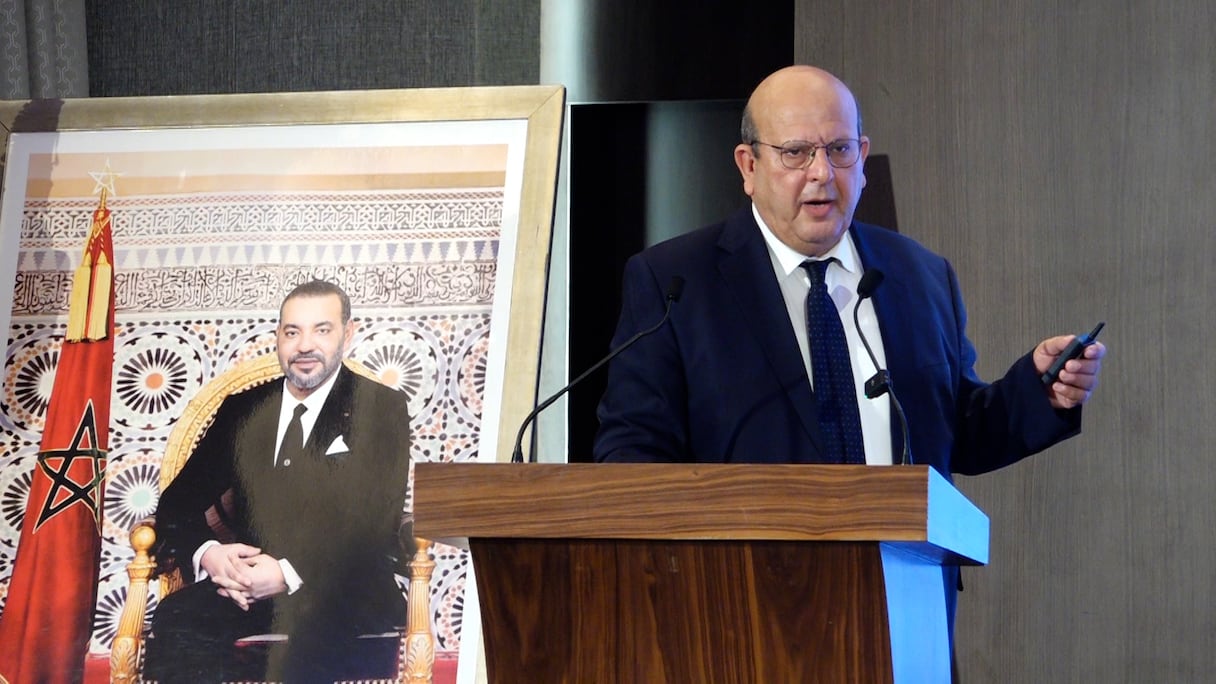
Abdeljebbar Rachidi, Secretary of State in charge of people with disabilities, said the 8.7% rate covers moderate disabilities, including those related to mobility and visual impairment.
The study also included autism for the first time, he said.
Based on a population of 40 million, the 8.7% rate would correspond to about 3.4 million people, according to the study.
The prevalence varied sharply between regions.
Béni Mellal-Khénifra recorded the highest rate at 14.2%, followed by Fès-Meknès at 12% and Tanger-Tétouan-Al Hoceïma at 11.7%.
Rabat-Salé-Kénitra stood at 10.4%, followed by the Oriental at 9.1%, Marrakech-Safi at 7.9% and Guelmim-Oued Noun at 7.6%.
The rates were lower in Laâyoune-Sakia El Hamra at 6.5%, Souss-Massa at 6.2% and Drâa-Tafilalet at 5.9%.
Casablanca-Settat recorded 4.6%, while Dakhla-Oued Ed-Dahab had the lowest rate at 2.4%.
Rachidi said the study was conducted in line with standards used by international organizations, including UNICEF, and would be used in preparing public development policies.
A total of 247 investigators working in 47 teams carried out the survey using a questionnaire containing 300 questions.
The study also found that severe disabilities accounted for a relatively limited share of the population covered.
