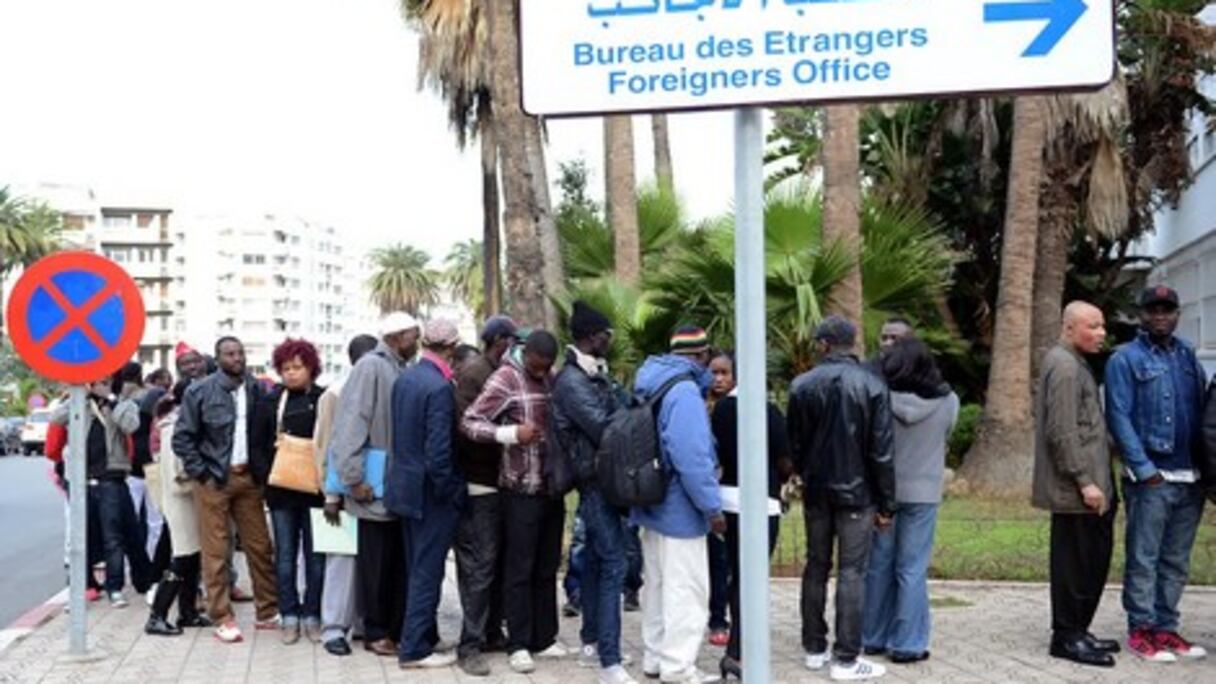
The same source noted that “the significance of these figures goes beyond the increase in the number of foreign residents, extending to what they reveal about the changing reality of migration in Morocco. While the Kingdom continues to play its role as a transit country, it is also emerging as a country of settlement for groups of foreigners with diverse origins, different circumstances and varied migration paths.”
According to the council’s report, these residents come from diverse geographic backgrounds, have different administrative statuses and levels of qualification, and have varying degrees of integration into Moroccan society.
Their paths to settlement also differ. While some work in sectors that rely heavily on foreign labor, others pursue their studies, develop business ventures or work in professional fields such as services, health, education and social work.
The council noted that in most cases, residence in Morocco is not linked to employment or family reunification, with the two reasons accounting for nearly 74% of recorded cases. Reasons explicitly linked to the effects of climate change, the same source added, remain extremely limited, accounting for just 0.3% of all declarations. However, according to the International Organization for Migration, they are increasing along the main migration routes across Africa, prompting the council to call for this dimension to be incorporated into forward-looking approaches.
The same source reported that foreign residents in Morocco are concentrated primarily in the country’s major urban and economic centers. The Casablanca-Settat, Rabat-Salé-Kénitra, Souss-Massa and Marrakech-Safi regions account for a significant share of this population, reflecting the close link between migration, the attractiveness of different regions and the economic opportunities they offer.
The council said this concentration is part of broader spatial changes marked by continued urban expansion and the growing demographic weight of major regions within Morocco’s national population.
The same source added: “As more people become concentrated in urban areas, the need for housing, transportation, services close to residents and public infrastructure increases. While these changes affect the population as a whole, the presence of foreign residents makes their effects and challenges more visible in areas receiving these populations.”
