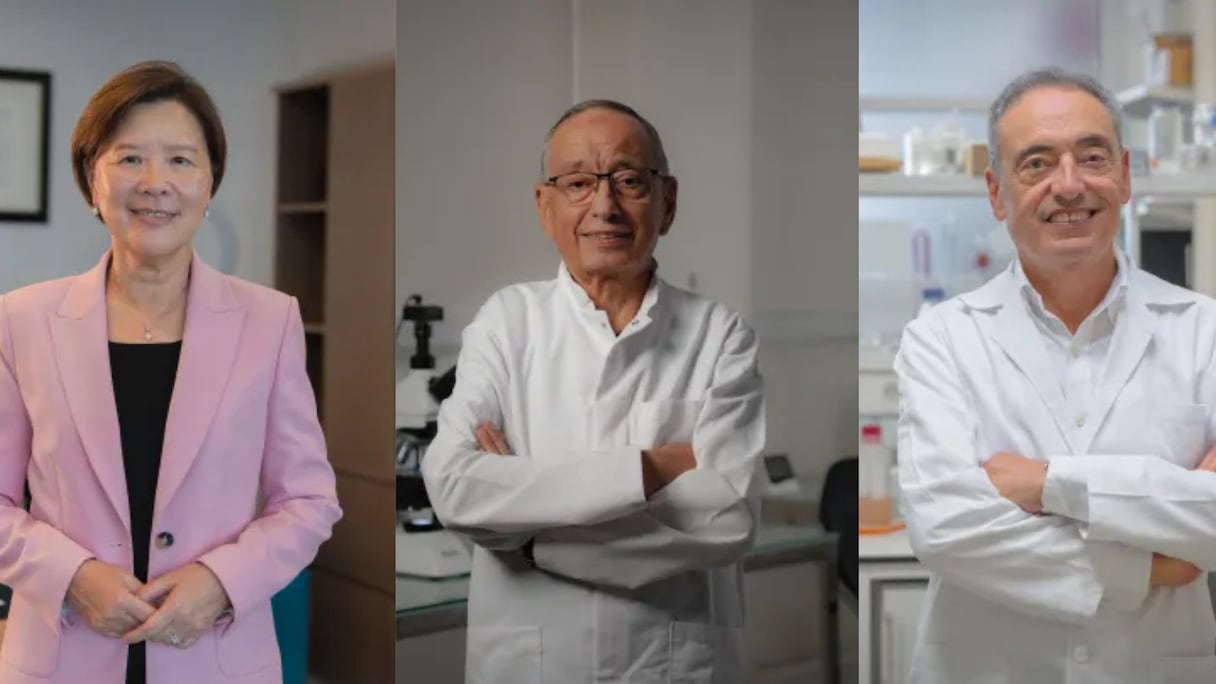
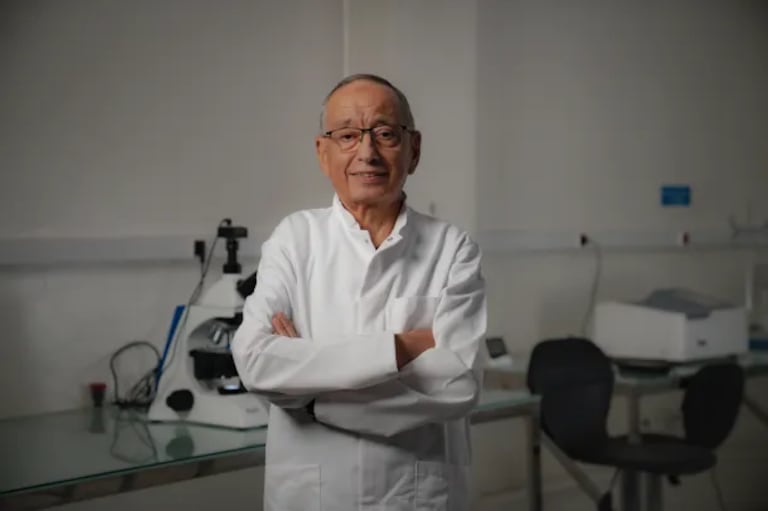
A professor at Sidi Mohamed Ben Abdellah University in Fez, Remmal was selected alongside Chinese neuroscientist Nancy Yuk-yu Ip and Spanish scientist Carlos Martín Montañés for the prize’s tenth edition, UNESCO announced on November 2. The three were selected for research addressing major health challenges, including Alzheimer’s disease, tuberculosis and drug-resistant infections.
Remmal’s work focuses on antimicrobial resistance, a major public health challenge. His research led to the development of OLIPEN®, an antibiotic combined with an essential oil component. UNESCO says the product has been approved for clinical use and is offering new treatment prospects to patients in Morocco facing multidrug-resistant infections.
He has also developed natural alternatives to antibiotics for livestock farming. The research aims to reduce antibiotic use in animal production while supporting safer and more sustainable food production.
The other two laureates were recognized for advances in neuroscience and tuberculosis research. Ip, president of the Hong Kong University of Science and Technology, was honoured for discoveries that have improved understanding of brain function and Alzheimer’s disease. Her work includes identifying new biomarkers and genetic risk factors, developing blood tests for earlier diagnosis and monitoring, and exploring gene therapy approaches to neurodegenerative diseases.
Montañés, a professor at the University of Zaragoza, received the award for his contribution to the clinical development of the first live attenuated tuberculosis vaccine derived from Mycobacterium tuberculosis. The research has reached Phase III clinical evaluation, a significant stage in the development of a vaccine intended to help prevent the disease, particularly in Africa.
Read also : Moroccan NGO Project Soar wins UNESCO prize for girls’ education
The three scientists will share a prize of $300,000 and each receive an “Integración Tribal” statuette by Equatorial Guinean artist Leandro Mbomio Nsue. The award ceremony will take place on November 6 at UNESCO headquarters in Paris.
The laureates were selected by an international jury of five scientists: Moroccan professor Rajaâ Cherkaoui El Moursli, Mexican researcher Rossana Arroyo Verastegui, Uzbek scientist Dilfuza Egamberdieva, Professor Appolinaire Djikeng of the United States and Togolese professor Kodjo Agbossou.
Established in 2008 by UNESCO’s Executive Board, the UNESCO-Equatorial Guinea International Prize for Research in the Life Sciences recognizes scientific contributions that advance knowledge and support sustainable development.
