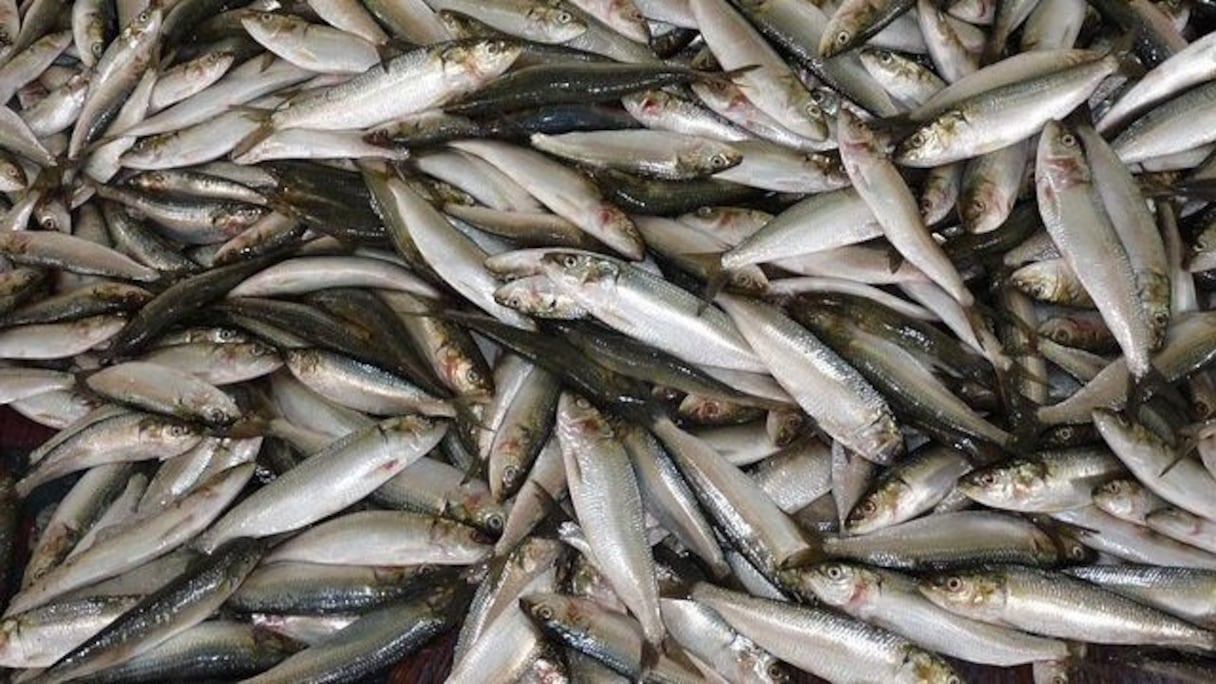
Moroccan sardines are not affected by the mass deaths being reported off South Africa, fisheries authorities said, pointing out that the fish in the two countries are different species living in separate marine ecosystems.
The clarification came after reports of large numbers of South African pilchards dying and the detection of genetic material from Pilchard herpesvirus, or PHV, in fish examined there.
The South African fish are Sardinops sagax, found in the Benguela Current ecosystem.
The sardines caught here are Sardina pilchardus, or European sardines, found in the Canary Current ecosystem and the Mediterranean.
“The presence of a virus in the South African species does not allow us to conclude its presence in the European sardine,” the State Secretariat for Maritime Fisheries said, citing the National Fisheries Research Institute (INRH).
PHV has never been detected in Sardina pilchardus, it added.
The department also ruled out a risk to consumers. PHV affects fish and there is currently no scientific evidence that it can infect humans.
South African authorities have similarly said that detection of the virus does not mean sardines being sold fresh or in cans are unfit for consumption. Nor has the virus been established as the sole cause of the deaths.
PHV has been found in both dead South African sardines and apparently healthy fish, although at different viral loads.
Investigators are therefore also looking at environmental factors, including low oxygen levels, changes in water temperature and other oceanographic conditions.
South African authorities are still investigating what caused the mortality event and what role, if any, the virus played.
The fisheries department said Morocco monitors emerging health risks to fish stocks and can order sampling and targeted tests when unusual deaths, lesions or abnormal behavior are reported.
It also assesses health risks before authorizing the introduction or transfer of aquatic animals.
PHV is not currently listed by the World Organisation for Animal Health as a disease subject to mandatory reporting.
