The presentation note accompanying the Finance Bill details the reconstruction and comprehensive upgrading program for areas hit by the earthquake. The program was launched on royal instructions in the aftermath of the disaster. It runs for five years, from 2024 to 2028, and covers around 4.2 million people across six provinces and one prefecture.
The program has two main components. The first focuses on rebuilding homes that were fully or partially destroyed and rehabilitating damaged infrastructure. It has a budget of around 22 billion dirhams, financed through the Special Fund for Managing the Effects of the Earthquake, and aims to rebuild or reinforce around 60,000 homes. The second component is an integrated development plan for the affected provinces, with a budget of 98 billion dirhams.
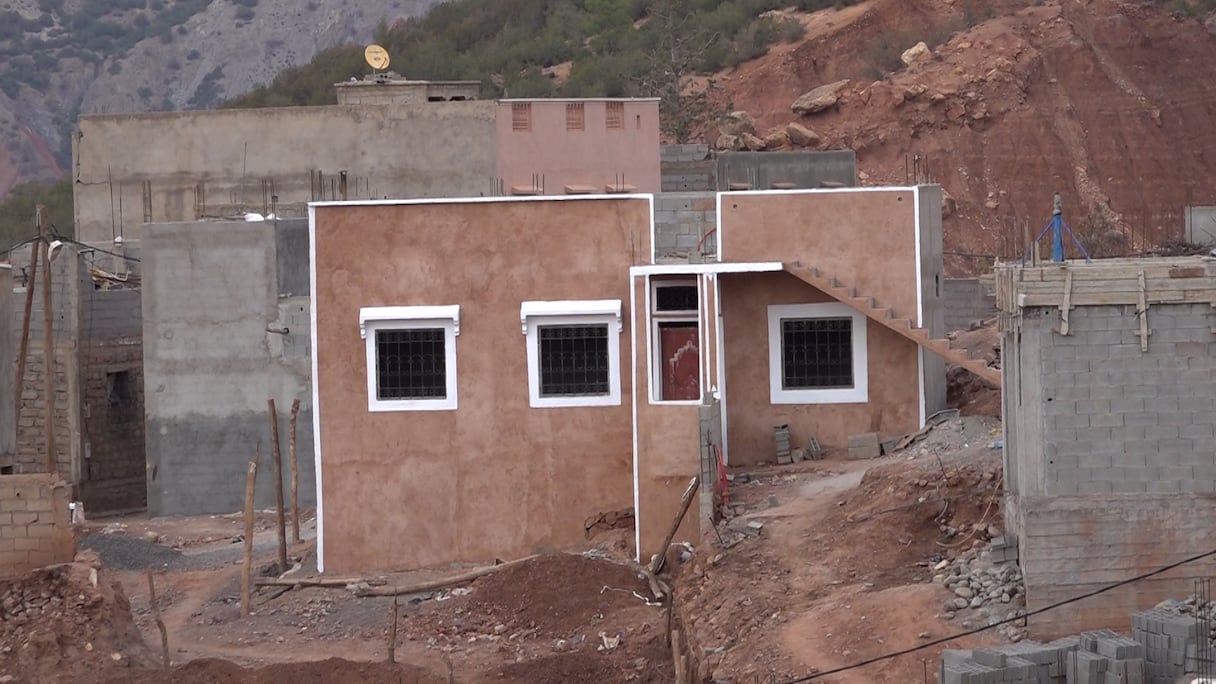
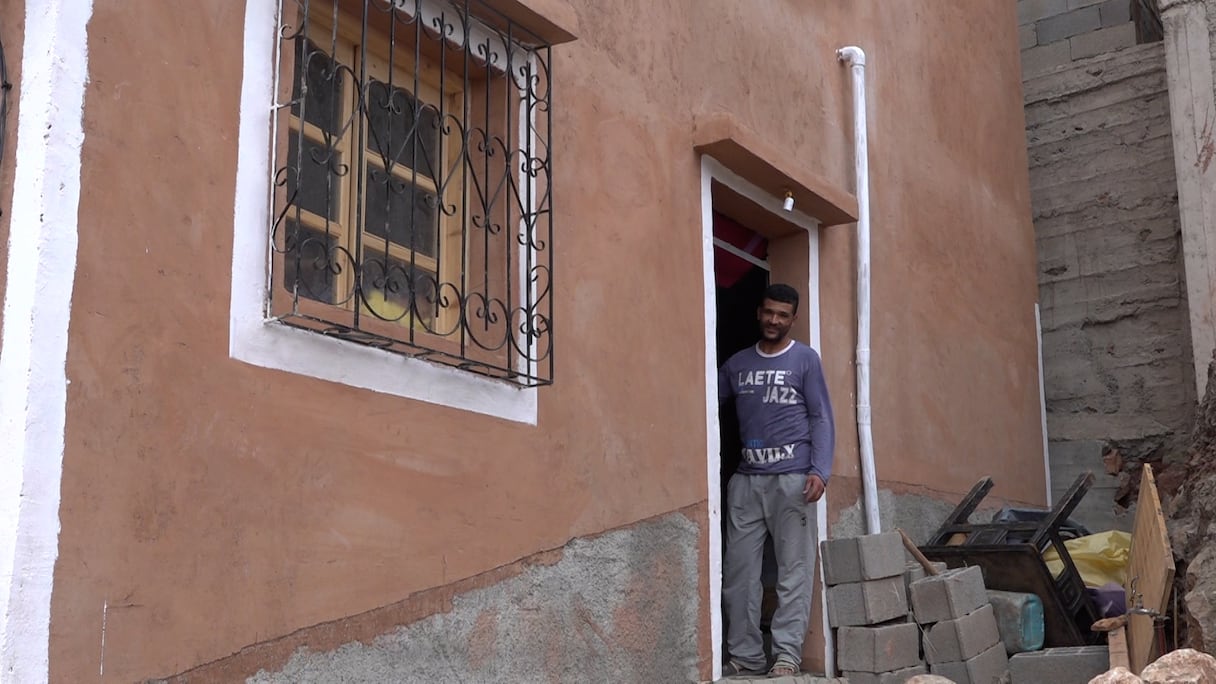
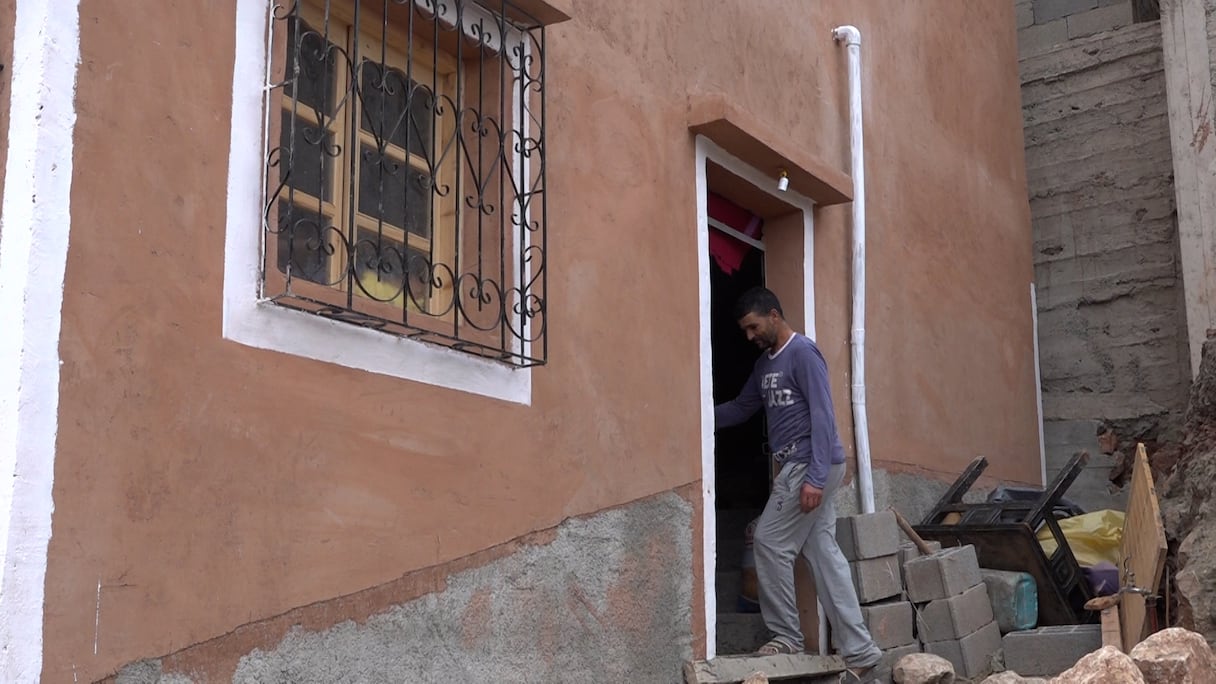
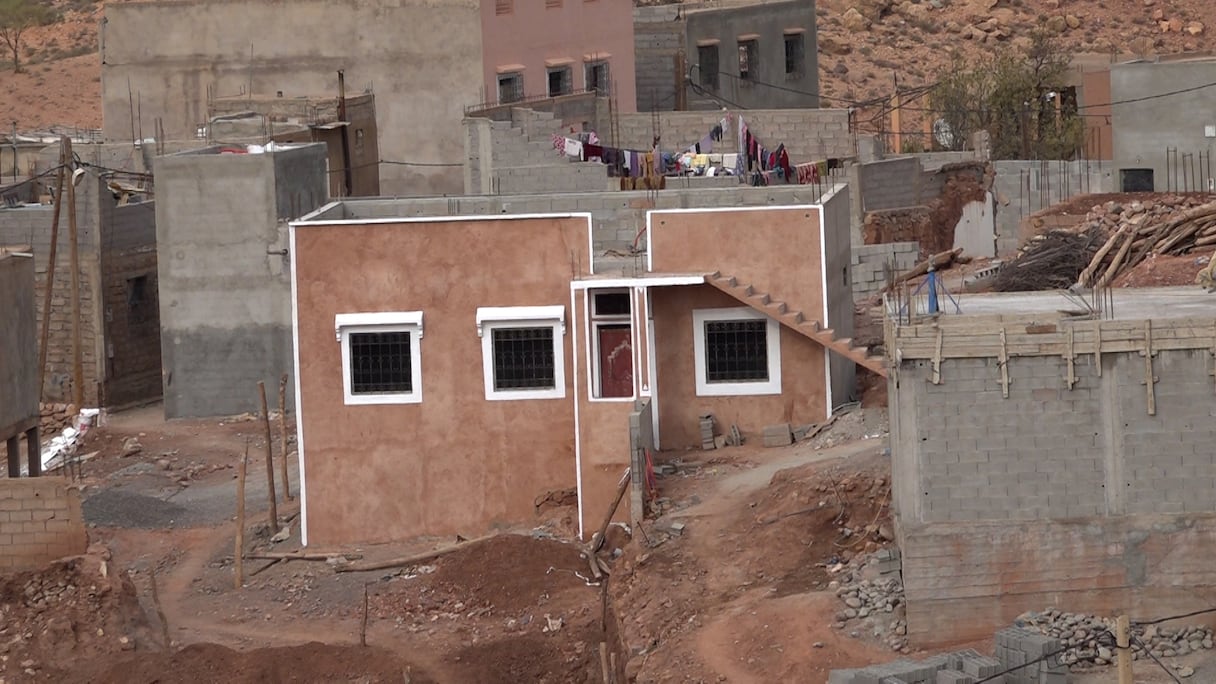
Rebuilt homes in Asni, in the Al Haouz region. (M. Marfouk/Le360)
The second component aims to modernize the economic and social infrastructure of these areas. Projects cover housing, roads, drinking water and sanitation, rural electrification, healthcare, education, agriculture, and the preservation of religious and spiritual heritage. As of August 31, 2026, work had been completed on 52,794 homes, representing 91.15% of the rehousing program. Another 5,126 projects were still underway.
Direct assistance is administered by the National Pension and Insurance Fund (CNRA), which acts as a delegated manager. By September 15, 2026, the state had transferred around 8.108 billion dirhams to the fund. The amount disbursed to families had reached 7,328.73 million dirhams as of August 31. A total of 63,135 families had received the monthly emergency payment of 2,500 dirhams, with total disbursements reaching 2,531.05 million dirhams.
Meanwhile, 5,741 families had received reconstruction grants of 140,000 dirhams each, totaling 765.46 million dirhams paid in four installments. Another 52,256 families had received grants of 80,000 dirhams each to repair homes rendered uninhabitable. These grants amounted to 4,006.14 million dirhams, also paid in four installments.
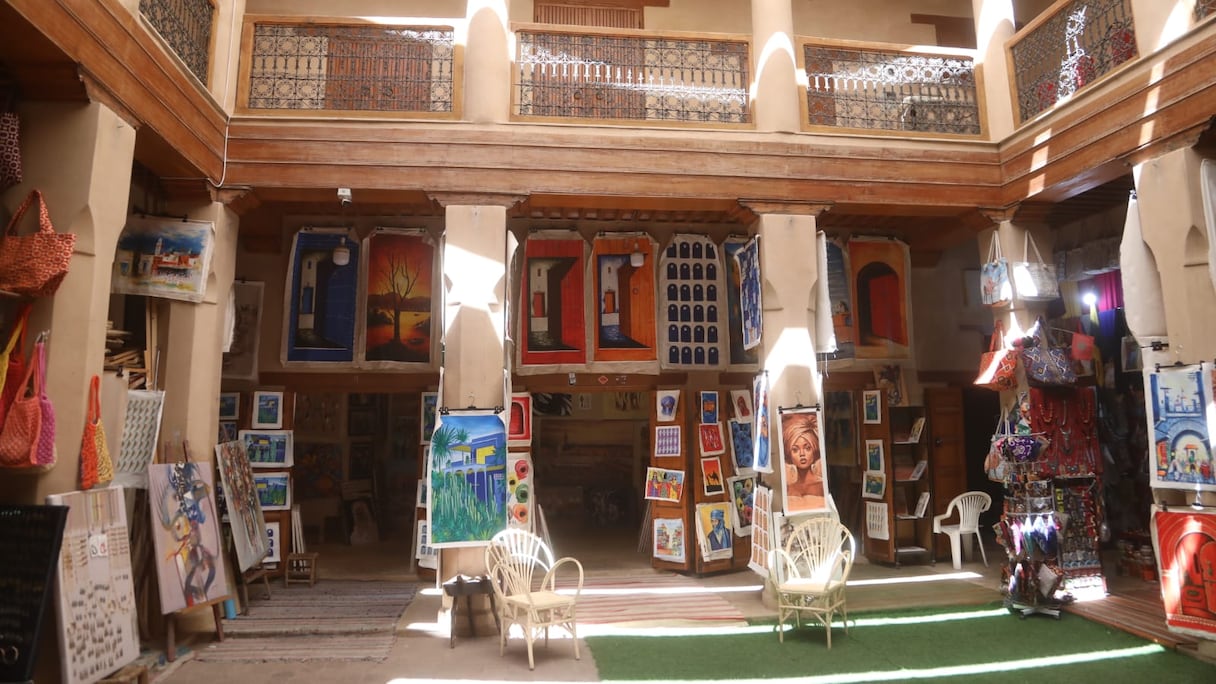
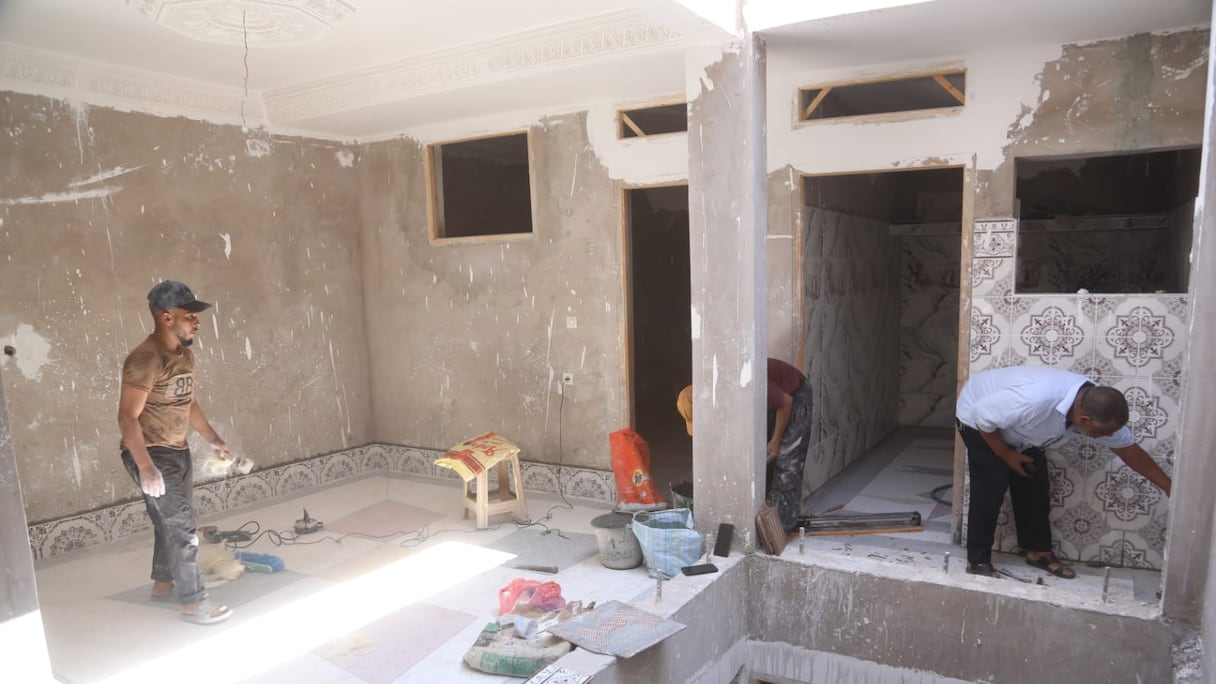
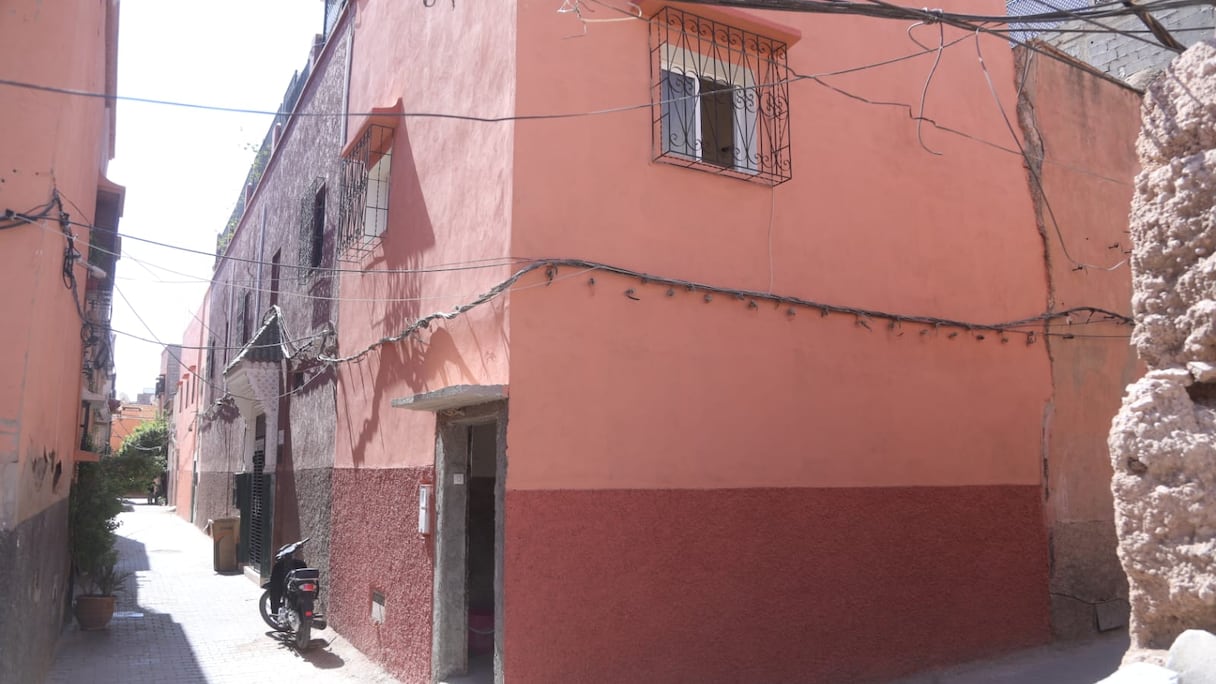
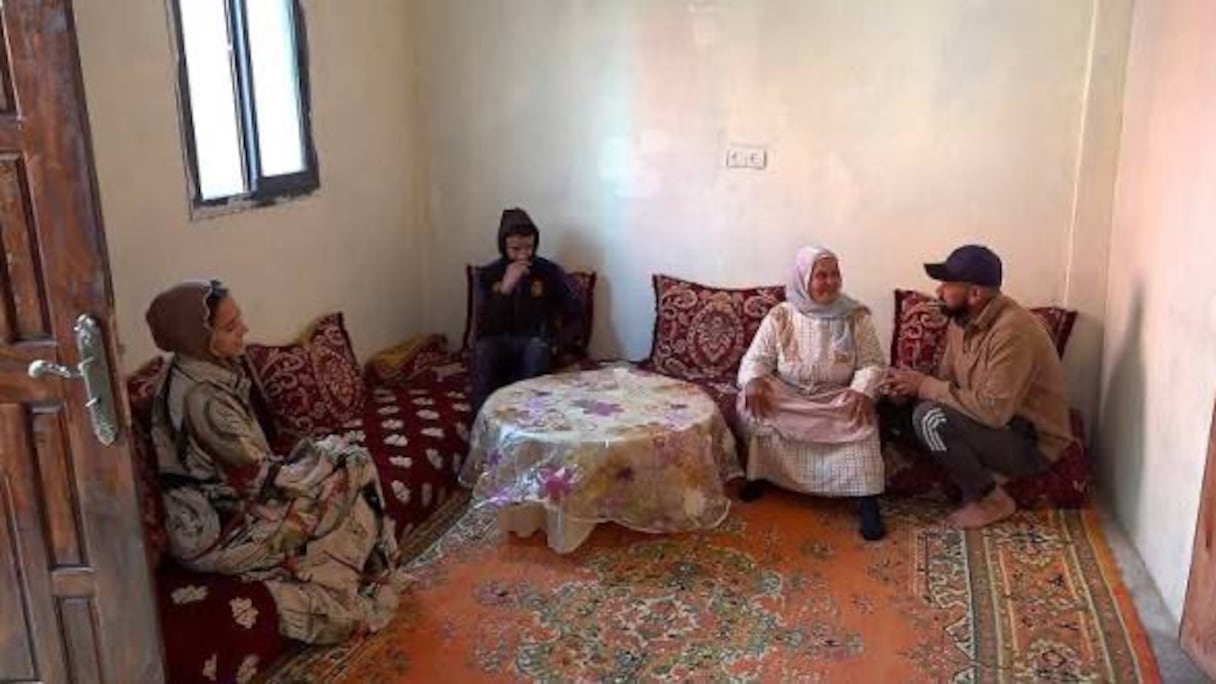
Reconstruction and rehabilitation work on homes partially or completely damaged in Marrakech.
In Marrakech, 326 tenant families living within the medina walls received a one-off grant of 80,000 dirhams each, totaling 26.08 million dirhams. The fund charged the state 10.96 million dirhams in management fees.
By September 15, 2026, emergency operations assigned to government ministries had received 6,424.67 million dirhams from the special fund. Most of these operations were nearing completion. The projects include reinforcing and rebuilding historic sites and monuments, repairing roads, clearing damaged public buildings and schools, purchasing machinery, repairing hydraulic structures and drinking water networks, and rebuilding priority schools and health centers.
The project to establish regional storage platforms for staple goods and essential supplies has secured 4,300.26 million dirhams in commitments. Each region is to have such a platform, which the document describes as a preventive measure for managing natural disasters.
The High Atlas Development Agency at work
The High Atlas Development Agency has been operational since early 2025. It has adopted two action plans worth a combined 6,433.6 million dirhams to rebuild and rehabilitate damaged infrastructure. The latest plan, approved by the agency’s strategic steering council on March 17, 2026, allocates 1,238 million dirhams to four sectors: healthcare, agriculture, infrastructure, and development works and network connections.
The plan includes a level-two rural health center and a dispensary in Chichaoua province; the rehabilitation of 91 kilometers of roads; the maintenance and repair of 19 bridges and other engineering structures; road signs and safety equipment along 34 kilometers of roads; treatment of landslide-prone sections along 76 kilometers; the construction and equipping of 29 processing units; hydro-agricultural development over 38.35 kilometers; and eight water points.
Read also : Dakhla upgrades roads, water and lighting to boost its appeal
The plan also includes 230 kilometers of rural tracks and development work in two douars in Ouarzazate province. These projects are managed through delegated arrangements and partnership agreements with the decentralized services of the relevant ministries. By September 15, 2026, a total of 928.6 million dirhams had been allocated to the agency’s 2025 and 2026 action programs.
The Special Fund in Figures
The special fund’s resources, including carryovers, reached 19.71 billion dirhams in 2023, 20.71 billion dirhams in 2024 and 12.18 billion dirhams in 2025. Expenditure totaled 2.39 billion dirhams in 2023, 8.62 billion dirhams in 2024 and 6.05 billion dirhams in 2025. The fund’s spending ceiling for 2027 is set at 3 billion dirhams.
The National Cultural Action Fund also contributed to reconstruction and rehabilitation in the affected areas, providing 164.89 million dirhams in 2024 and 56.74 million dirhams in 2025.
In the Marrakech-Safi region, the National Agency for Water and Forests is implementing a reconstruction program for affected areas worth an estimated 960.7 million dirhams, with 162.55 million dirhams earmarked for 2027. The program aims to improve access for isolated communities, develop forest products and create local jobs. In Taroudant province, the agency is also carrying out post-earthquake work under a 602 million-dirham project, including 54 million dirhams allocated for 2027. The project aims to protect douars from natural hazards, improve access to them and combat wildfires and erosion.
An agricultural and rural tracks project worth 2.54 billion dirhams, with 171.2 million dirhams allocated for 2027, also supports the agricultural component of the reconstruction program. Road maintenance planned for 2027, with a budget of around 500 million dirhams, includes upgrading road infrastructure in the affected areas.
In 2027, the government will continue emergency operations that are still underway. These include upgrading and modernizing a 64-kilometer section of National Road 7, supporting shopkeepers whose premises were damaged, and rehabilitating affected religious buildings and habous properties. The government will also fund the High Atlas Development Agency’s action plan and complete the regional storage platforms.
