Following the success of the last edition, the 2027 Africa Cup of Nations will be held across three countries for the first time: Kenya, Tanzania and Uganda.
Built around the theme of unity and carrying the slogan “Pamoja,” which means “together” in Swahili, the tournament will adopt a new format in East Africa. Through this three-country hosting arrangement, CAF intends to give the competition a new dimension.
The tournament is scheduled to run from Saturday, June 19 to Saturday, July 17, 2027. However, questions have been raised in recent weeks over the pace of renovation work in the three host countries, fueling speculation about delays and even a possible postponement of AFCON to the winter of 2028.
Read also : Motsepe set to make key decision on 2027 Africa Cup of Nations
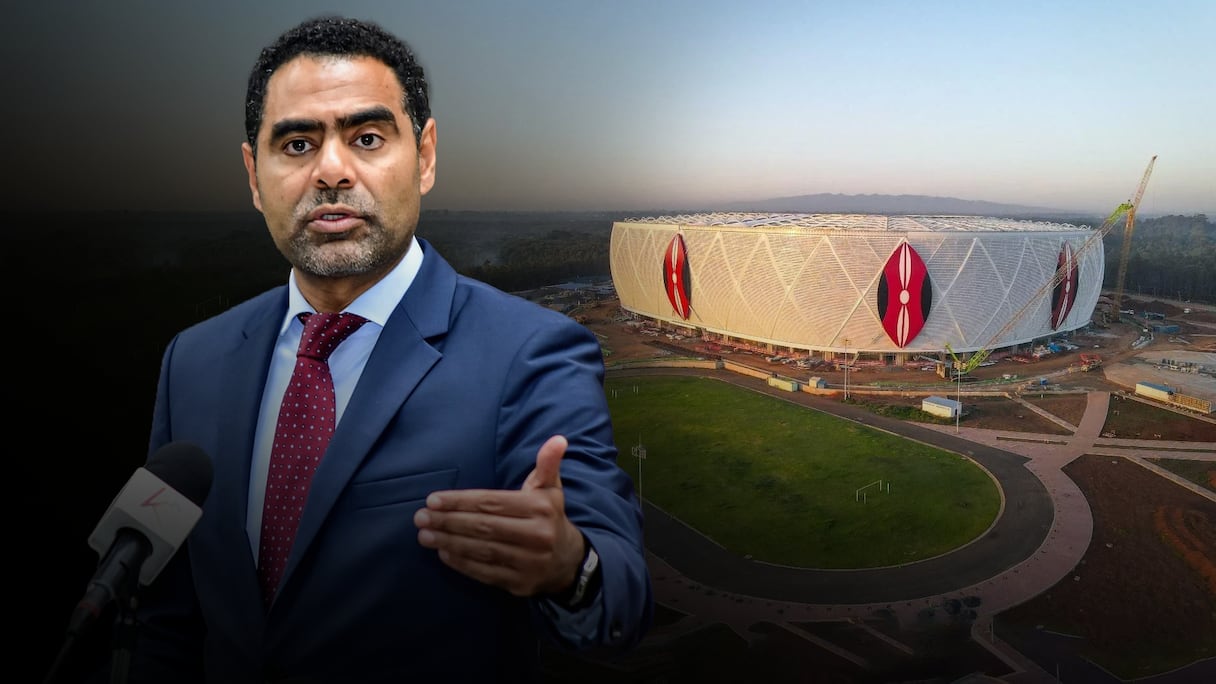
Asked about the schedule, Hussein Mohammed said Kenya remains committed to CAF’s plans. “No, as far as I’m concerned, we are sticking to the CAF schedule, which provides for an AFCON in June,” he said. The Kenyan official also stressed his country’s full mobilization: “Kenya is working day and night. We are very confident in our ability to be ready on time.”
On preparations and the two stadiums selected for the tournament, he said work “is ongoing. We will use the two main stadiums: Kasarani Stadium, which is still undergoing renovations, and Raila Odinga International Stadium, which was built for the occasion.”
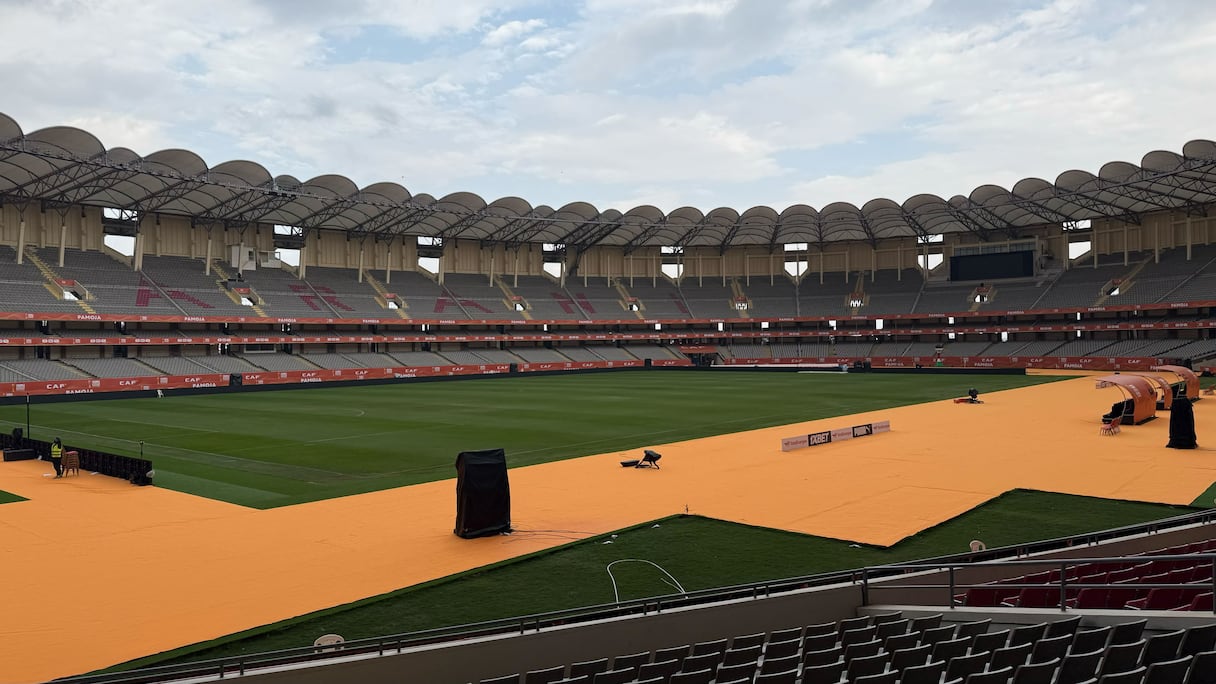
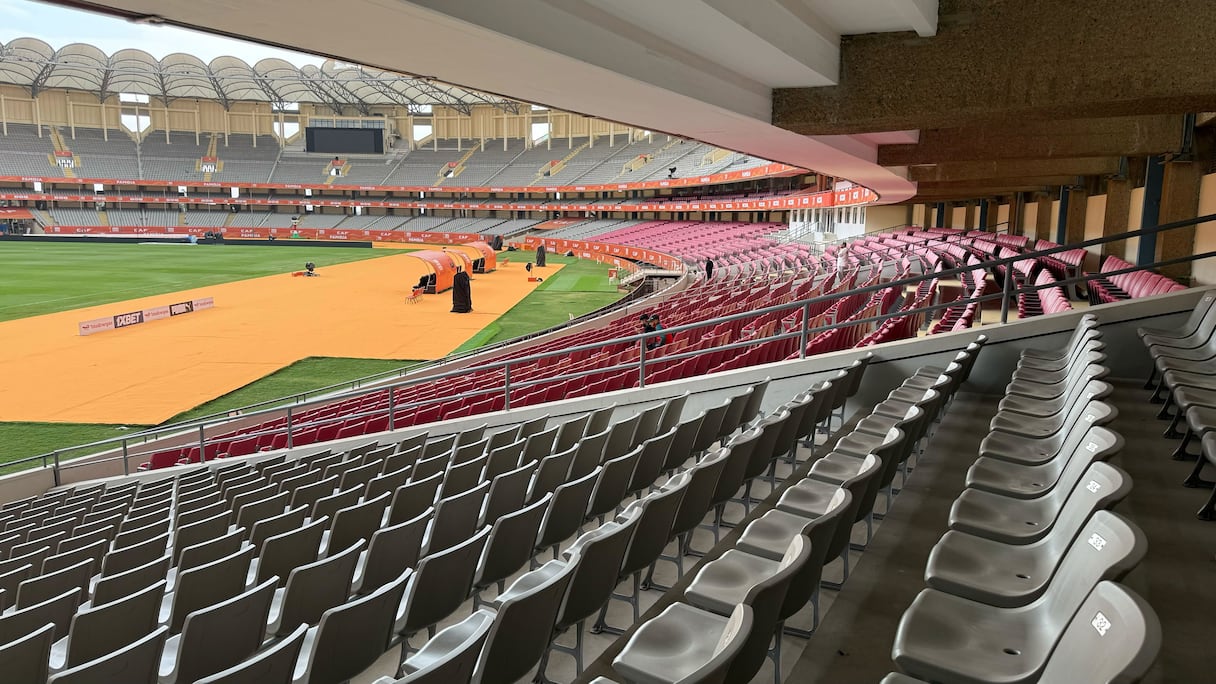
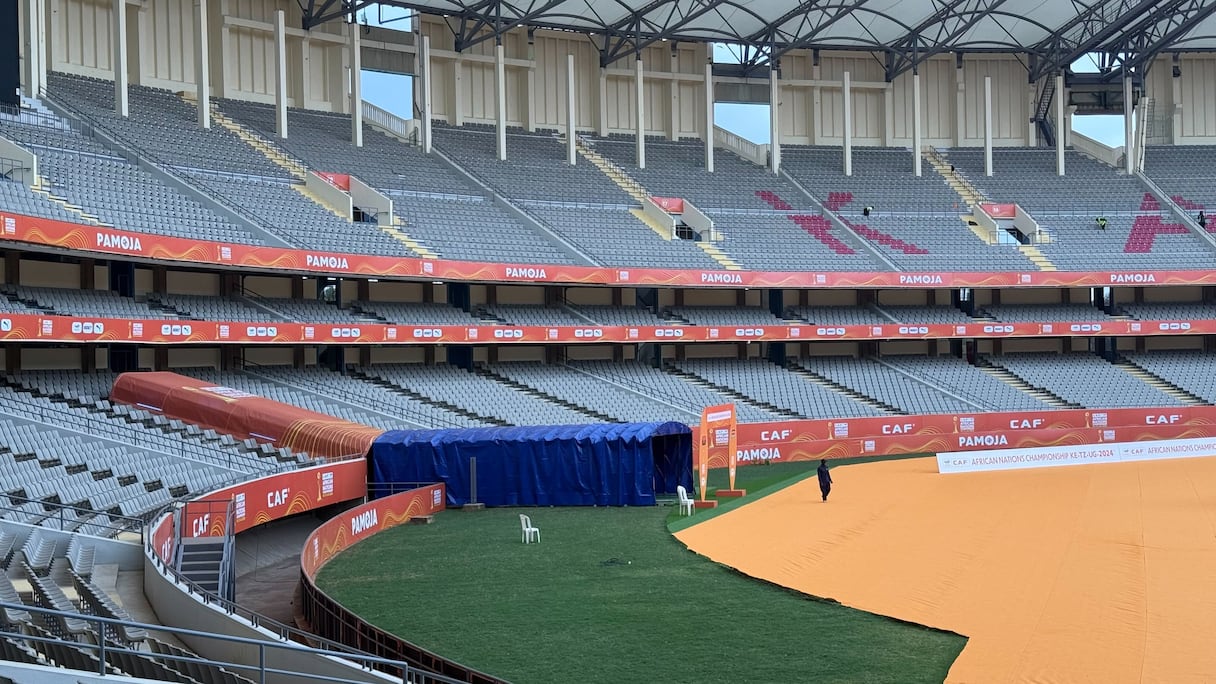
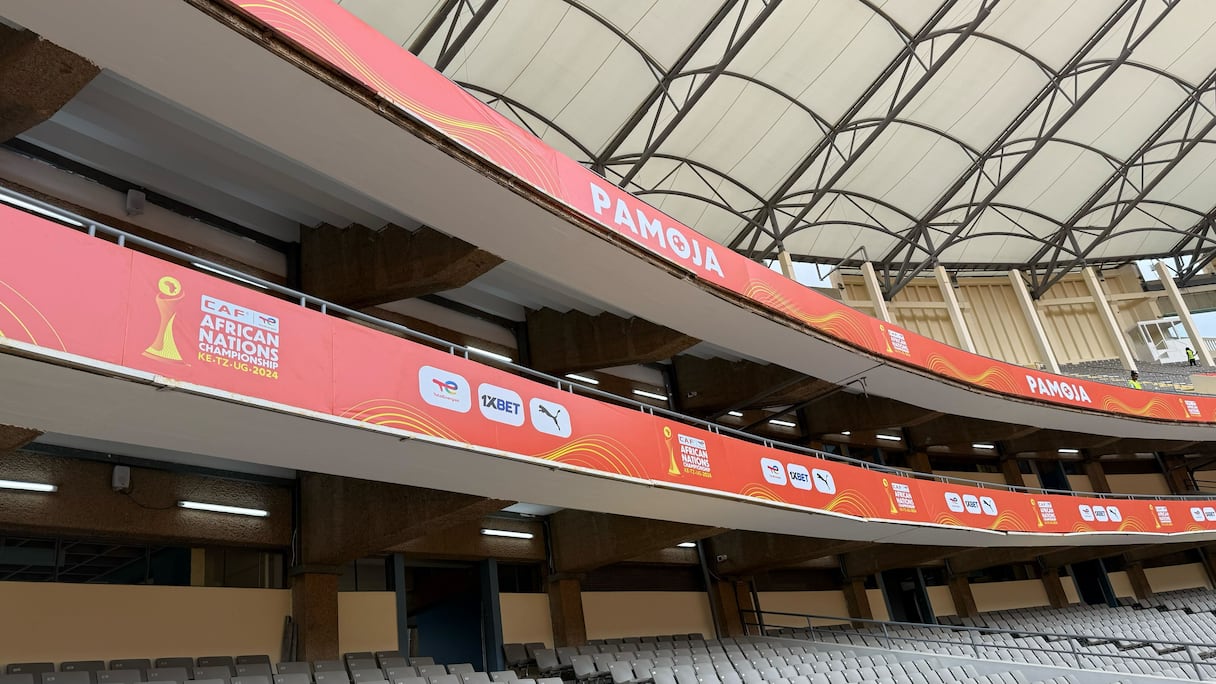
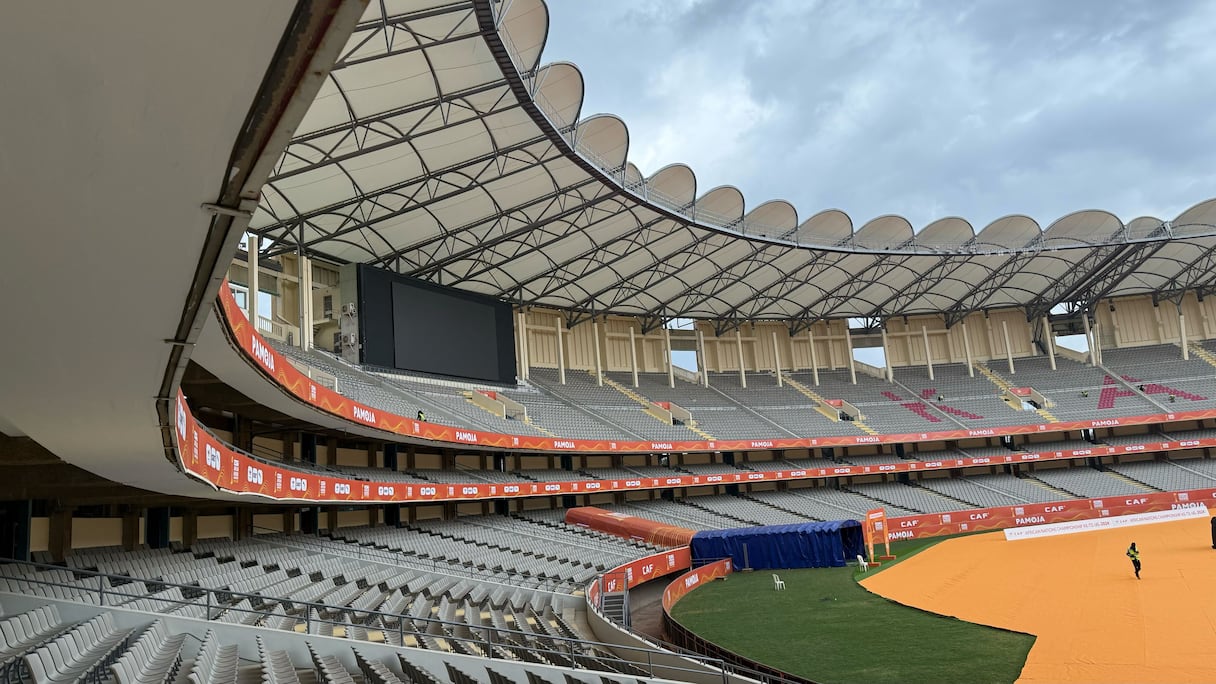
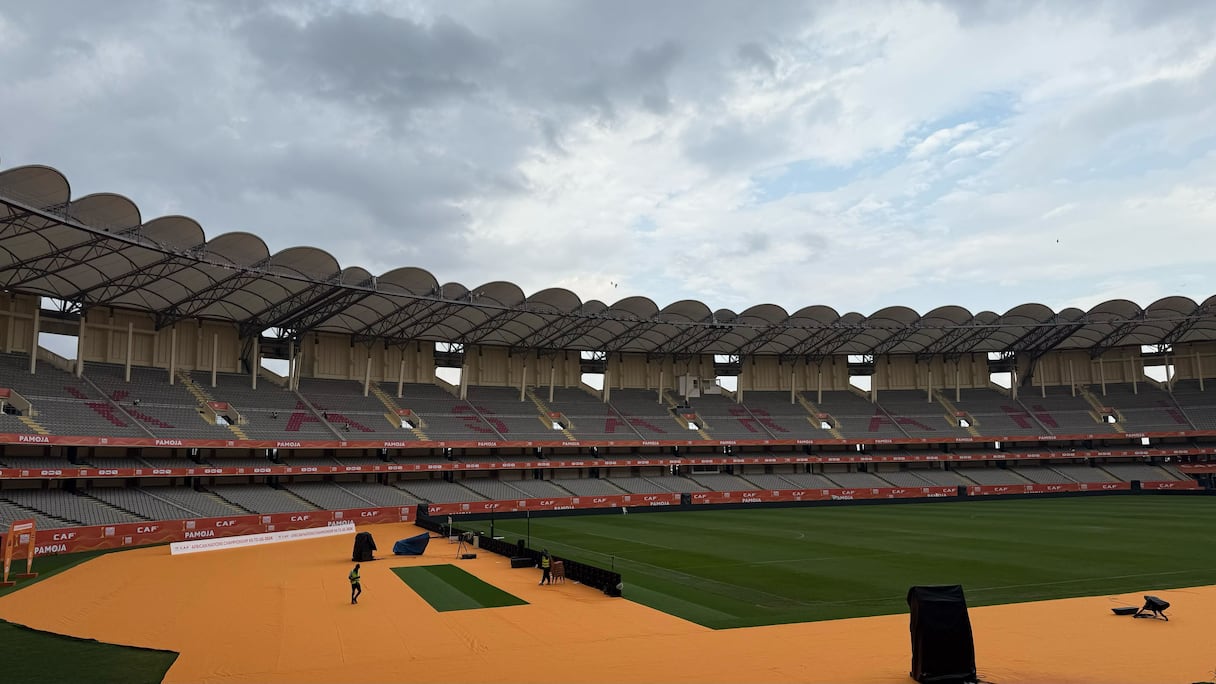
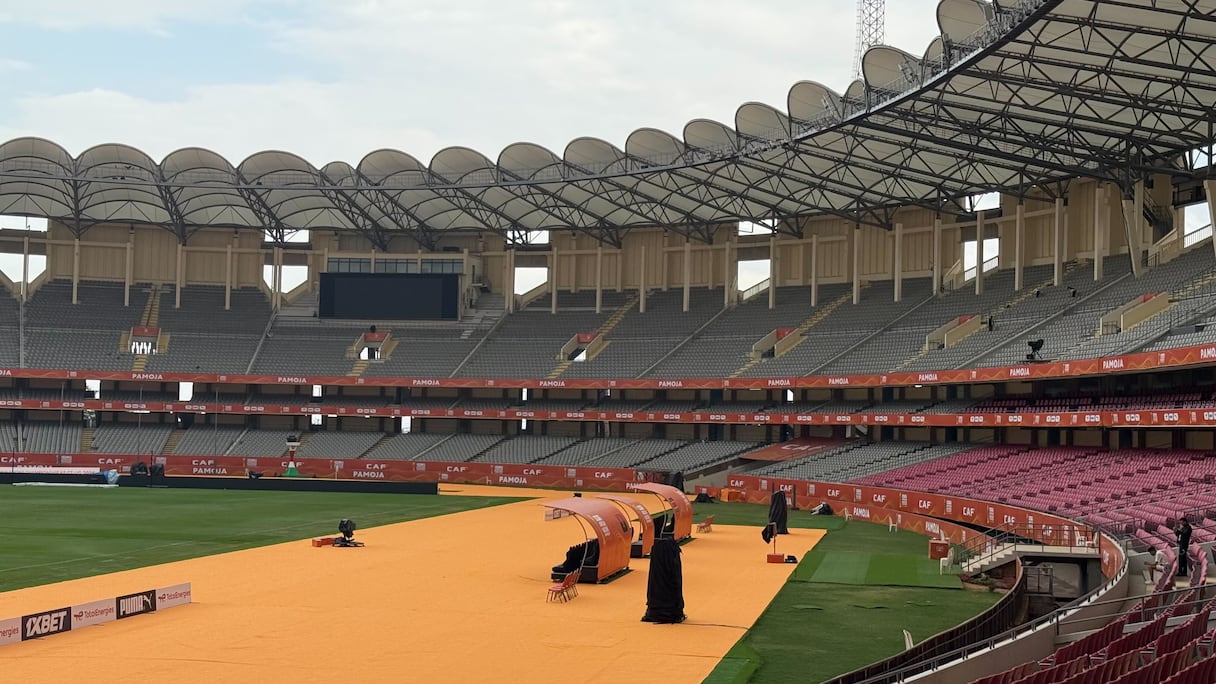
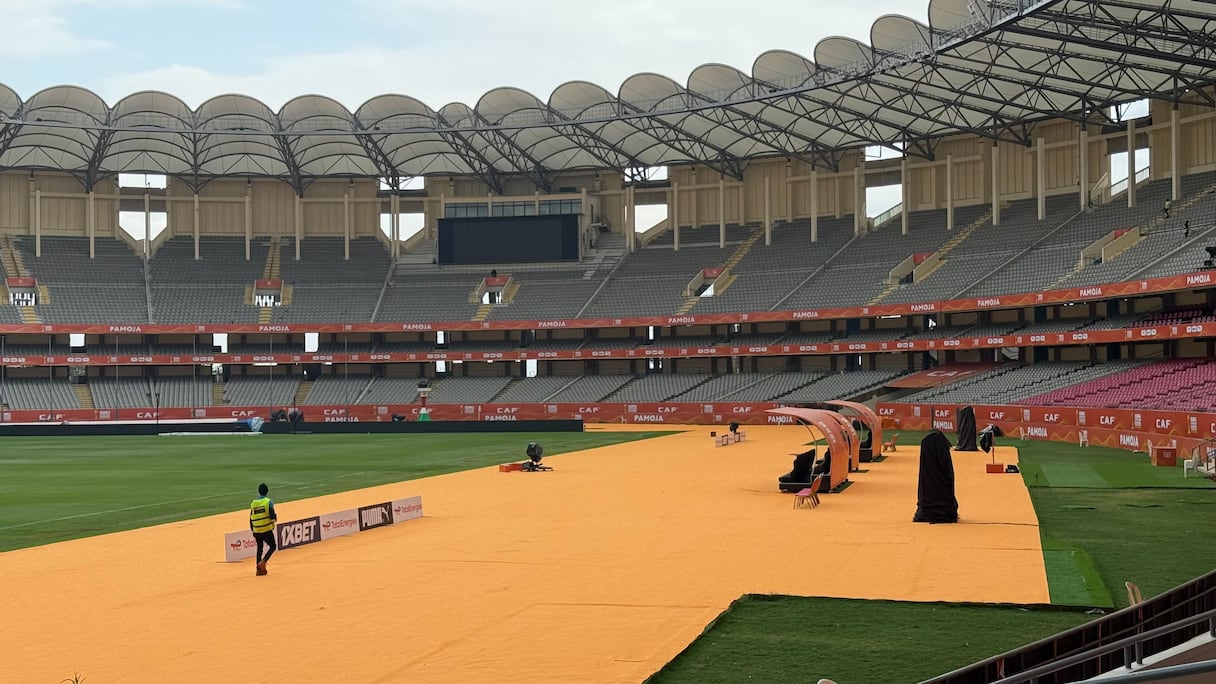
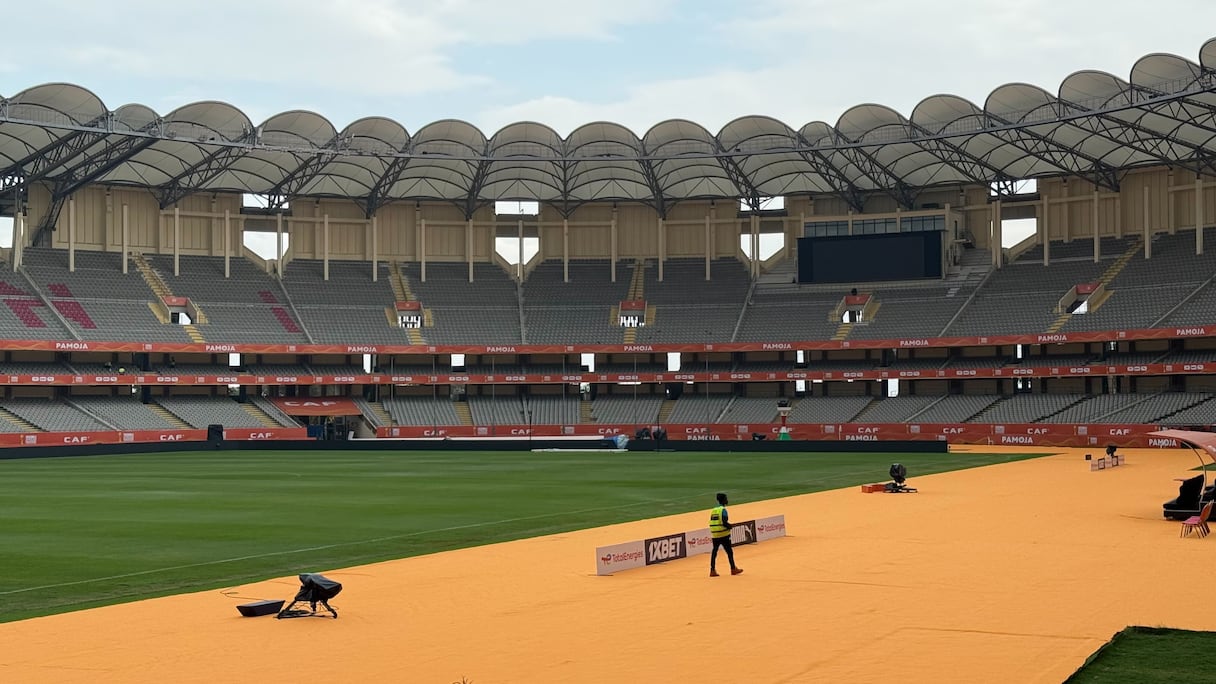
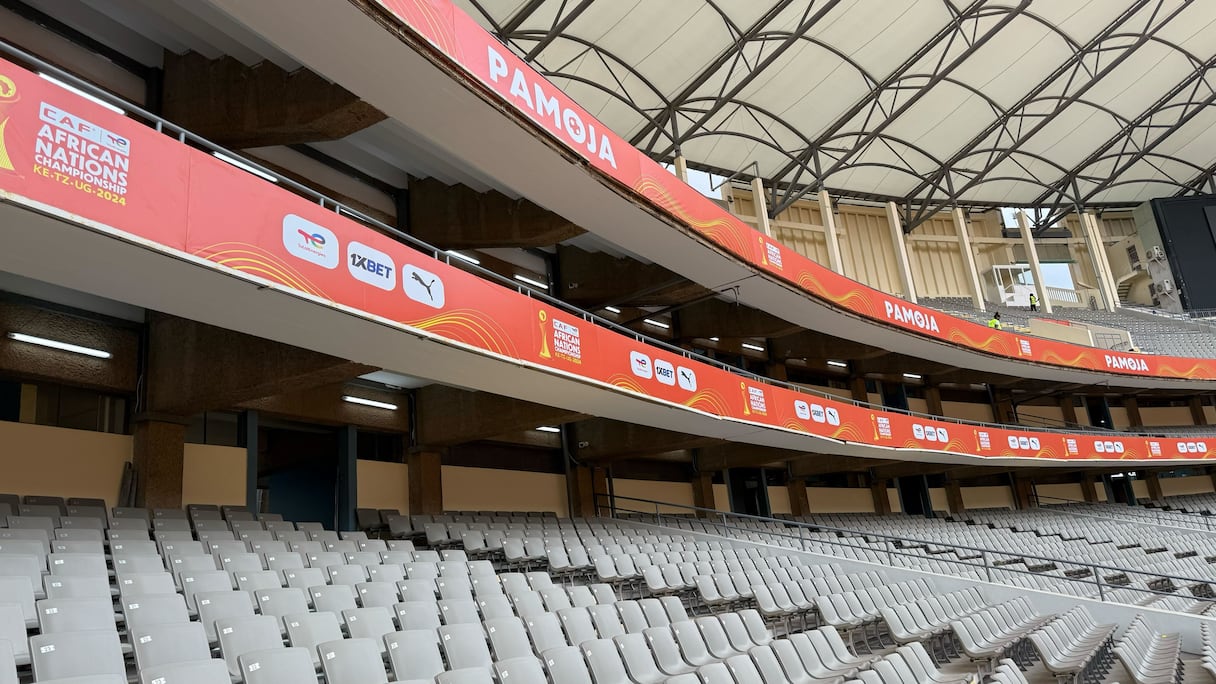
Stade Kasarani de Nairobi. le360
In preparing for AFCON 2027, Kenya also plans to draw lessons from the previous edition, hosted by Morocco last winter. “Above all, it is the quality of the infrastructure. But beyond that, there is also the hospitality of the people, organizational expertise, transport efficiency and fan zones,” Hussein Mohammed said.
That desire to draw on Morocco’s experience has led several Kenyan delegations to visit the Kingdom. “We wanted to draw inspiration from its experience and, above all, study the development of football infrastructure,” he explained. The Mohammed VI Football Complex was among the facilities that particularly caught their attention.


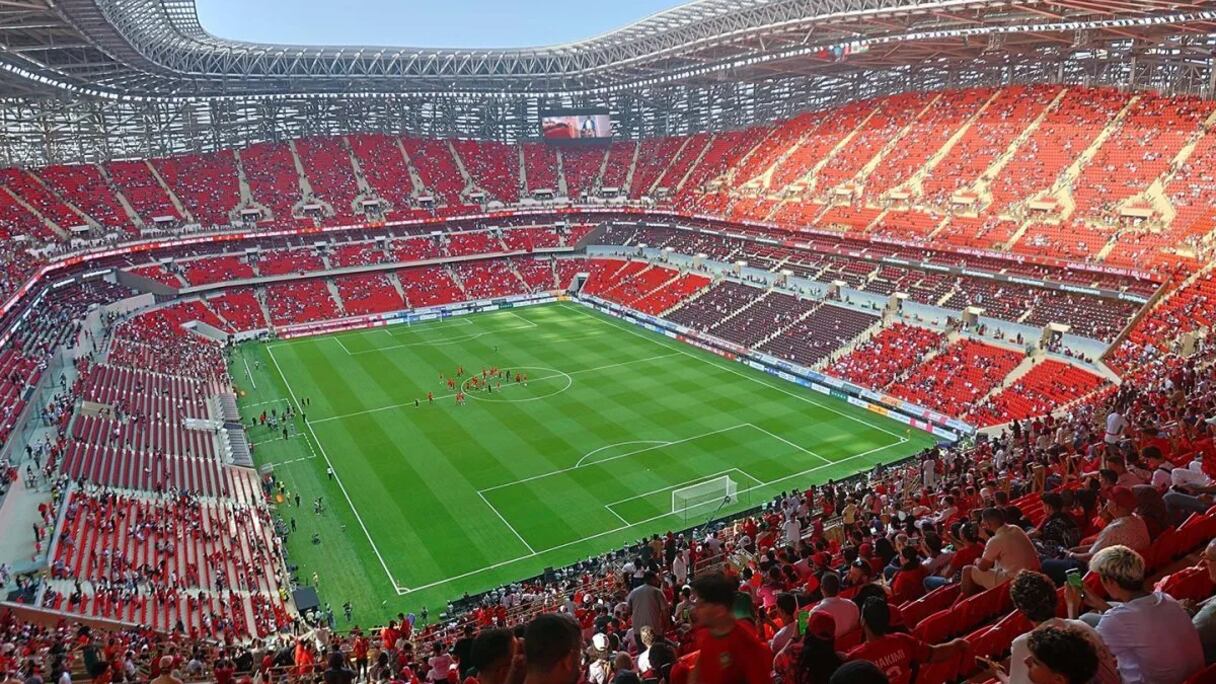
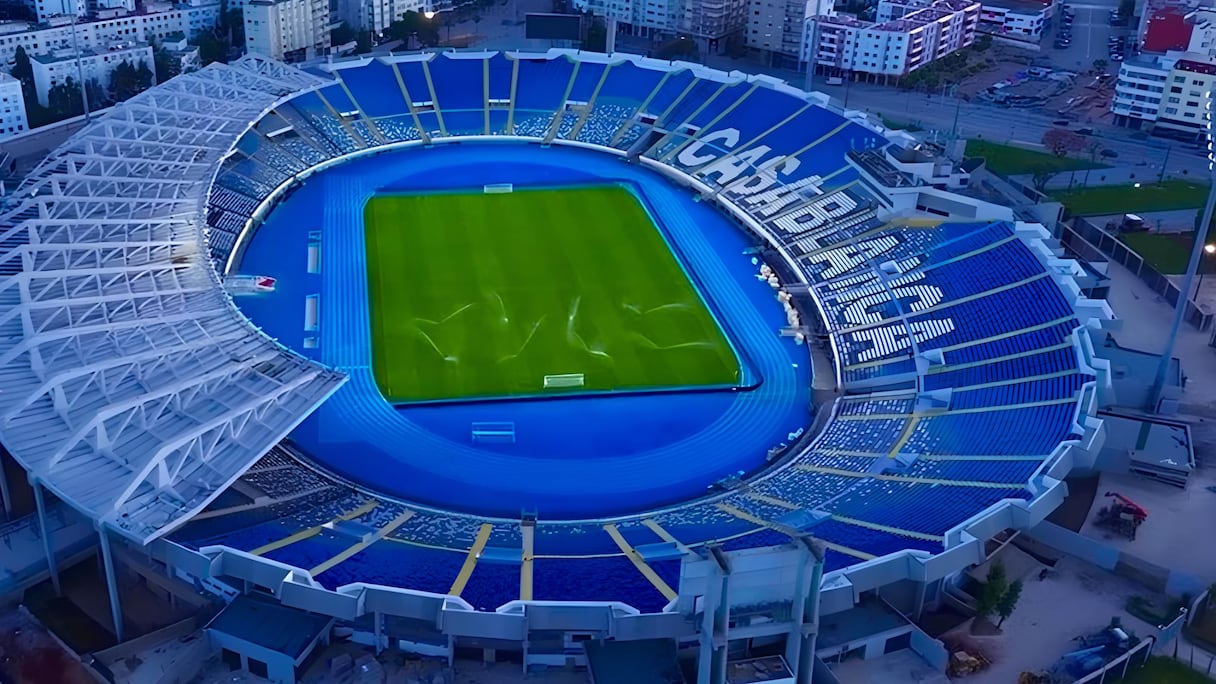
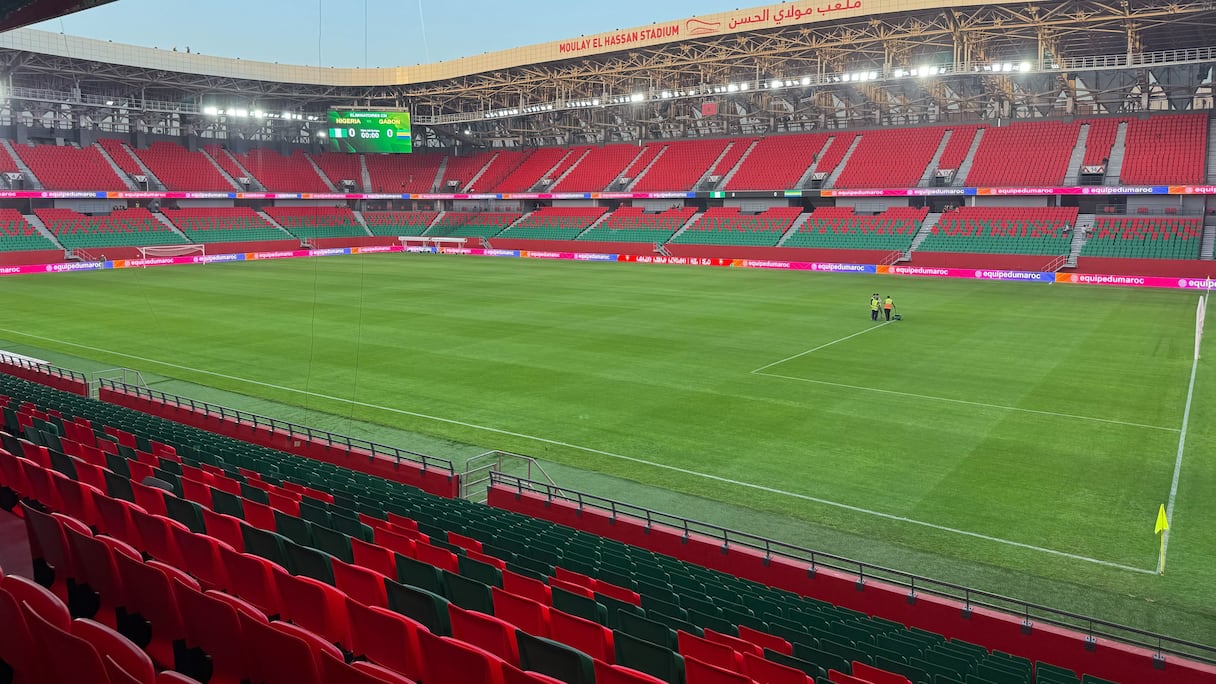
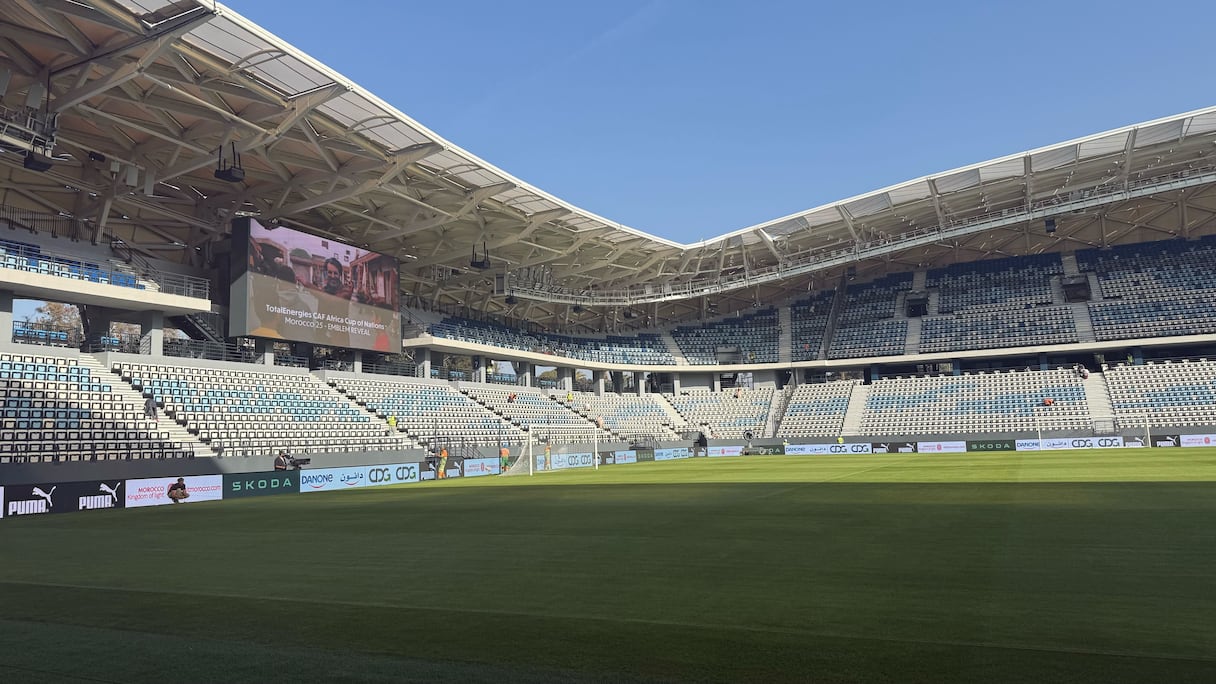
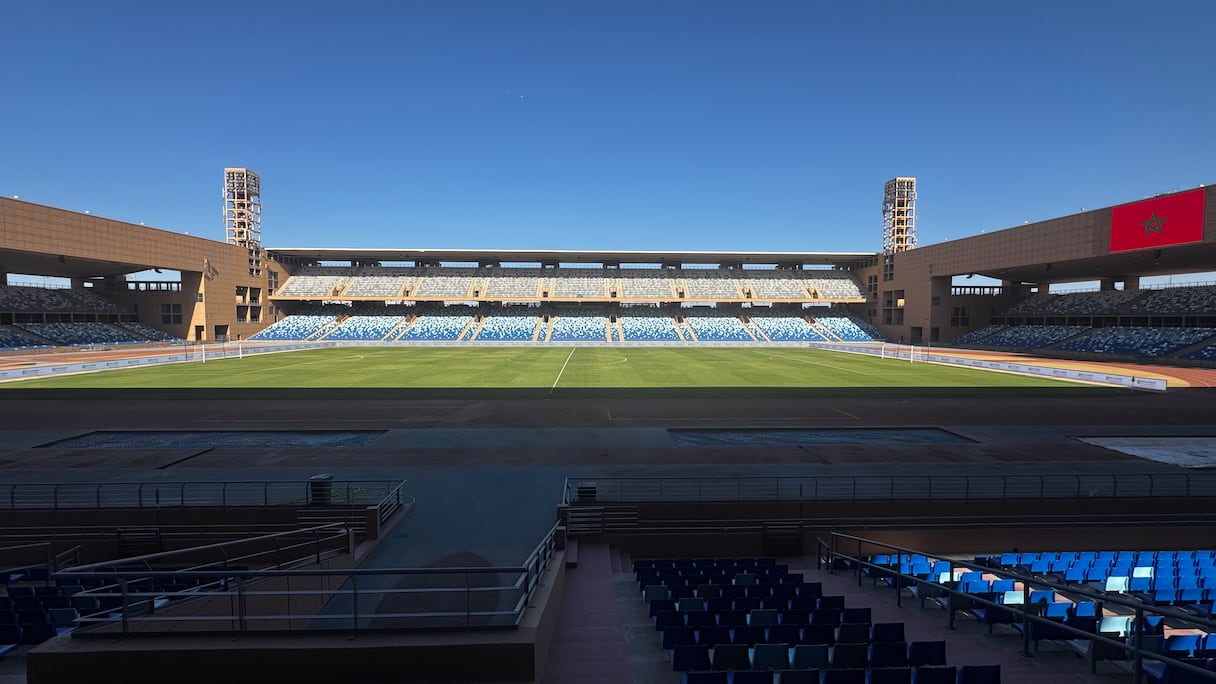
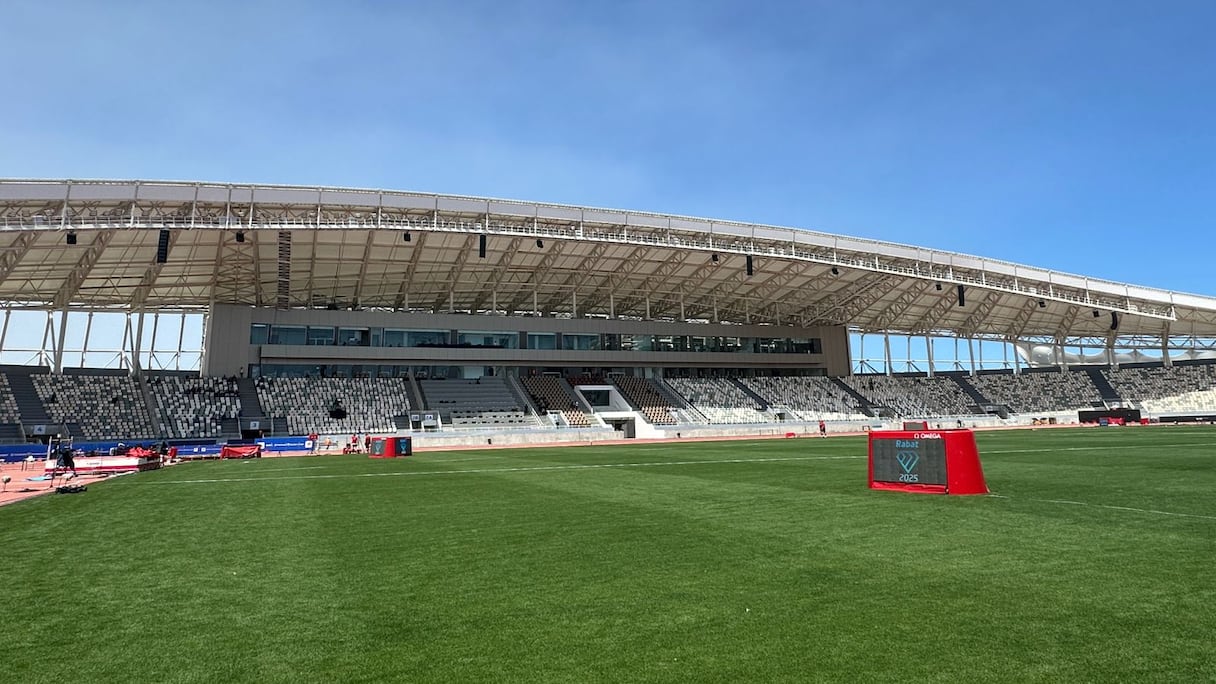
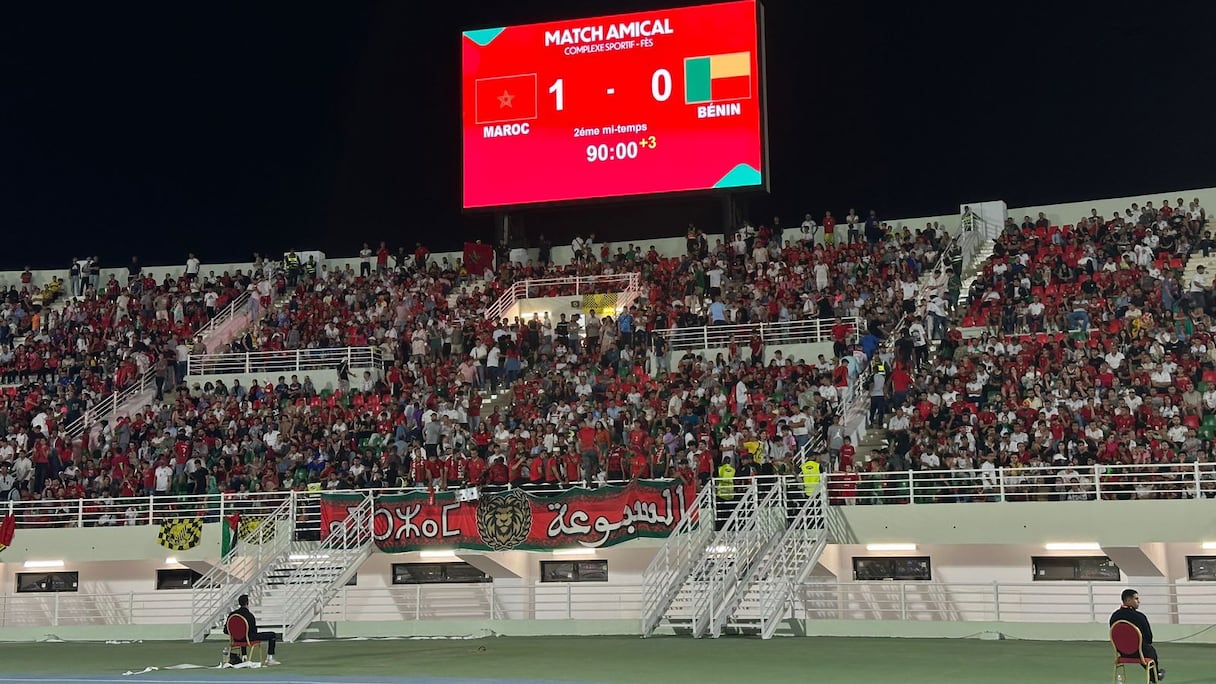
Grand stade de Tanger. Le360
Morocco’s experience has also shaped Hussein Mohammed’s views on the 2030 World Cup and the hosting of its final. Based on what he witnessed during the Africa Cup of Nations, as well as the Women’s Africa Cup of Nations and the FIFA U-17 Women’s World Cup, the Kenyan official believes Morocco has all the assets needed to host a World Cup final.
“Based on the experience we had in Morocco, particularly in terms of organization and infrastructure, there is no doubt that the Kingdom can host the 2030 World Cup final,” he said. He also pointed to Morocco’s hospitality, culture and hotel capacity, which he described as “the perfect ingredients” and said meet all the criteria.
Regarding the 2030 World Cup, co-hosted by Morocco, Spain and Portugal, the Kenya FA president said holding the final in Africa would help the continent take another step forward. “Africa has long been left behind. A final in Africa would provide an ideal platform for its development,” he said.
Before looking ahead to 2030, however, Kenya has a major event to prepare for: the 2027 Africa Cup of Nations. Hussein Mohammed brought the focus back to the tournament, saying he hopes it will set a benchmark beyond Africa. “We want to organize the best tournament at the continental level, but also at the global level.”
Beyond the competition itself, he hopes the event will leave a lasting legacy for Kenyan football by strengthening expertise in organization, safety and security, ticketing, marketing and hospitality. The country also expects AFCON to attract “more visitors to Kenya.”
The challenge now is to turn these ambitions into reality as the tournament draws closer. Hussein Mohammed remains firm in his message: “We will be ready,” he told Le360 Sport.
