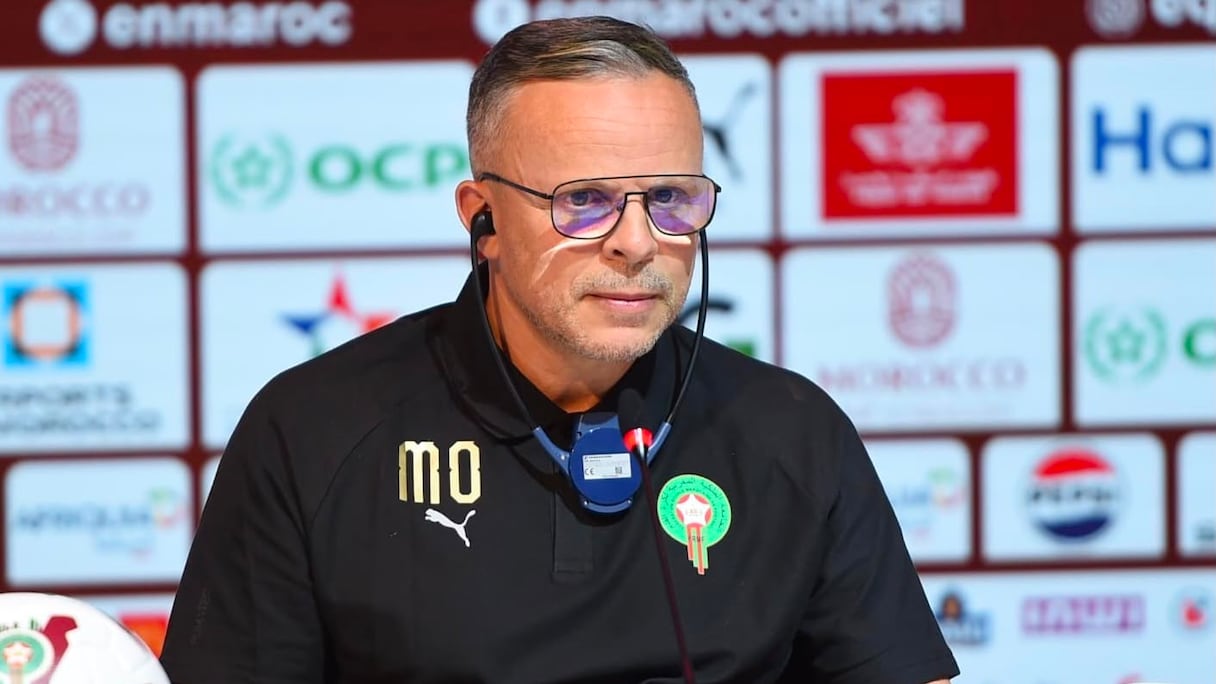
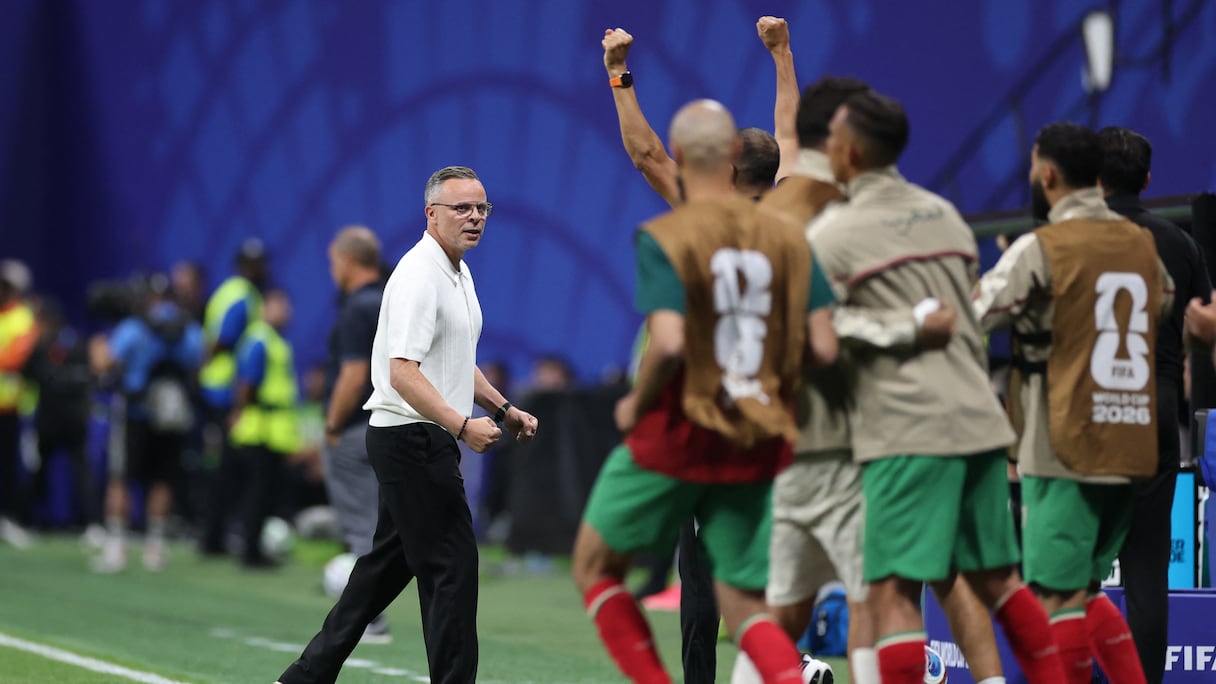
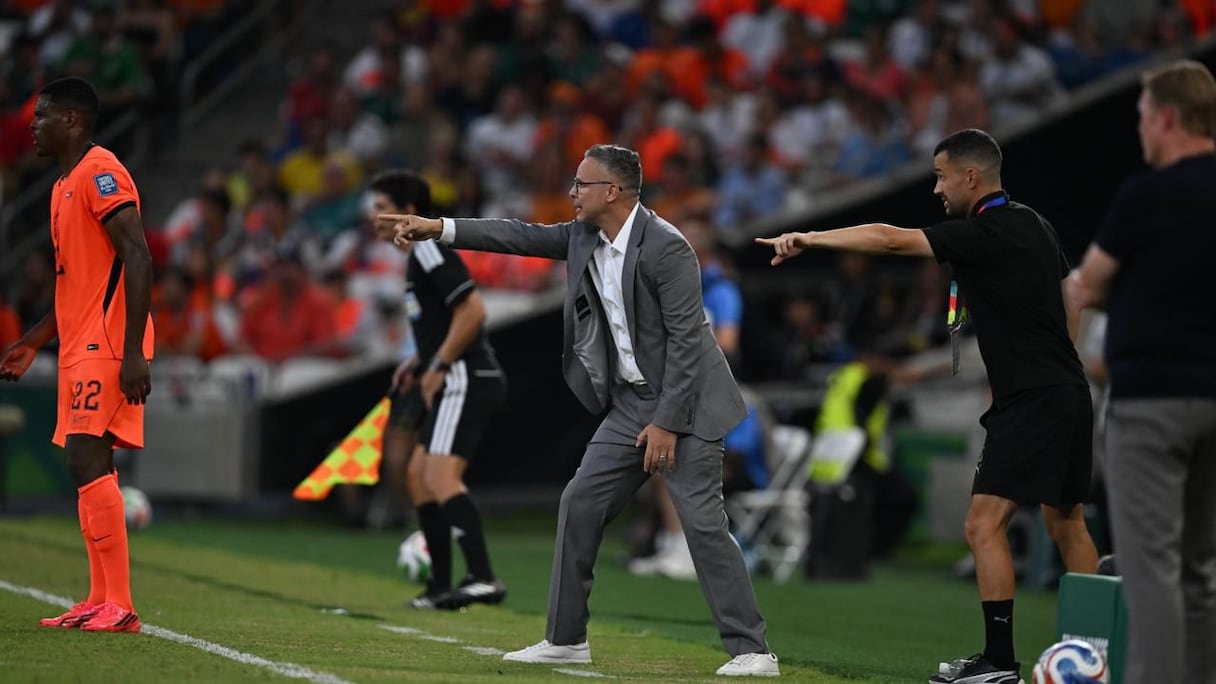
Nothing was off limits. Ouahbi addressed criticism of his tactical approach against France, questions over his 26-man squad selection, speculation surrounding his assistant João Sacramento, and the remarks made by Sofyan Amrabat’s brother. The Morocco coach struck a candid and composed tone, acknowledging the shortcomings exposed in the quarterfinal without minimizing them, while firmly standing by the work carried out since taking charge in March.
“We made Moroccans dream”
The head coach rejected the idea that the defeat to France should define Morocco’s entire World Cup campaign. In his view, the tournament must be assessed as a whole.
“Of course we are satisfied with the content and the performances. We wanted to bring a new dynamic, we knew we had to be more ourselves, more dominant, and we were in every game. We played five matches in which we made people dream,” Ouahbi said.
While acknowledging that the defeat to Les Bleus inevitably leaves a bitter taste, he stressed that the assessment cannot be reduced to a single match: “The real assessment will come in a few days. It does not stop with one game. Was the tactical approach right? Were the player selections right? I would have asked myself the same questions even if we had eliminated France.”
“We lacked personality”
This was perhaps the point the coach returned to most frequently. According to Ouahbi, Morocco did not abandon its identity against France, contrary to what many observers suggested after the match.
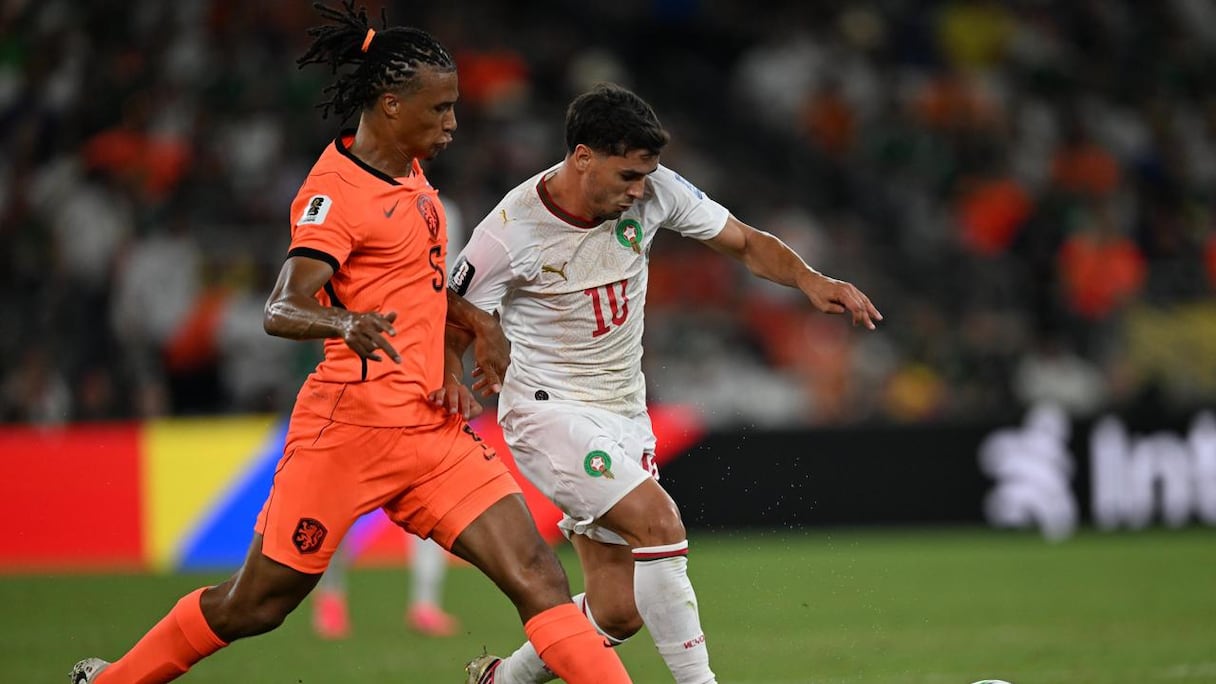
“I do not think we were afraid, nor do I think our game plan was any different. It was the same against the Netherlands and Brazil. I never ask my players to sit deep and defend,” he insisted.
What Morocco failed to do, however, was impose its football.
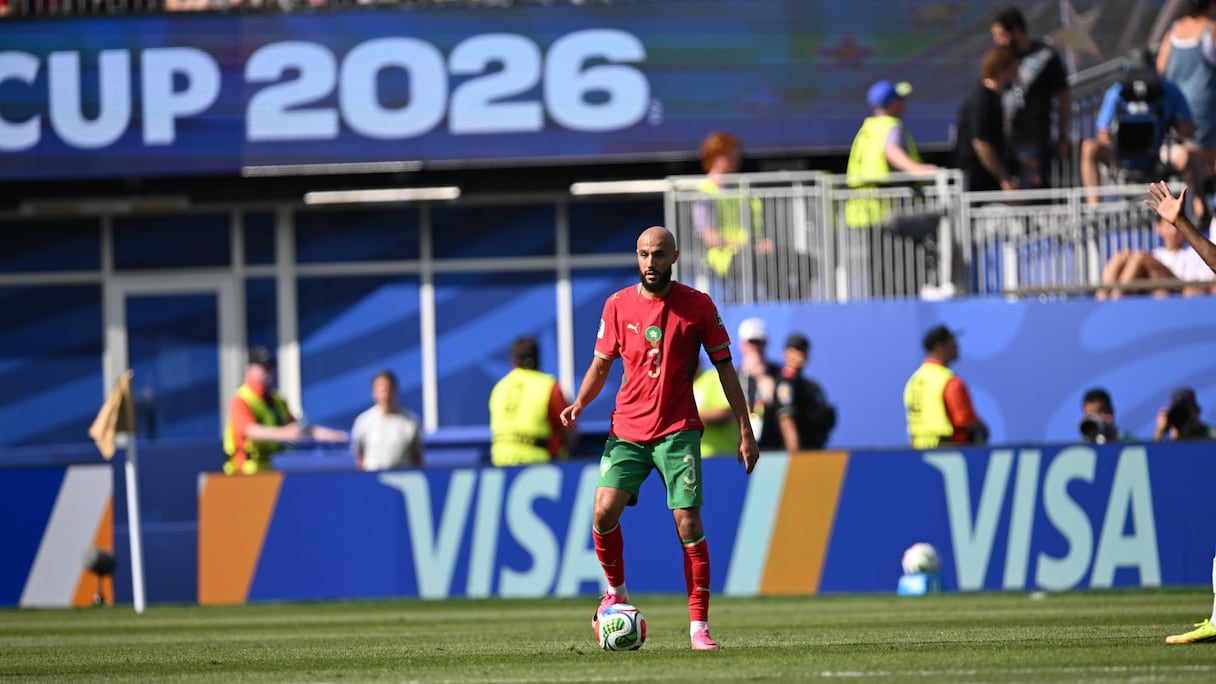
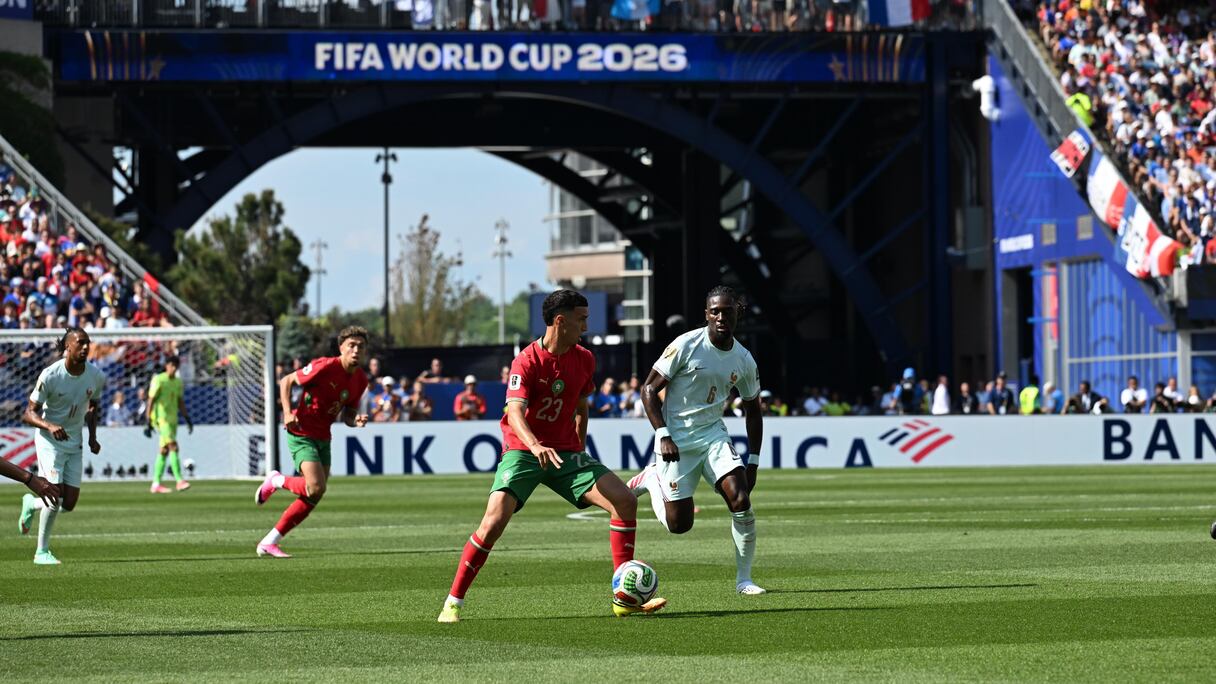
“At certain moments, we lacked maturity, and perhaps personality, to push the ball into their half and impose our game plan. Even after speaking with the players, that is our only regret.”
He believes the problems began in the attacking phase.
“We did not have enough depth, enough runs to stretch their block, create space and develop our football. We also lacked continuity in attack.”
Even so, Ouahbi refused to blame his players.
“At no point did I feel that the players did not want to perform. They wanted to do well. Something happened during the match, but I cannot hold it against them.”
“I have no regrets about the squad selection”
Since Morocco’s elimination, debates have raged over the players who could have made the 26-man squad. Here too, Ouahbi stood firmly by his decisions.
“When we announced the squad, we explained how difficult the selection process had been. We hesitated until the very last moment. That proves there was not a huge gap between those who made the squad and those who did not,” he said.
The coach also refused to rewrite history.
“It is always easier, after a defeat, to say that someone else should have been selected. That is not how I operate. I want to move forward and keep growing.”
He insisted that the players selected fit the team’s needs.
“The players who were there made us dream and took us to the quarterfinals. I am very satisfied with the squad we had.”
The collective remains Morocco’s greatest strength
When asked about individual responsibility for the defeat, Ouahbi refused to single anyone out. For him, Morocco’s success is rooted above all in the strength of the collective, which carried the team to a semifinal in 2022 and a quarterfinal in 2026.
“When we talk about leaders, we have to talk about performance. I think we have leaders. I see them every day. Bounou, Hakimi, Ounahi, Mazraoui, Sofyan Amrabat and Munir all have leadership roles.”
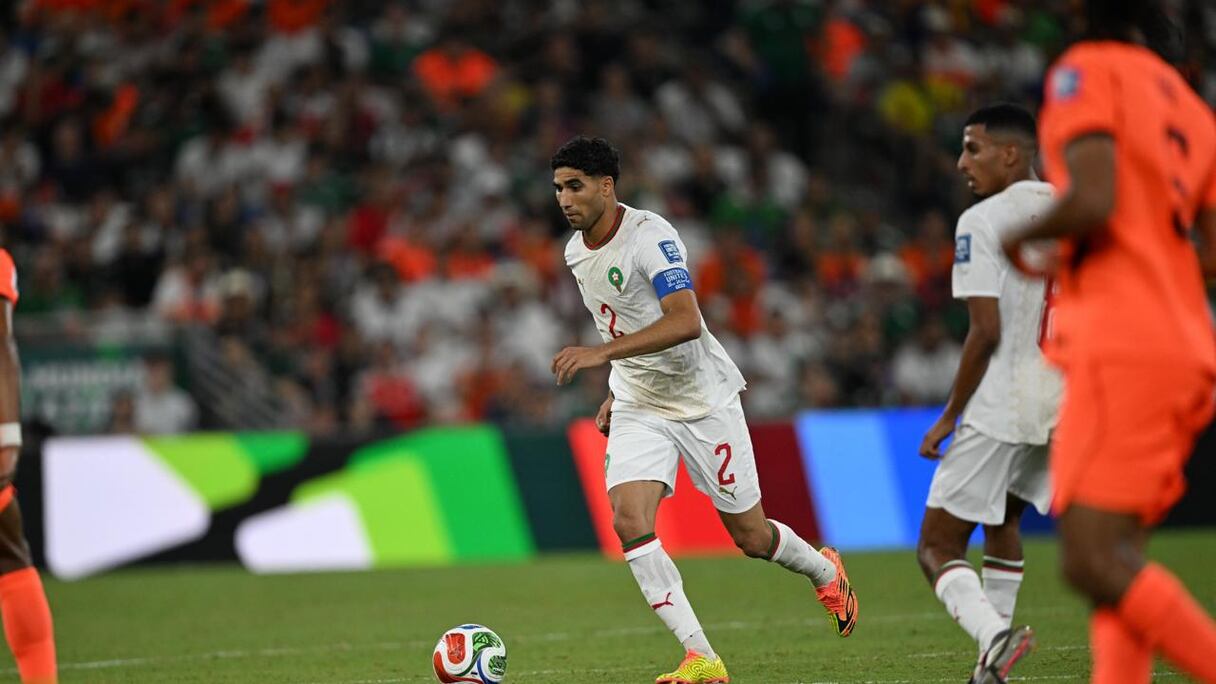
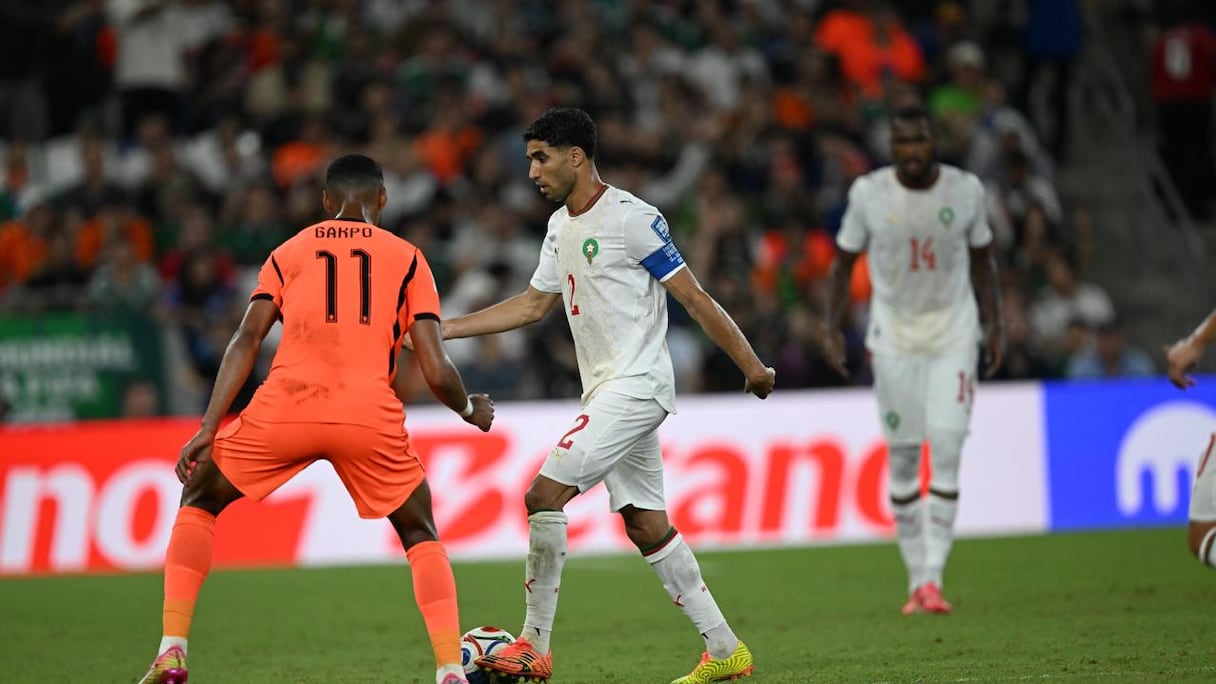
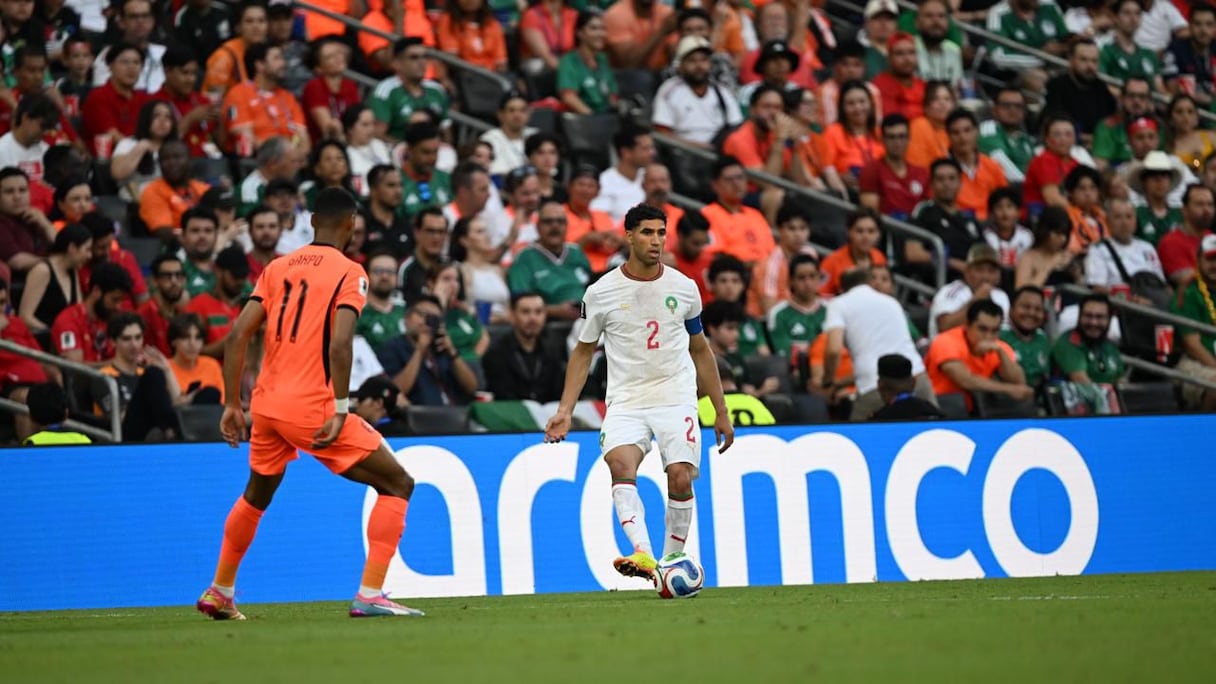
Asked specifically about Achraf Hakimi’s performance against France, the coach defended his captain.
“In ten years, we will say that we had the best right-back in the world, an extraordinary player. But you cannot ask a right-back to do everything. He had to defend against world-class players, attack, create chances and score. That is impossible.”
Ouahbi stressed that Morocco’s identity does not rely on a single player capable of deciding matches alone.
“I think Morocco’s greatest strength today is the collective. That is what several coaches we faced told us. Even Carlo Ancelotti believes our collective is incredible. It is what allowed us to reach a semifinal and then a quarterfinal. We will continue to build on that strength.”
The coach also argued that the current generation will continue to improve through experience.
“By playing matches like these over and over, everyone will grow, the younger players and the veterans alike. I have nothing to reproach the players for. They tried, but they could not do it.”
Injuries should no longer be an excuse
Ouahbi made it clear that he no longer wants injuries to be used as an explanation for Morocco’s failures.
“I do not want us to find excuses if we are eliminated and missing players. For years, we have always talked about injuries. I want us to arrive at tournaments with a squad capable of winning despite absences.”
To achieve that, he believes Morocco must expand its talent pool and give opportunities to new players.
“They need to play and be given opportunities. That is how we will build an even stronger squad.”
A generation already looking toward 2030
One of the strongest messages from the press conference concerned the youth of the squad. Ouahbi believes Morocco has deliberately invested in the future.
“From the round of 16 onward, we were the youngest team in the tournament. Today, those young players have gained tremendous experience. Maybe they lacked it against France, but in four years they will be ready.”
The coach dismissed the idea of prioritizing older players simply because of their age.
“If we had selected only older players, in four years we would be asking exactly the same questions.”
João Sacramento and Sofyan Amrabat: “These are just rumors”
Ouahbi also addressed the many rumors that emerged after Morocco’s elimination. Regarding his assistant João Sacramento, he was unequivocal.
“These are just rumors. He has invested enormously, he loves working in Morocco and we are very happy to have him with us.”
He also explained his management style.
“I have a horizontal leadership style. Everyone gives their opinion. In the end, I make the decisions.”
Asked about comments made by Sofyan Amrabat’s brother, who claimed the midfielder no longer supported the coach, Ouahbi insisted that there was no conflict.
“When we selected the squad, the staff told me that if he came, he would expect to play and that, if he did not, he would make it known. The only thing I asked was whether he worked hard on the pitch. And I selected him. I made it clear that I was bringing him to help us: when and where, I did not know yet.”
He continued:
“He is someone who speaks his mind. He did not say anything to me, and the next day he trained hard. That is also why he earned playing time later on. I know how to manage emotions, and I know Sofyan Amrabat is someone with a lot of character who is not afraid to challenge you and speak openly. But I do not think he has a problem with me. There is also a lot of competition: Bouaddi, El Aynaoui, El Mourabet...”
The physical challenge goes beyond simple fatigue
Ouahbi acknowledged that the physical dimension will need further analysis, but rejected the idea that fatigue alone explained Morocco’s elimination.
“It is not simply a question of fatigue. I mostly felt that we struggled to find our second wind. Someone like Achraf Hakimi barely stops between club competitions, the Champions League, the Africa Cup of Nations and the World Cup. Our players need to play more high-intensity matches with their clubs. They also need more major friendlies with the national team. That is how we will improve.”
Despite the defeat, Ouahbi remains convinced that Morocco continues to narrow the gap with the world’s elite. Still, he acknowledged the challenge posed by France.
“When you look at the clubs where the French internationals play, you understand why they can maintain such intensity. Our players, meanwhile, are transformed when they put on the Morocco shirt.”
The coach therefore called on Moroccan players to raise their standards at club level.
“We need players who are more influential, more consistent and more important to their teams. They have to make the right career choices. That is also how we will grow.”
He concluded on an optimistic note.
“We are proud of the journey. Anyone who is not proud of what we achieved has expectations that are too high. The future will be bright. We do not intend to stop here.”
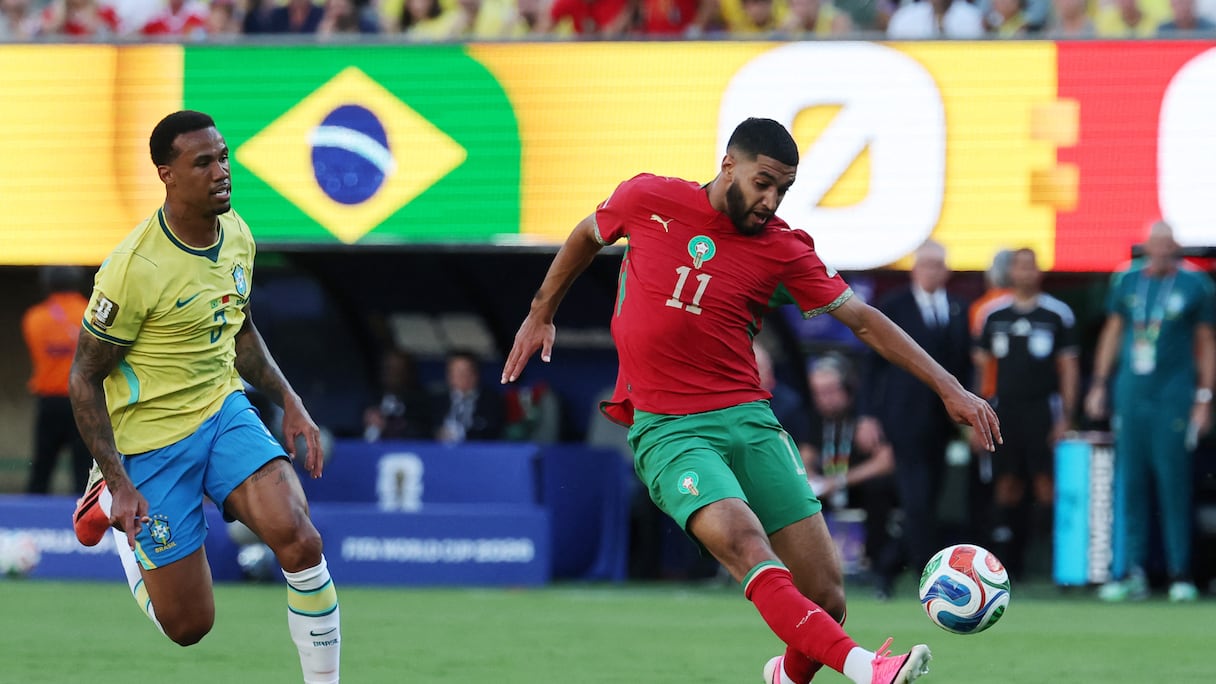
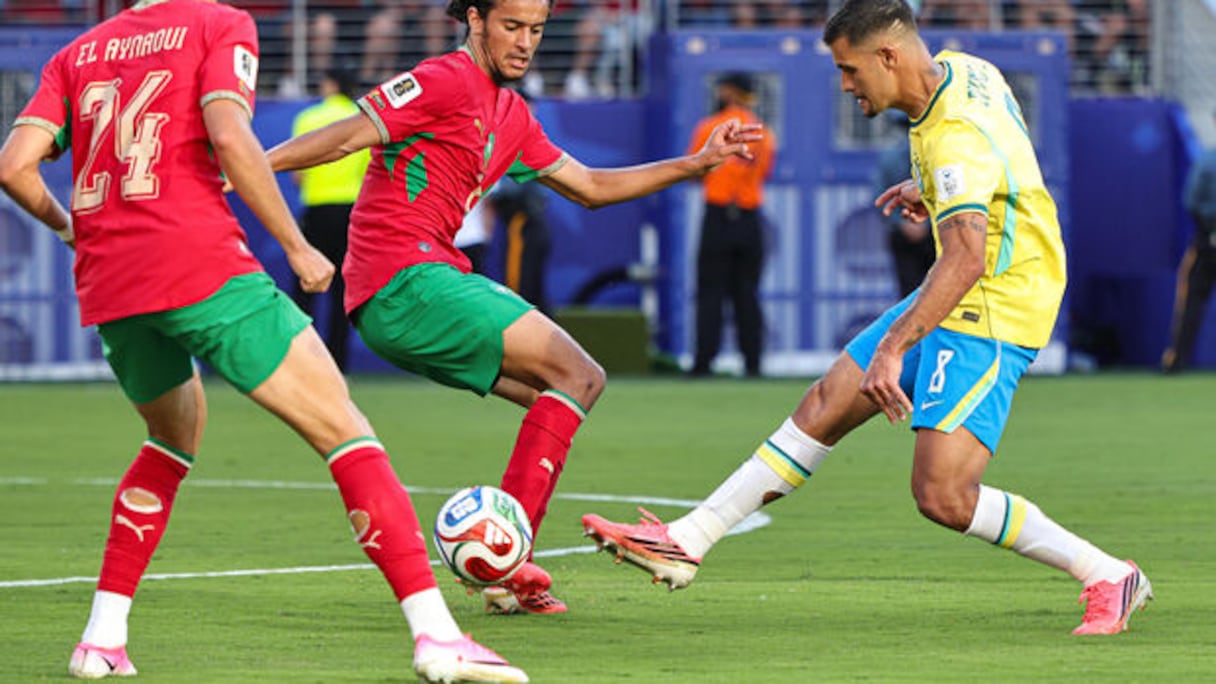
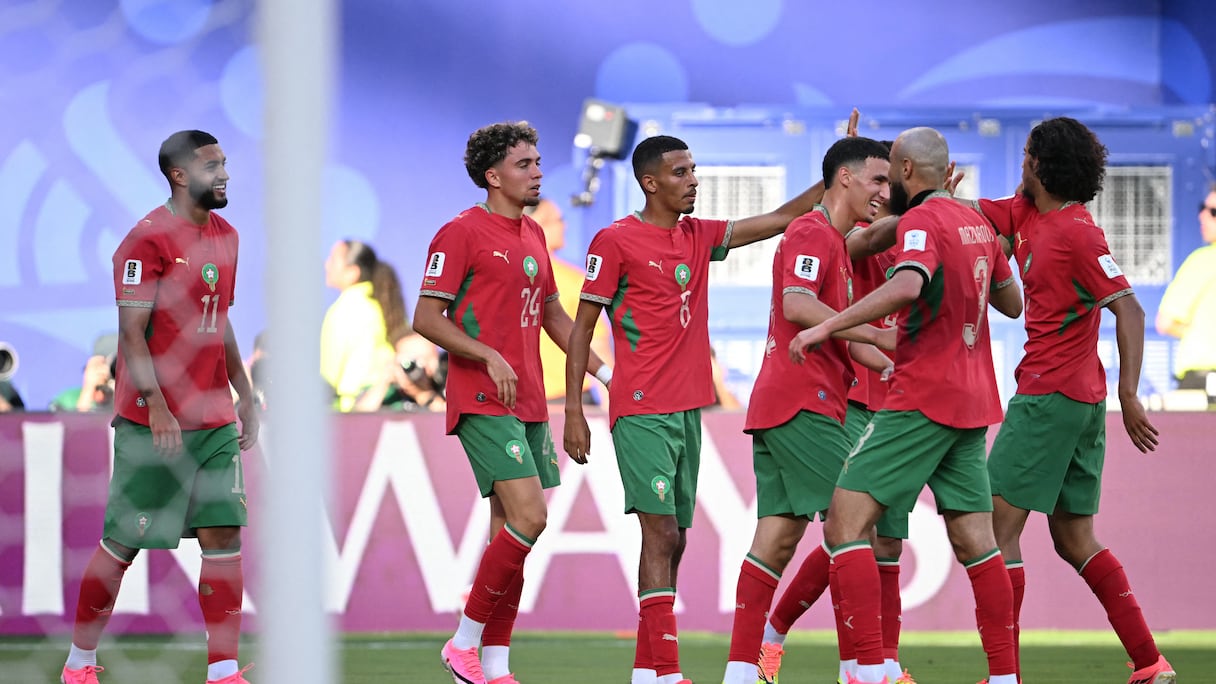
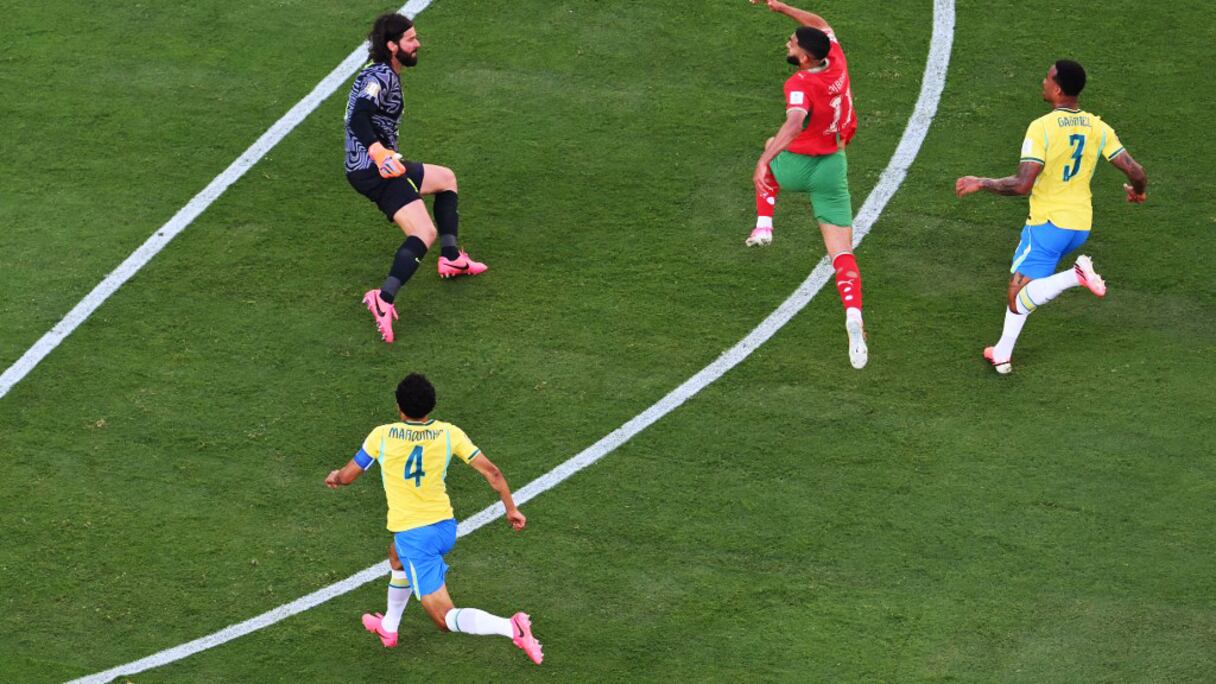
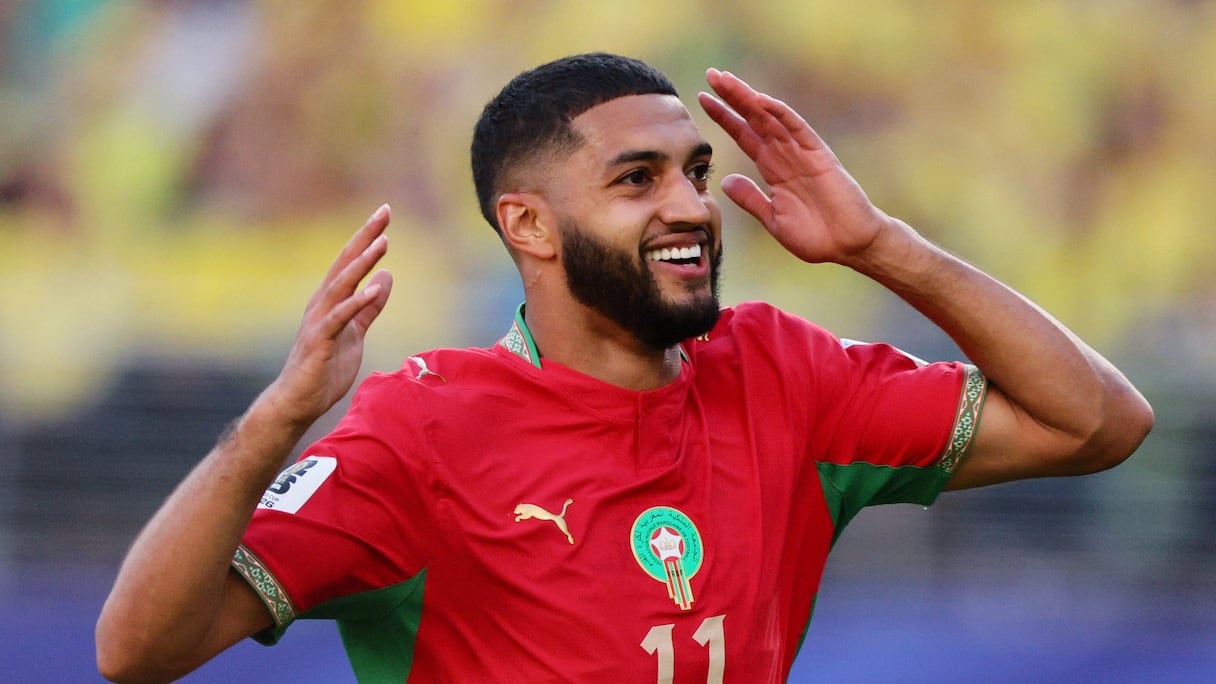
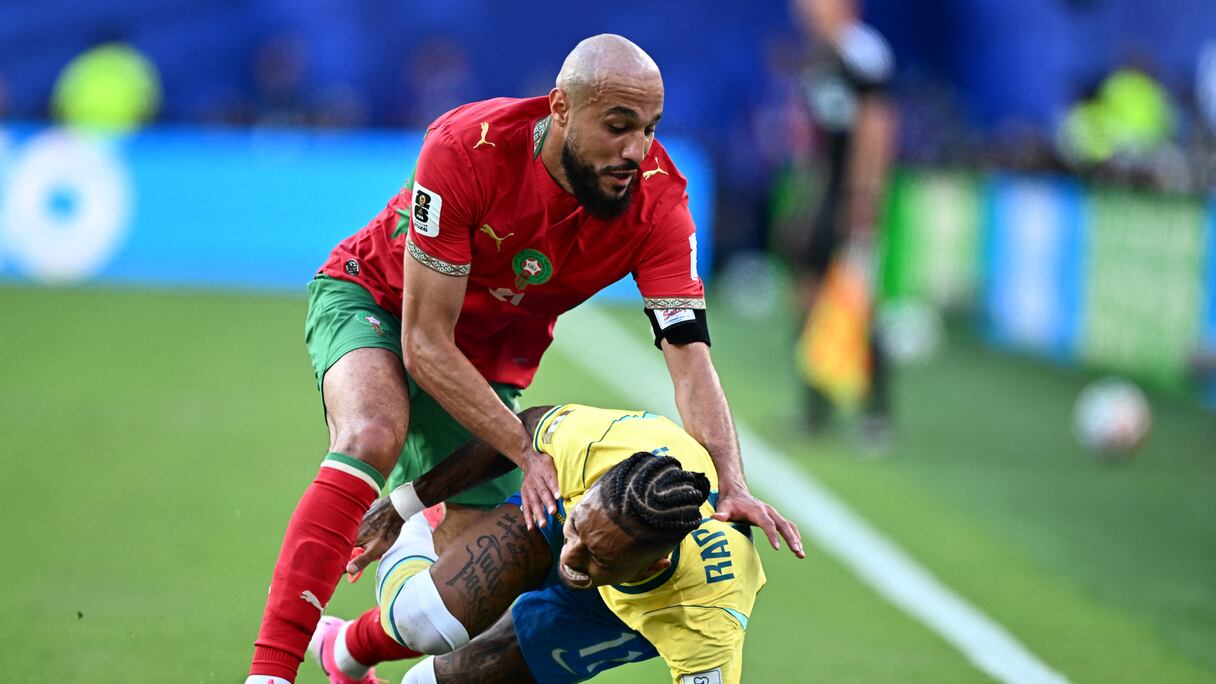
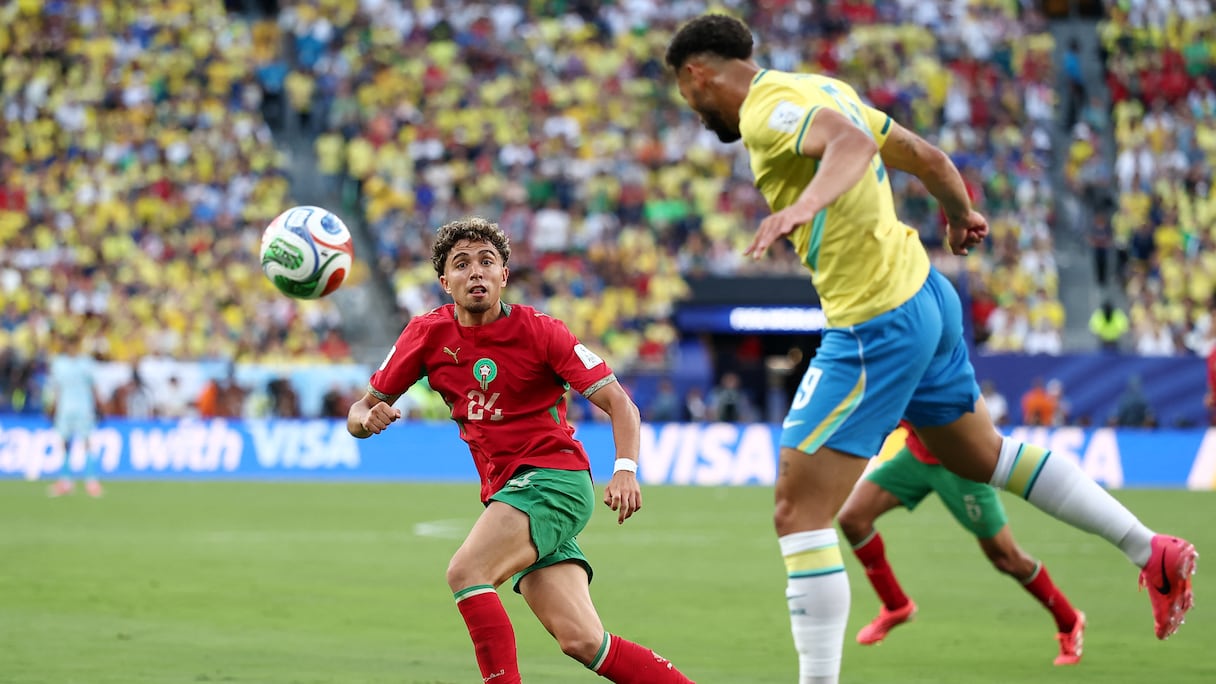
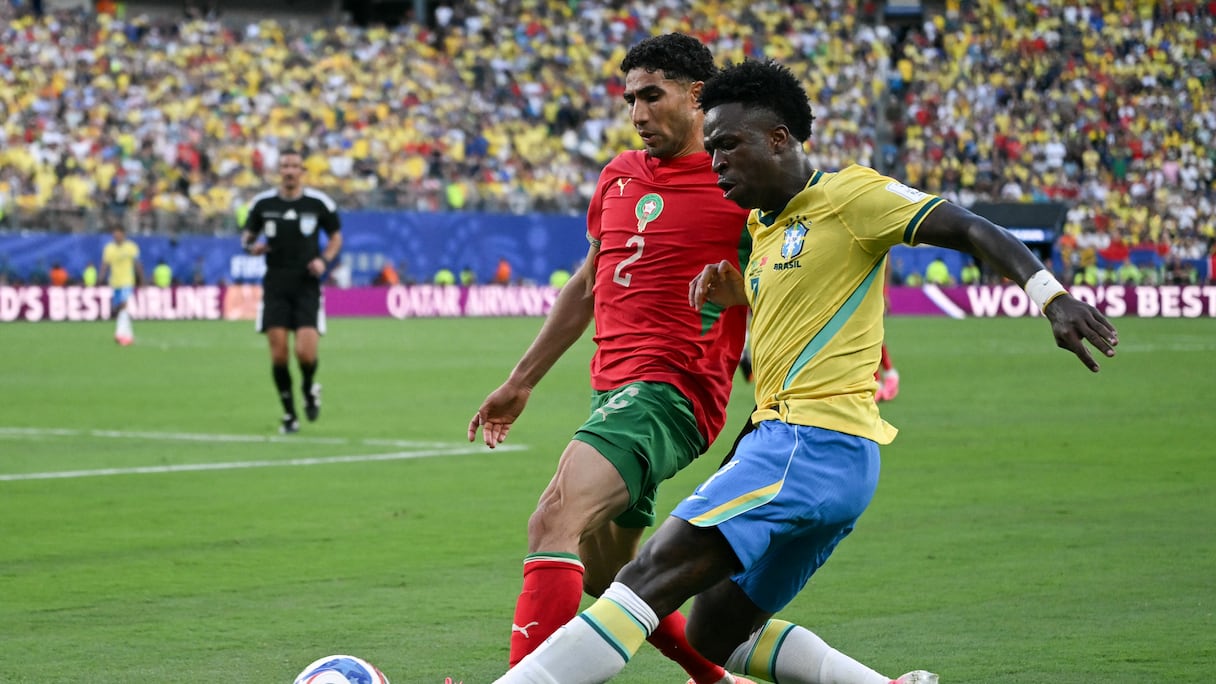
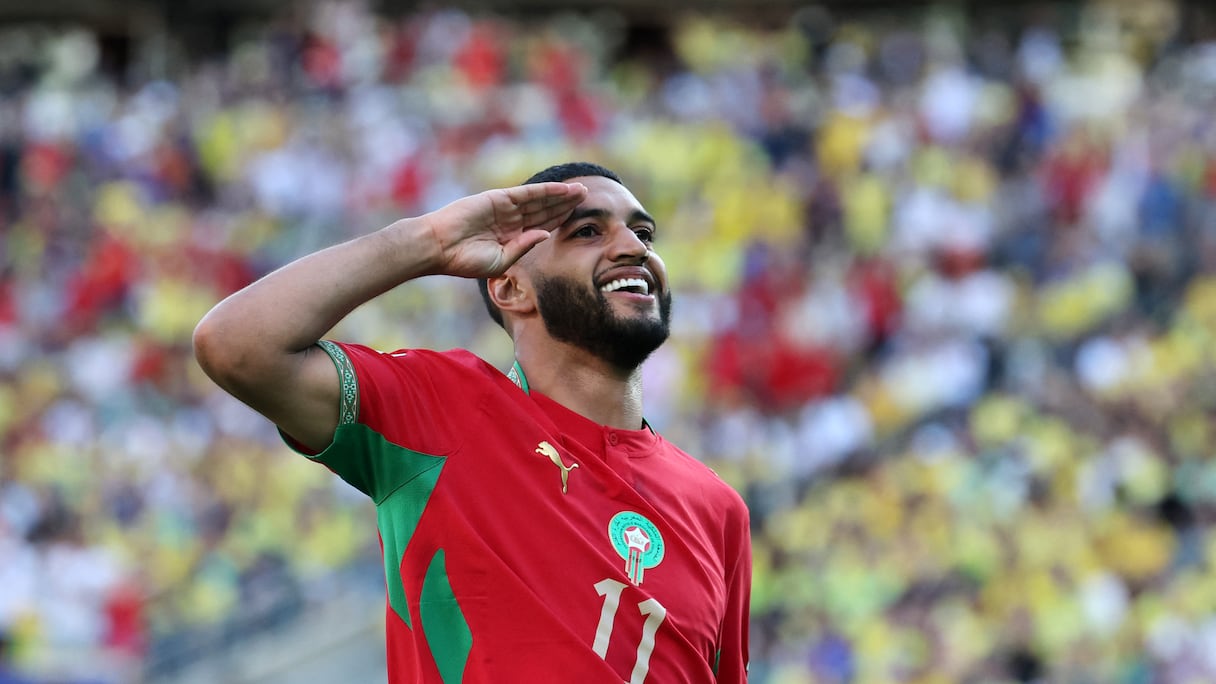
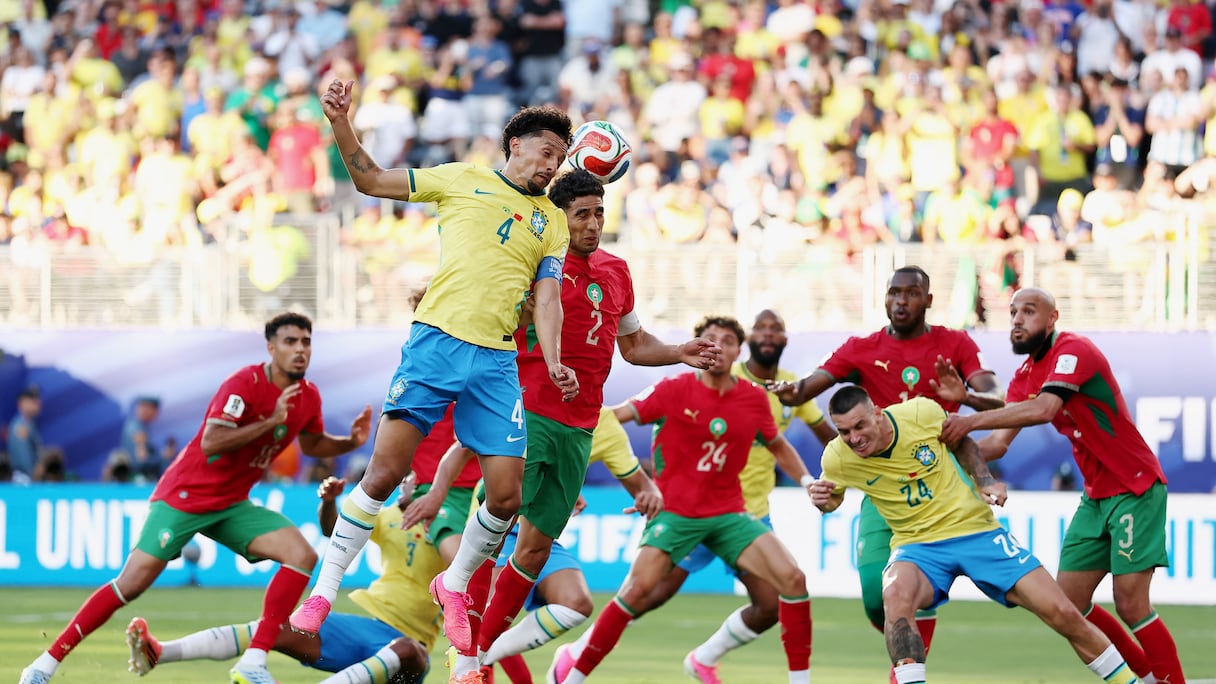
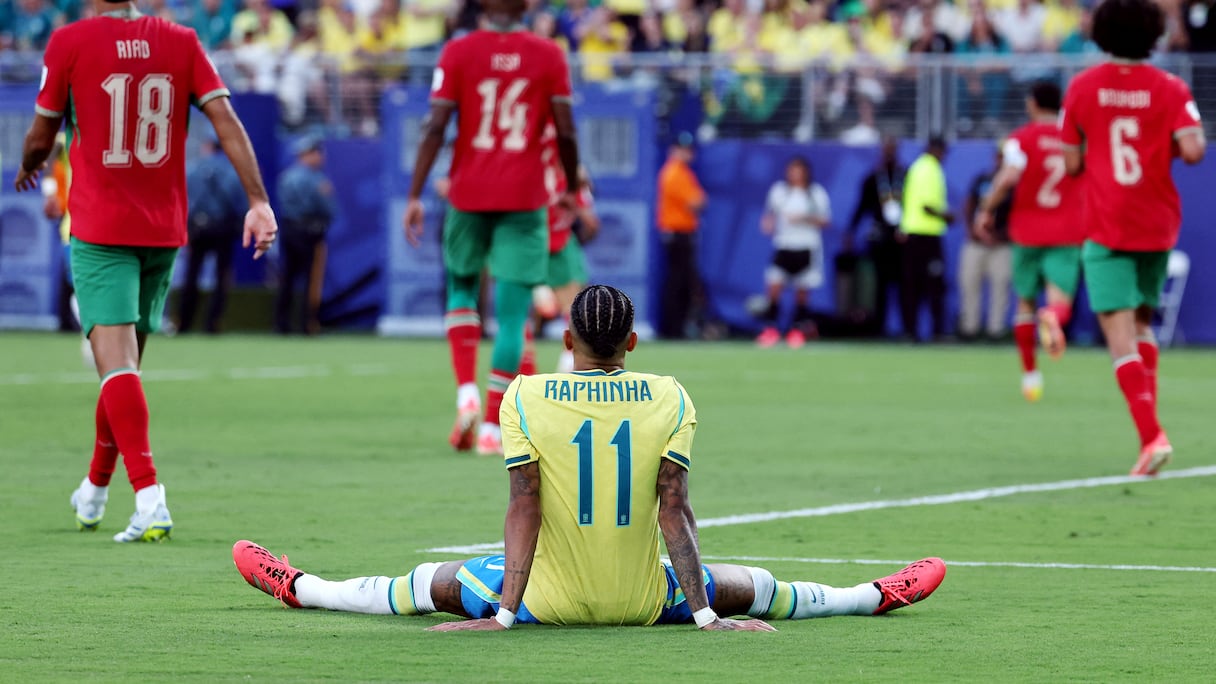
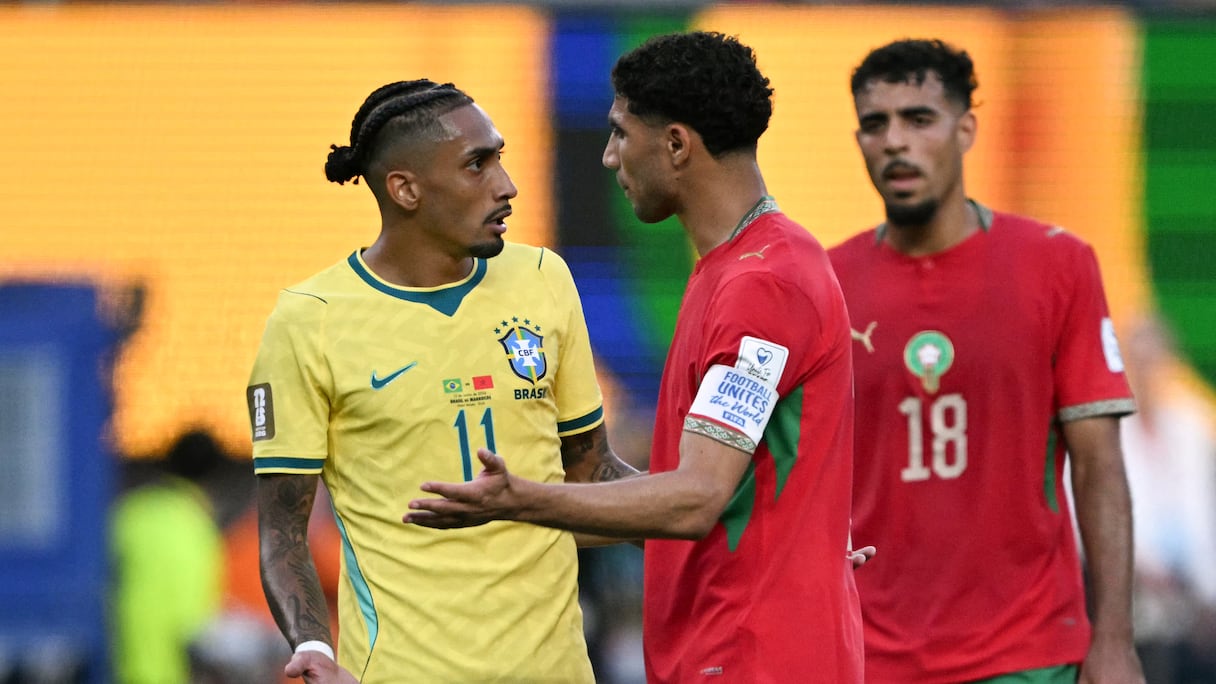
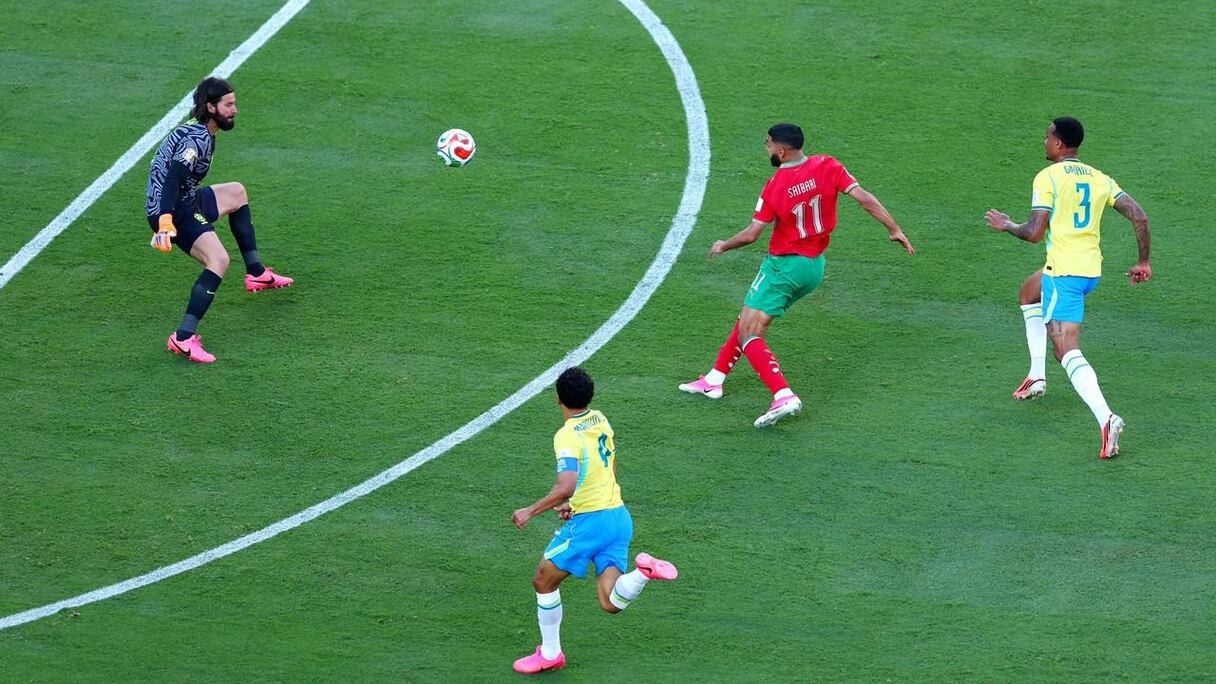
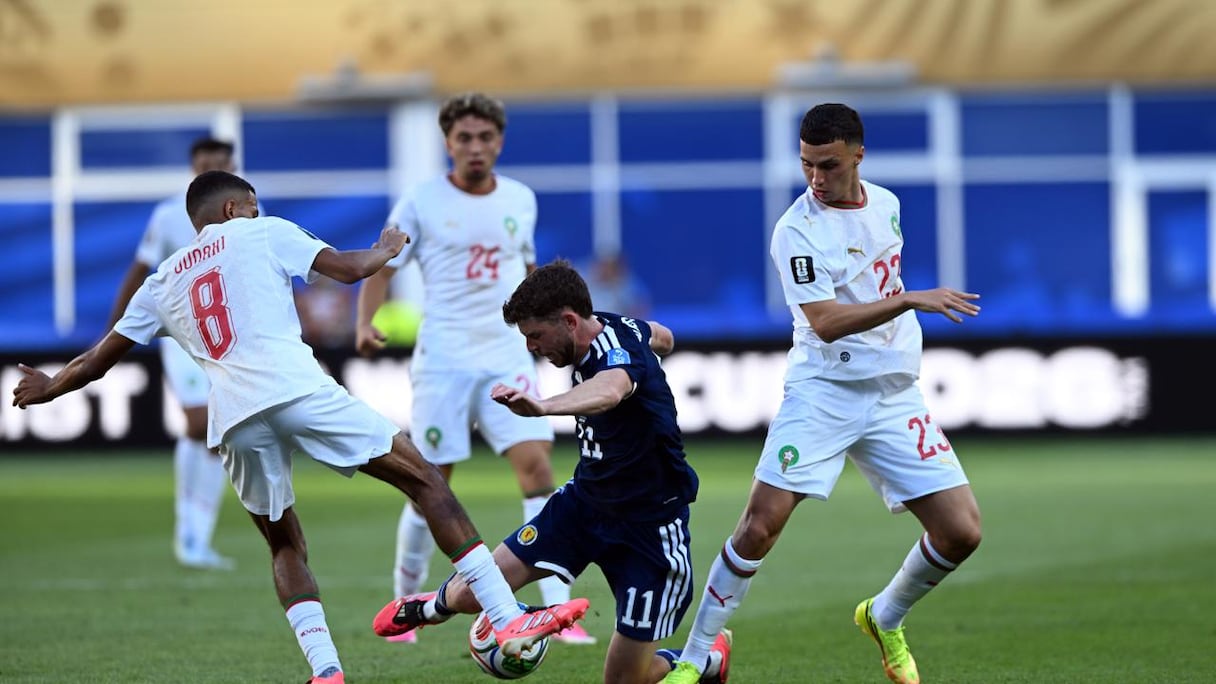
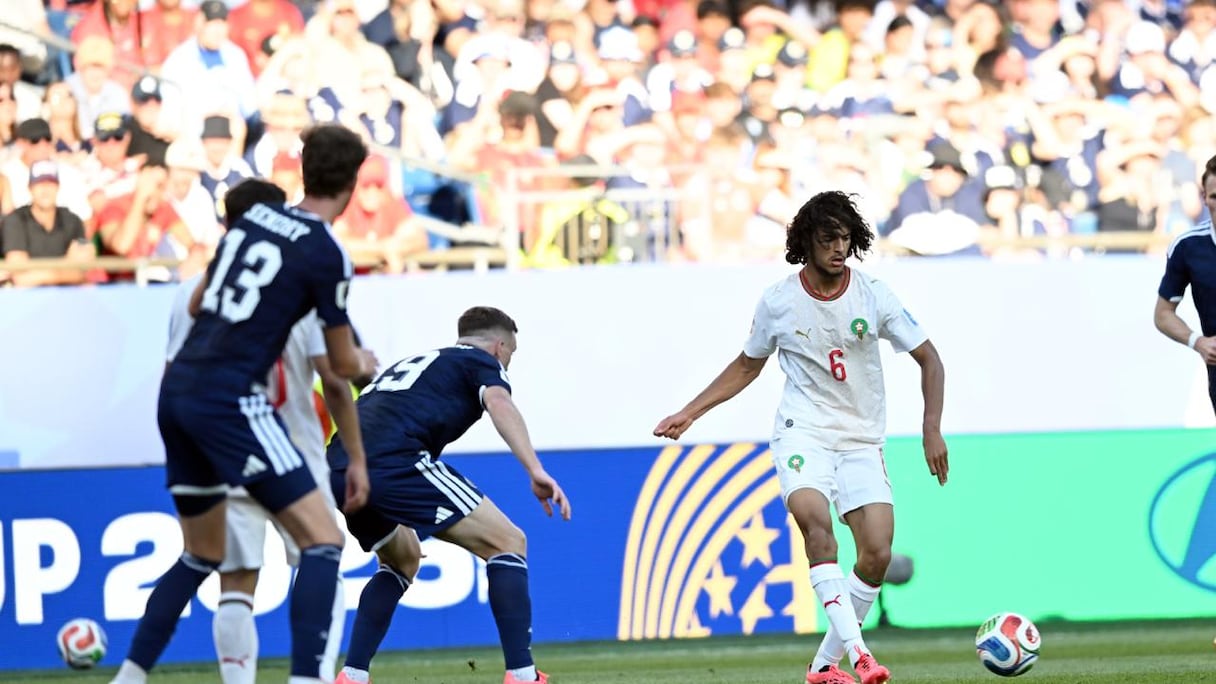
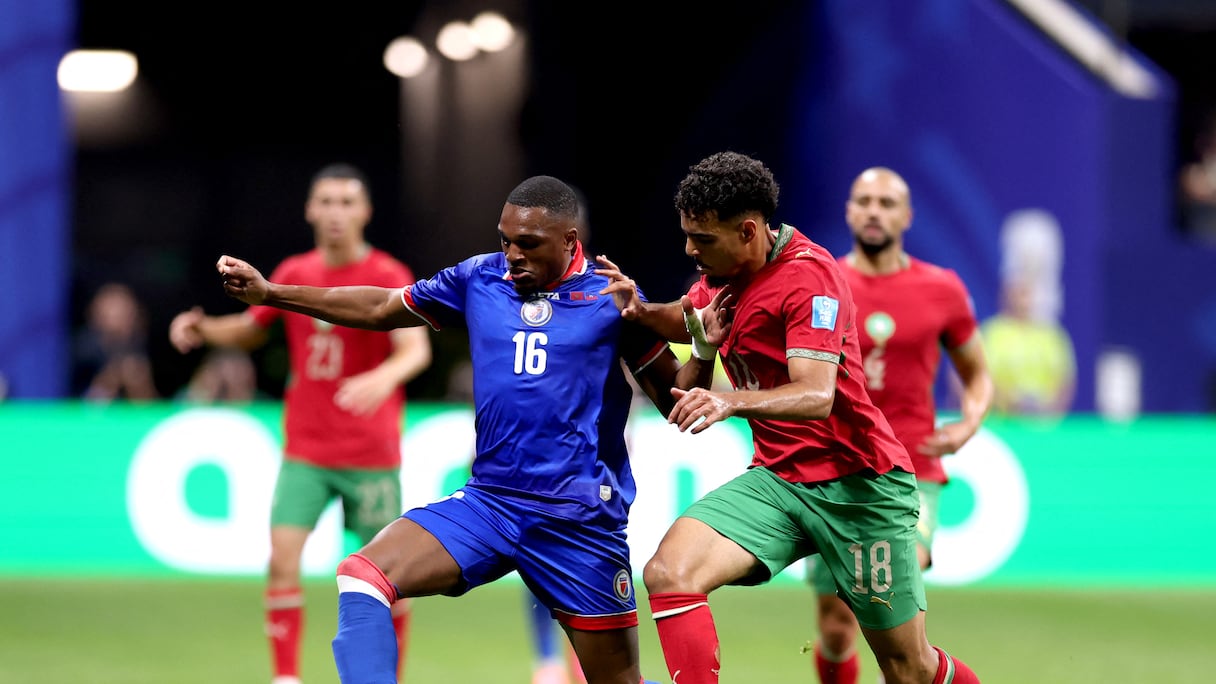
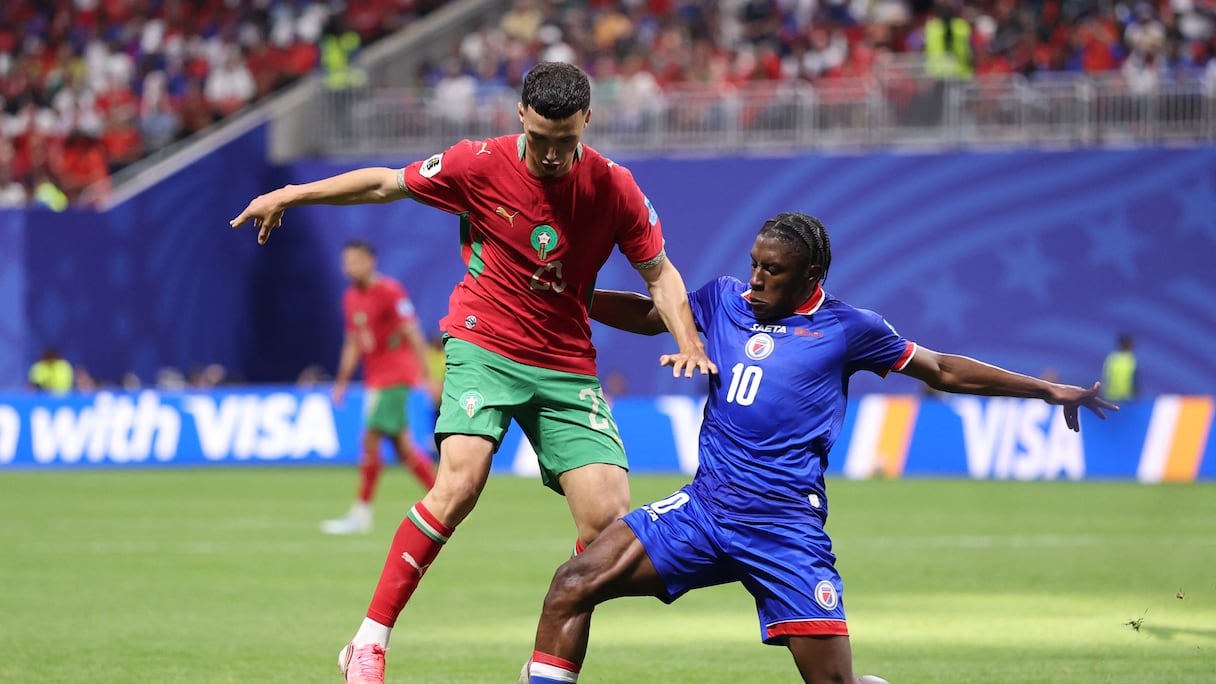
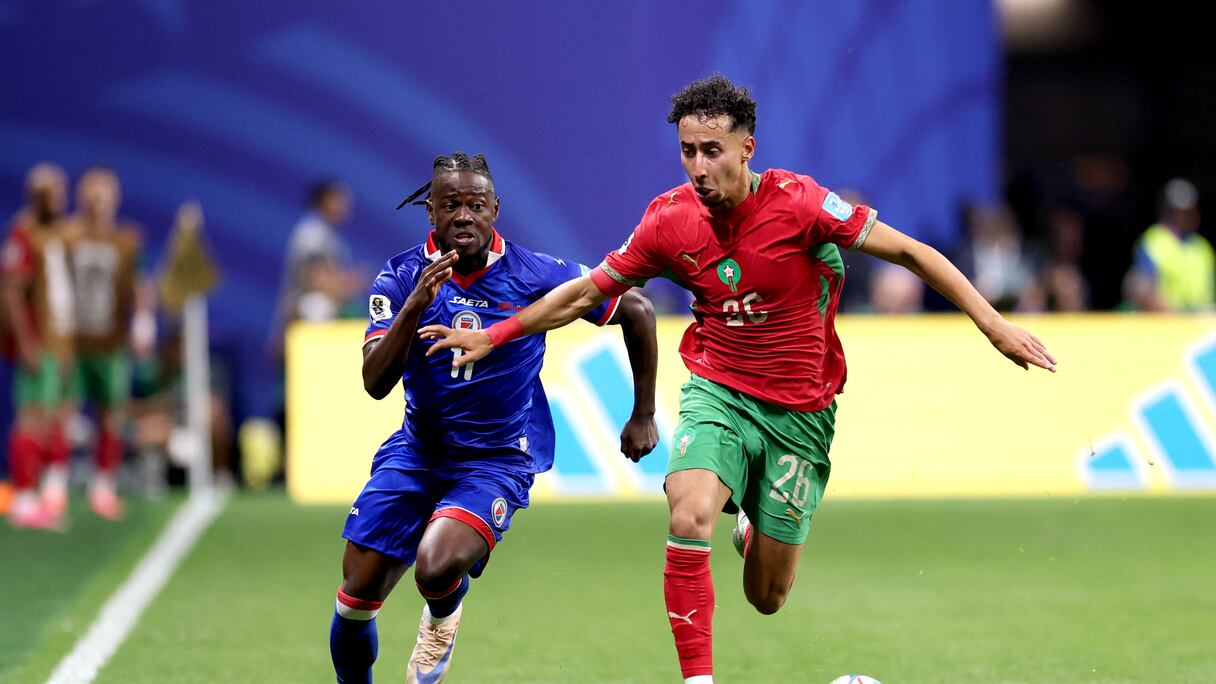
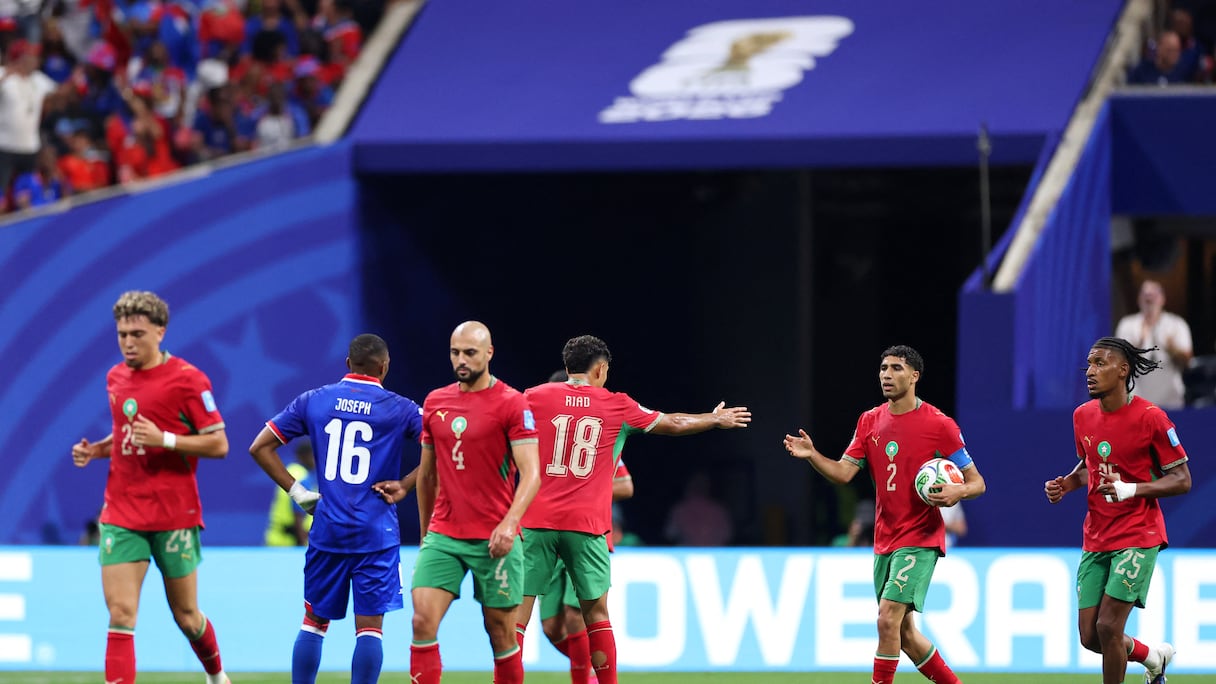
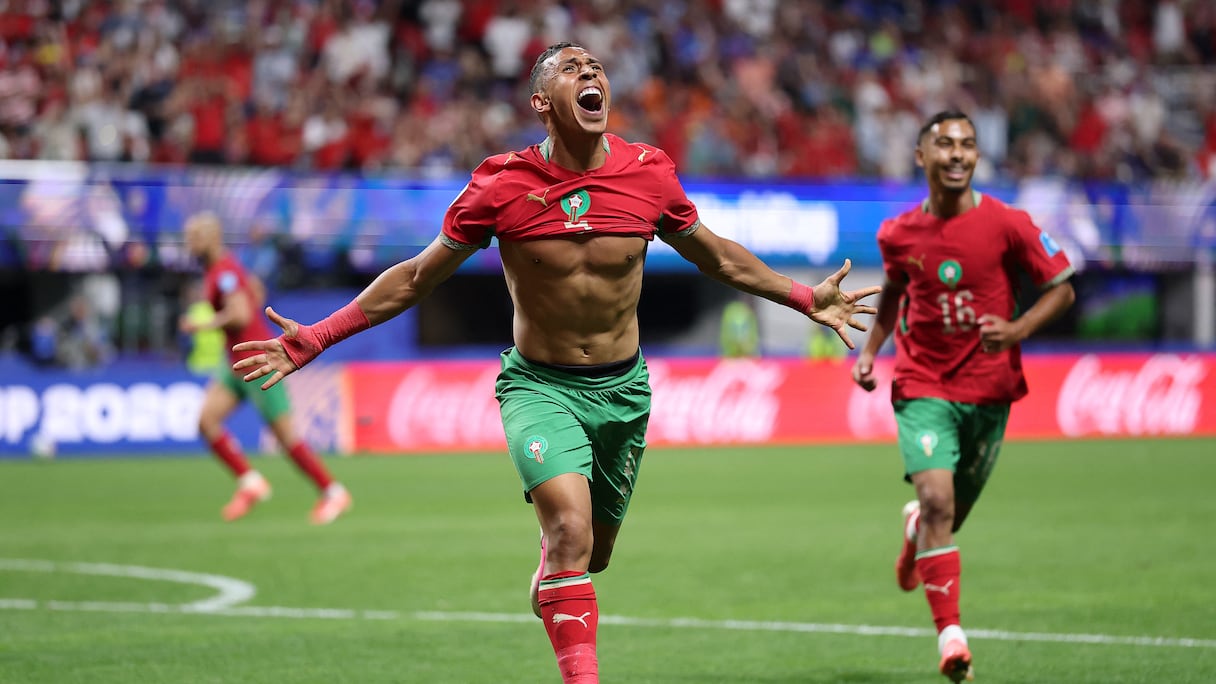
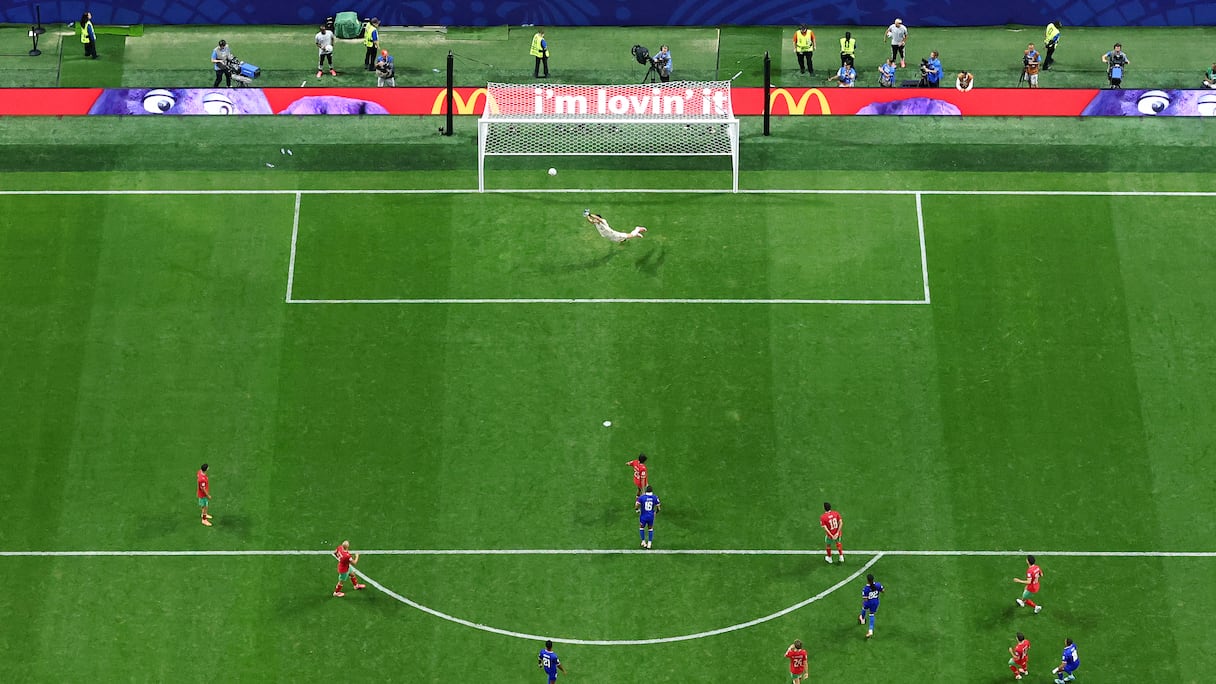
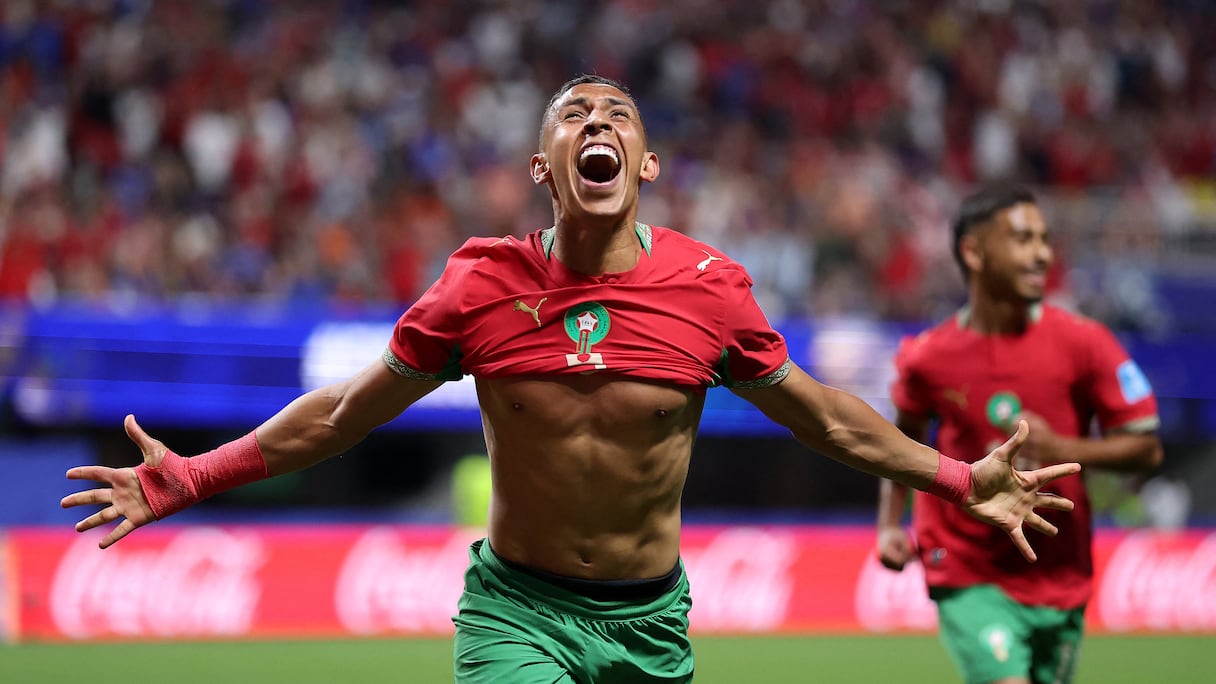
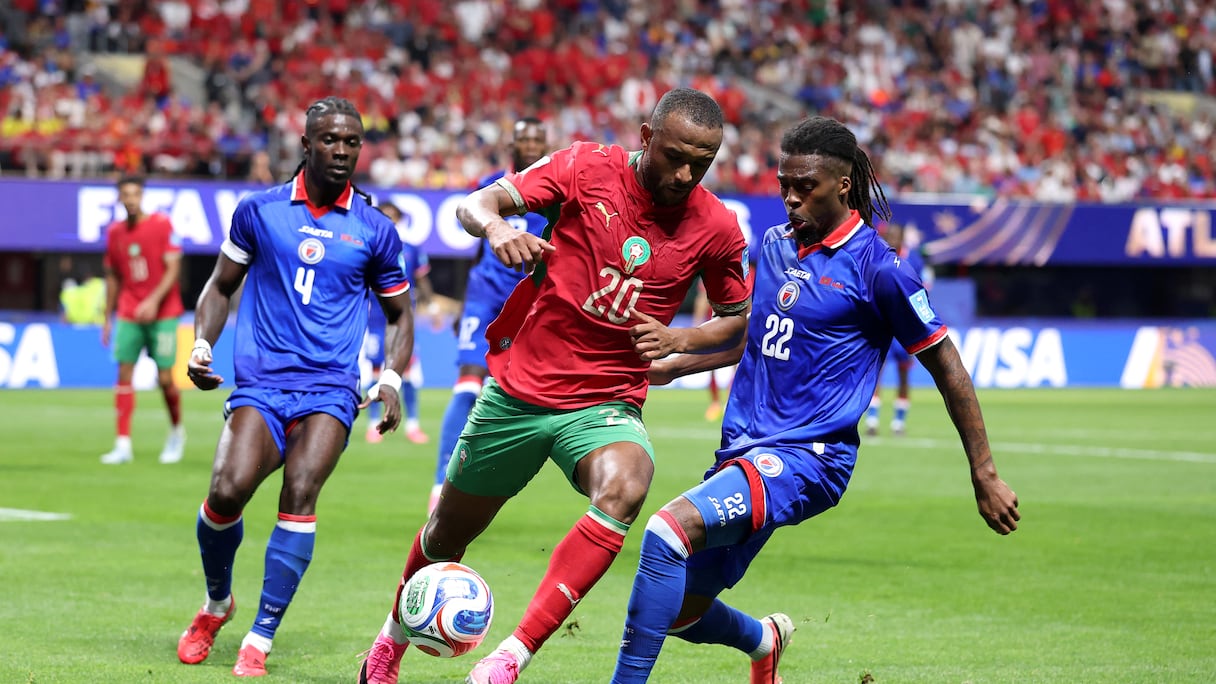
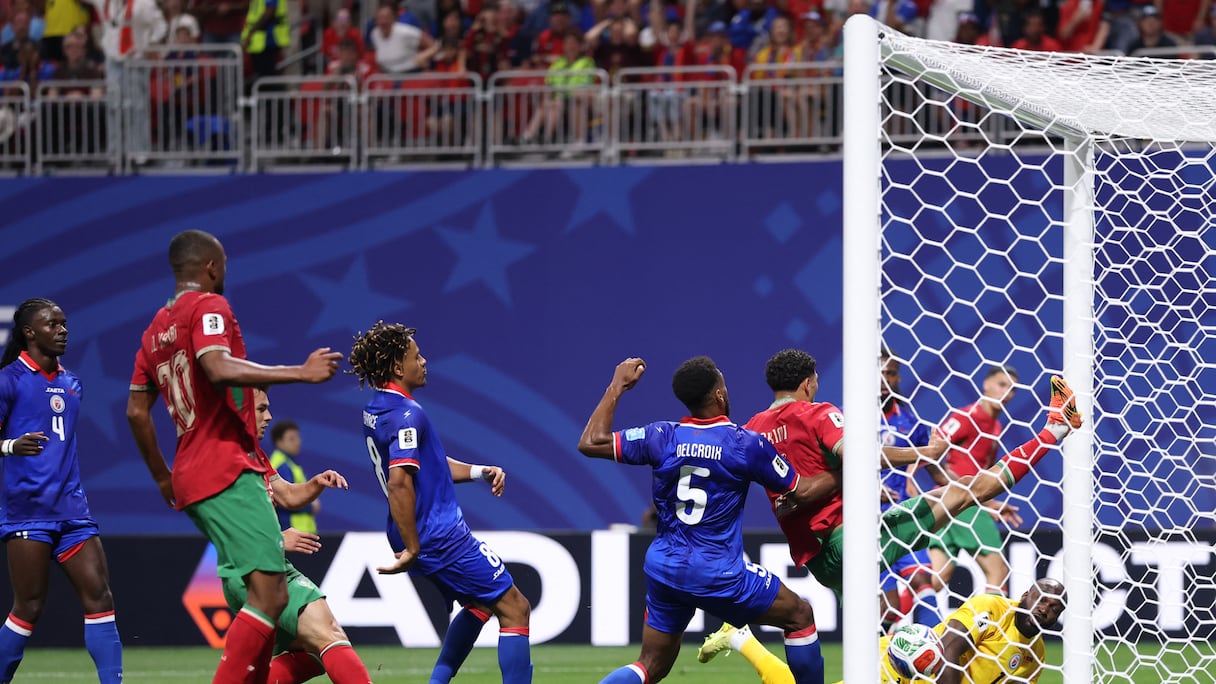
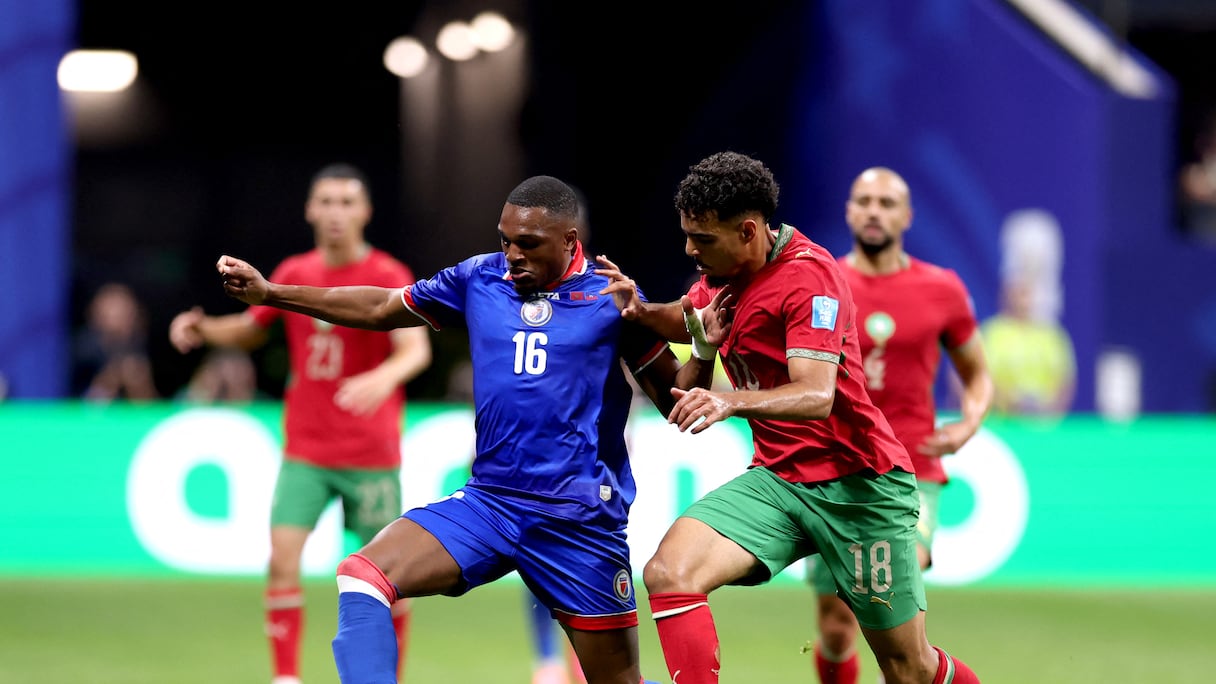
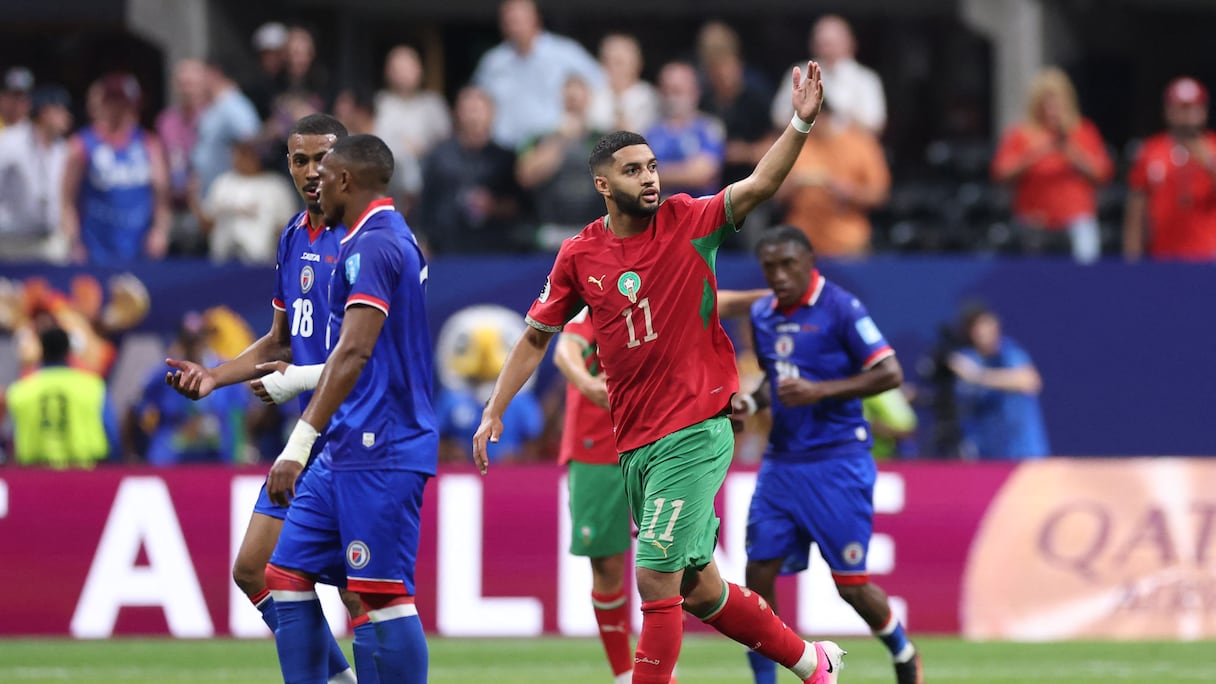
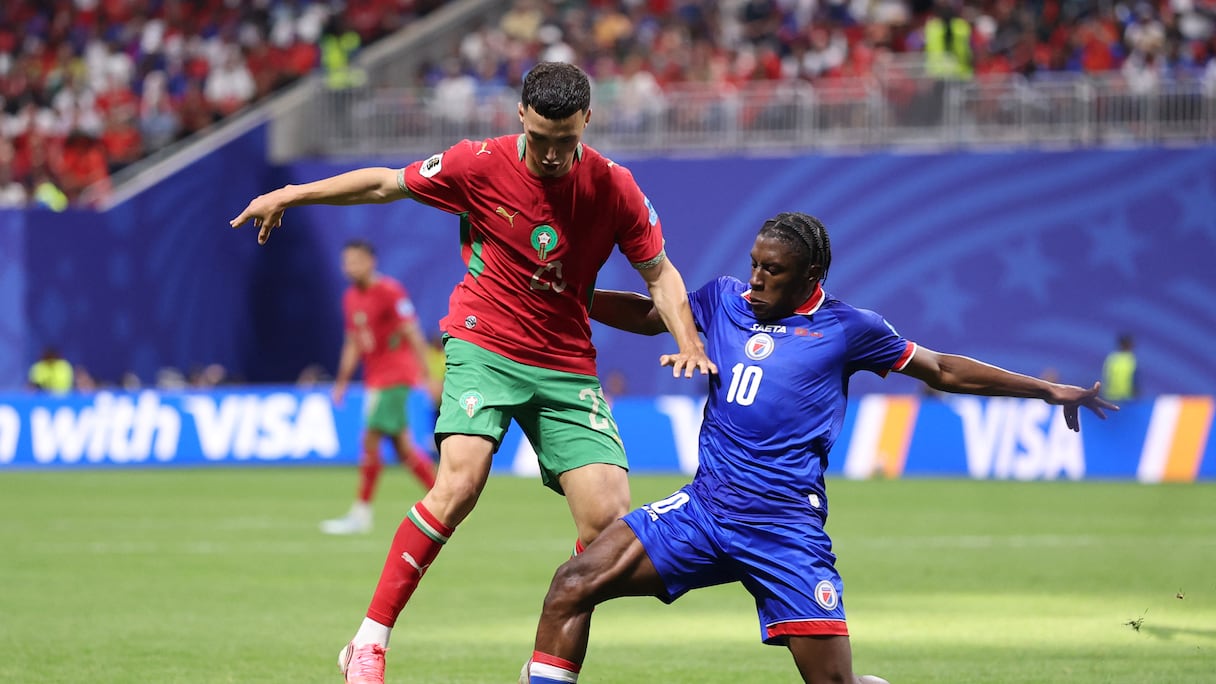
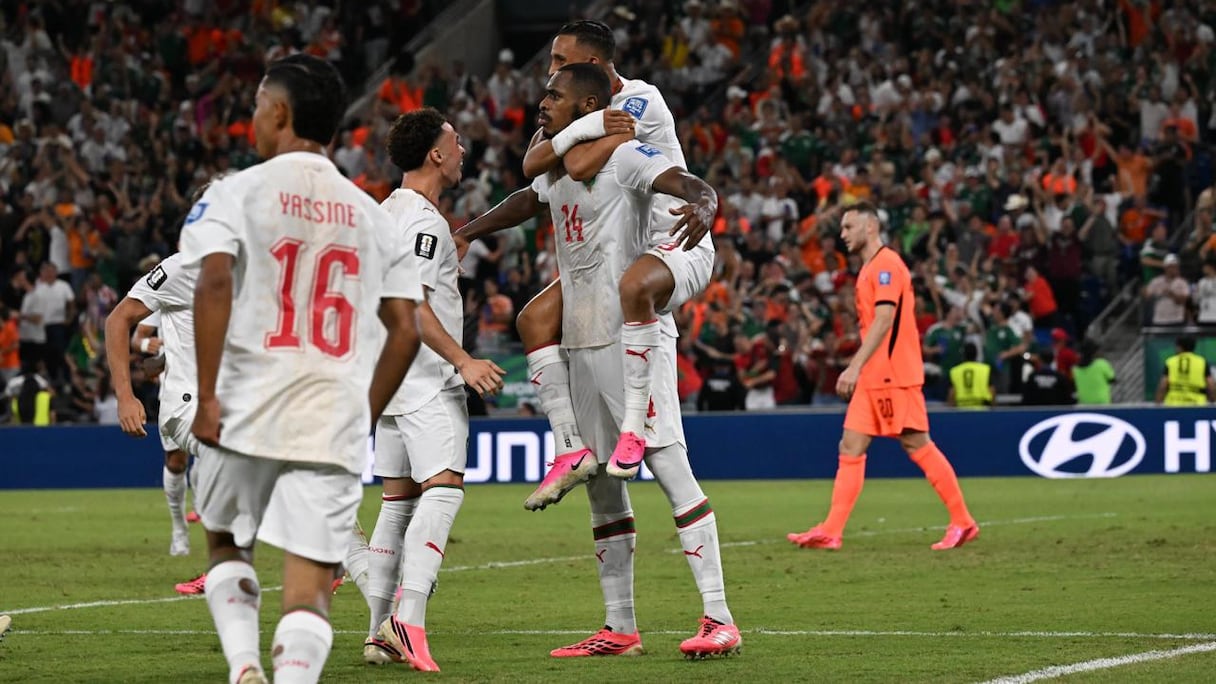
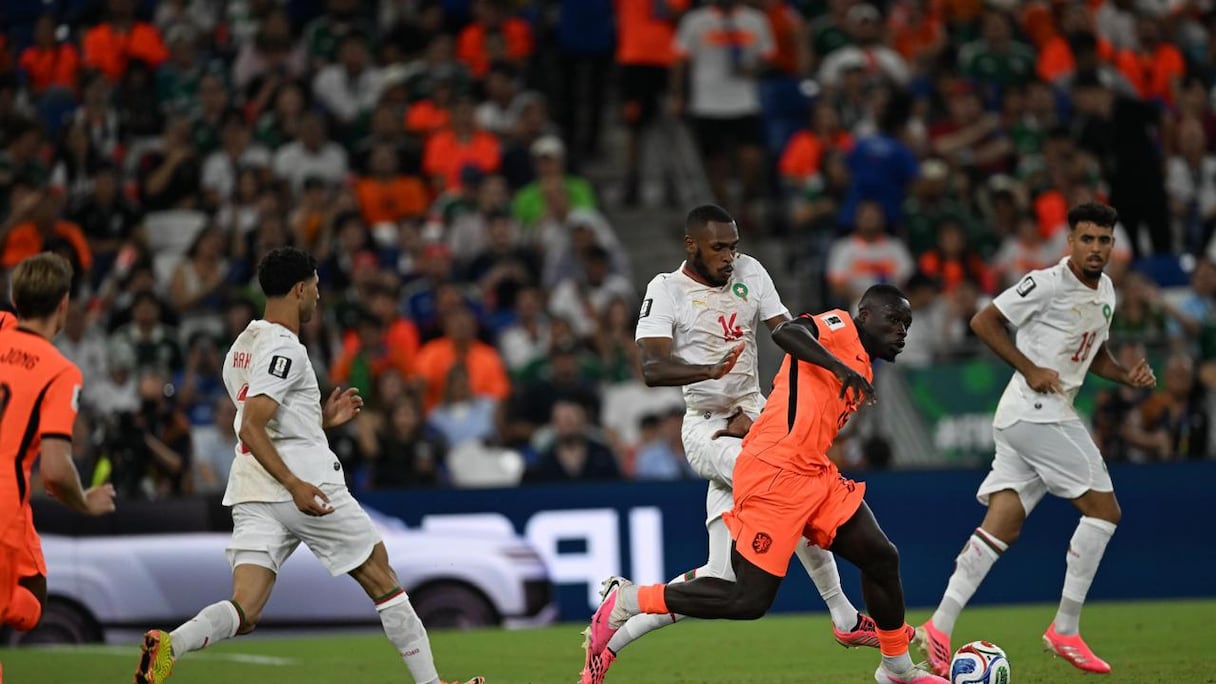
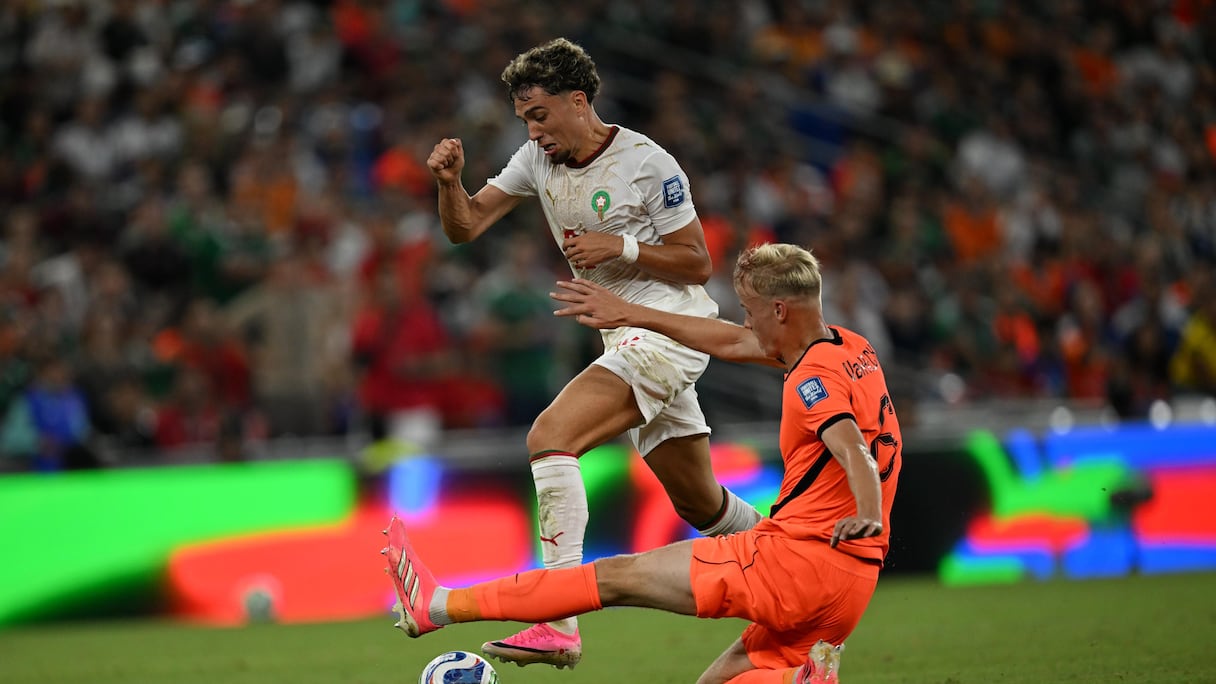
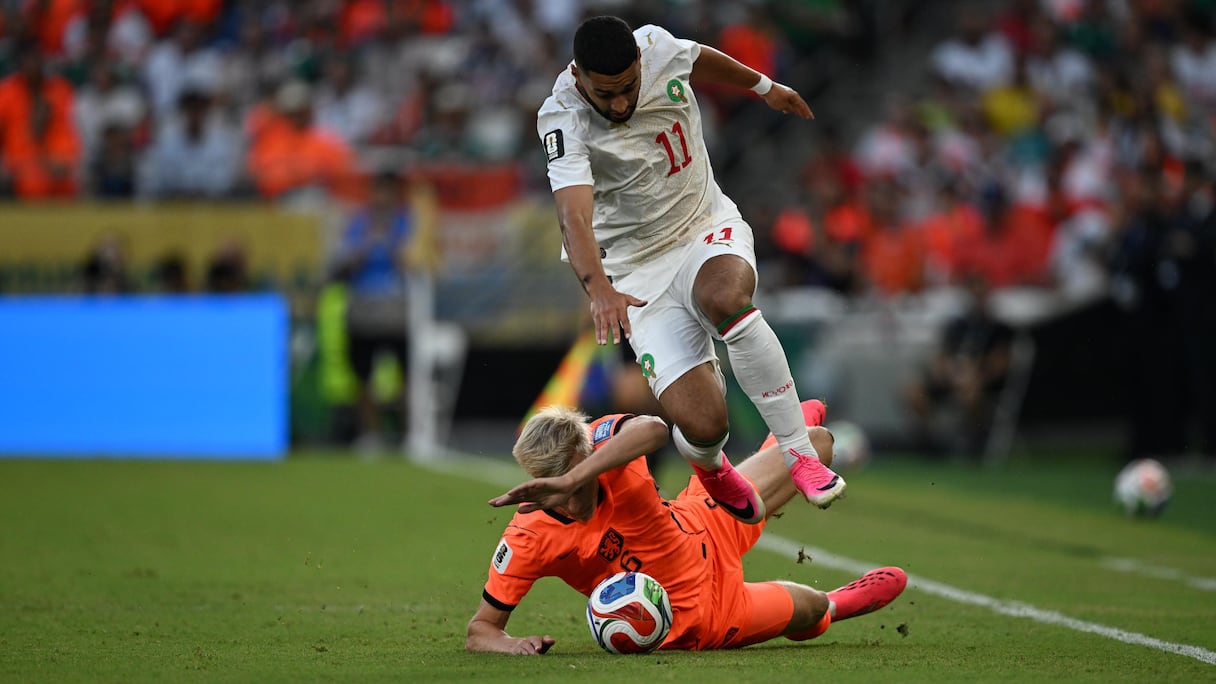
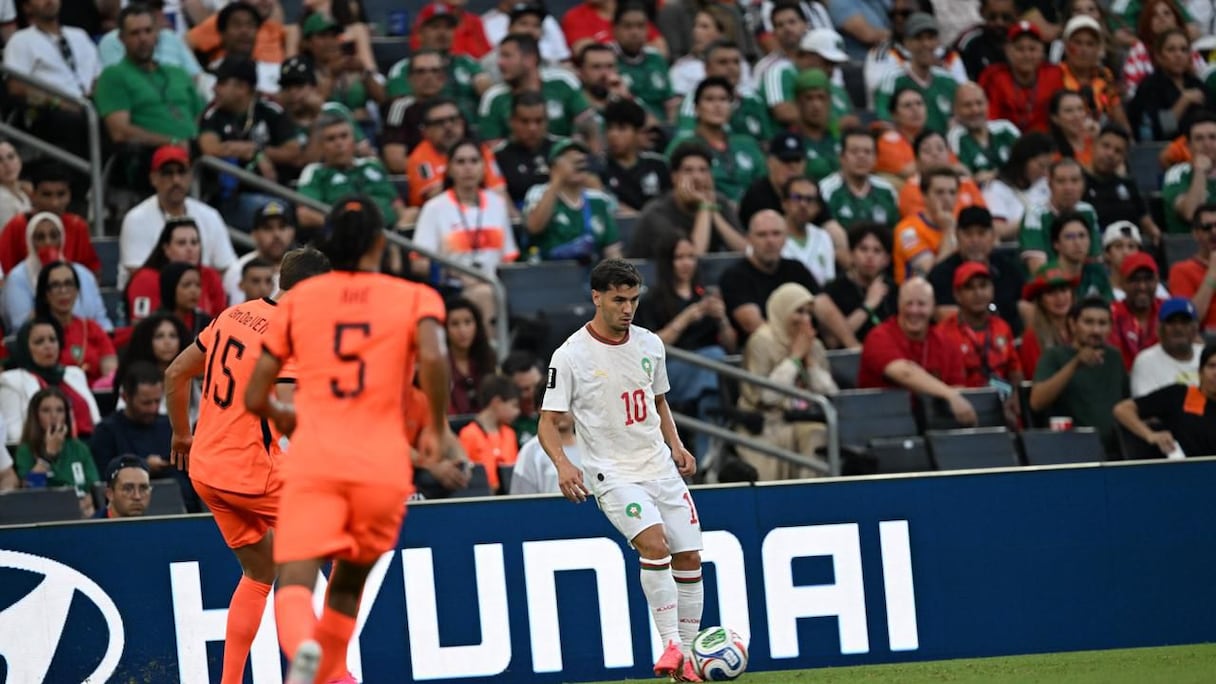
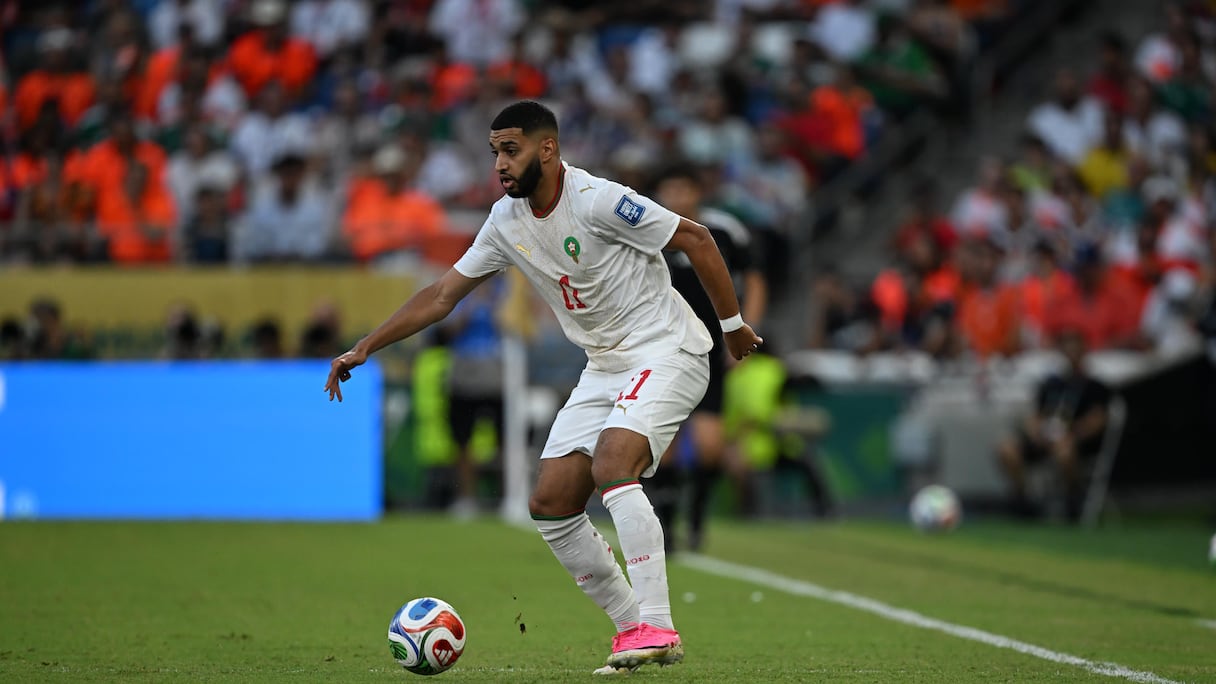
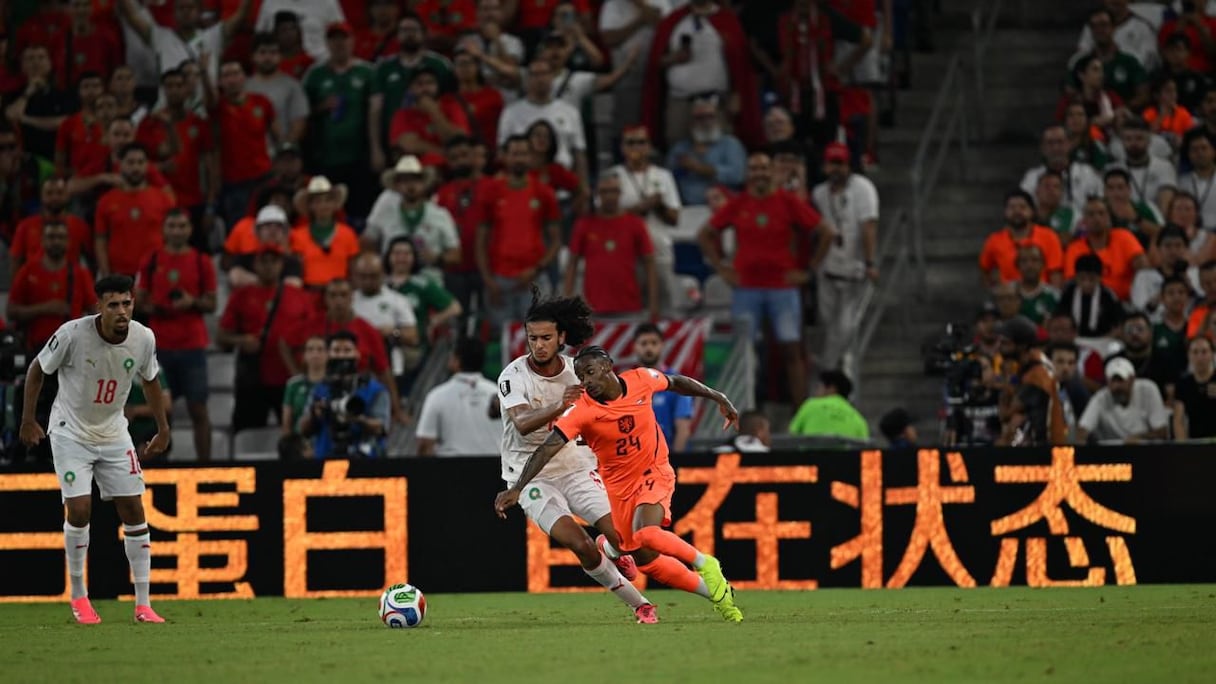
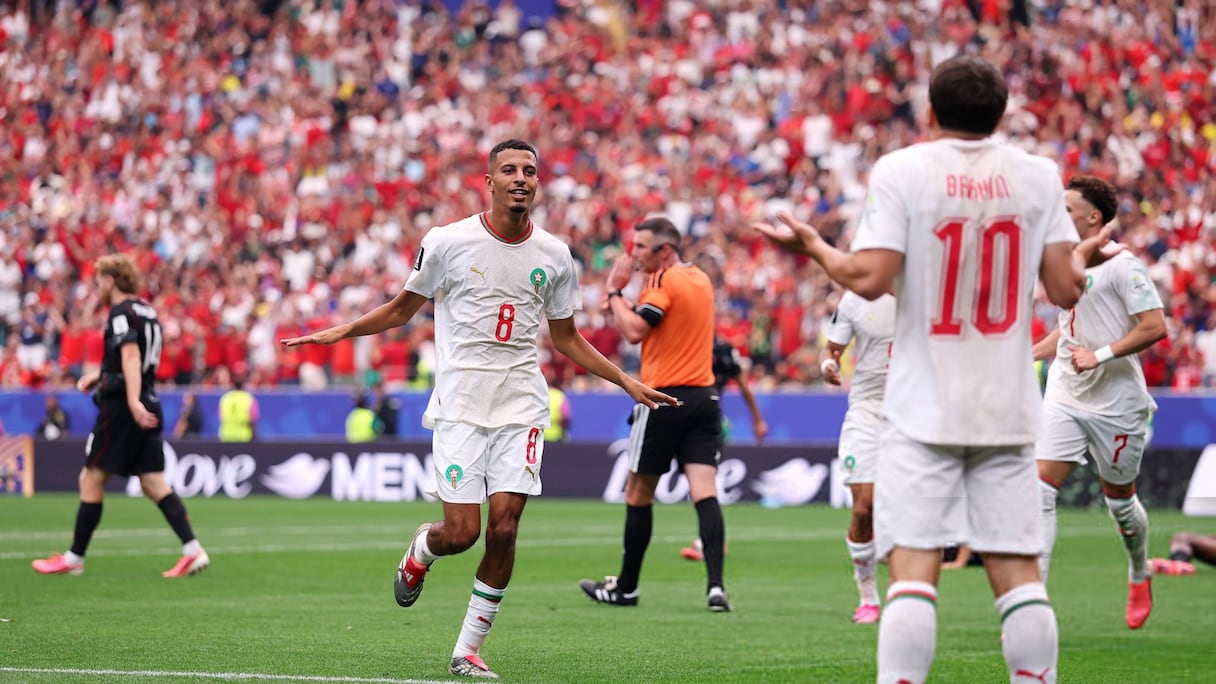
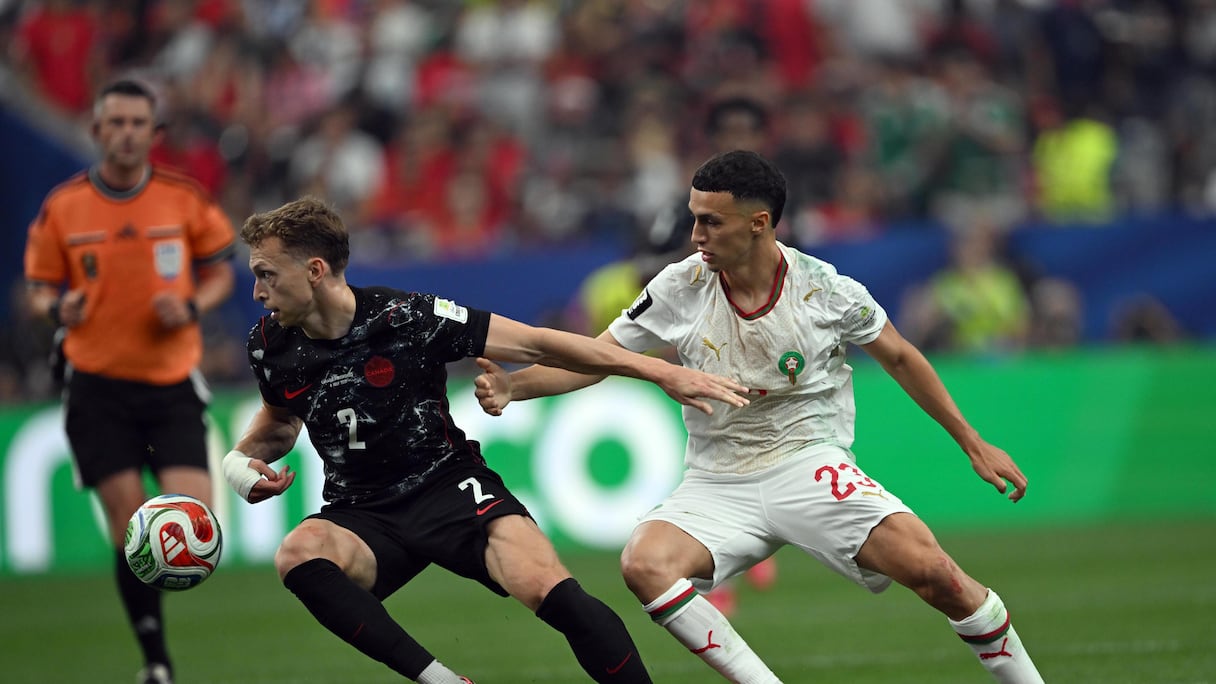
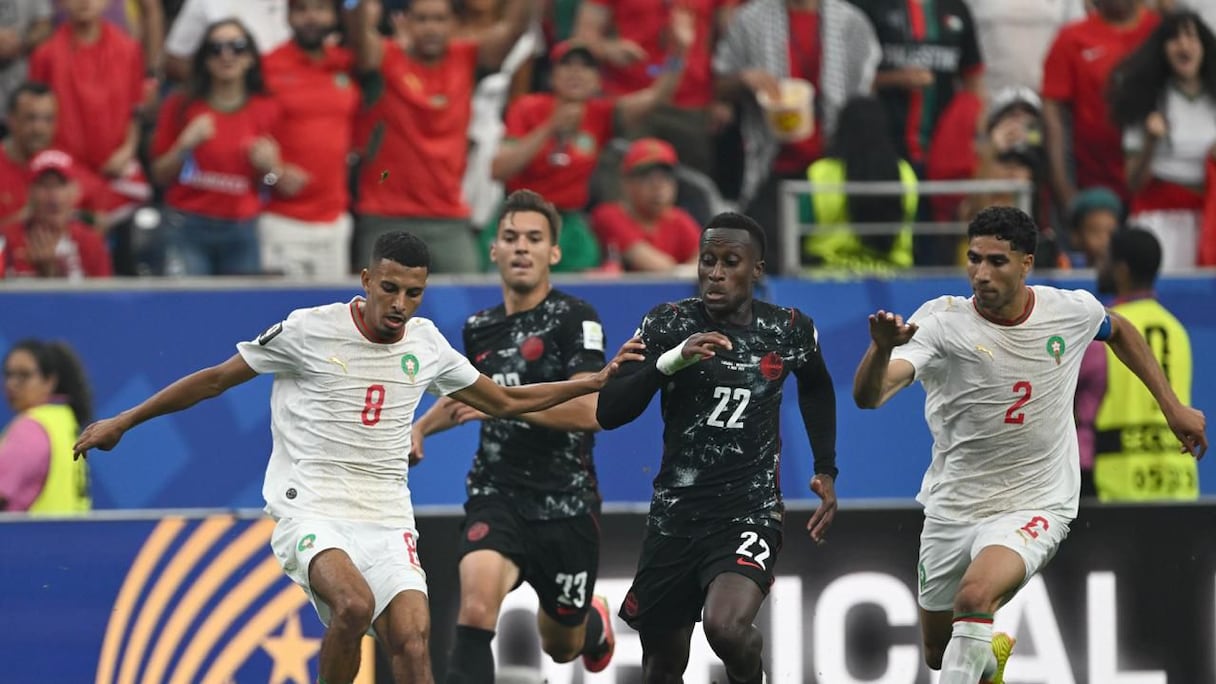
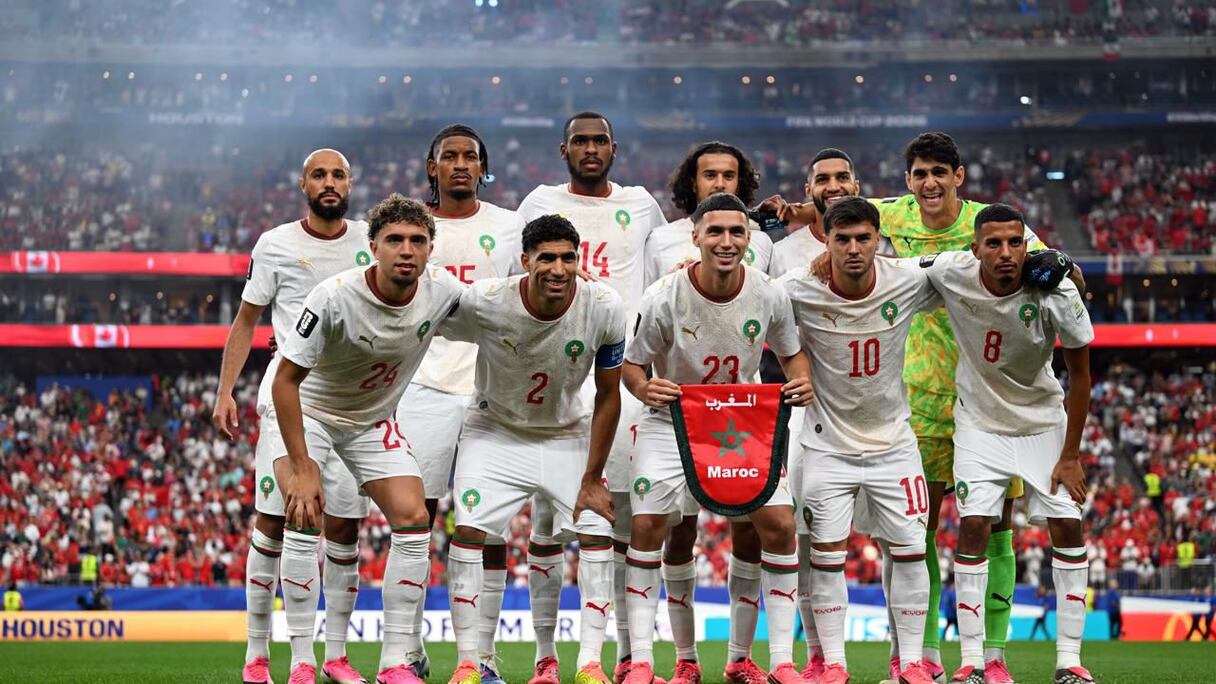
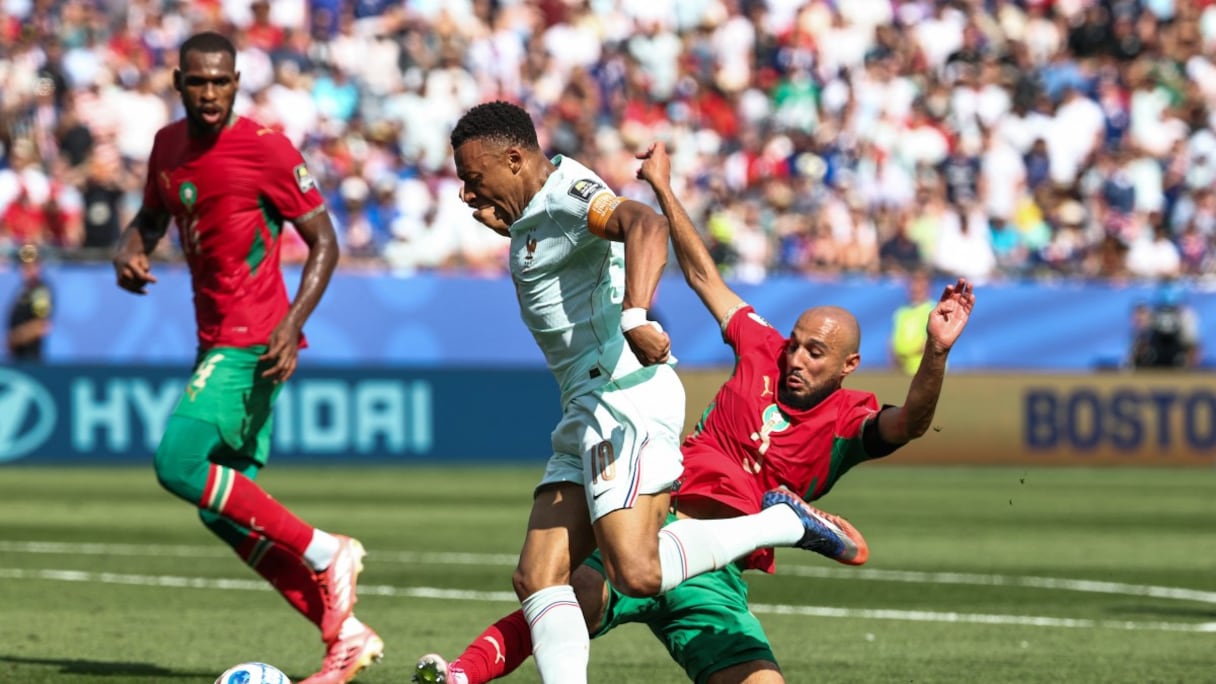
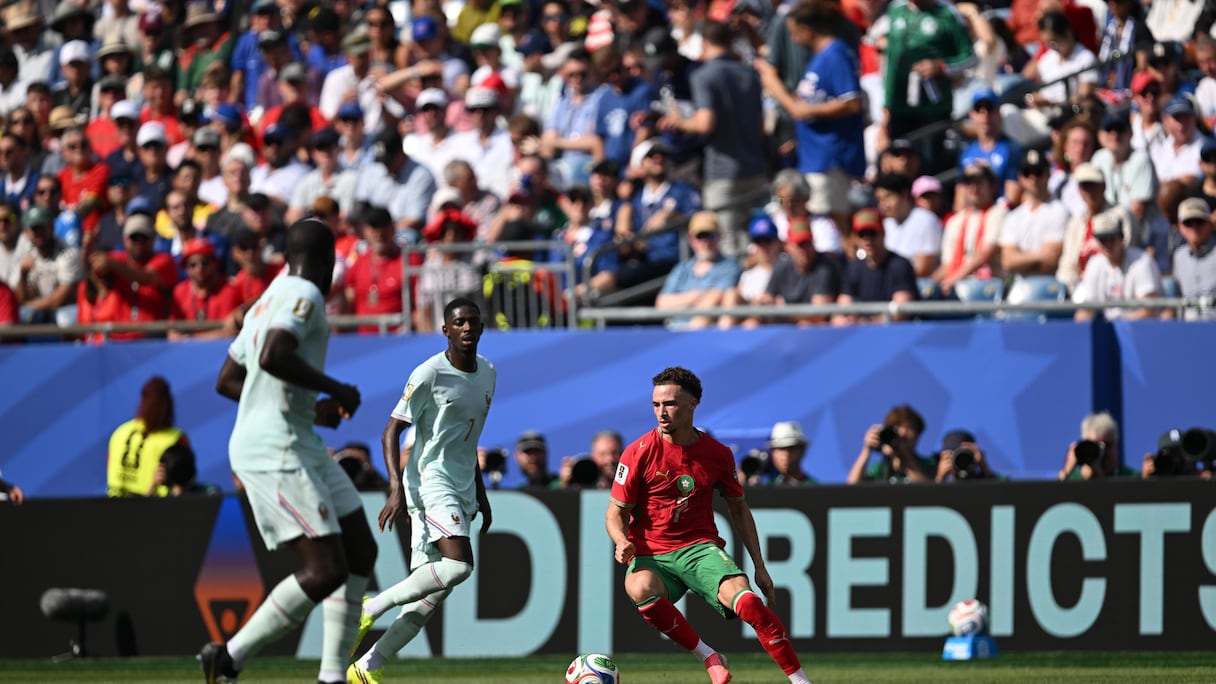
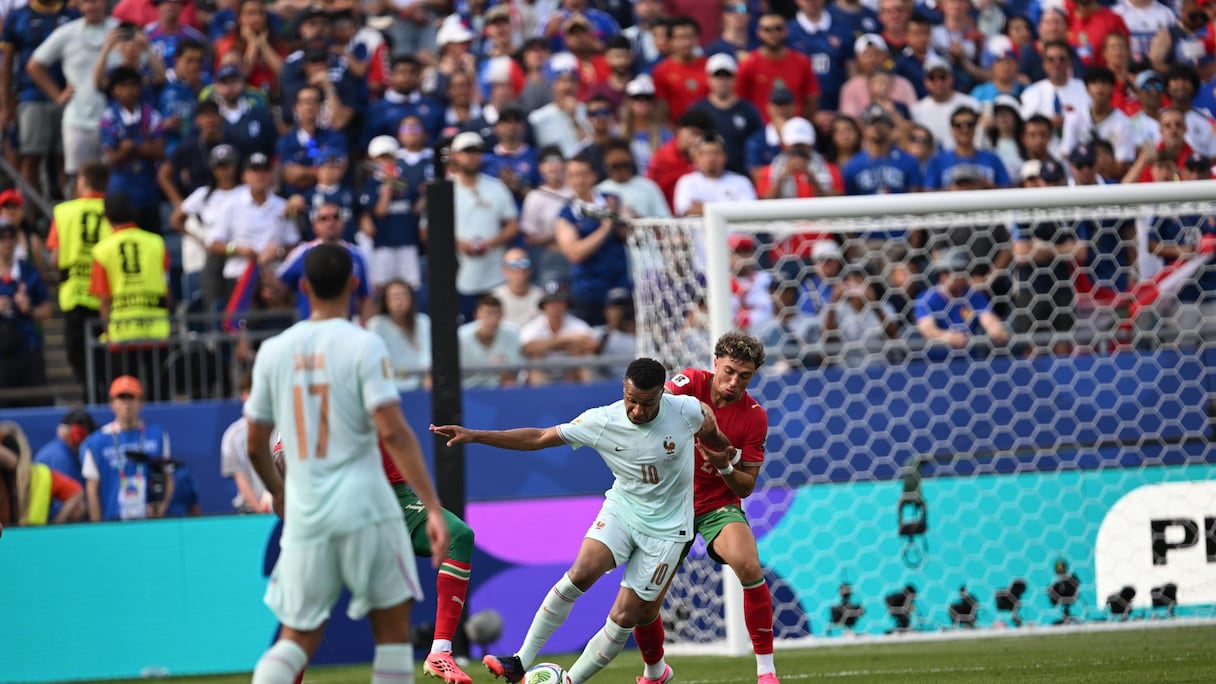
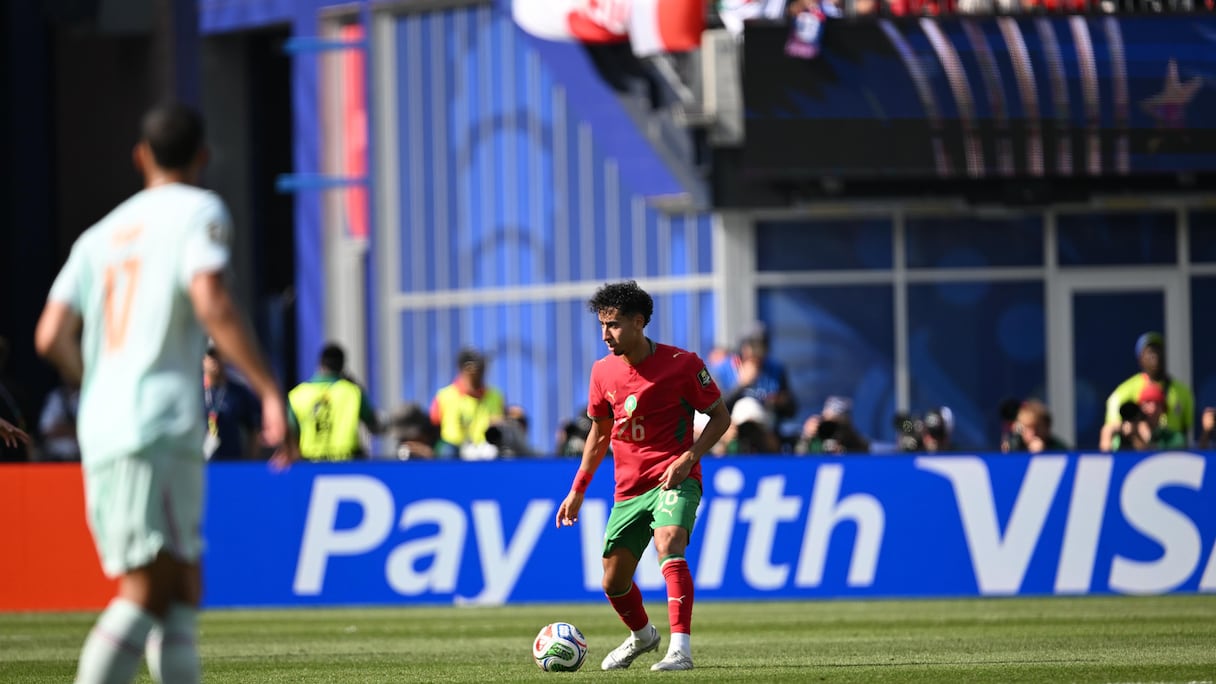
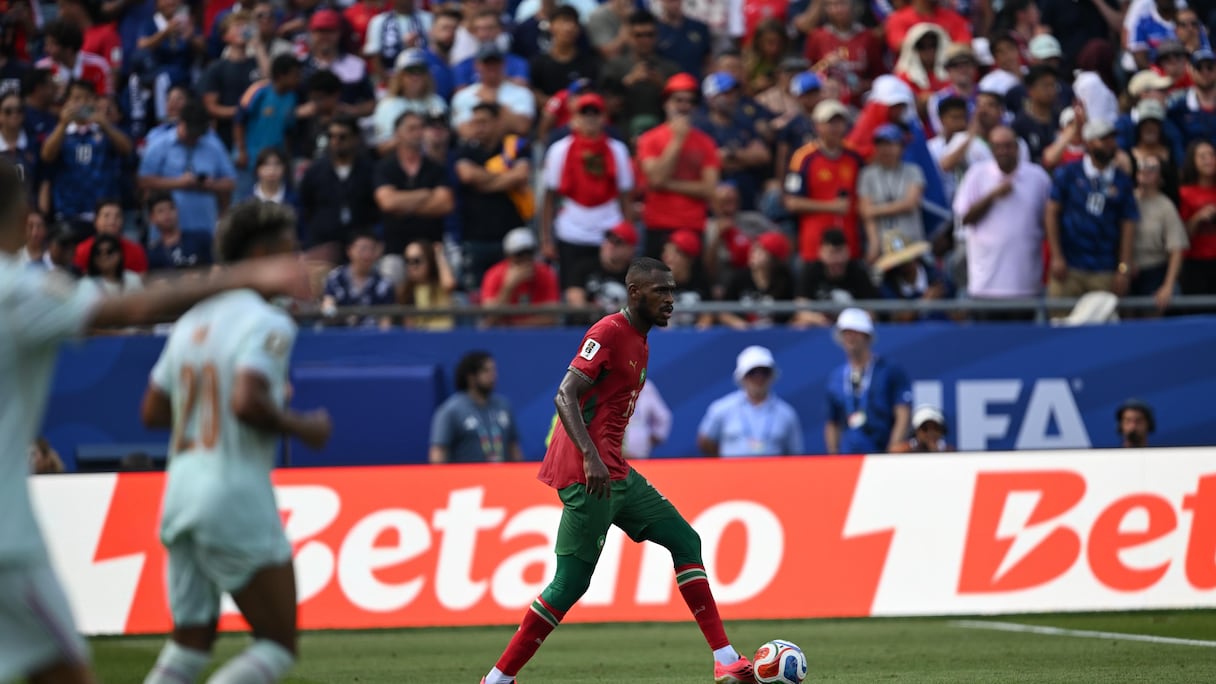
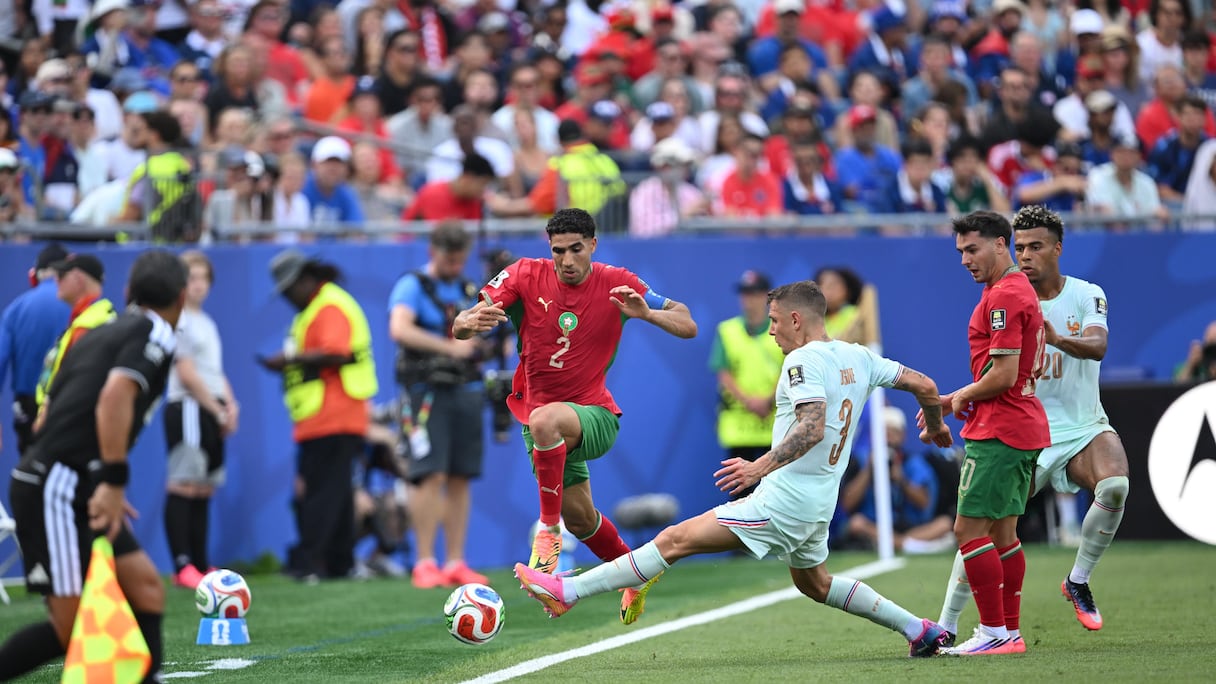
Ismaël Saibari fires home to give Morocco the lead against Brazil, ahead of Gabriel Magalhães, during their 2026 World Cup match in the New York metropolitan area (AFP).. AFP
