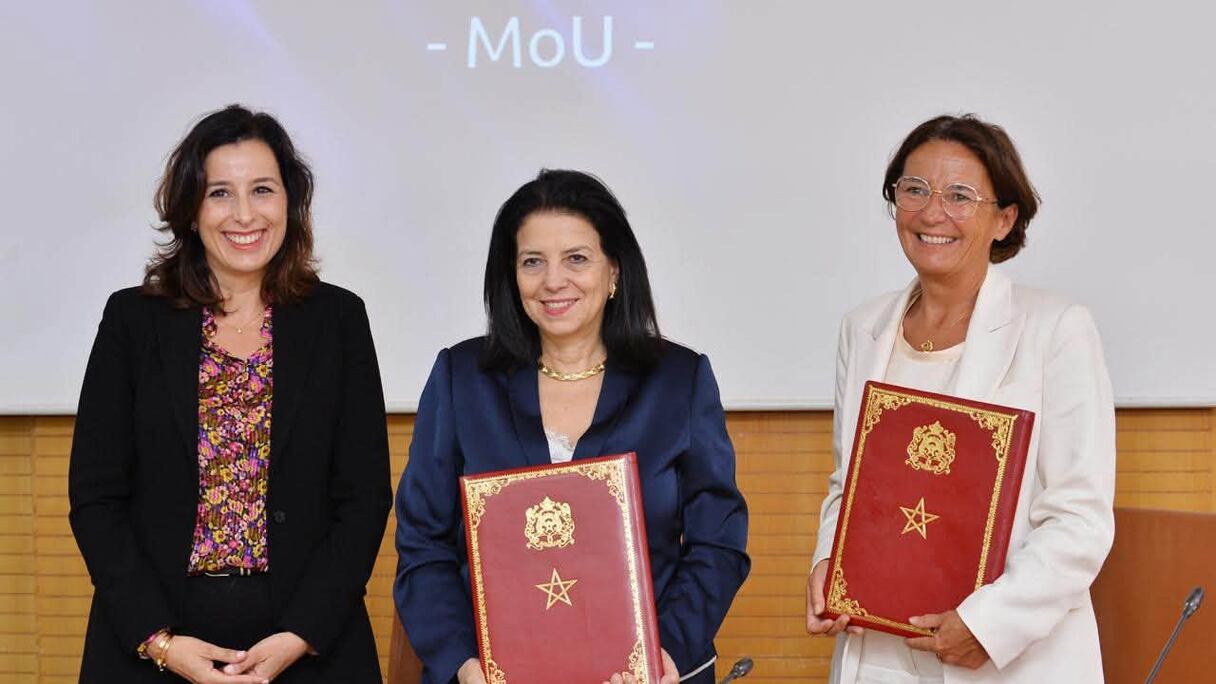
Morocco’s Ministry of Digital Transition and Administration Reform and Capgemini Morocco signed a memorandum of understanding in Rabat on Thursday, July 16, to advance artificial intelligence development and foster a stronger national AI ecosystem.
The agreement, signed by Minister Delegate for Digital Transition and Administration Reform Amal El Fallah Seghrouchni and Capgemini’s Global Chief Operating Officer Karine Brunet, aims to enhance AI skills and promote an AI culture among public sector institutions and academic stakeholders.
The partnership forms part of the implementation of Morocco’s “Digital Morocco 2030″ strategy and the “AI Made in Morocco” roadmap. It will also support startups and project teams backed by the Al Jazari Institute, while encouraging innovation and entrepreneurship in the AI sector.
Read also : Morocco partners with Harmattan AI to strengthen defense technology capabilities
Under the agreement, the two parties will work together to identify and develop practical AI use cases that can accelerate the technology’s adoption across public administration and support high-impact innovative projects.
Speaking at the signing ceremony, Seghrouchni said Morocco has made digital transformation and artificial intelligence strategic pillars for modernizing public services, boosting economic competitiveness, and driving social progress.
She said the agreement reflects a shared conviction that successful digital transformation must combine public-sector vision, technological excellence, collective intelligence, and effective implementation.
“We hope this partnership marks the beginning of a fruitful, ambitious and sustainable collaboration that matches Morocco’s digital ambitions and the confidence placed in artificial intelligence, young people and the country’s capacity for innovation,” she said.
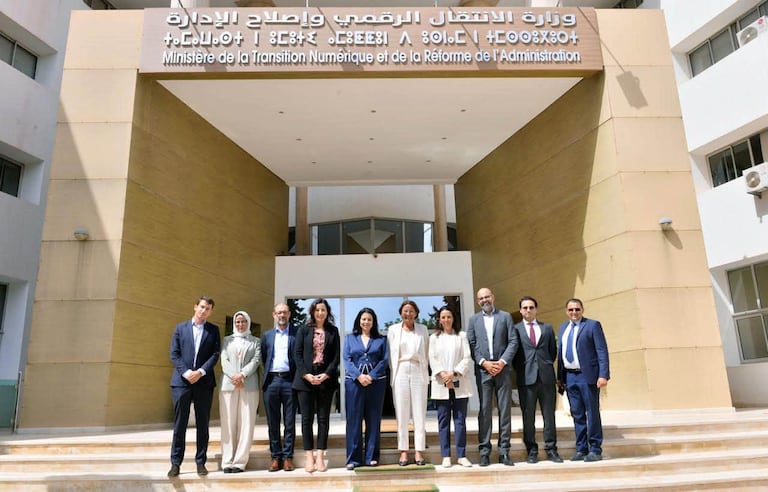
For her part, Brunet said Morocco has established itself as a key player in technology and digital services over the past several years, thanks to its ambitious vision, favorable business environment, and highly skilled talent pool.
She stressed that artificial intelligence alone is not enough without qualified human capital, noting that companies increasingly need professionals capable of combining technological expertise with business knowledge, data management, innovation, and the ability to operate in increasingly complex environments.
Capgemini Morocco Managing Director Badra Hamdaoua said the country’s digital transformation is ultimately driven by its human capital rather than technology alone.
She highlighted artificial intelligence as a turning point for Morocco’s technological future and stressed the importance of building strong collaboration between research institutions, public authorities, and industry to develop a robust national AI ecosystem.
Hamdaoua also reaffirmed Capgemini’s commitment to leveraging its global expertise to help position Morocco as a leading player in the digital economy of the future.
Through the partnership, the ministry and Capgemini aim to strengthen collaboration between public institutions, academia, and the private sector, contributing to the development of a national artificial intelligence ecosystem that supports Morocco’s ongoing digital transformation.