Reading in schools, support for creative work and heritage preservation are among the priorities outlined in the 2026-2031 government program presented Monday, October 19, to both chambers of Parliament by Fatima Ezzahra El Mansouri. The government aims to expand access to culture, reduce regional disparities, and strengthen the sector’s contribution to development.
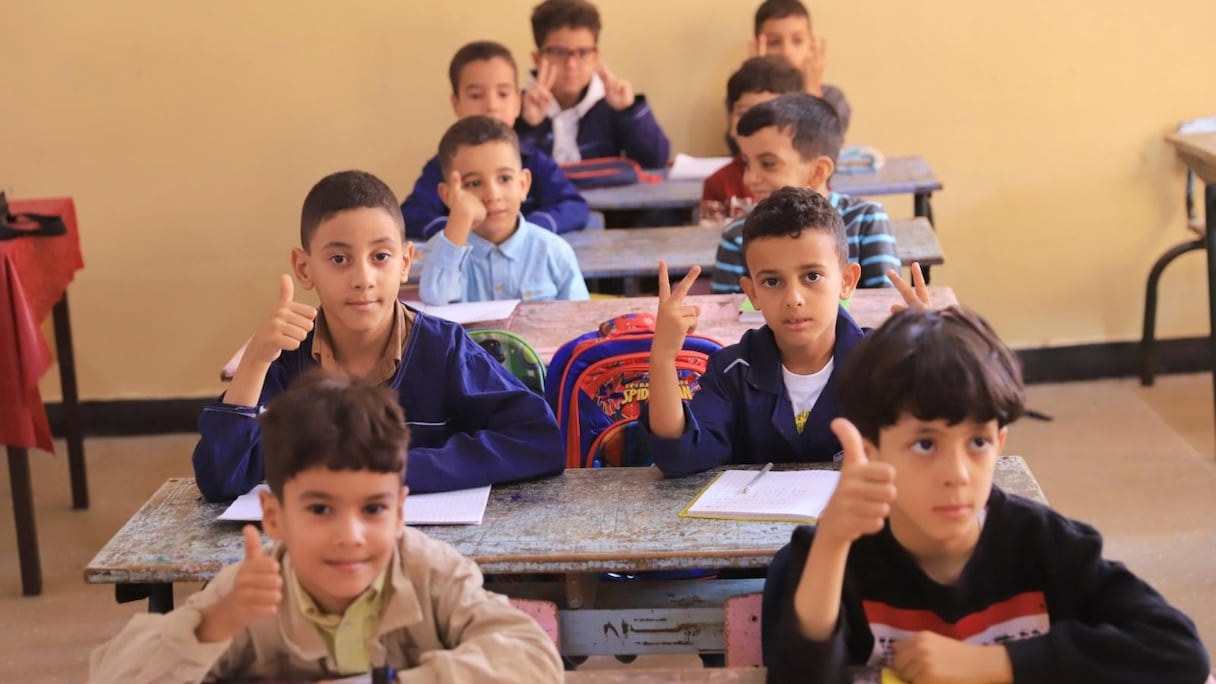
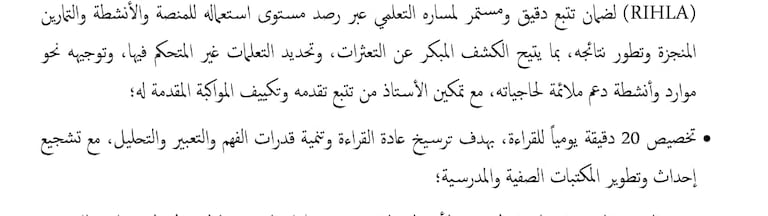
Promoting reading features prominently in the roadmap, with a commitment to devote 20 minutes each day to reading in primary education. The goal is to establish a regular reading habit from an early age while strengthening students’ reading comprehension, expression, and analytical skills.
The measure builds on a program announced for the 2022-2023 school year by Chakib Benmoussa, then minister of National Education, Preschool and Sports. It provided for 10 minutes of reading at the beginning of each Arabic and French class. The pilot program was to cover around 800 primary schools before being rolled out nationwide in the second half of the school year.
Contrary to what a renewed focus on the initiative might suggest, the measure had not disappeared from the ministry’s policies. In February 2024, Chakib Benmoussa was still referring to daily reading activities integrated into school hours, along with the provision of book collections in schools. The initiative now falls under the department headed by Nabil Benabdallah, minister of National Education, Preschool, Vocational Training and Qualification.
Read also : Govt council approves 2027 Finance Bill, clears way for parliamentary debate
Support for books and broader access to culture
On the economic and cultural front, the government is focusing on structuring cultural production chains and actively supporting the book and publishing sector. The program also calls for strengthening the network of public libraries, cultural centers and cultural houses to ensure continuous programming and eliminate regional disparities in access to books.
National identity and the Amazigh language
The government’s cultural policy reaffirms the diversity and richness of Moroccan identity, as well as the official status and promotion of the Amazigh language. The government wants to accelerate implementation of Organic Law No. 26.16 through a special fund of 2 billion dirhams.
It also plans to reactivate the permanent ministerial commission responsible for monitoring the integration of Amazigh into education, public administration, the justice system, media and public signage. National values will be promoted through schools, public media, cinema and digital content creation.
Preserving and promoting cultural heritage
Preserving collective memory will go hand in hand with modernizing its management. Law No. 33.22 on heritage protection will be implemented alongside efforts to inventory, document and digitize historic monuments and intangible heritage. Major projects to rehabilitate historic sites will continue and incorporate heritage into tourism appeal and territorial development initiatives.
Read also : Govt plans training, work experience for 200,000 youth a year from 2027
Artists, cultural facilities and governance
The program aims to improve artists’ socioeconomic conditions, strengthen their skills and support young creatives. It states that cultural facilities will be rehabilitated nationwide. Support will also extend to artistic events, music, theater, publishing and national digital content.
Cultural services are expected to be digitized, unified databases will be created and attendance at cultural facilities will be measured regularly. The government states explicitly in its program that public funding will be tied to specific performance indicators.
