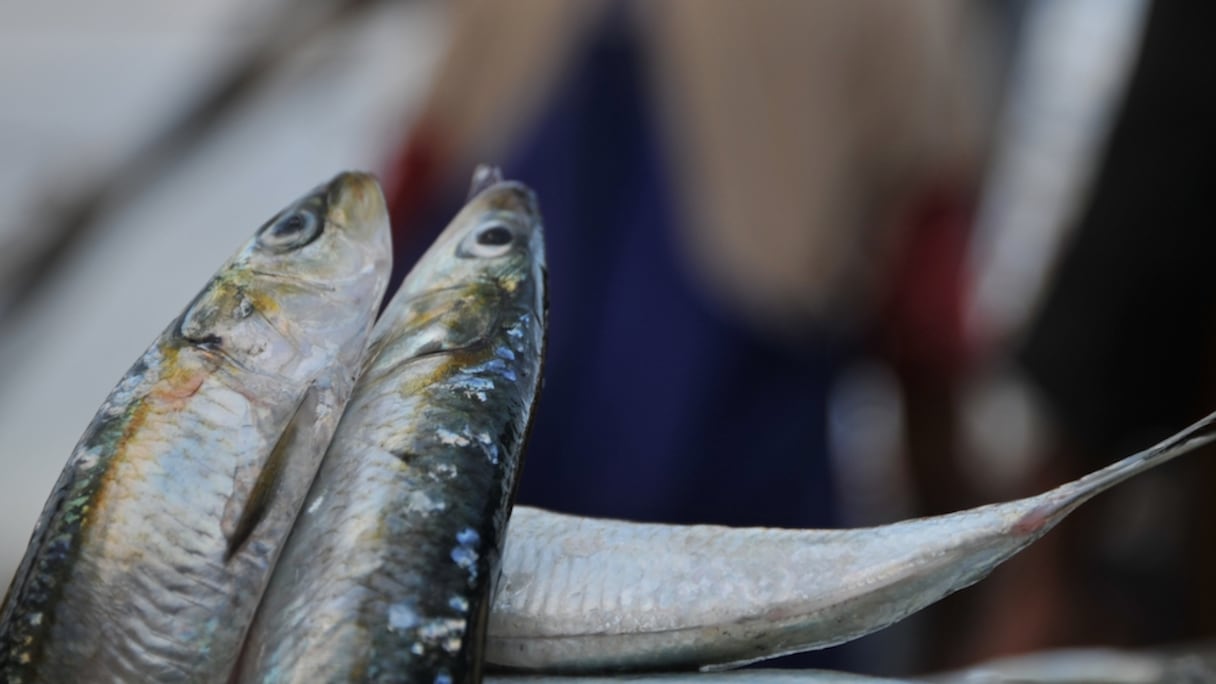
German consumers looking for sardines are often leaving empty-handed. Supplies have fallen sharply in many supermarkets and discount stores, according to an investigation by the DPA news agency.
Discount retailer Aldi acknowledges that some products may be temporarily unavailable. “The availability of sardines is currently limited in part due to difficult fishing conditions,” the company said. Meanwhile, Rewe referred to a “tight raw material situation across Europe,” affecting both its private-label products and major brands.
Lidl has reported similar difficulties. “Currently, due to growing demand for sardines, occasional restrictions on availability may occur,” the group said, adding that it is working with suppliers to restore supplies as quickly as possible. Kaufland has also acknowledged isolated shortages, while home grocery delivery service Picnic said it too has been affected.
A fishery in decline for several years
The source of this scarcity lies thousands of kilometers away from German supermarket shelves. “The most important sardine fishery for the European market, off the coast of Morocco, has been suffering from declining stocks for years,” Stefan Meyer, director of the Fish Information Centre in Hamburg, told DPA.
According to the latest available figures, around 965,000 tonnes of sardines were landed in 2022, compared with just 525,000 tonnes in 2024, representing a decline of nearly 46% in two years. The situation did not improve last year, the expert said, citing the effects of climate change, changing marine conditions and intense fishing pressure.
Read also : From fish stocks to offshore farming, Morocco expands science behind its blue economy
As revealed during a webinar organized on July 7 by the National Federation of Fish Processing and Valorization Industries (FENIP), total fish production stood at 1.13 million tonnes in 2025, compared with 1.33 million tonnes in 2024, representing a 15% decline in volume.
Small pelagic fish, which account for the bulk of Moroccan catches, totaled 909,750 tonnes in 2025, down 18% in volume and valued at 3.52 billion dirhams, an 8% decline. The situation also recalls the shortage of canned sardines, which became increasingly scarce in large and medium-sized stores in Morocco ahead of Eid Al-Adha. This scarcity of the resource was directly linked to rising temperatures in Atlantic waters.
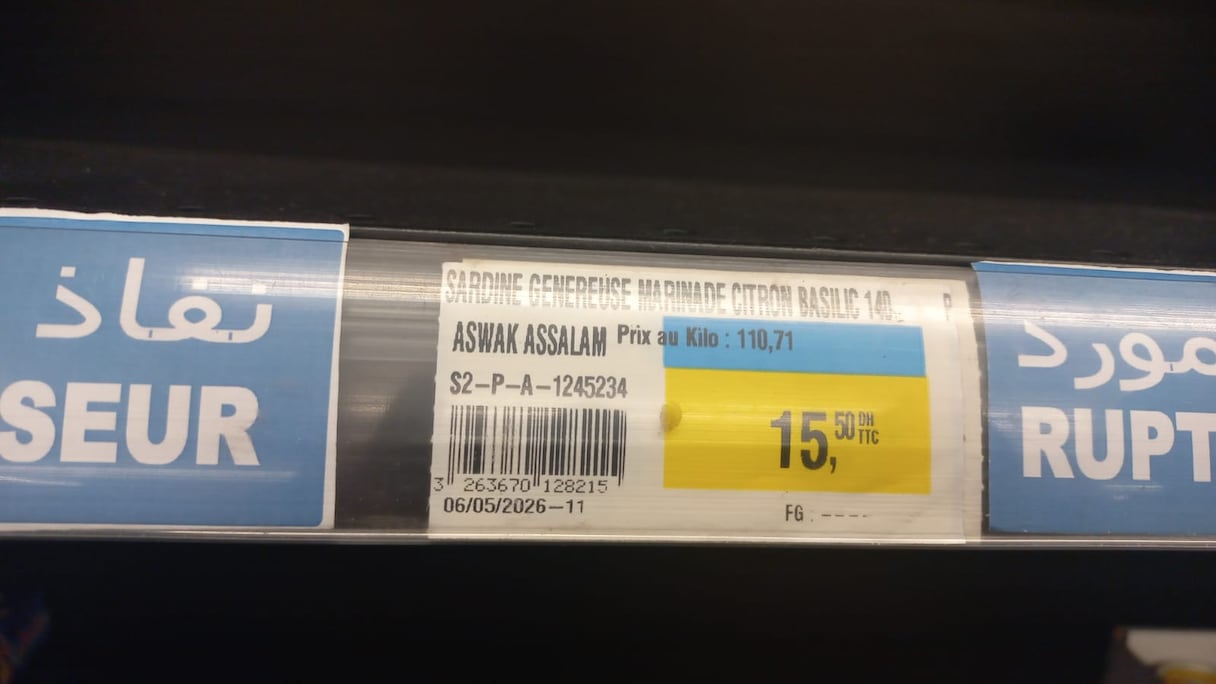
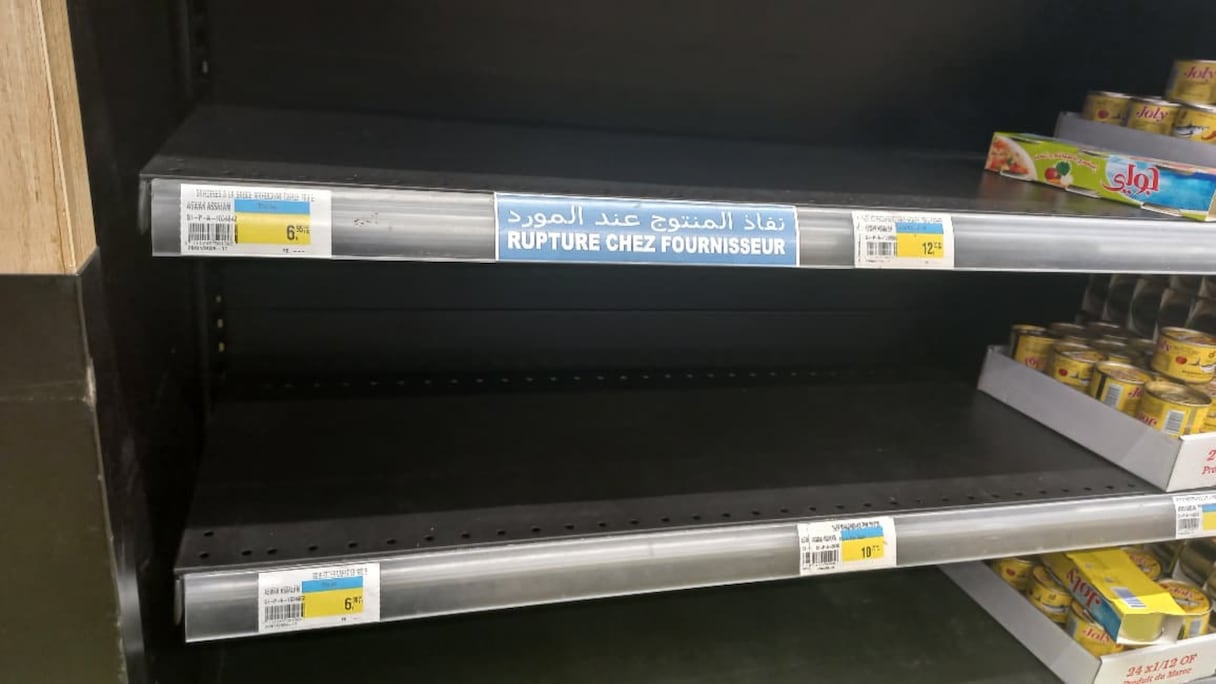
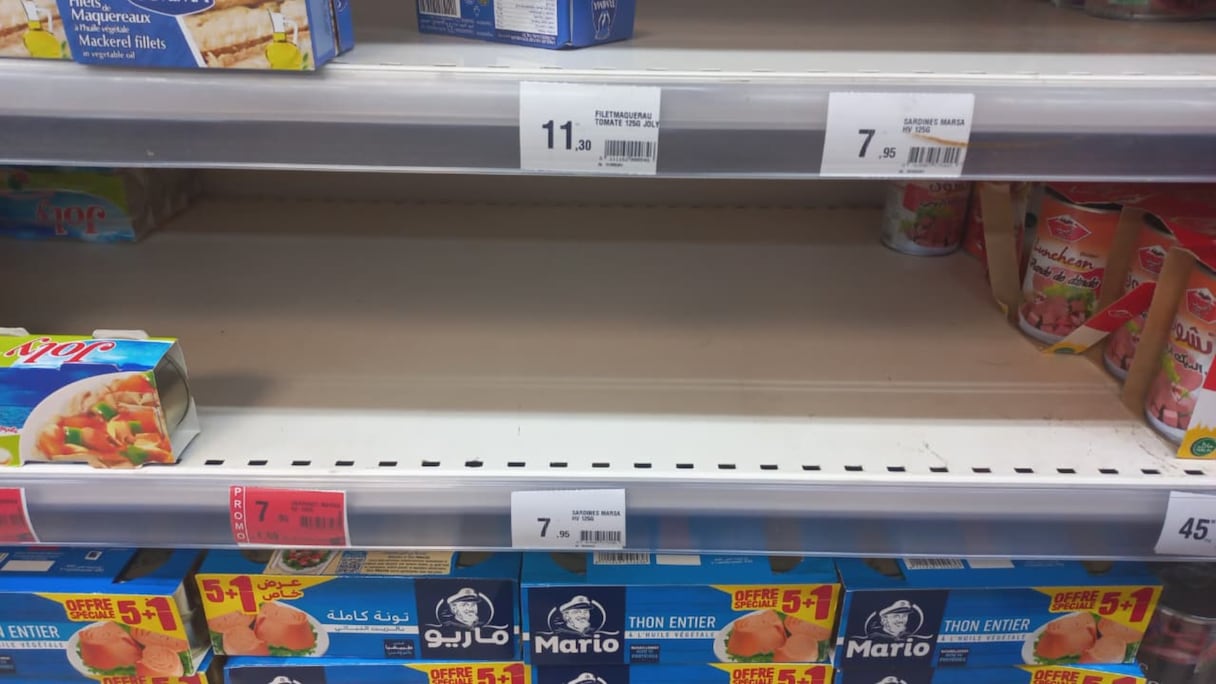
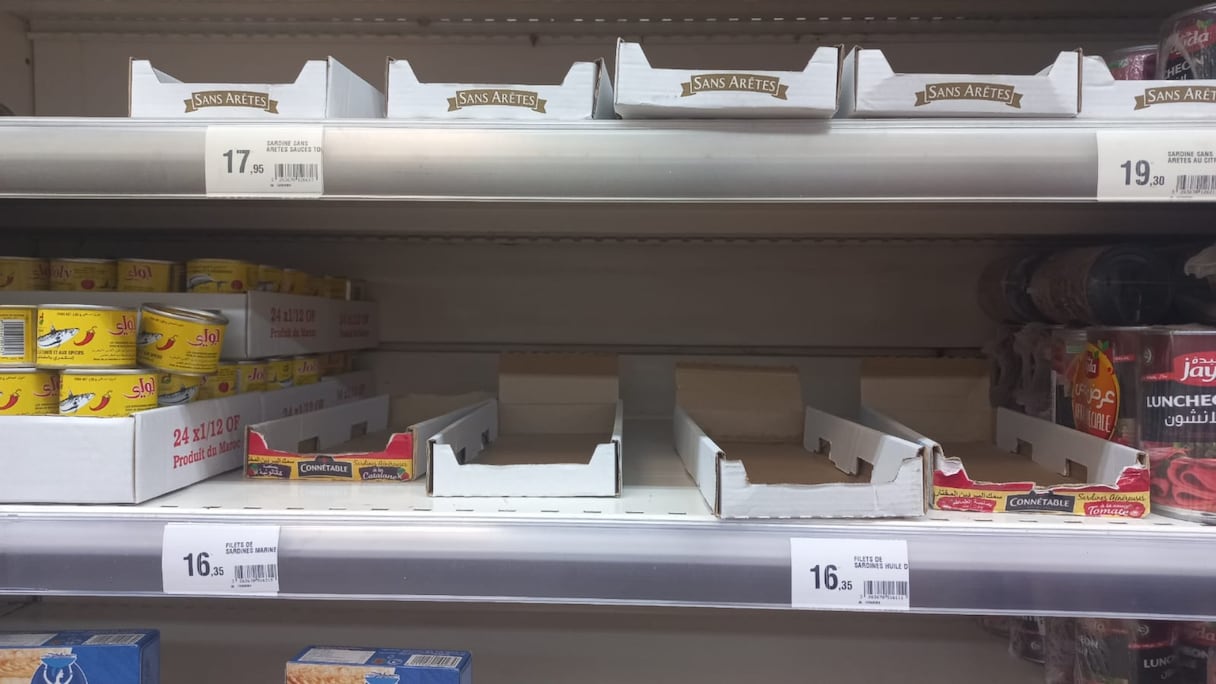
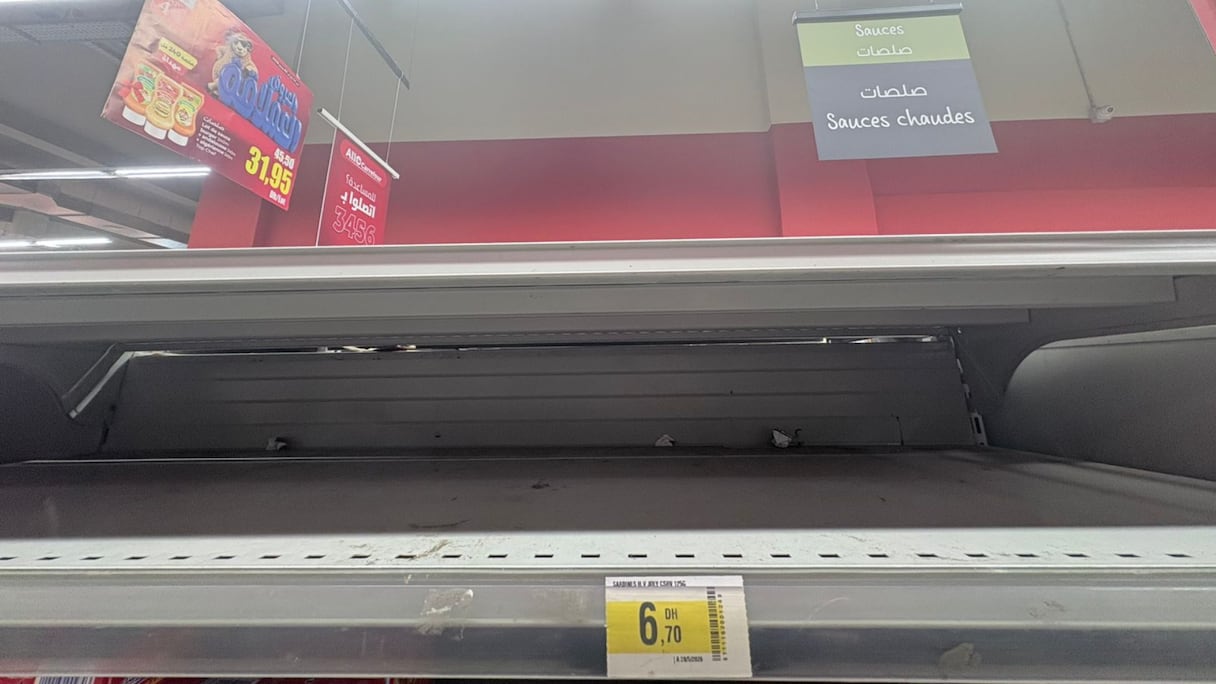
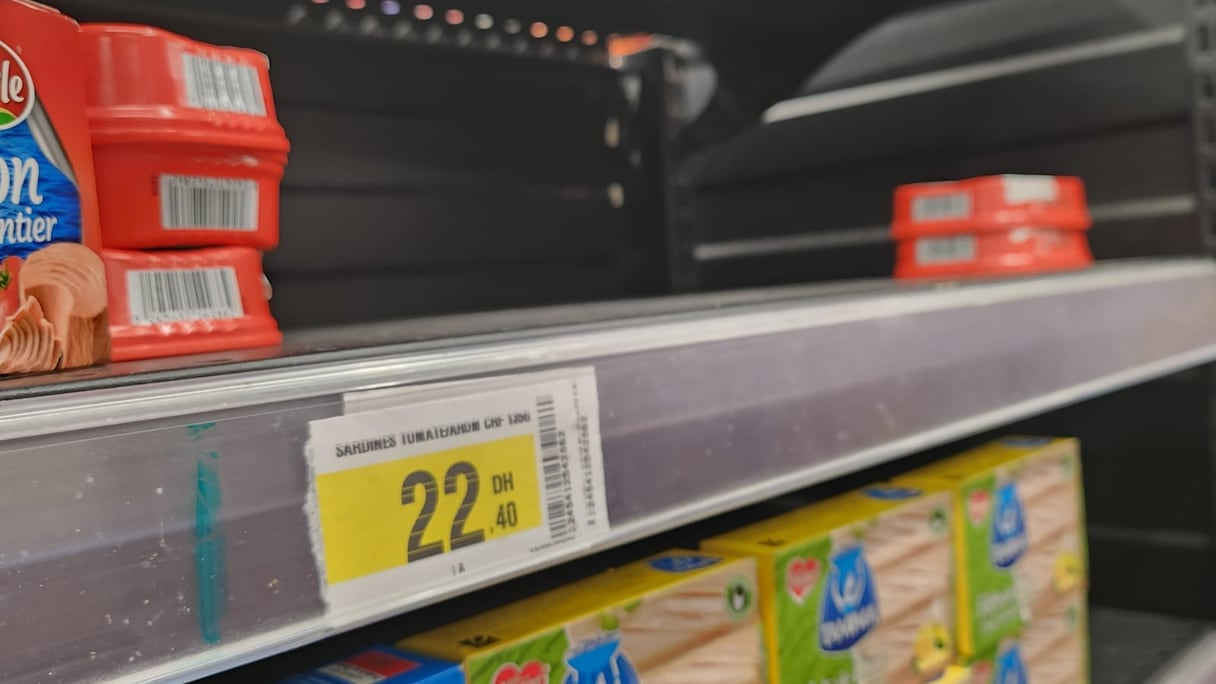
A notice announcing that the supplier is out of stock of sardines, displayed at a supermarket in the Hay Riad neighborhood.
Sardina pilchardus is among the species most sensitive to temperature variations. According to UNICOP, its reproductive cycle and the survival of its larvae depend on temperatures ideally ranging between 14°C and 16°C. Beyond this threshold, juvenile mortality rises sharply. In addition, excessively warm waters disrupt Atlantic upwelling, the crucial phenomenon involving the rise of cold, nutrient-rich waters that determines plankton availability and the distribution of fish schools. As a result, stocks are moving farther offshore or southward, into areas that are significantly less accessible to artisanal and coastal fishing fleets.
Rabat tightens the flow of exports
This is why the Moroccan government has opted for stricter management of the resource, Stefan Meyer said. The suspension of frozen sardine exports from February 1 was announced in early January by Secretary of State for Maritime Fisheries Zakia Driouich before the House of Representatives, with the aim of preserving supplies for the domestic market and containing prices.
The measure, adopted in coordination with the Ministry of Industry, responds to the observed scarcity of sardines, a staple food for Moroccan households. An export licensing system, formalized through a publication in the Official Gazette on January 26, 2026, now regulates exports of fresh or frozen sardines for a period of 12 months.
Alternative sources remain limited. The European pilchard (Sardina pilchardus) is also found in the northeastern Atlantic, off the coasts of Spain and Portugal, where stocks have recovered significantly in recent years. However, catch volumes are still insufficient to make up for the shortage of raw material, according to the German expert. He does not expect the sardine market to ease quickly and believes European consumers could face higher prices.
With few alternatives available, manufacturers are increasingly turning to related species such as sardinellas. These sardine-like fish are found mainly in the Indian Ocean, the western Pacific and tropical Atlantic waters. This shift in sourcing highlights the central role the Moroccan fishery has long played in Europe’s canning industry.