Dam reserves totaled 11,265.58 million cubic meters on November 20, compared with 11,213.28 million cubic meters 15 days earlier, according to daily figures from the Ministry of Equipment, Water and Forests. The net increase was 52.30 million cubic meters, with the national filling rate up 0.31 percentage points. Total storage capacity stands at 17,027.59 million cubic meters.
Of the country’s 69 dams, 32 recorded an increase in reserves, 29 lost water and eight remained unchanged. Dams that gained water added around 217 million cubic meters, while the others recorded nearly 165 million cubic meters in losses.
The period was uneven. On November 9, reserves had fallen to 11,193.21 million cubic meters, below their November 5 level. They then rose by 65.52 million cubic meters between November 11 and 13, as Storm Charles passed through, reaching 11,270.29 million cubic meters and a filling rate of 66.19%, as Le360 reported.
Since then, reserves have lost 4.71 million cubic meters in one week. The entire net gain over the 15-day period therefore came during those few days of rainfall.
Souss-Massa accounts for nearly all the national increase
The Souss-Massa basin rose from 334.29 million to 383.14 million cubic meters, a gain of 48.85 million, almost matching the national net increase. Its filling rate climbed from 46.25% to 53.01%.
Aoulouz recorded the basin’s largest increase, adding 21.02 million cubic meters as its filling rate jumped from 57.34% to 80.97%. Moulay Abdallah gained 11.37 million cubic meters and reached 95.68%, Youssef Ben Tachfine added 8.99 million to reach 49.59%, and Abdelmoumen gained 7.76 million, reaching 36.46%.
The basin had ended October with a slight decline, at 46.53%. It then received 42.36 million cubic meters in two days, after rainfall reached 110 mm in Imouzzer Ida Outanane.

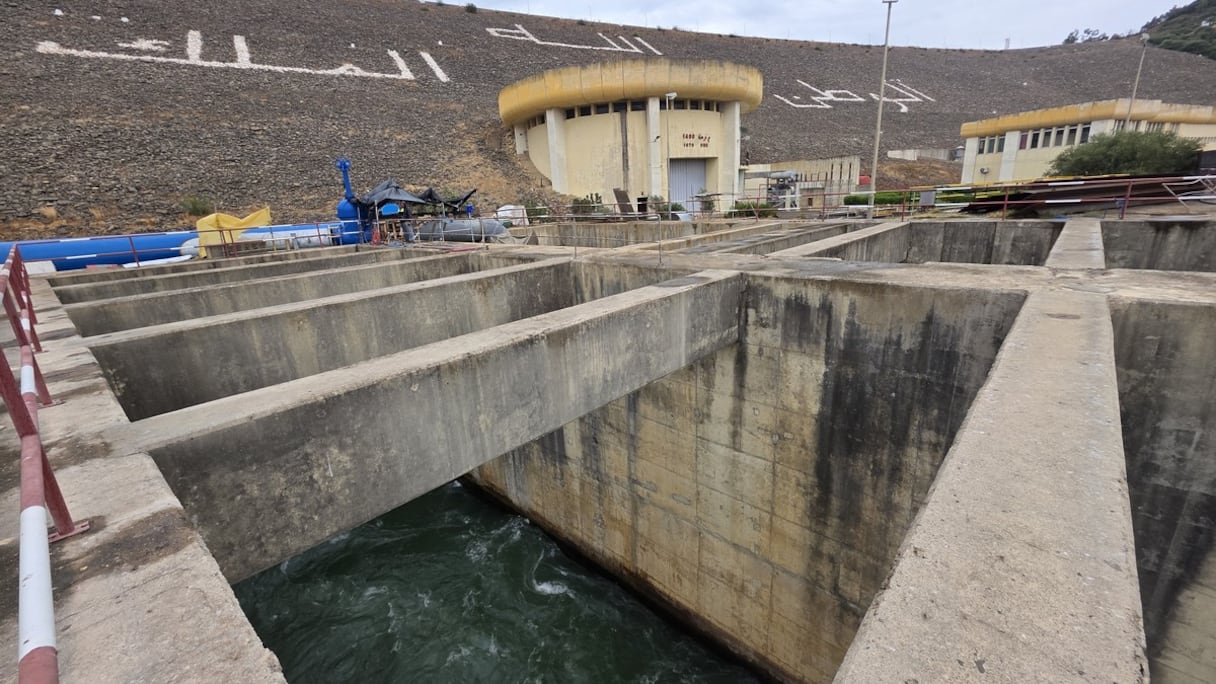

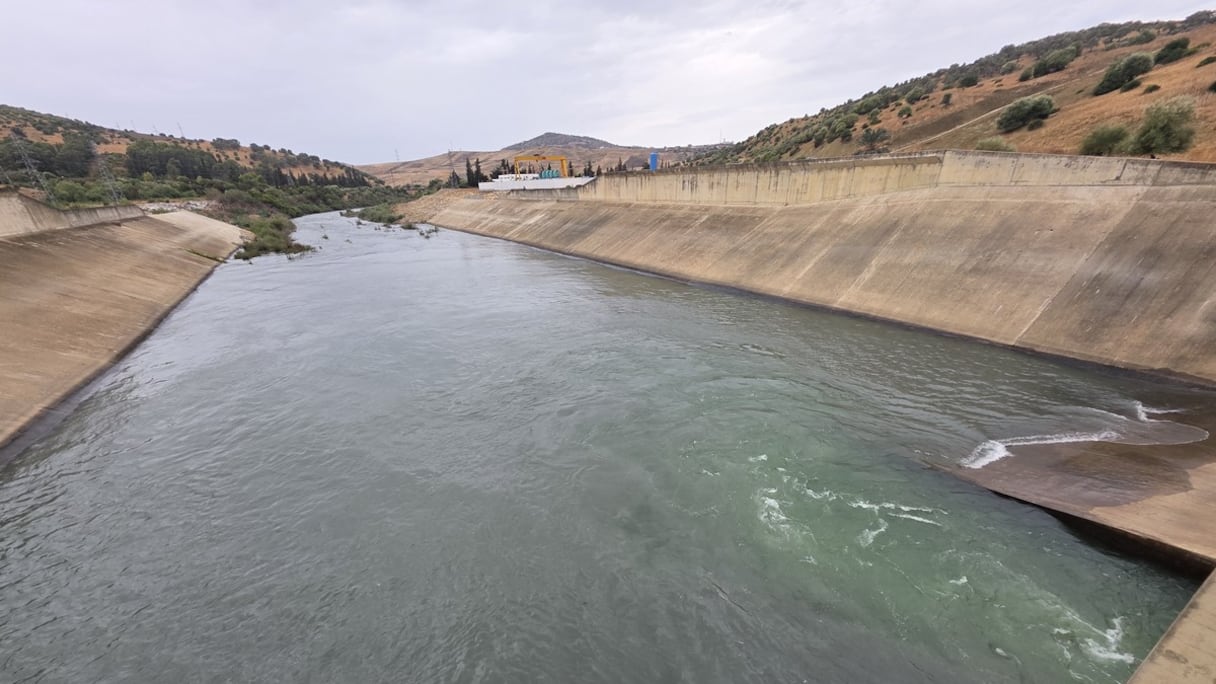
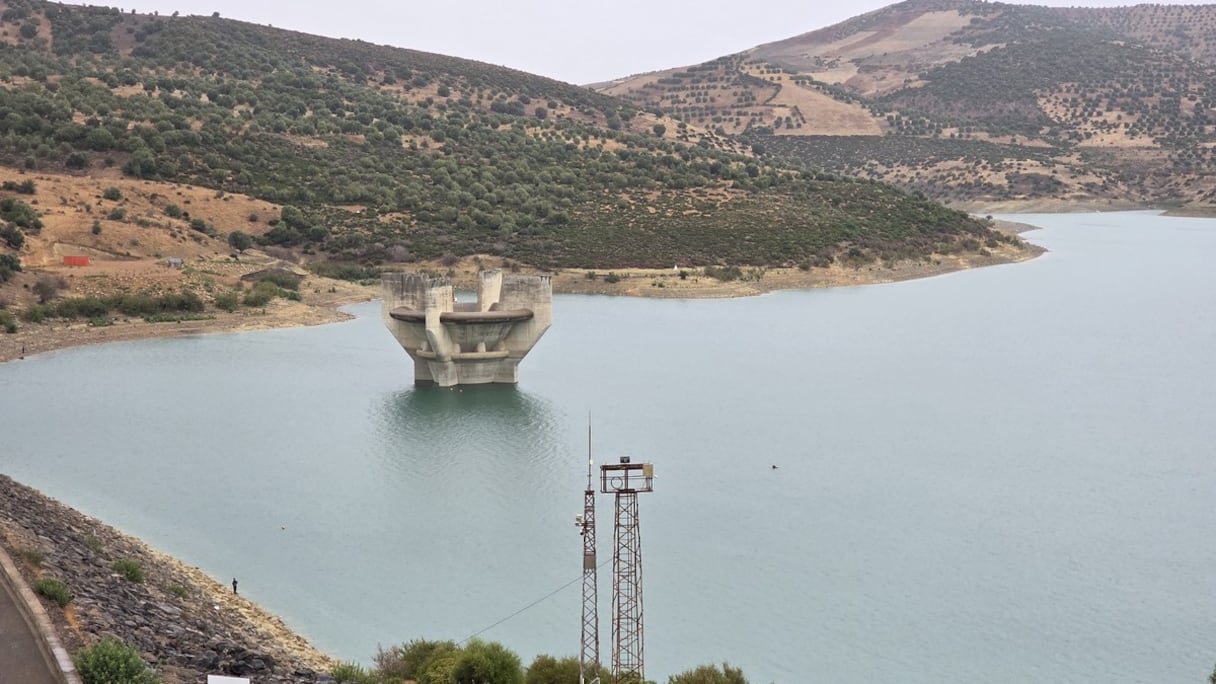
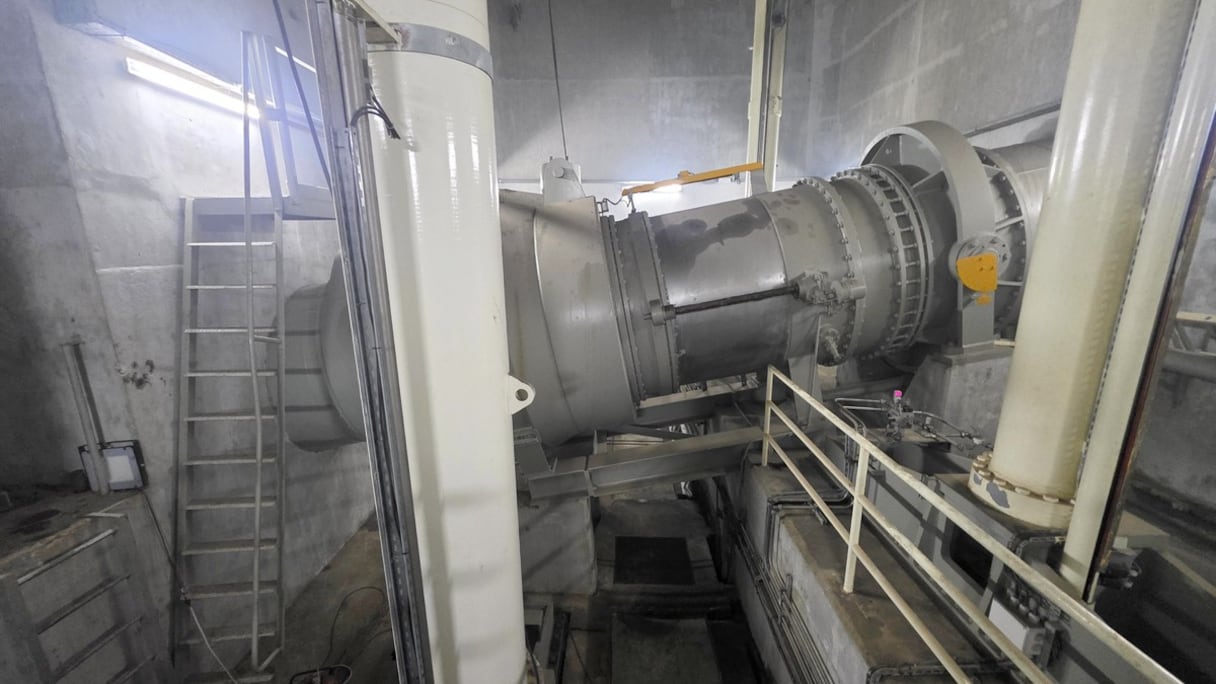
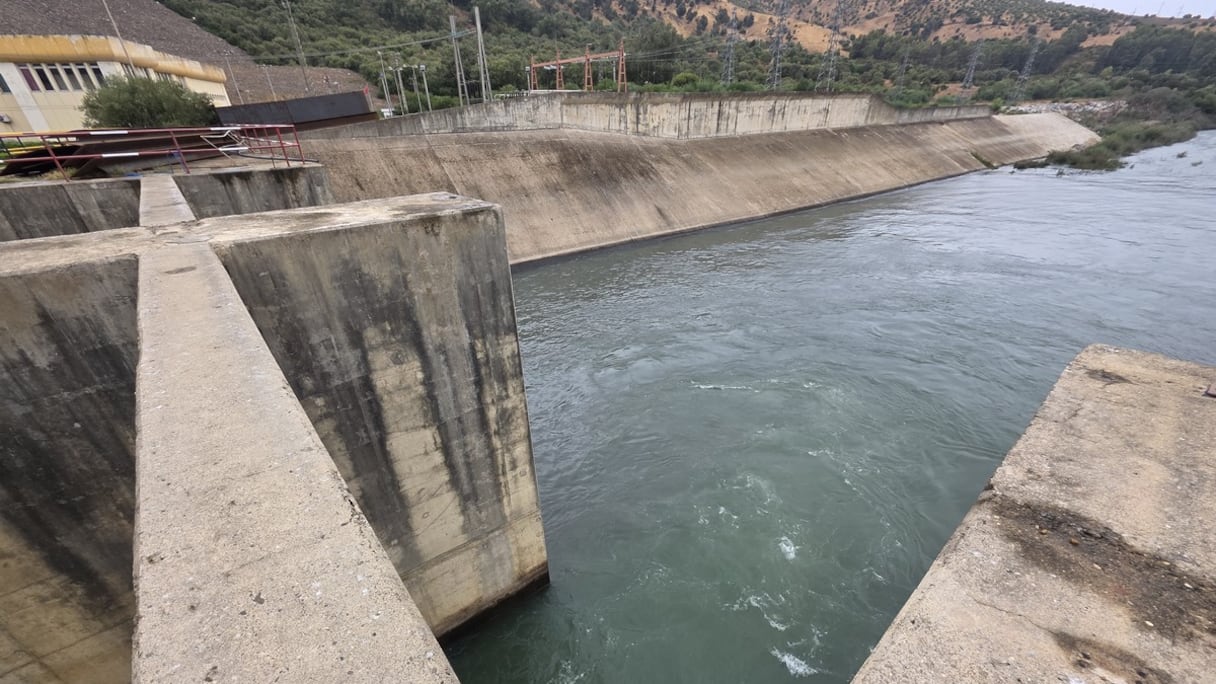
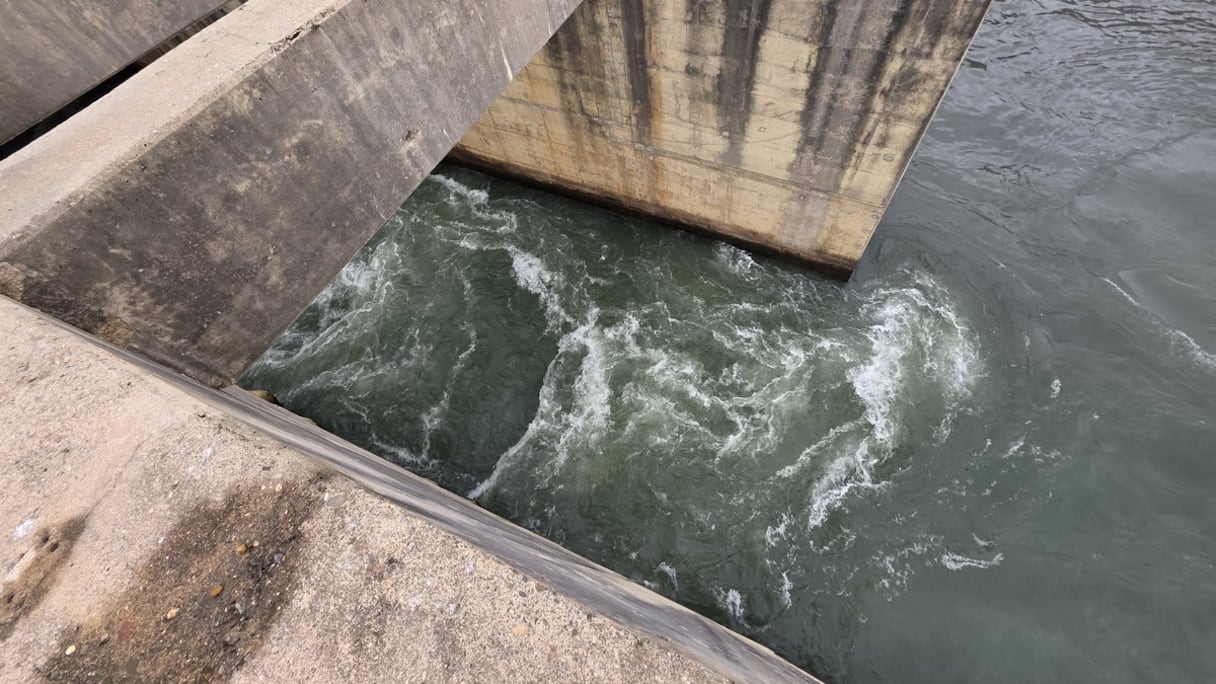
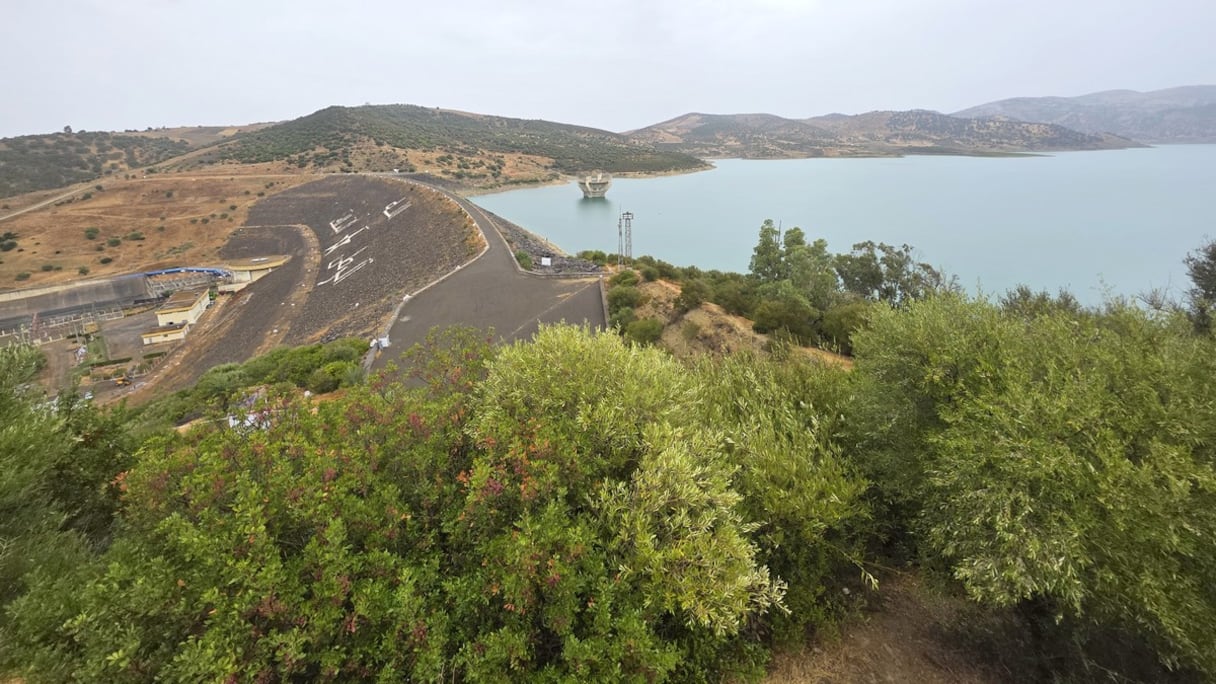

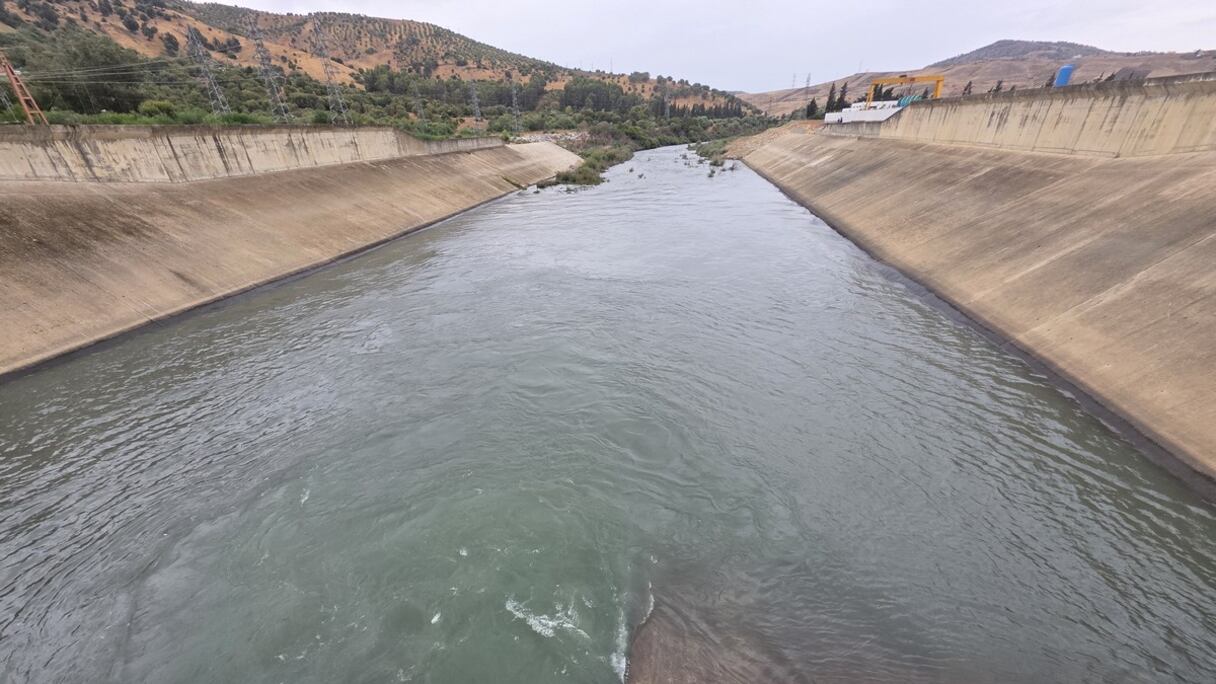
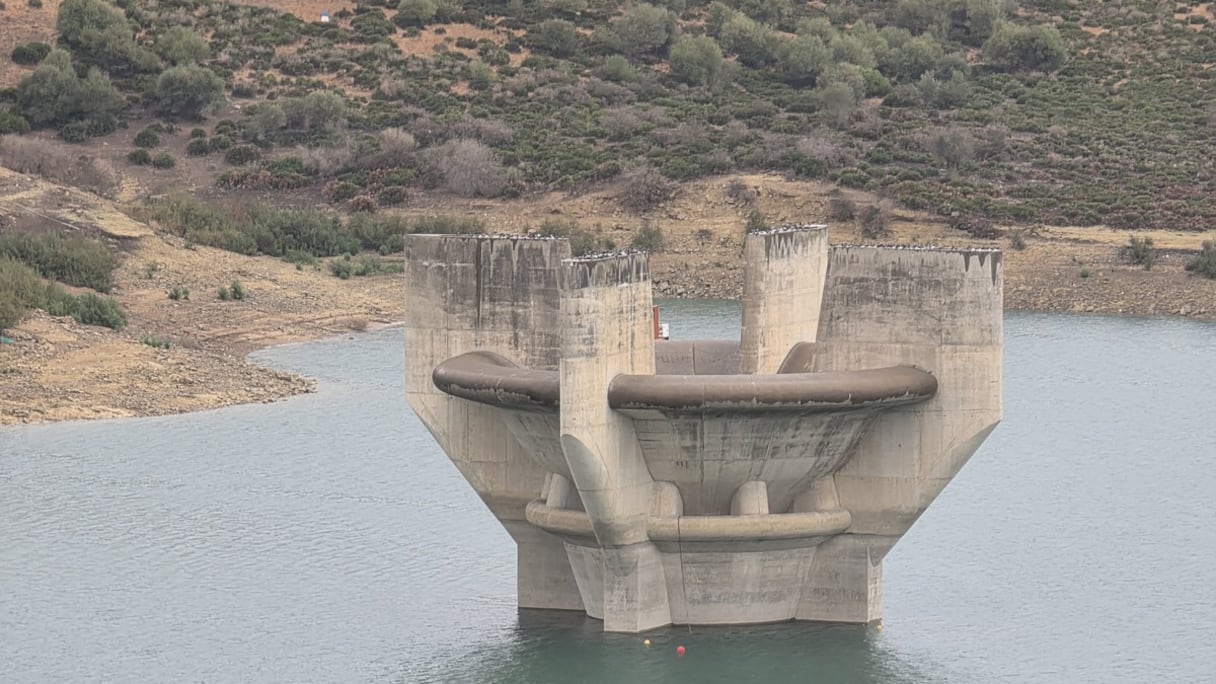
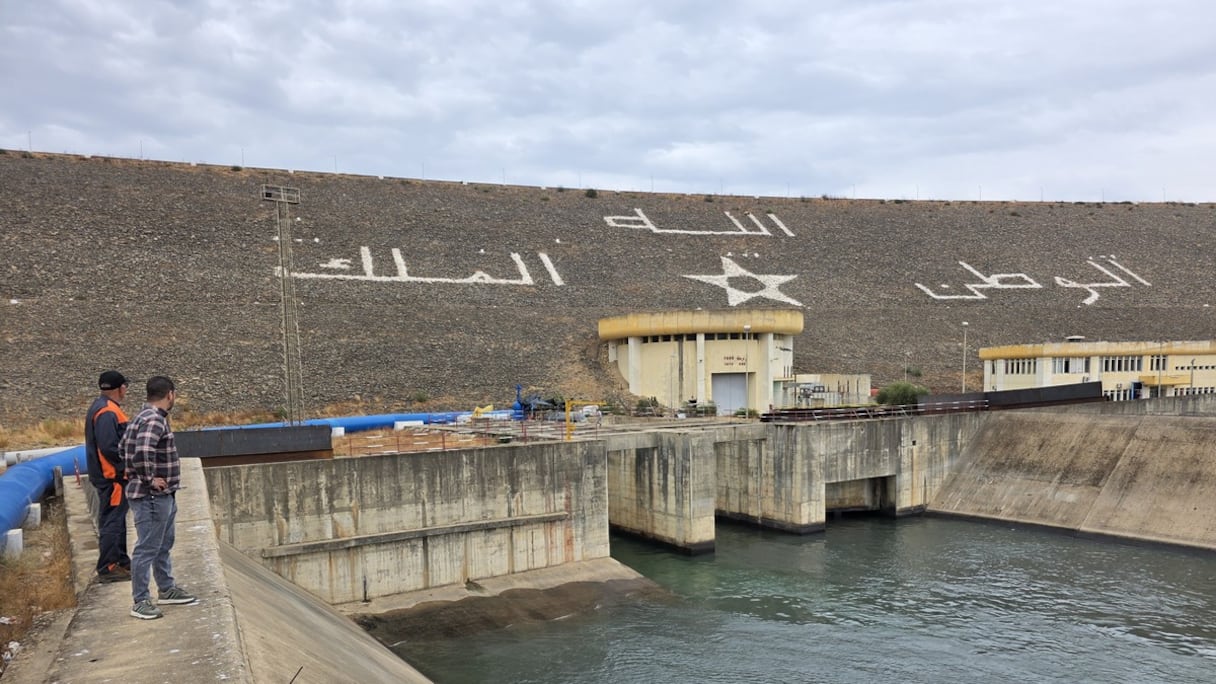

Oued El Makhazine Dam. (S.Kadry/Le360)
The Tensift basin gained 13.86 million cubic meters, rising from 74.47% to 81.29%. It is now the country’s best-filled basin. Lalla Takerkoust accounted for most of the increase, adding 10.74 million cubic meters as its filling rate rose from 59.56% to 80.87%.
The dam was still at 65.48% on November 13. It therefore gained more than 15 percentage points in one week, indicating that water continued to flow in after the storm passed.
Oum Er-Rbia gained 34.67 million cubic meters, reaching a filling rate of 59.74%. Ahmed El Hansali added 16.26 million cubic meters to reach 81.76%, Al Massira gained 16.02 million to reach 41.84%, and Moulay Youssef added 6.98 million, reaching 84.12%.
Draa-Oued Noun gained 12.21 million cubic meters, reaching 39.82%, thanks to the Agdez dam, which added 11.14 million and rose from 40.40% to 44.95%.
Guir-Ziz-Ghris added 6.28 million cubic meters, reaching 59.99%, with Hassan Addakhil at 79.69%.
Tiddas and Al Wahda account for most of the losses
Four basins recorded declines. Sebou lost 35.58 million cubic meters, falling to 73.54%. Bouregreg shed 13.75 million, reaching 76.01%; Loukkos lost 7.78 million, falling to 72.11%; and Moulouya declined by 6.46 million, reaching 71.50%.
Two dams accounted for nearly three-quarters of the losses over the 15-day period. Tiddas, on the Bouregreg, shed 63.81 million cubic meters, dropping from 92.10% to 79.48%. It was still at 91.17% on November 13, meaning most of the decline occurred in the last week.
Meanwhile, Sidi Mohammed Ben Abdellah dam gained 51.46 million cubic meters, rising from 70.21% to 76.17%, the largest increase in the country.
Al Wahda, Morocco’s largest dam, lost 56.93 million cubic meters, with its filling rate falling from 75.96% to 74.31%. The decline is part of a longer trend. The dam had already lost 161.49 million cubic meters in October. It held 2,805.09 million cubic meters on October 1, compared with 2,565.17 million today, a drop of nearly 240 million cubic meters in seven weeks.
Sebou nevertheless limited its losses thanks to El Kansera, which gained 23.11 million cubic meters and reached 91.72%, up from 75.64% at the end of October. Garde de Sebou rose from 77.23% to 95.20%. Idriss I lost 7.65 million cubic meters, falling to 71.68%.
In the Loukkos basin, Dar Khroufa lost 10.59 million cubic meters, falling to 77.81%, after shedding 36.82 million in October. In Moulouya, Mohammed V dam lost 9.32 million cubic meters, dropping from 77.10% to 71.45%. October floods had pushed its filling rate up from 21.93% to 78.76%.
Some dams remain well below capacity
The rainfall did not benefit every dam. Mokhtar Soussi remains at 10.61%, exactly the same level as a year ago. Toudgha stands at 8.89%, Sultan Moulay Ali Cherif at 22.17% and Touizgui Remz at 25.38%.
Imfout fell from 16.90% to 7.48%, while Ibn Battouta remained unchanged at 32.30%. Draa-Oued Noun is still the only basin below the 40% mark.
At the other end of the scale, the dam on Oued Za is full. Sfissif stands at 98.90%, Moulay Abdallah at 95.68%, Garde de Sebou at 95.20% and Allal Al Fassi at 95.03%.
The national filling rate of 66.16% compares with 31.22% on November 20, 2025, a difference of nearly 35 percentage points. All basins remain above their levels from a year ago.
Read also : Morocco’s dams hold 11.2 billion cubic meters, more than double last year’s reserves
Oum Er-Rbia has risen from 8.75% to 59.74%, Moulouya from 27.81% to 71.50%, and Souss-Massa from 19.54% to 53.01%. Al Massira, which stood at 2.98% a year ago, is now at 41.84%. The smallest year-on-year gaps are in Draa-Oued Noun, at 28.20% in 2025, and Guir-Ziz-Ghris, at 46.25%.
However, reserves remain 70 million cubic meters below their October 23 peak, when they reached 11,335.61 million cubic meters and a filling rate of 66.57%.
The increase over the past 15 days was also close to the gain recorded over the whole of October, which ended with an additional 51.26 million cubic meters.
Since October 1, dams have regained 110.45 million cubic meters. That remains modest compared with the losses over the summer. Reserves fell by 1.46 billion cubic meters between mid-May and September 1, followed by a further decline of 338.25 million in September.
The national filling rate had peaked at 75.86% on April 23.
