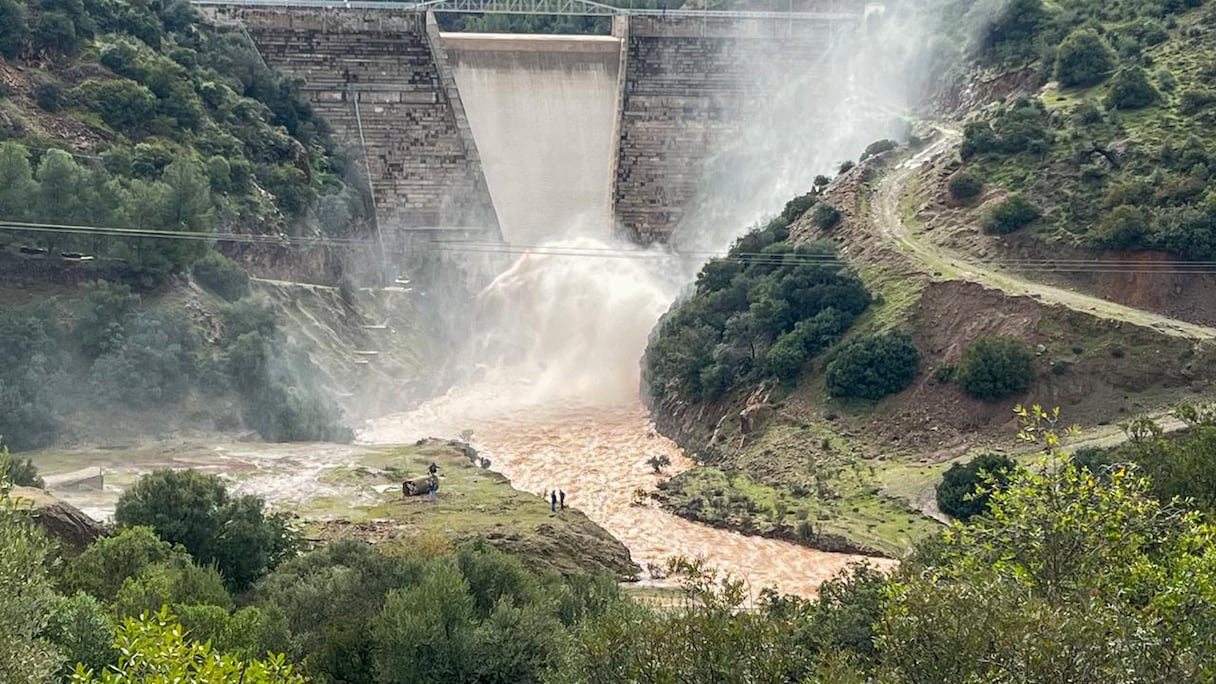
According to the latest figures published on Tuesday, November 3, by the Ministry of Equipment and Water’s Al Ma Dialna platform, the national dam filling rate reached 65.77%, compared with 31.15% on the same date in 2025. That represents an increase of 34.62 percentage points and a substantial rise in the Kingdom’s water reserves year on year.
The improvement is reflected across the country’s river basins, although filling rates vary from one region to another. The Loukkos Basin recorded a filling rate of 72.67%, with reserves of nearly 1.96 billion cubic meters. The Moulouya Basin stood at 72.47%, supported by several dams with relatively high filling rates, including Oued El Makhazine at 64.96%, Tangier Med at 85.53%, Dar Khrofa at 80.50% and Chefchaouen Idriss I at 83.33%. Their combined reserves were reported at around 1,421.8 million cubic meters.


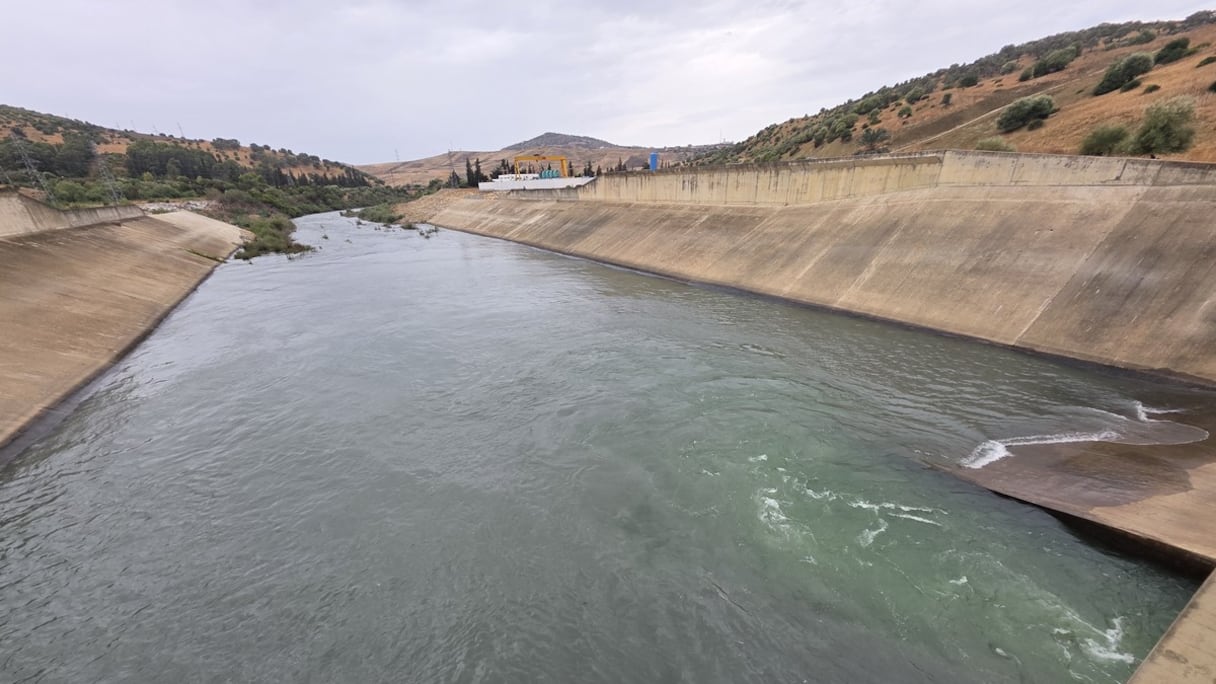
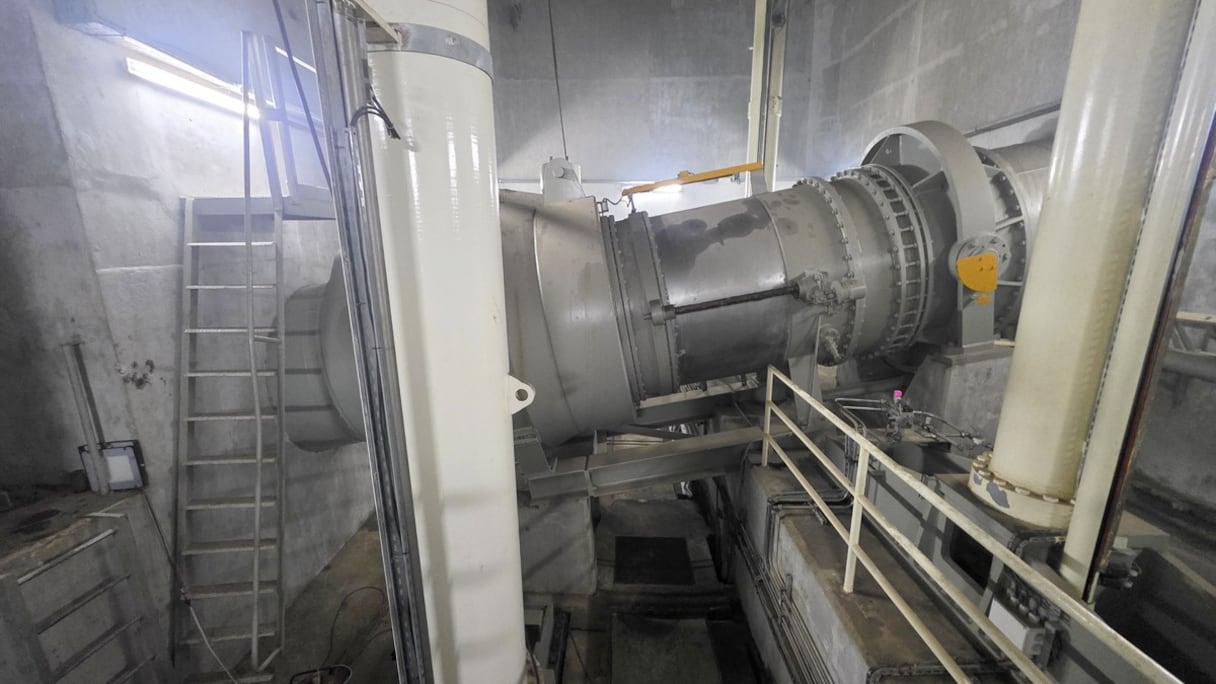
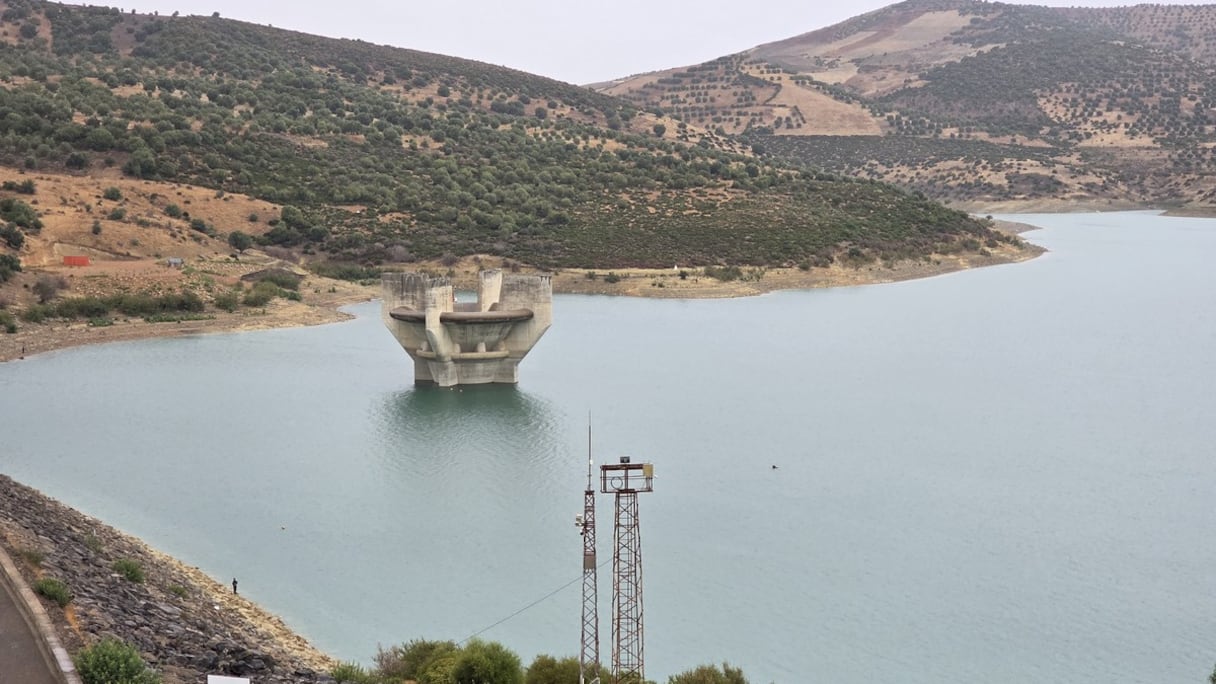
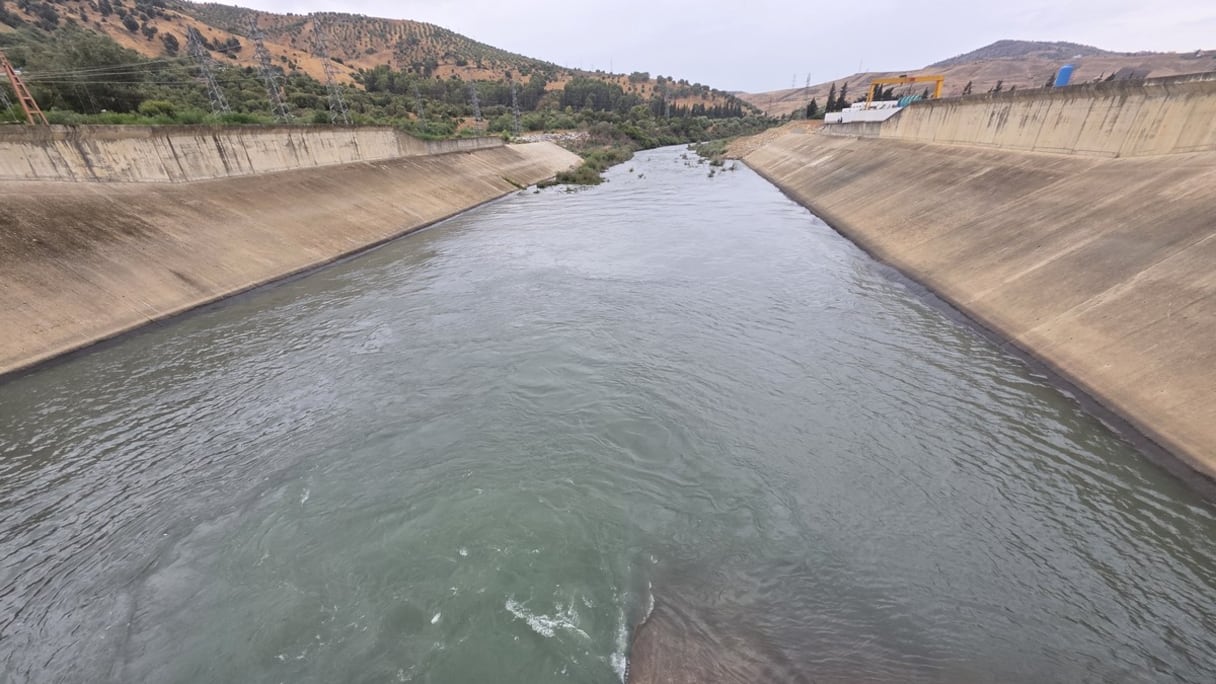
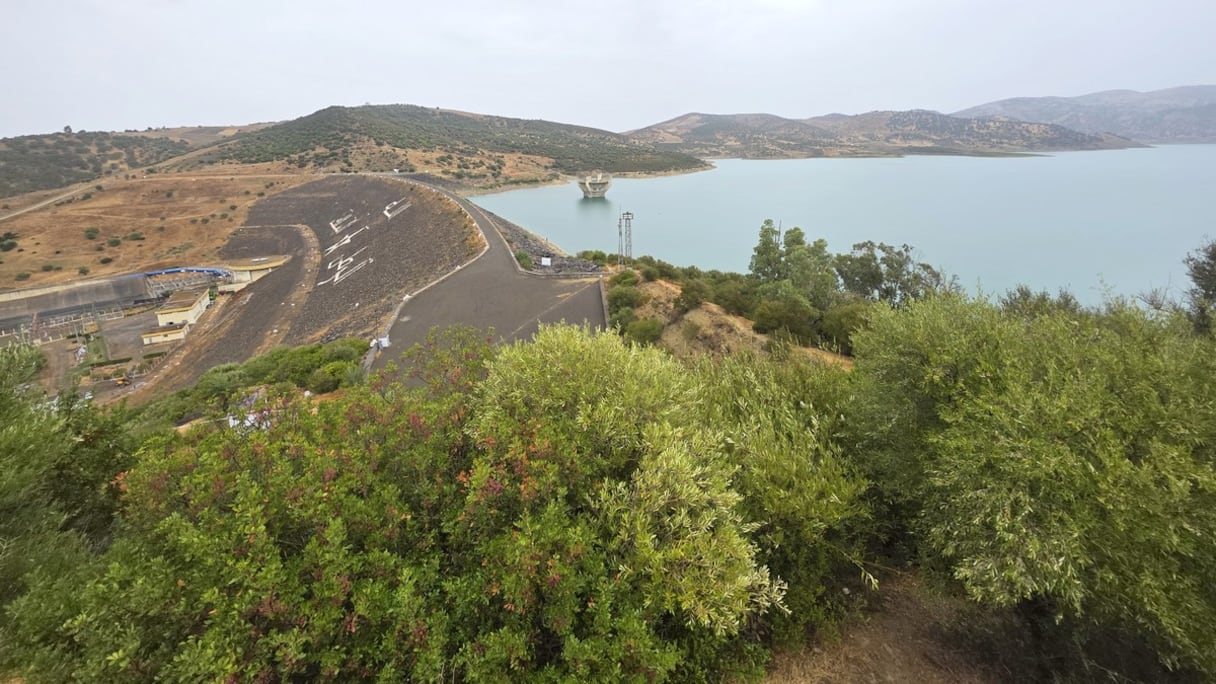
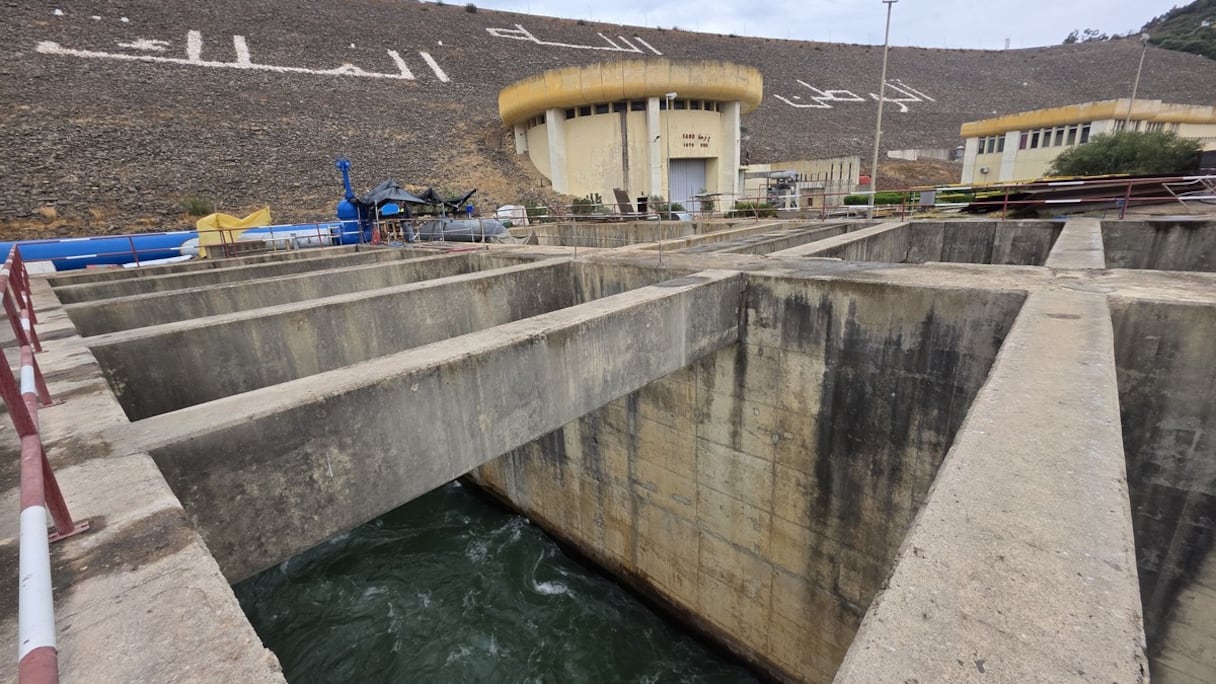
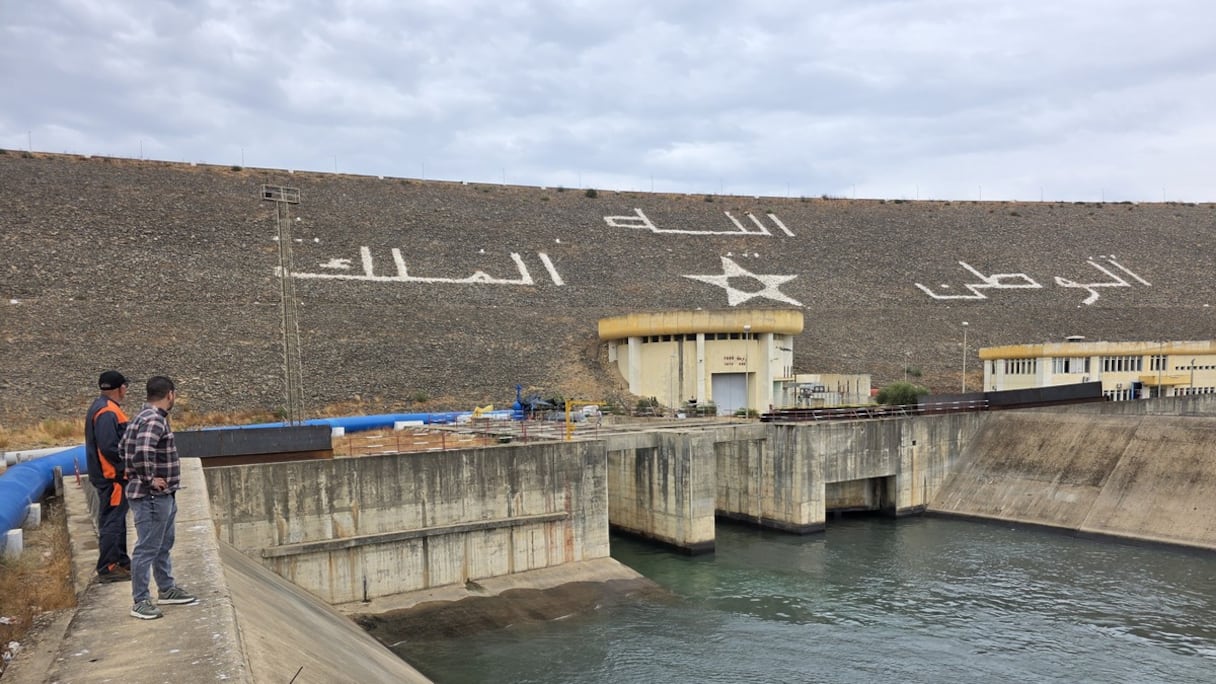
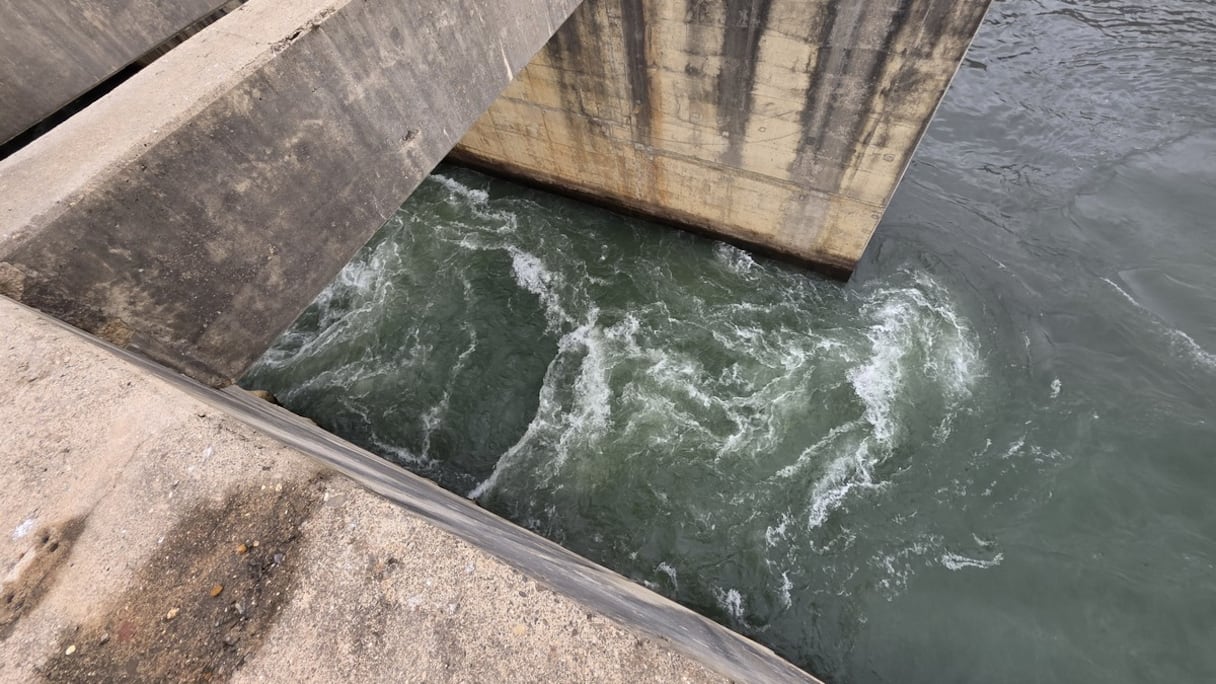

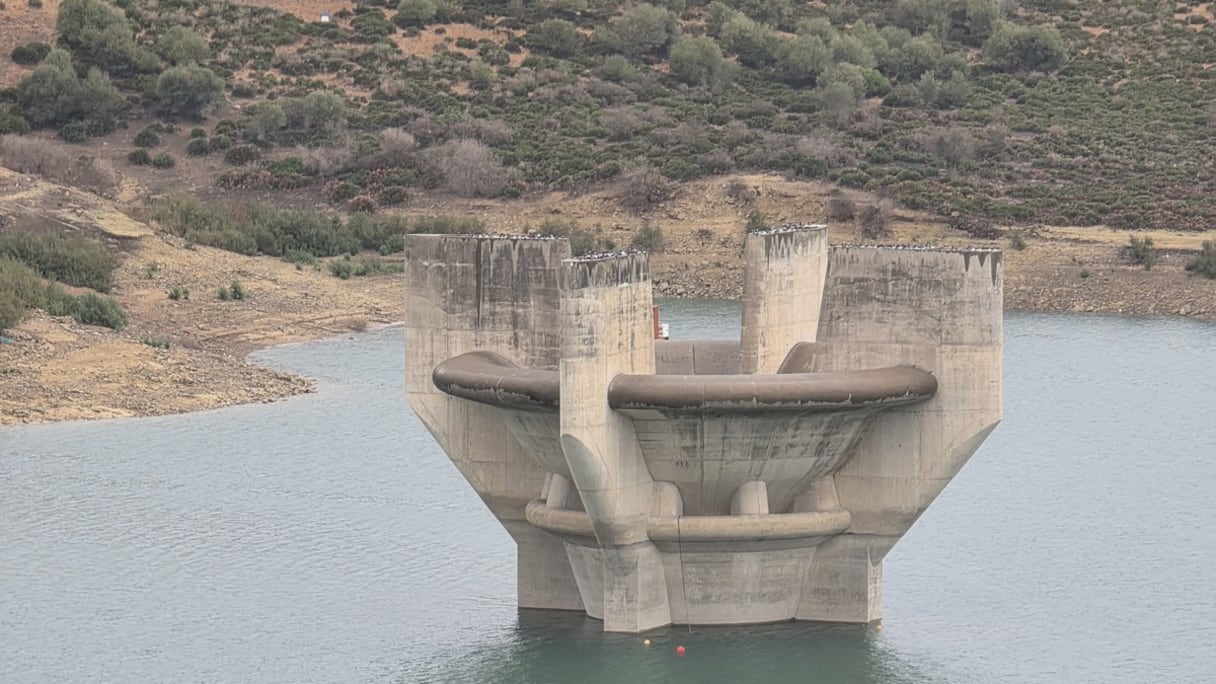
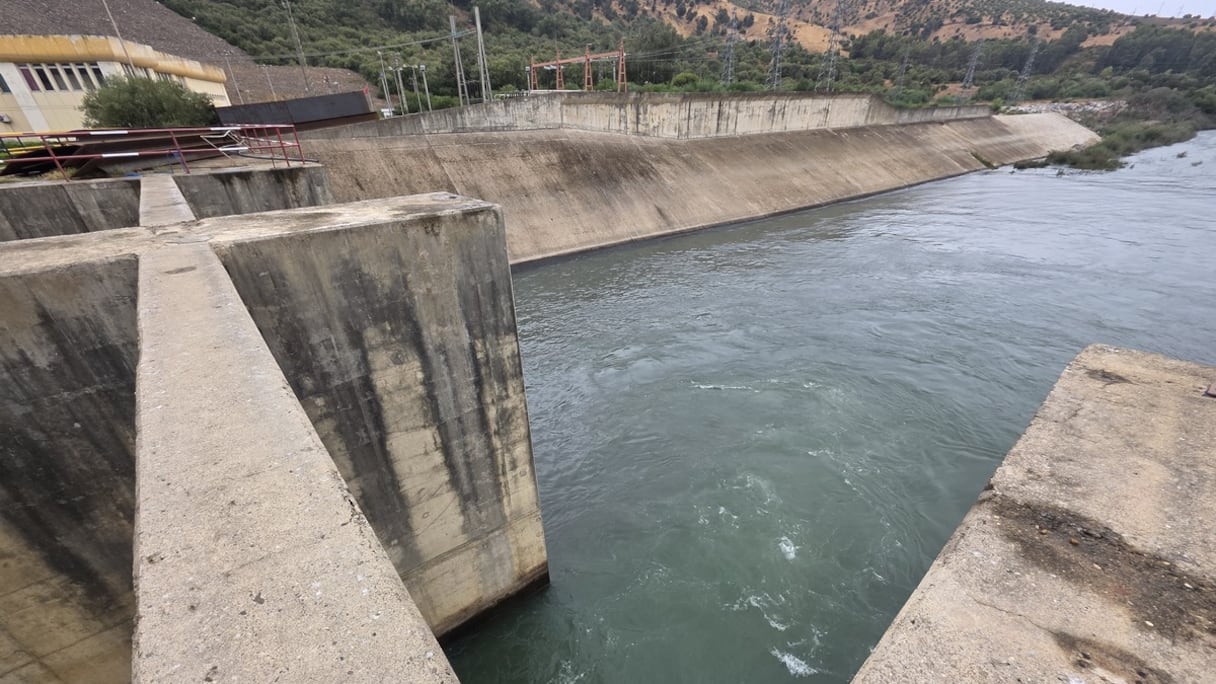

Loukkos basin officials complete controlled discharge tests at Oued El Makhazine Dam ahead of the rainy season.
The Sebou Basin, one of Morocco’s main water catchment areas, recorded a dam filling rate of 74.35%, with total reserves reaching 3,992.87 million cubic meters. This compares with 42.10% during the same period last year. Al Wahda Dam holds the largest volume in the basin, with 2,630.28 million cubic meters and a filling rate of 76.19%. Idriss I Dam recorded 782.61 million cubic meters, or 72.79% of capacity. These reserves strengthen supplies in a basin that plays a key role in providing drinking water and meeting agricultural needs.
In the Bouregreg Basin, the filling rate reached 76.77%, with reserves of 1,131.19 million cubic meters, compared with 46.64% a year earlier. Sidi Mohammed Ben Abdellah Dam, one of the basin’s main water facilities, held 604.57 million cubic meters, equivalent to 70.02% of capacity. Tiddas Dam reached a filling rate of 91.89%, with reserves of 464.77 million cubic meters.
Read also : Sebou basin: 12 dams on radar for floating solar panels
The Moulouya Basin recorded a filling rate of 72.47%, with total reserves of 508.39 million cubic meters, compared with 28.38% a year earlier. Hassan II Dam held 213.10 million cubic meters, or 60.25% of capacity. Mohammed V Dam reached 78.34%, with reserves of 129.23 million cubic meters, while Tamalout Dam stood at 86.62%.
The Oum Er-Rbia Basin recorded a filling rate of 58.74%, with water reserves approaching 2,939.16 million cubic meters. This compares with just 8.92% during the same period last year. The improvement was supported by higher levels at several major dams. Bin El Ouidane reached 79.47%, holding 1,011.91 million cubic meters, while Al Massira Dam held 1,083.52 million cubic meters, equivalent to 40.89% of capacity. Ahmed El Hansali Dam recorded a filling rate of 78.46%, with reserves of 547.02 million cubic meters.
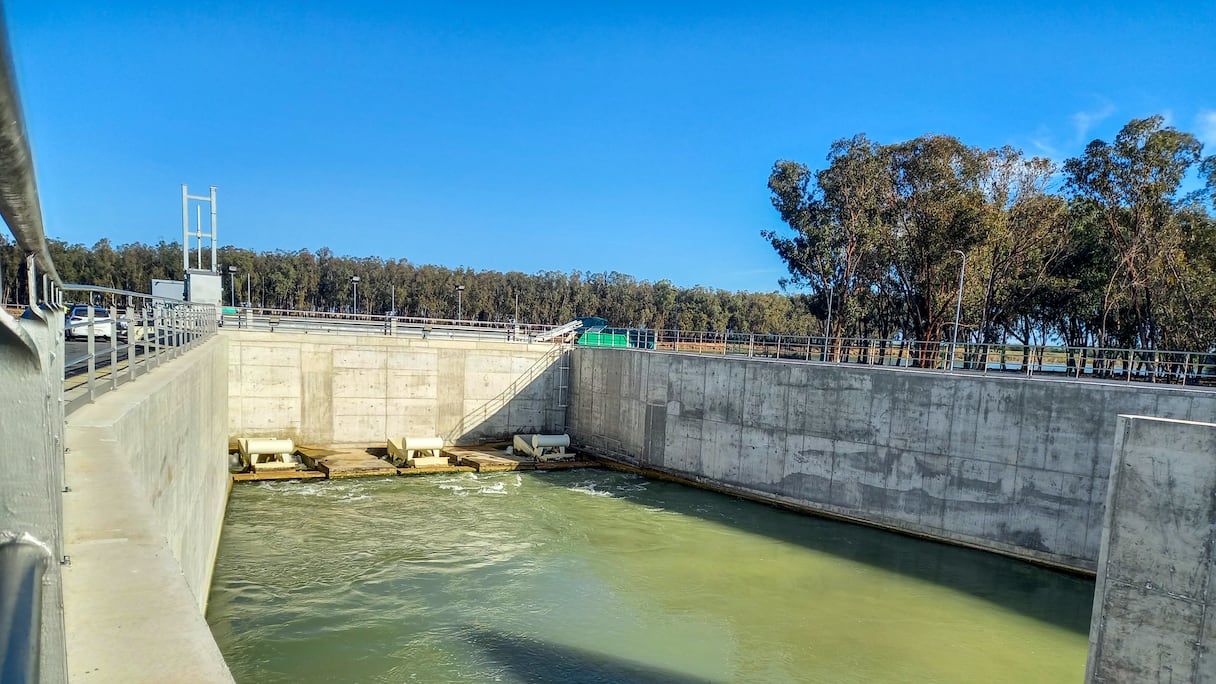
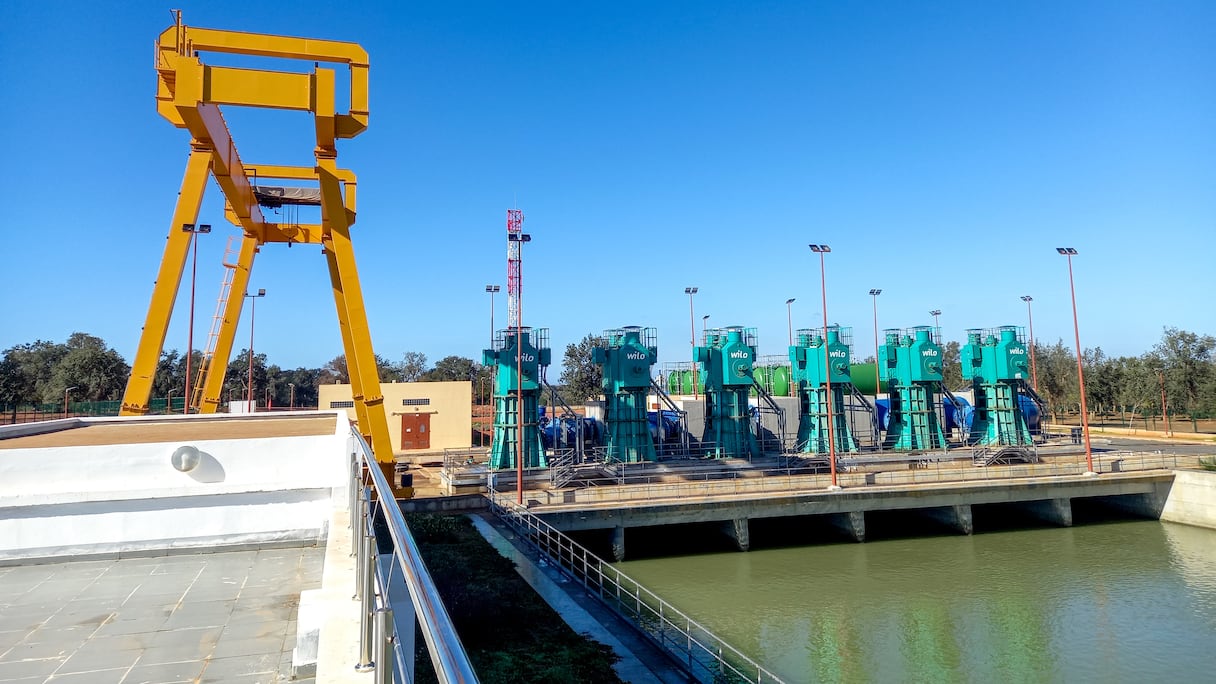
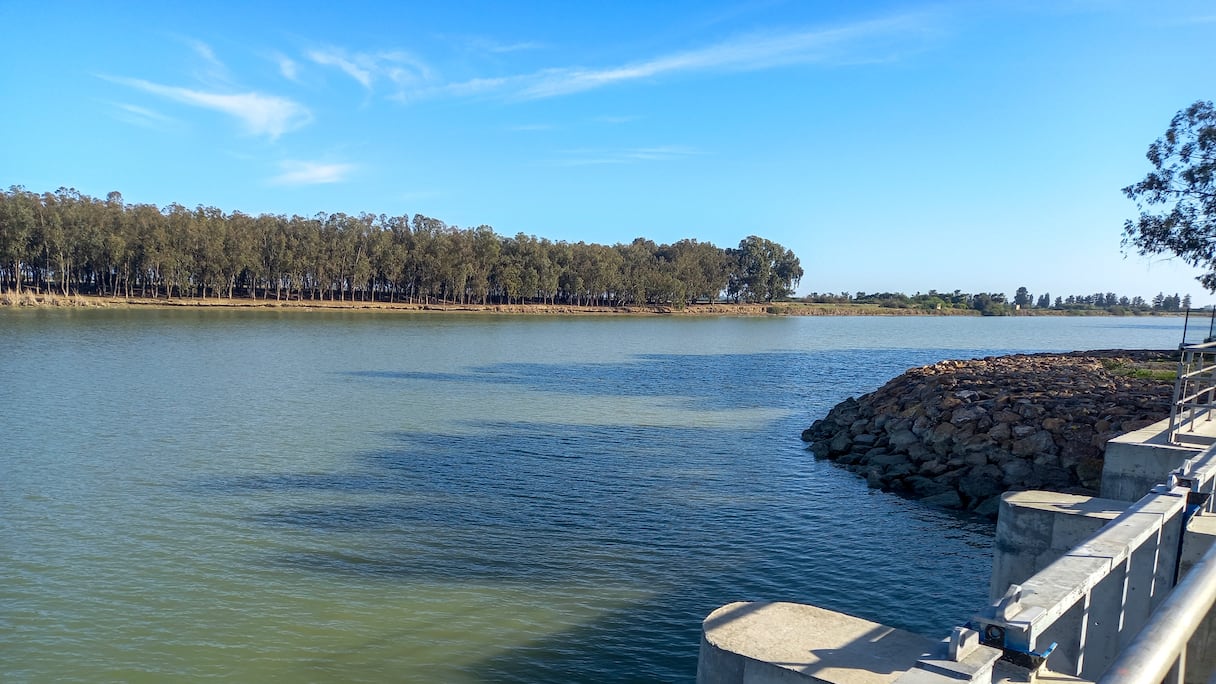
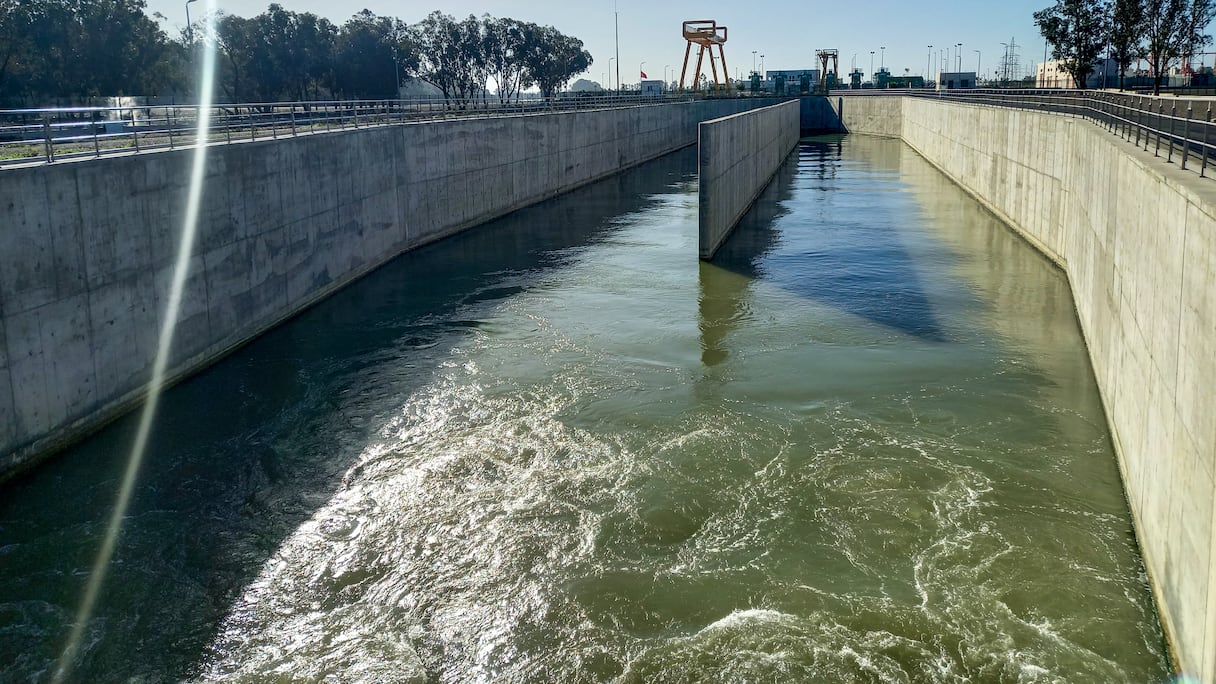
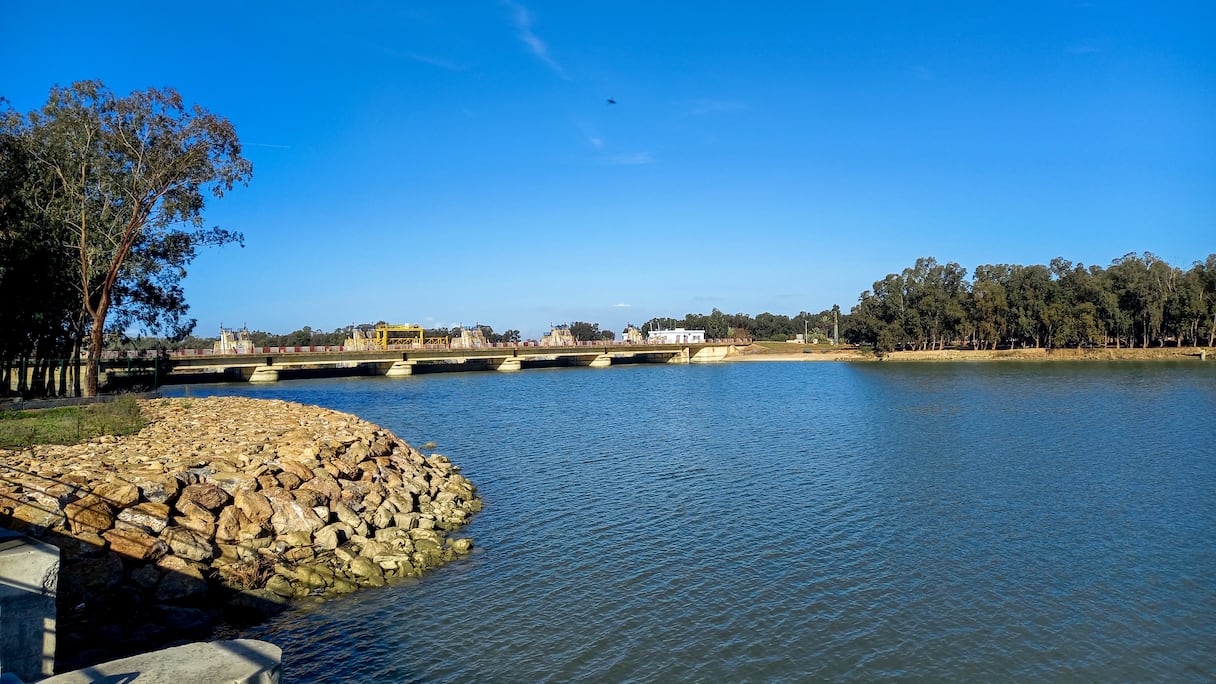
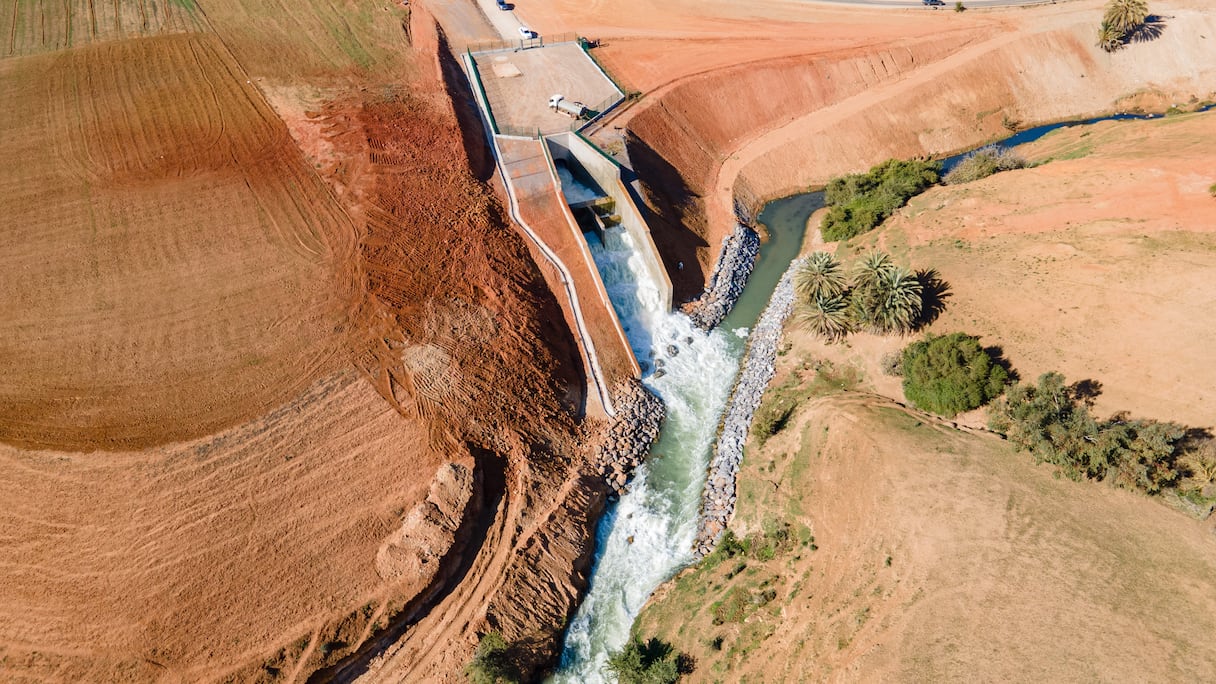
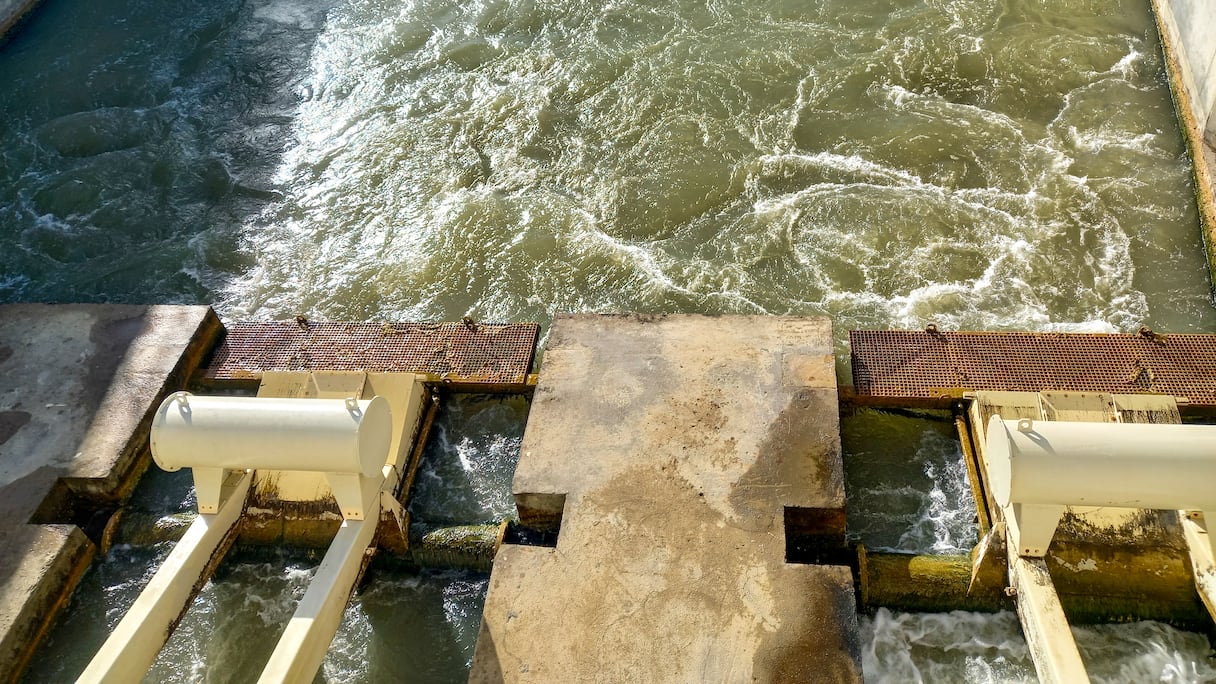
Morocco’s “water highway” is expanding into a massive 300-km network linking the Sebou and Oum Er-Rbia basins.
The Tensift Basin reached a filling rate of 74.15%, with reserves of 150.64 million cubic meters, compared with 41.55% on the same date last year. Recent inflows helped raise levels at several facilities, including Moulay Abderrahmane Dam, which reached 80.37% with 46.58 million cubic meters in storage. The filling rate stood at 82.14% at Abu Abbas Sebti Dam and 59.48% at Lalla Takerkoust Dam.
In the Souss-Massa Basin, the filling rate reached 46.34%, up from 16.53% a year earlier. The Drâa-Oued Noun Basin stood at 38.48%, compared with 28.34% during the same period in 2025. Mansour Eddahbi Dam, the basin’s main water facility, held 225.44 million cubic meters, or 50.63% of capacity. The filling rate reached 40.38% at Agdez Dam and 25.38% at Touizgui Remz Dam.
Read also : Dakhla desalination plant reaches 97% completion
The Ziz-Ghris Basin recorded a filling rate of 57.63%, with total reserves of 548.28 million cubic meters, compared with 46.76% a year earlier. Hassan Addakhil Dam held 218.48 million cubic meters, reaching 75.97% of its capacity.
The figures point to an overall improvement in Morocco’s dam reserves compared with last year. However, the differences between river basins underline the need for continued sustainable water management and for allocating available resources according to household, agricultural and economic needs across the country.
