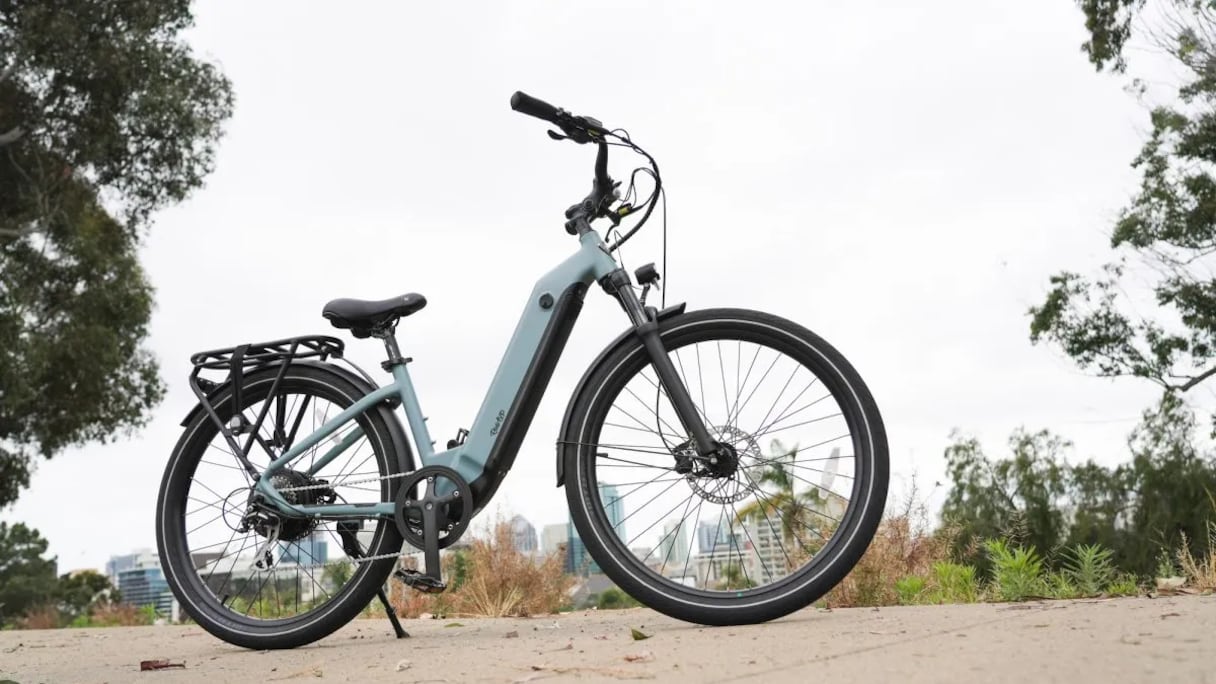
Morocco imported more Chinese electric motorcycles and three-wheelers than any other African country during the first half of the year as shipments to the continent rose sharply, according to the Associated Press.
Chinese exports of the vehicles to Africa rose 60pc to $114.6 million during the six-month period, with Morocco, Egypt and Algeria leading the increase, AP reported.
Morocco alone imported 80,188 units worth $21.7m.
But the numbers also show two rather different electric bike markets emerging on the continent.
Read also : Humanoid robot shipments surge 300% as China dominates the market
In Morocco and elsewhere in North Africa, Chinese electric scooters and mopeds are mainly arriving as finished vehicles bought for commuting and other short trips, independent electric two- and three-wheeler specialist Peter Kossakowski told AP.
Further south, motorcycles are more commonly a means of earning a living.
In East and West Africa, electric bikes are increasingly being used to carry passengers and goods, with some commercial riders travelling as much as 150 kilometers a day. Companies there are putting money into assembly plants, charging points and battery-swapping stations that allow riders to replace an empty battery rather than stop work to recharge it, AP reported.
Read also : Why Morocco’s imports are rising faster than exports as coverage falls to 56.8%
South Africa was the biggest importer in sub-Saharan Africa during the first half, bringing in 19,635 electric bikes worth $6.9m.
The import figures, however, do not necessarily mean all the vehicles ended up registered or on the road, Kossakowski cautioned.
Electric motorcycles already accounted for about 20pc of motorcycle sales in Uganda last year and around 15pc in Kenya, Tom Courtright, a non-resident fellow at the African Tech Futures Lab, told AP.
Chinese manufacturers supply many of the motorcycles used in those markets, while African companies have concentrated on adapting them for commercial use and building the charging and battery-swapping networks around them.
Local assembly is also growing, although much of what goes into the bikes still comes from abroad. Motors, controllers and battery cells are largely imported, with local production more often limited to parts such as frames, seats and footrests, according to AP.
That leaves Africa’s fledgling electric motorcycle industry with another hurdle. Different operators use their own batteries, connectors and software, making it difficult for riders to move between swapping networks and limiting the scale at which batteries can be produced locally.
Financing, reliable electricity and predictable government policy will also determine how quickly the market grows, Courtright told AP.
For fuel-importing countries, the sums could eventually become substantial. Courtright estimated that widespread use of electric motorcycles could displace about $600m in fuel imports in Uganda and between $600m and $800m in Kenya.
