Dam reservoirs lost 1.46 billion cubic meters between mid-May and the beginning of September. According to the daily bulletin of the Directorate of Water Research and Planning, they held a total of 11,493.38 million cubic meters as of September 1, 2026, compared with 12,953 million cubic meters on May 18.
The national filling rate has therefore fallen from 76% to 67.50%, a decline of 8.5 percentage points in three and a half months. Withdrawals, for irrigation, drinking water supply and evaporation, exceeded 400 million cubic meters per month throughout the summer.
Read also : Oued El Khadr Dam in Azilal 86% complete, nine months ahead of schedule
All basins lost ground this summer, some much more than others. The Moulouya recorded the sharpest decline, from 73.7% to 56.46%, a loss of more than 17 percentage points. Its reserves fell from 517.3 million to 396.08 million cubic meters.
The Tensift lost 15 points, falling from 95% to 79.91%, although its volumes remain modest at 162.35 million cubic meters. The Loukkos slipped from 92% to 79.80%, with its stock falling from 1,801 million to 1,561.37 million cubic meters. Guir-Ziz-Ghris declined from 51.5% to 39.56%, with 216.91 million cubic meters remaining, while Bouregreg, which supplies the Rabat-Casablanca corridor, lost nearly 11 points, falling from 90.2% to 79.27%.
Sebou, the country’s largest reservoir, held up better. Its filling rate fell from 88.4% to 80.50%, while its stock declined from 4,747.6 million to 4,322.95 million cubic meters, representing nearly 425 million cubic meters withdrawn, the largest reduction in volume.
Oum Errbia limited its decline to just over 6 percentage points, falling from 65.7% to 59.47%, and still holds 2,975.34 million cubic meters. Souss-Massa fell from 54.7% to 48.55%, with 350.91 million cubic meters, while Draâ-Oued Noun dropped from 37.7% to 32.39%, with 339.51 million cubic meters.
What about the dams?
The country’s 20 largest dams also experienced different trends over the summer. The two national giants showed remarkable stability. Al Wahda, the country’s largest reservoir, with a capacity of 3,452 million cubic meters, lost only 3.5 percentage points, falling from 88% to 84.32%, and still holds 2,910.85 million cubic meters.
Read also : Morocco lost 1.2 billion cubic meters of dam water in three months, but remain twice 2025 levels
Al Massira, the country’s second-largest dam, limited its decline to less than 2 percentage points, falling from 42% to 40.21%, with 1,065.48 million cubic meters stored. Tiddas, on the Bouregreg, performed almost as well, falling from 92% to 90%. Oued El Makhazine recorded the sharpest drop in the ranking, from 91% to 72.59%, a decline of more than 18 percentage points.
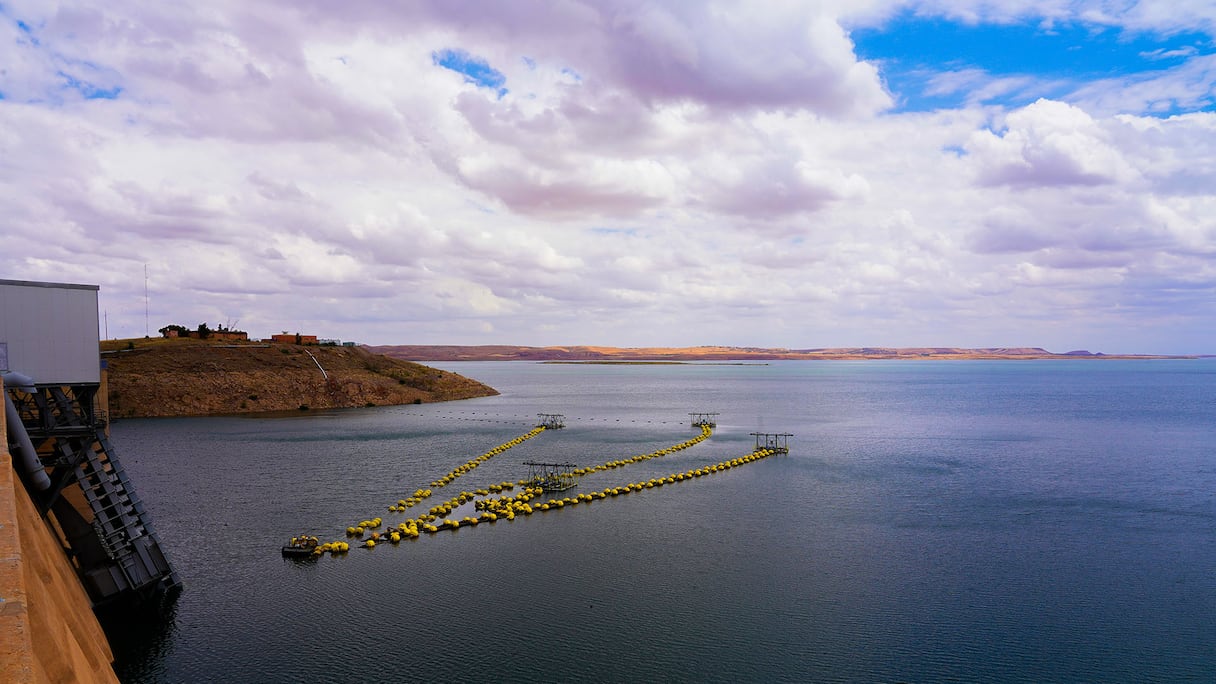
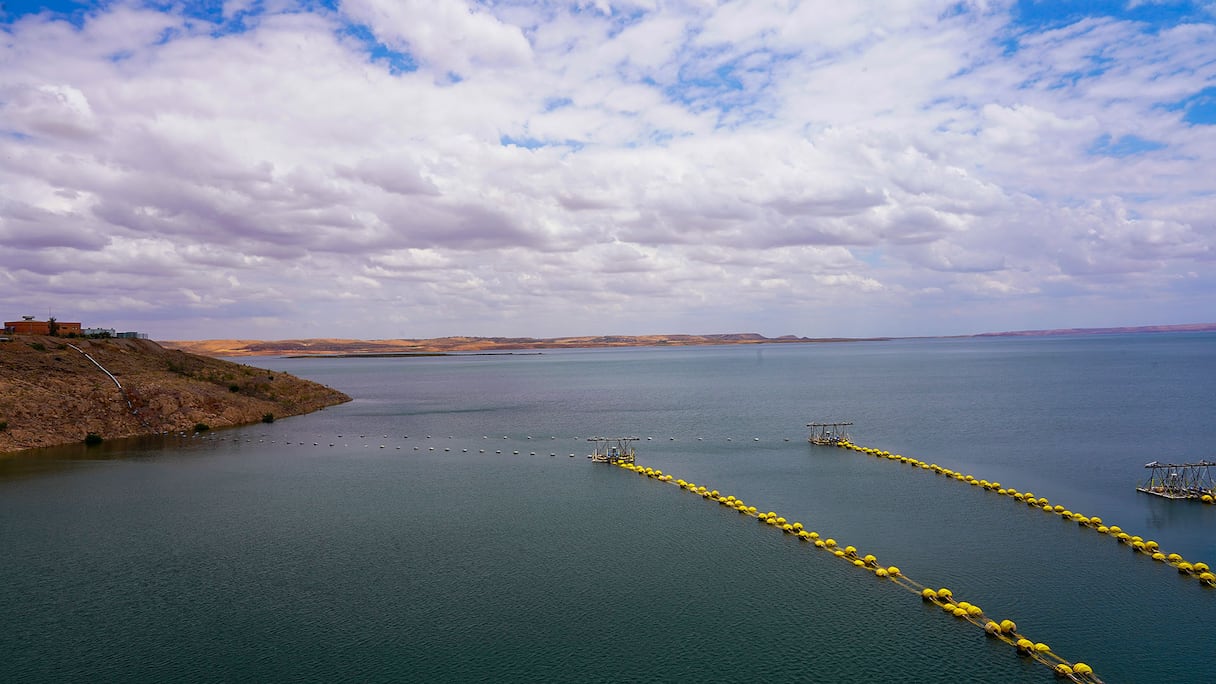
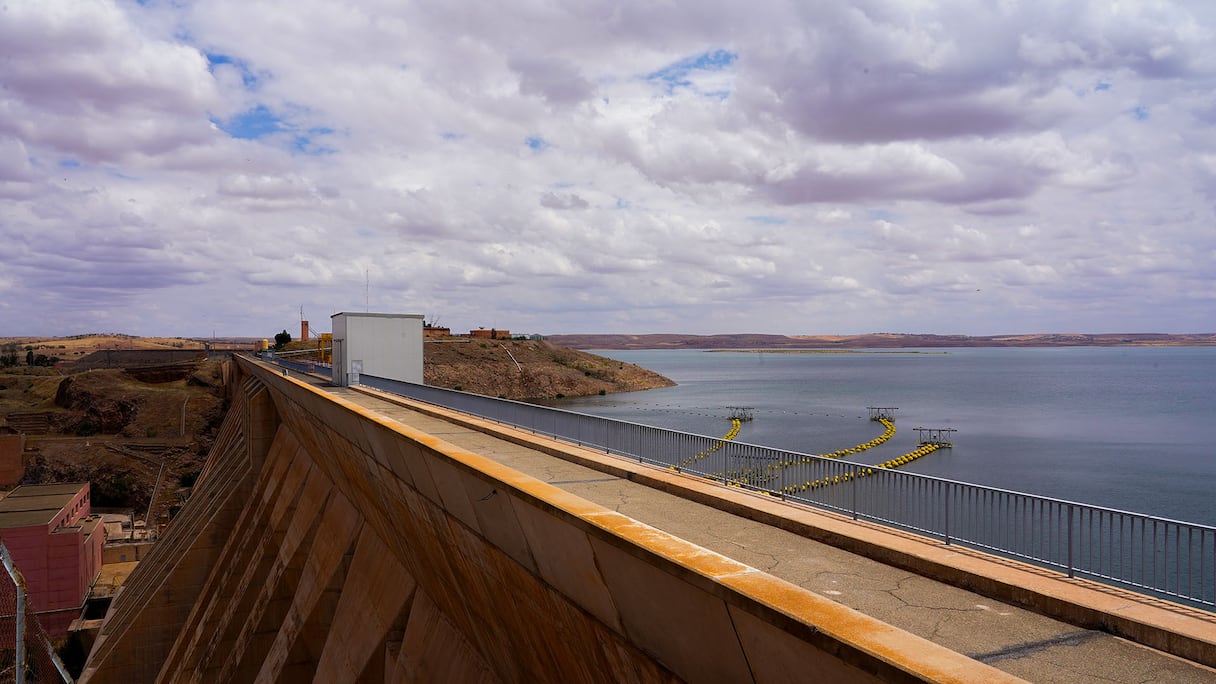
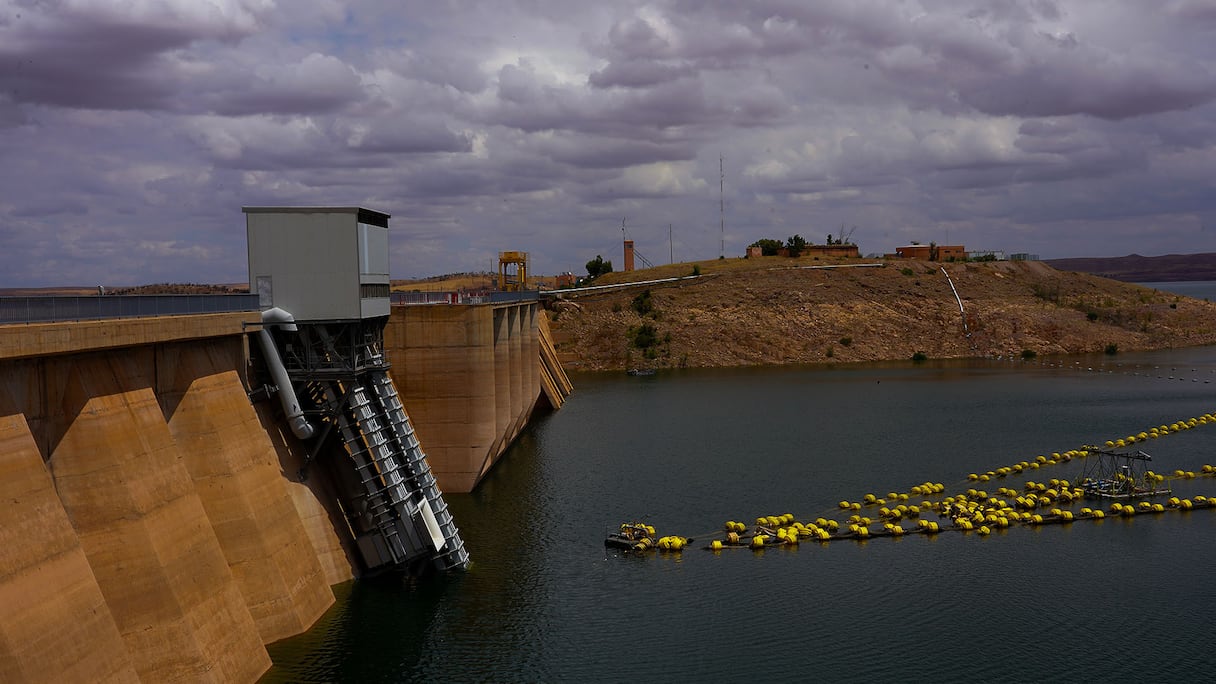
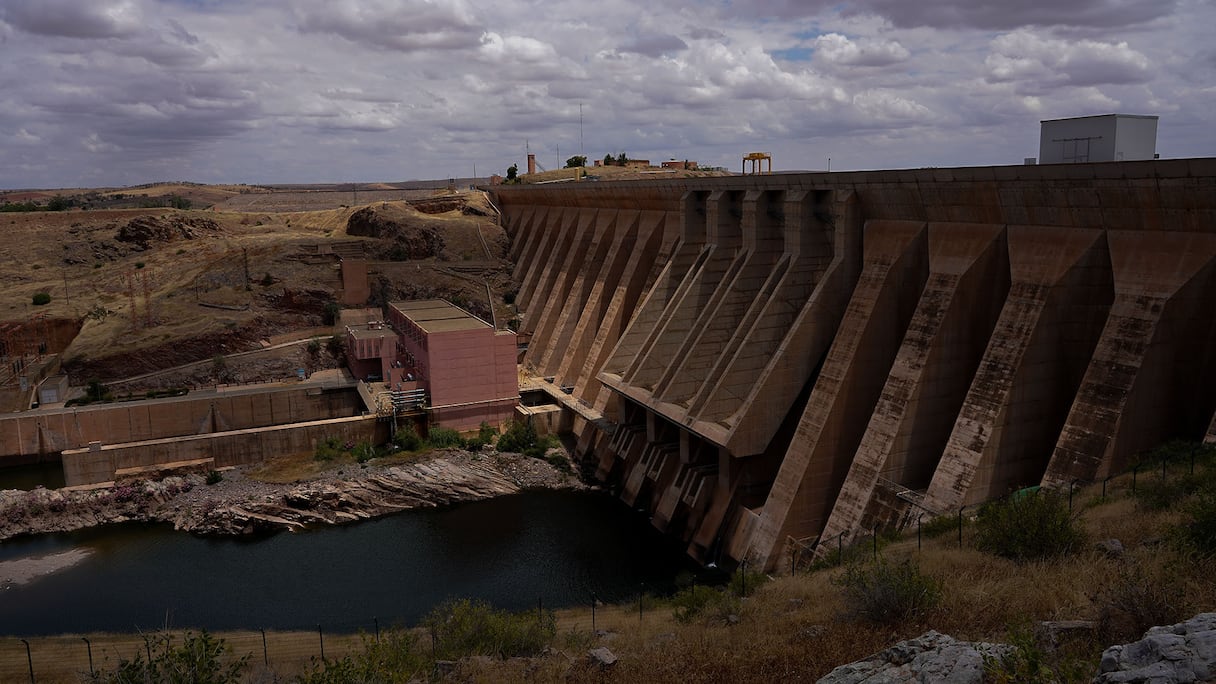
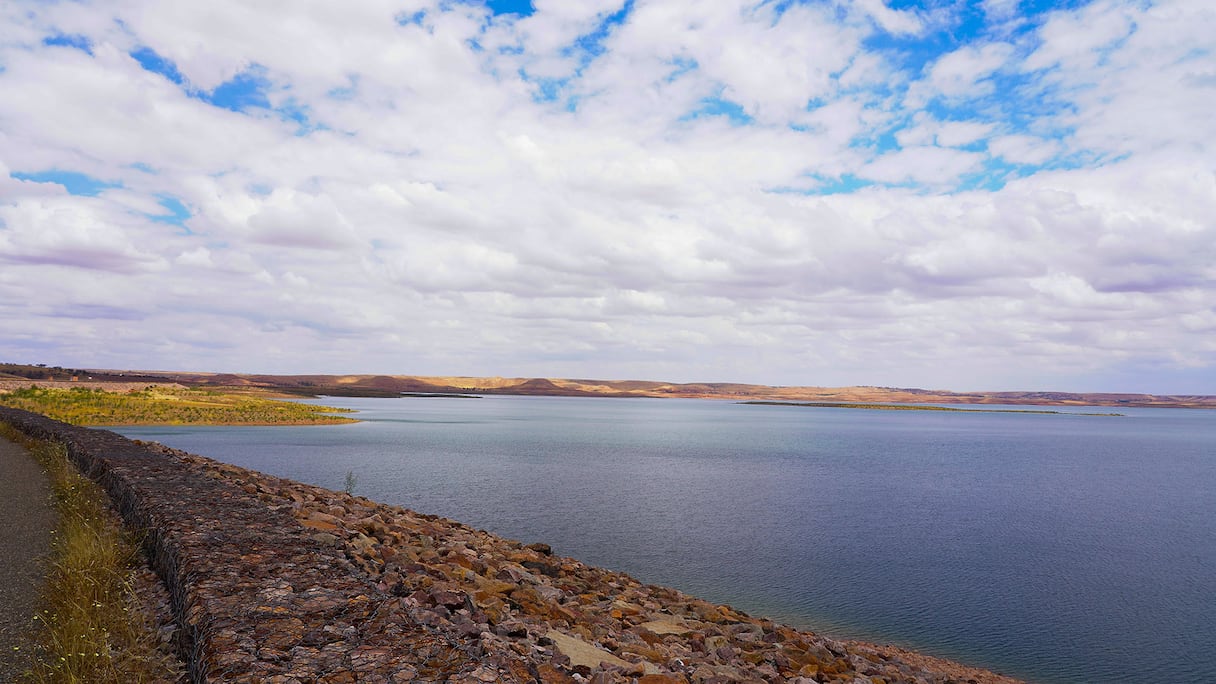
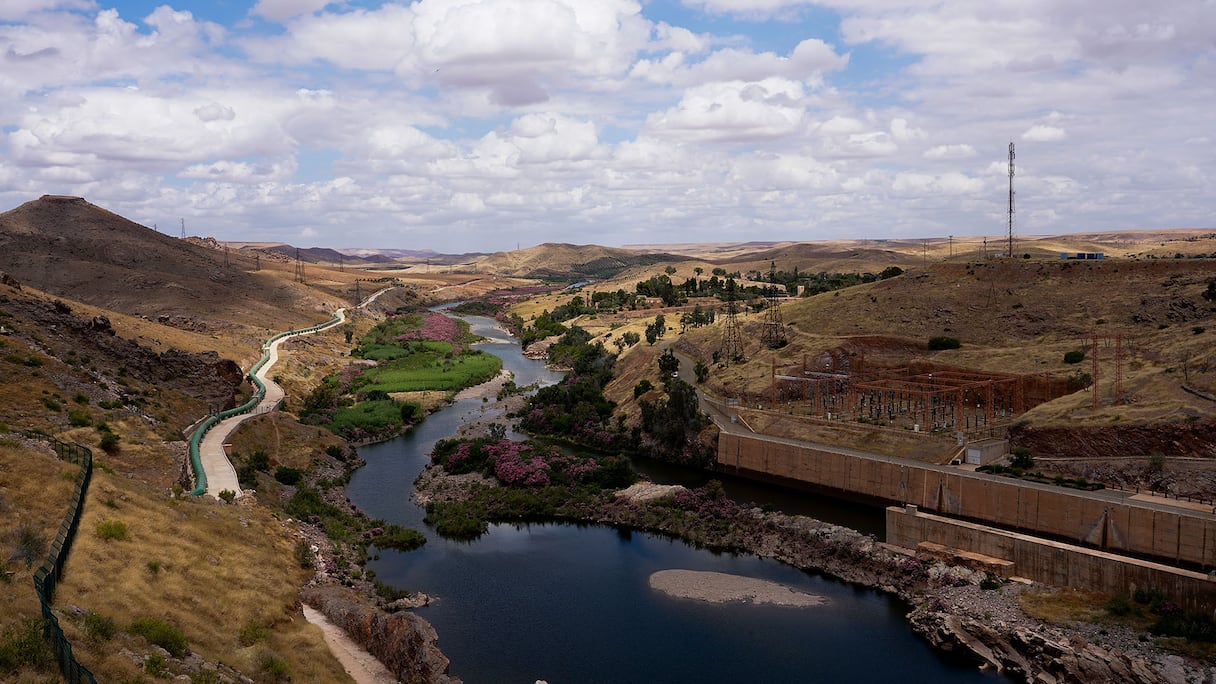
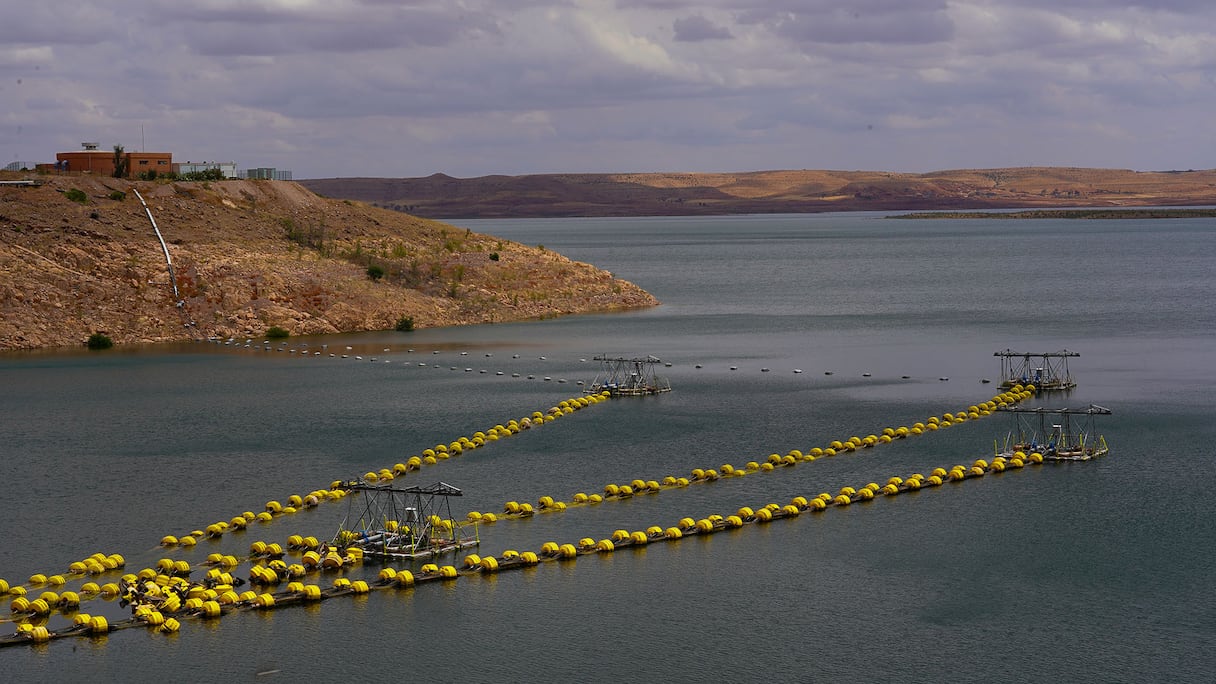
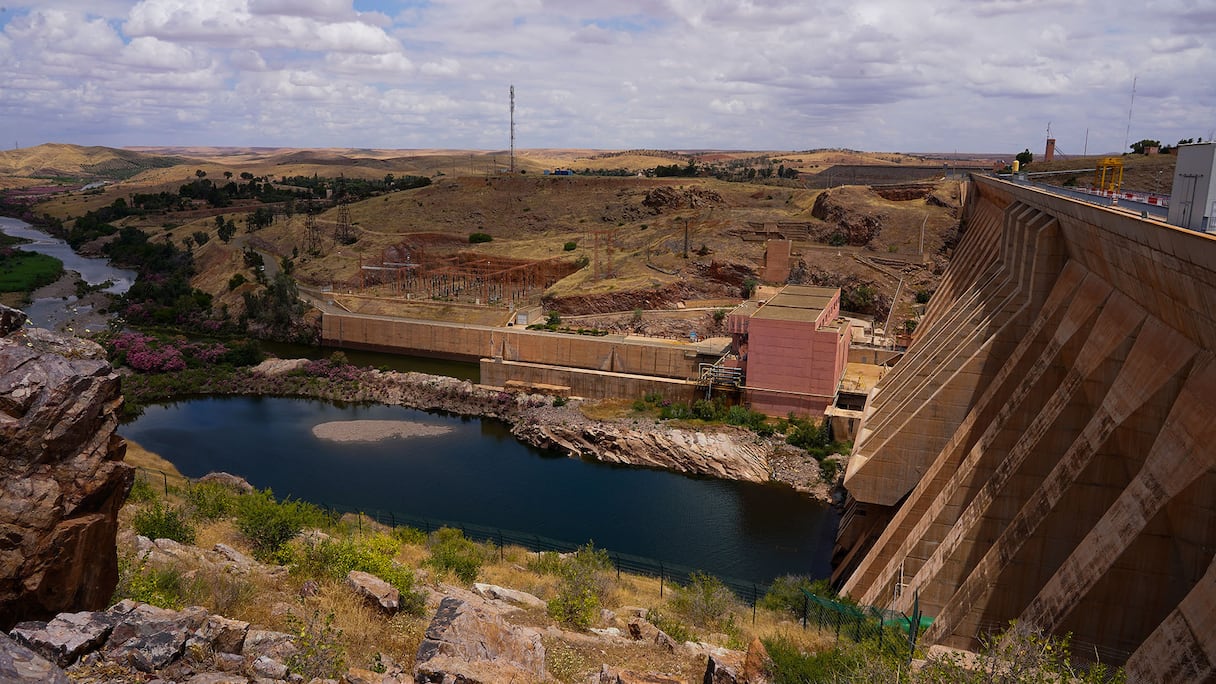
Al Massira Dam. (K. Essalak/Le360)
Idriss I followed closely, falling from 95% to 76.68%, with more than 200 million cubic meters withdrawn since mid-May, bringing its stock down to 824.39 million cubic meters. El Kansera also lost 18 percentage points, falling from 91% to 72.68%, while Sidi Mohammed Ben Abdellah, which secures the capital’s water supply, declined from 90% to 74.79%, with 645.72 million cubic meters.
Bin El Ouidane slipped from 94% to 82.88%, Hassan I from 99% to 86.55%, Dar Khroufa from 99% to 91.49%, and Ahmed El Hansali from 86% to 79.70%. Also in the Loukkos basin, the 9 April 1947 Dam fell from 75% to 70.92%, while Asfalou, in the Sebou basin, declined from 61% to 58.72%.
Hassan Addakhil lost nearly 18 percentage points, falling from 71% to 53.35%, with 153.43 million cubic meters. Mansour Eddahbi dropped from 50% to 38.46%, while Kadoussa declined from 33% to 27.07%. Youssef Ben Tachfine, the main reservoir in Souss, edged down from 49% to 47.54%, Abdelmoumen from 36% to 33.40%, and Sultan Moulay Ali Cherif slipped from 22% to 19.19%, with only 53.76 million cubic meters. Hassan II, on the Moulouya, which had stood out as an exception in mid-August, eventually lost ground as well, falling from 57% to 56.12%.
Read also : Morocco’s dam reserves remain strong in mid-August as fill rate reaches 68.7%
Agdez, in the Draâ basin, was the rare dam to gain ground, rising from 35% to 38.69%. By contrast, Mohammed V Dam, in the lower Moulouya, accounts for most of the irrigation releases in its basin. Filled to 91% in mid-May, it stood at just 25.97% three and a half months later.
Evolution of filling rates and stored volumes in dams. (Data source: Ministry of Equipment and Water / Compilation: Le360)
| Dam | Basin | Normal capacity (Mm³) | Rate on May 18, 2026 | Rate on Sept. 1, 2026 | Change (points) | Volume on May 18 (Mm³) | Volume on Sept. 1 (Mm³) | Change in volume (Mm³) |
|---|---|---|---|---|---|---|---|---|
| Al Wahda | Sebou | 3,452.05 | 88.00% | 84.32% | -3.7 | 3,060.80 | 2,910.85 | -149.95 |
| Al Massira | Oum Errbia | 2,649.54 | 42.00% | 40.21% | -1.8 | 1,125.50 | 1,065.48 | -60.02 |
| Bin El Ouidane | Oum Errbia | 1,273.40 | 94.00% | 82.88% | -11.1 | 1,200.80 | 1,055.36 | -145.44 |
| Idriss I | Sebou | 1,075.15 | 95.00% | 76.68% | -18.3 | 1,028.50 | 824.39 | -204.11 |
| Sidi Mohammed Ben Abdellah | Bouregreg | 863.42 | 90.00% | 74.79% | -15.2 | 780.10 | 645.72 | -134.38 |
| Ahmed El Hansali | Oum Errbia | 697.18 | 86.00% | 79.70% | -6.3 | 601.00 | 555.63 | -45.37 |
| Oued El Makhazine | Loukkos | 695.81 | 91.00% | 72.59% | -18.4 | 635.10 | 505.12 | -129.98 |
| Tiddas | Bouregreg | 505.77 | 92.00% | 90.00% | -2.0 | 466.30 | 455.19 | -11.11 |
| Dar Khroufa | Loukkos | 474.75 | 99.00% | 91.49% | -7.5 | 472.80 | 434.37 | -38.43 |
| Mansour Eddahbi | Draâ-Oued Noun | 445.27 | 50.00% | 38.46% | -11.5 | 226.40 | 171.25 | -55.15 |
| Hassan II | Moulouya | 353.69 | 57.00% | 56.12% | -0.9 | 202.90 | 198.48 | -4.42 |
| 9 April 1947 | Loukkos | 305.64 | 75.00% | 70.92% | -4.1 | 231.50 | 216.74 | -14.76 |
| Asfalou | Sebou | 294.86 | 61.00% | 58.72% | -2.3 | 180.10 | 173.13 | -6.97 |
| Youssef Ben Tachfine | Souss-Massa | 290.87 | 49.00% | 47.54% | -1.5 | 143.10 | 138.26 | -4.84 |
| Hassan Addakhil | Guir-Ziz-Ghris | 287.57 | 71.00% | 53.35% | -17.7 | 204.60 | 153.43 | -51.17 |
| Sultan Moulay Ali Cherif | Draâ-Oued Noun | 280.18 | 22.00% | 19.19% | -2.8 | 61.90 | 53.76 | -8.14 |
| Hassan I | Oum Errbia | 229.75 | 99.00% | 86.55% | -12.5 | 228.60 | 198.84 | -29.76 |
| Kadoussa | Guir-Ziz-Ghris | 224.18 | 33.00% | 27.07% | -5.9 | 74.40 | 60.68 | -13.72 |
| El Kansera | Sebou | 204.86 | 91.00% | 72.68% | -18.3 | 187.10 | 148.90 | -38.20 |
| Abdelmoumen | Souss-Massa | 198.44 | 36.00% | 33.40% | -2.6 | 72.10 | 66.27 | -5.83 |
Despite this summer erosion, the situation remains far better than it was last year. As of September 1, 2025, the national filling rate stood at just 33.79%. Current reserves are therefore exactly twice their level a year ago, providing a buffer that should allow Morocco to enter the autumn and the next agricultural season with an unprecedented margin of safety in recent years.