If you’ve ever watched a Roman general march into battle, James Bond chase a villain through a maze of alleyways, or Daenerys Targaryen rule over a slave city, chances are you’ve already seen Morocco. You just weren’t told you had.
For a country that so often appears on screen as somewhere else, Morocco has played an outsized role in film history. Many global hits were filmed there, watched by millions of people who had no idea they were looking at Morocco.
Its dunes have stood in for Arabia, its kasbahs for ancient Rome, and its medinas for Tibet. Ouarzazate, a desert town on the edge of the Sahara, has even earned the nickname “Ouallywood” for the sheer number of Hollywood productions that have passed through its studios.
Here, in countdown order, are ten of the best.
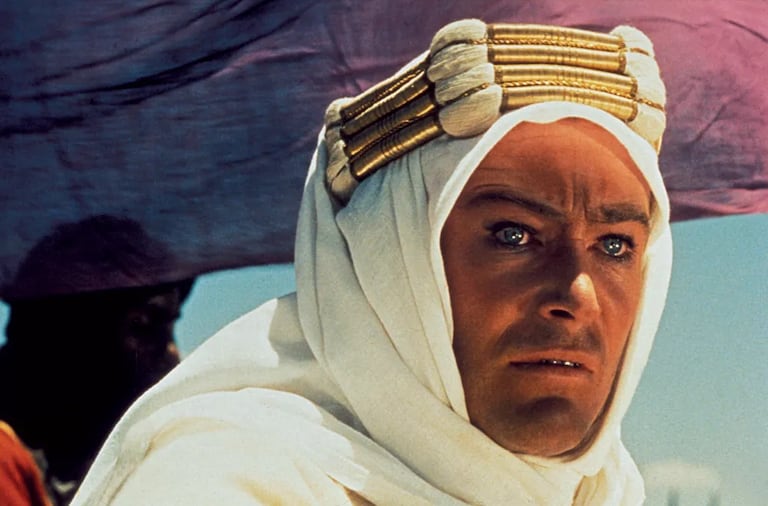
- Lawrence of Arabia (1962)
T.E. Lawrence rides a camel alone across an empty expanse of dunes that stretches to the horizon in every direction, in one of cinema’s most famous entrances.
Those dunes are outside Erfoud and Zagora, not in Arabia at all; the fortified village glimpsed elsewhere in the film is Aït Benhaddou, fifteen miles from Ouarzazate. Morocco’s open terrain matched the scale the production demanded.
David Lean split his production across Jordan, Spain, and Morocco, and it’s the Moroccan desert sequences that carry the film’s most reproduced images.
The film won seven Academy Awards, including Best Picture, off a production that most audiences assumed was shot entirely in the actual Middle East.
- The Mummy (1999)
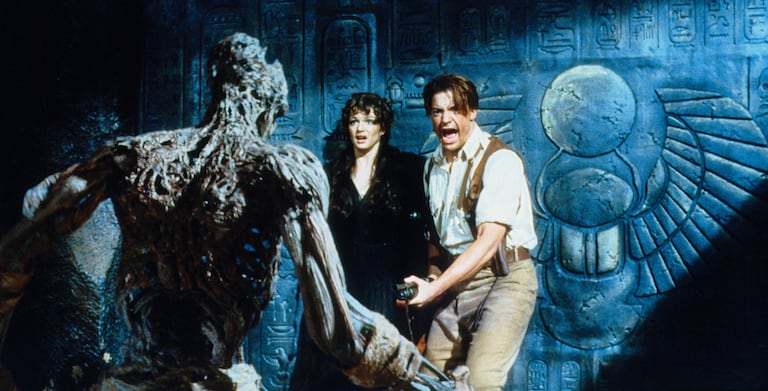
Brendan Fraser wakes an ancient curse in a lost Egyptian city built inside a natural crate, sandstorms swallow armies, and treasure hunters march toward the legendary city of Hamunaptra.
The 1920s “Cairo” scenes were filmed in Marrakech’s medina and around Djemaa el-Fna square; the lost city of Hamunaptra was constructed at Gara Medouar outside Erfoud, the same crater Spectre would use sixteen years later.
Political instability in Egypt ruled out filming there, so the production recreated much of ancient Egypt in Morocco before completing studio work in the United Kingdom.
The film went on to gross $422.5 million against an $80 million budget.
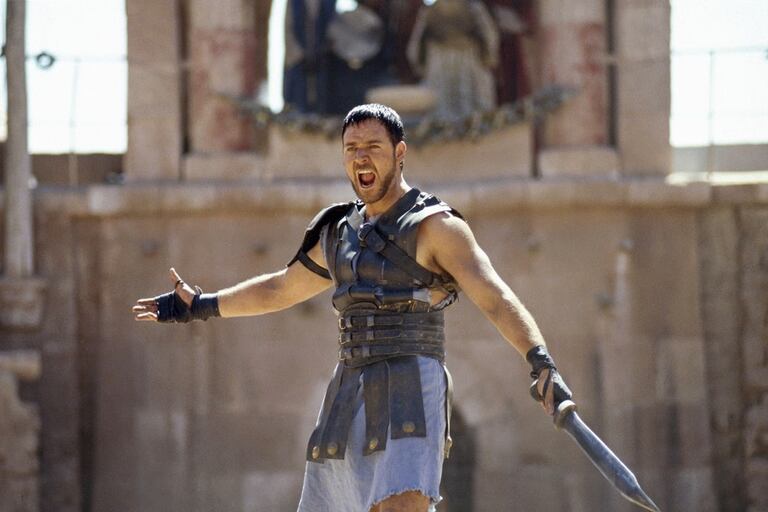
- Gladiator (2000)
Maximus, stripped of his rank and sold as a slave, fights his first match in a hastily built arena while chained to another prisoner.
The town where he’s sold, and the 30,000-seat stadium he fights in, don’t exist — they were built from mud brick at Aït Benhaddou to blend into the real ksar behind them, while the slave market and holding pens were constructed a 25-minute drive away at Atlas Studios.
The Germania battle scenes were shot in England and the Colosseum sequences combined a partial set in Malta with digital effects.
- Kingdom of Heaven (2005)
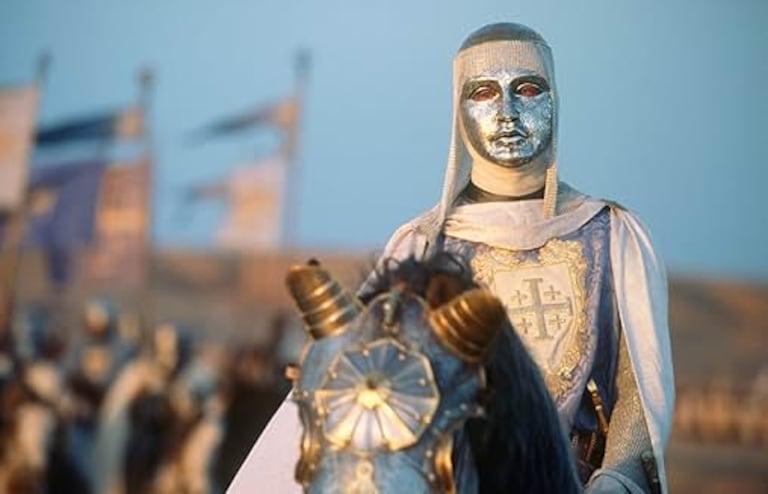
Orlando Bloom defends Jerusalem against Saladin’s army as thousands of soldiers gather outside the city’s walls in one of Ridley Scott’s largest battle sequences.
Much of the medieval Holy Land was recreated at Aït Benhaddou, where Scott returned after filming Gladiator five years earlier. The centuries-old ksar required only minimal set dressing, while temporary structures and extensions were added around the site to recreate 12th-century Jerusalem.
Hundreds of local residents were hired as extras, many of whom had also appeared in Gladiator.
- The Bourne Ultimatum (2007)
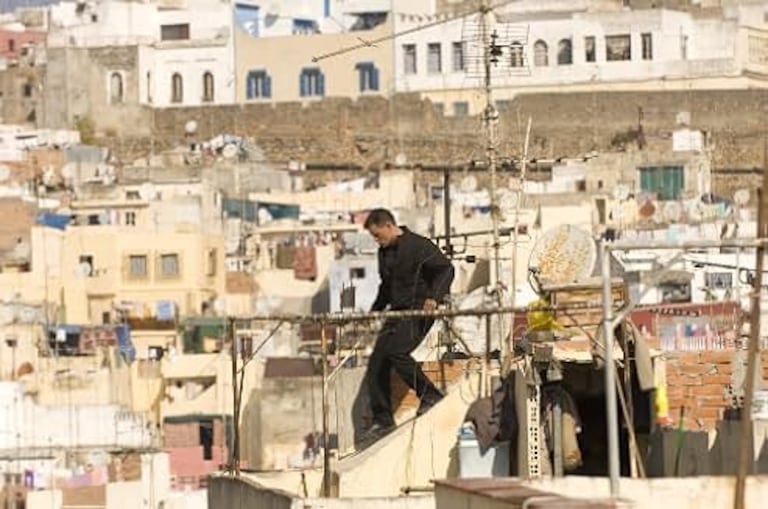
Jason Bourne sprints across a rooftop, drops through a skylight, and fights an assassin in a cramped apartment, all without a single visible cut in the editing that would give away a change of location.
The sequence was shot for real in Tangier’s medina: motorbikes weaving through alleys too narrow for cars, then a foot chase up stairwells and across rooftops.
Director Paul Greengrass relied on Tangier’s dense urban layout rather than elaborate studio sets, helping create one of the franchise’s most celebrated action sequences.
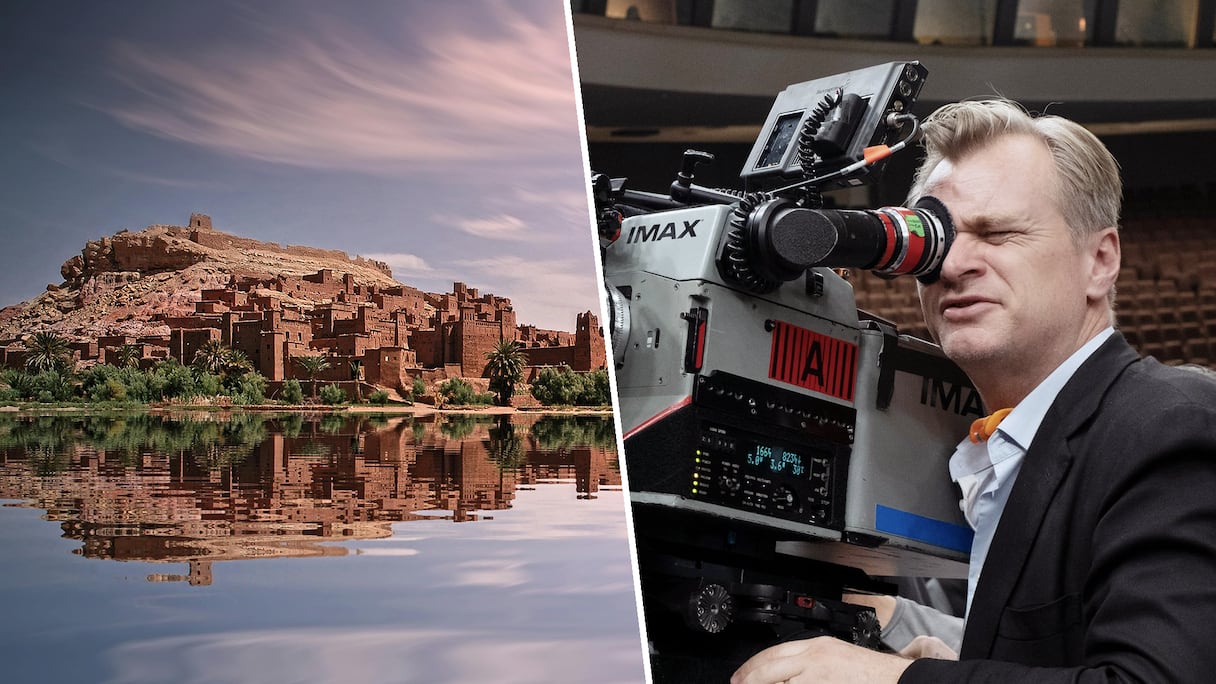
- Inception (2010)
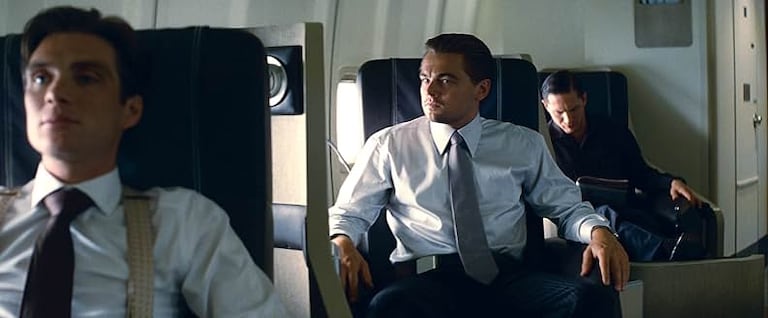
Leonardo DiCaprio’s character corners a forger in a coastal African city, and the marketplace chase that follows tears through narrow alleys stacked with fabric stalls and spice vendors.
The scene is set in Mombasa, Kenya. It was filmed in Tangier’s Grand Souk, with Kenyan number plates and shop signage added to sell the illusion to anyone who might notice the geography was off.
Nolan’s crew shot across six countries and four continents for this film, and the Morocco leg barely runs a few minutes on screen, but it’s the sequence most audiences remember.
- Game of Thrones (2012) (Seasons 2 & 3)
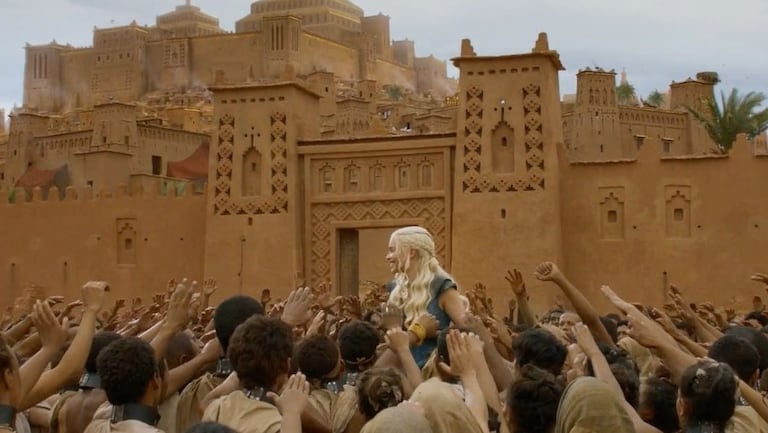
Daenerys Targaryen walks into a fortified port city to buy an army of slave soldiers, and the ramparts she walks along are real 18th-century sea walls, not a set.
Essaouira’s Skala de la Ville, a fortress facing straight into the Atlantic, played the slave city of Astapor in Season 3, complete with the town’s actual blue fishing boats visible in the background.
A few hours away, Aït Benhaddou played the rival slave city of Yunkai, while Atlas Studios in Ouarzazate built the interiors for Pentos. After the series aired, visitor numbers to Aït Ben Haddou rose sharply as fans travelled to see the city behind Daenerys’ rise to power.
- Spectre (2015)
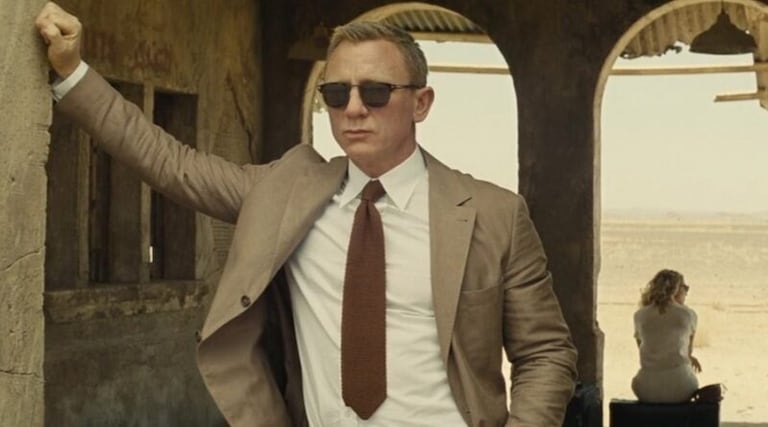
James Bond boards the “Oriental Desert Express” heading toward a supervillain’s desert base, and the train that carries him actually exists: it runs a real 305-kilometer stretch of track between Oujda and Bouarfa.
The villain’s lair sits inside Gara Medouar, a horseshoe-shaped crater near Erfoud that looks like a dormant volcano and has hosted more than one production’s fictional hideout.
Spectre carried a production budget estimated at around US$245 million, making it one of the most expensive Bond films ever produced.
- Mission: Impossible – Rogue Nation (2015)
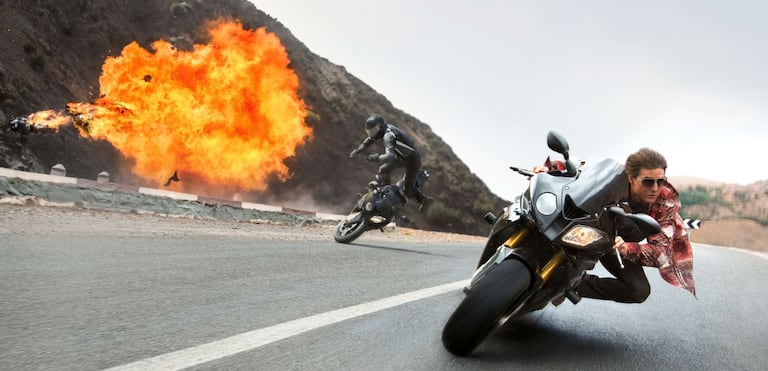
Tom Cruise, on a motorcycle and without a helmet, tears down a highway outside Marrakech before the chase drops down the steps of Rabat’s 12th-century Kasbah of the Udayas, cuts through Casablanca, and ends with a car flipping in front of the Hassan II Mosque, home to the world’s tallest minaret.
Cruise performed the riding himself at 53, while the production shut part of the Marrakesh Highway for two weeks to film the sequence.
Unlike many Hollywood productions shot in Morocco, these scenes are actually set in Morocco, with Casablanca playing itself in the story.
Cruise performed many of his own stunts during production, continuing the tradition that has made the Mission: Impossible series famous. The film crossed US$680 million at the global box office.
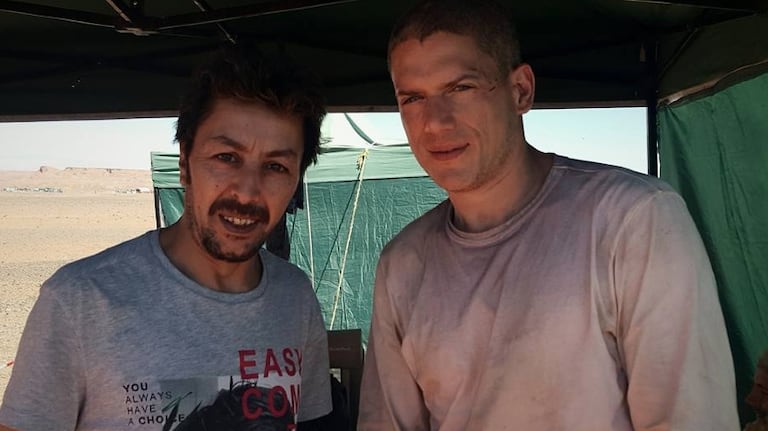
- Prison Break — (2017) (Season 5)
A death-row inmate wakes up in a filthy penitentiary in Yemen, and the whole plot hinges on breaking him out before he’s executed.
Fox never sent a crew anywhere near the Arabian Peninsula. The fictional Yemeni prison was actually the Ibn Al-Haytham Technical School in Ouarzazate, dressed to look like a hostile foreign jail.
The rest of the revival season’s Middle Eastern backdrop was covered by Rabat and Casablanca, standing in for a region the production had no intention of actually visiting.
Prison Break returned after an eight year break, making Season 5 one of television’s biggest revivals. Morocco allowed the crew to recreate checkpoints, refugee camps, and devastated city streets without relying entirely on CGI.