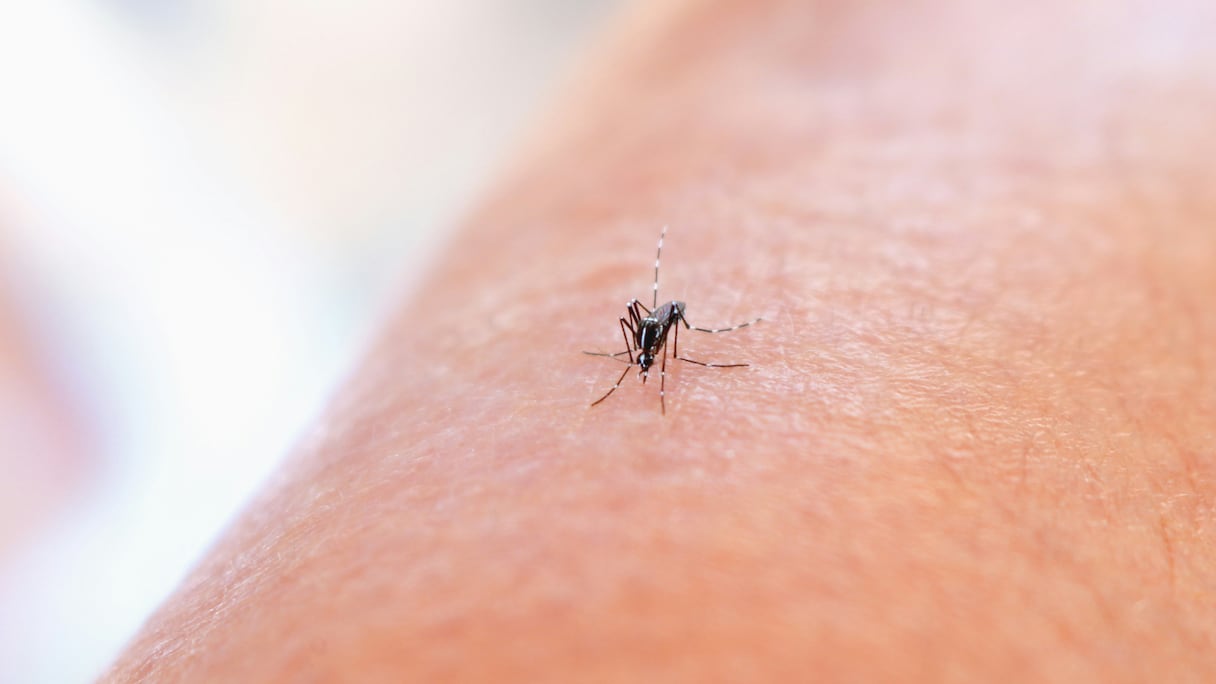
Summer marks the return of insects. Mosquitoes, flies, cockroaches and ticks proliferate in the heat. Beyond being a nuisance, some can transmit diseases. On LinkedIn, Mouad Merabet, coordinator of the National Public Health Emergency Operations Center, outlined the risks associated with each species and the preventive measures to follow.
According to the doctor, mosquito bites cause itching and discomfort. In addition, some species can transmit diseases in endemic areas. Flies, meanwhile, carry germs from contaminated places to food and surfaces, potentially contributing to certain diseases and food poisoning.
Read also : Casablanca steps up awareness campaign as summer heat drives rise in reptiles, scorpions and pests
Cockroaches can also contaminate food and surfaces and carry microbes. They can trigger allergic reactions or asthma attacks in people who already suffer from these conditions. Ticks attach themselves to the skin and feed on blood. Some species transmit diseases in certain regions.
How can you reduce insect bites and protect yourself?
Dr. Mouad Merabet recommends eliminating standing water. Small containers, puddles, ditches and clogged gutters provide breeding grounds for mosquitoes. He advises regularly emptying small containers and saucers, such as flower pots and trays; covering or turning over containers that can collect water, including barrels, jerry cans and basins; and installing mosquito nets or suitable screens on windows and doors.
A safe, approved insecticide can be used when necessary, following the instructions for use. Food should always be covered and stored in closed containers. Waste should be properly managed, and the home and its surroundings kept clean. Dr. Mouad Merabet also recommends maintaining outdoor areas by mowing grass, trimming hedges and removing debris.
When going outdoors in rural or grassy areas, Dr. Mouad Merabet recommends wearing long, loose-fitting, light-colored clothing. A suitable insect repellent should be applied to exposed skin or clothing. Closed-toe shoes are also recommended.
Read also : Bloating and digestive discomfort: how to keep your gut happy this summer
After an outing, the body should be carefully checked, including the scalp, armpits, backs of the knees, navel and spaces between the toes. Dr. Mouad Merabet stresses that children should be checked just as carefully as adults. Clothing should also be checked and shaken out. If a tick is found, it should be removed quickly and properly.
After a bite or sting, the doctor recommends washing the area with soap and water, then applying a cold compress to reduce pain or swelling. The affected area should not be scratched.
Dr. Mouad Merabet warns against several common but discouraged practices. Toothpaste should not be applied to a bite, nor should ash or cigarette butts be used. Plants or preparations of unknown composition should be avoided, as should irritants, cleaning products and concentrated disinfectants. The area should not be scratched aggressively, and no medication should be taken at random.
Medical attention is necessary if swelling is significant or worsens, if redness spreads or pain increases, or if a rash, fever or unusual symptoms develop. Dr. Mouad Merabet warns of one sign requiring urgent medical attention: difficulty breathing or swelling of the face, mouth or throat.