By the time Fouzi Lekjaa reached Tinghir on Sunday, much of PAM’s election offer needed little introduction.
The MAD3,000 minimum pension, higher direct aid, lower income tax, help with electricity bills and promises on health and jobs have followed him across the campaign trail. In Tinghir, it was water that gave the familiar pitch a more local edge.
“We cannot, every time there is a little drought, start looking for water because there is none left in this city or that region,” Lekjaa told the gathering.
He pointed to Tinghir’s palm groves, arguing that water security had to be planned around the needs of households, agriculture and economic activity rather than dealt with when shortages had already set in.
Lekjaa is not standing in the September 23 election. But the budget minister and FRMF president has become a fixture on PAM’s campaign trail, using successive rallies to press the case for the party’s program.
Dakhla was an early and combative stop, where he attacked “spoils” politics and entered the row over a MAD5,000 minimum wage. In Casablanca, he spoke of changing course and dwelt on purchasing power. Azrou brought pensions, health and education to the fore.
The campaign became more pointed in Boulemane, where Lekjaa went after the RNI’s record in communes it runs and said officials should apologize to residents over shortcomings in water, sewerage and roads before returning to ask for their votes.
Agadir was heavy on the household arithmetic, with PAM’s MAD350bn five-year program and its proposals on pensions, incomes and widows’ benefits receiving another airing.
Tinghir brought many of those promises back.
Lekjaa again spoke of a MAD3,000 minimum pension and PAM’s proposal to raise minimum direct assistance for eligible families from around MAD500 to MAD1,000 a month.
He repeated his criticism of the criteria used to determine who receives that assistance, rejecting the idea that ownership of a phone, bicycle or motorcycle should help decide whether somebody is poor enough to qualify.
“The person who needs those 1,000 dirhams should get them. And the person who finds work and earns money, may God help him,” he said.
Lower income tax for employees was back too, as was PAM’s proposal for the state to pick up electricity bills below MAD100 for poor households.
Lekjaa also returned to the MAD280bn spent over the past five years on income support, direct assistance and household living conditions, arguing that rising prices had blunted its effect.
“Unfortunately, the cost of living and the rise in prices meant that this effort did not make Moroccans happy,” he said.
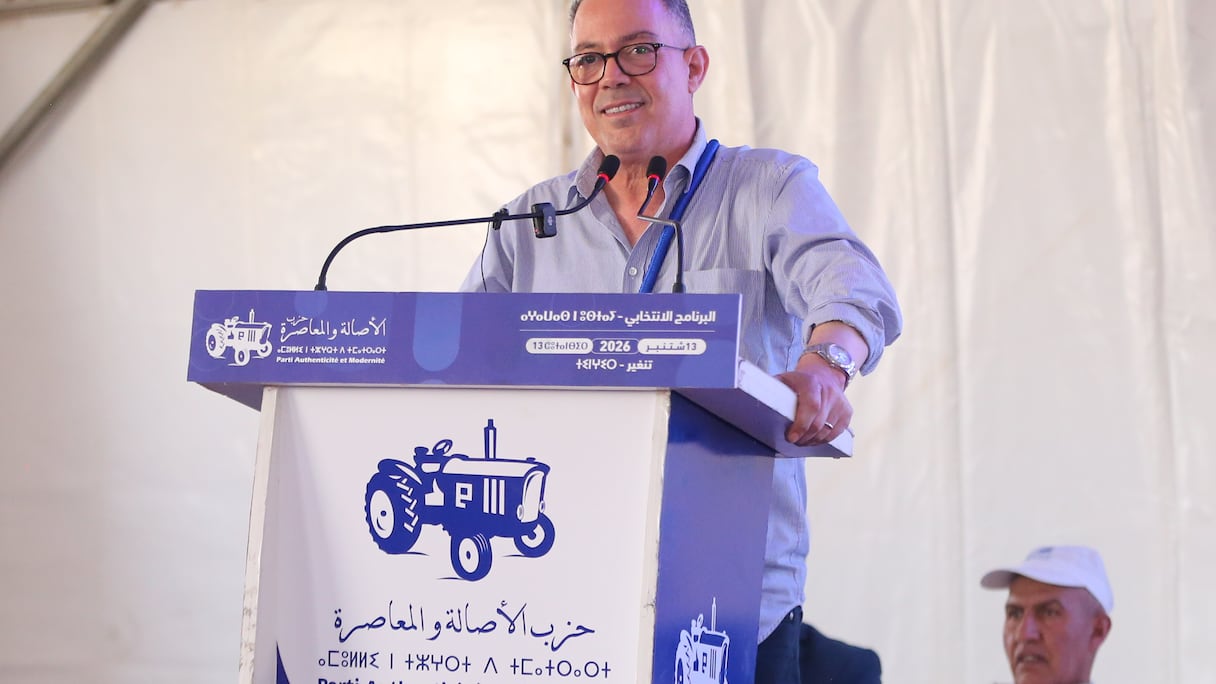
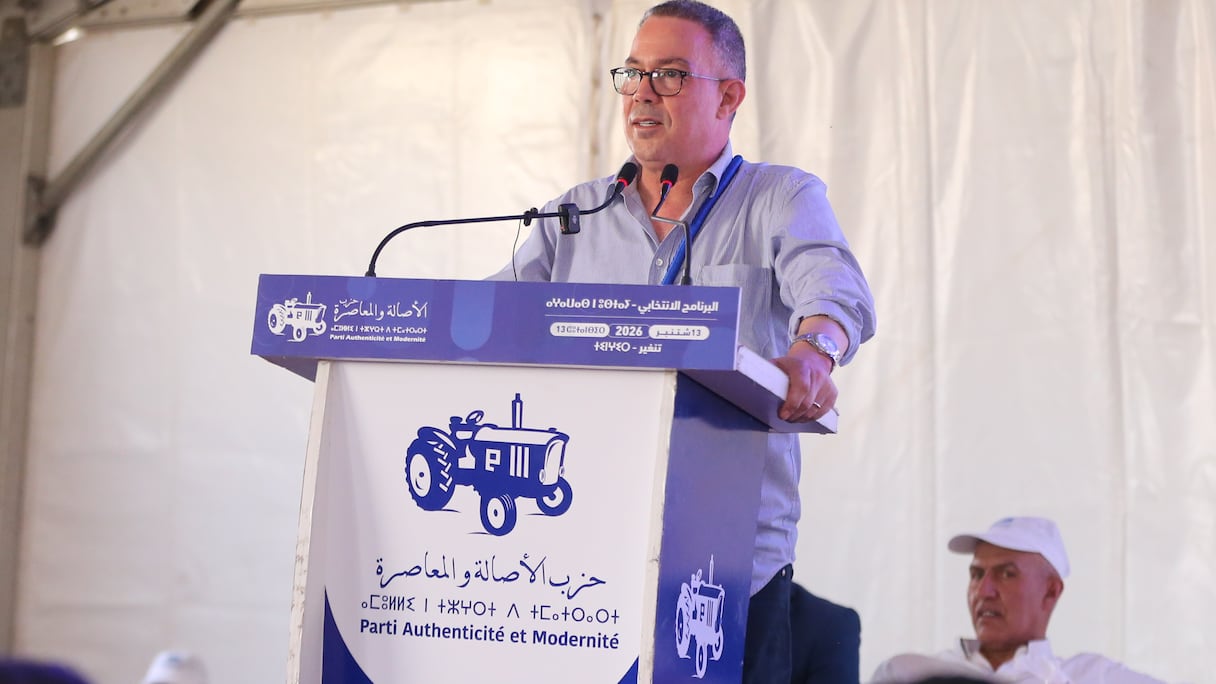
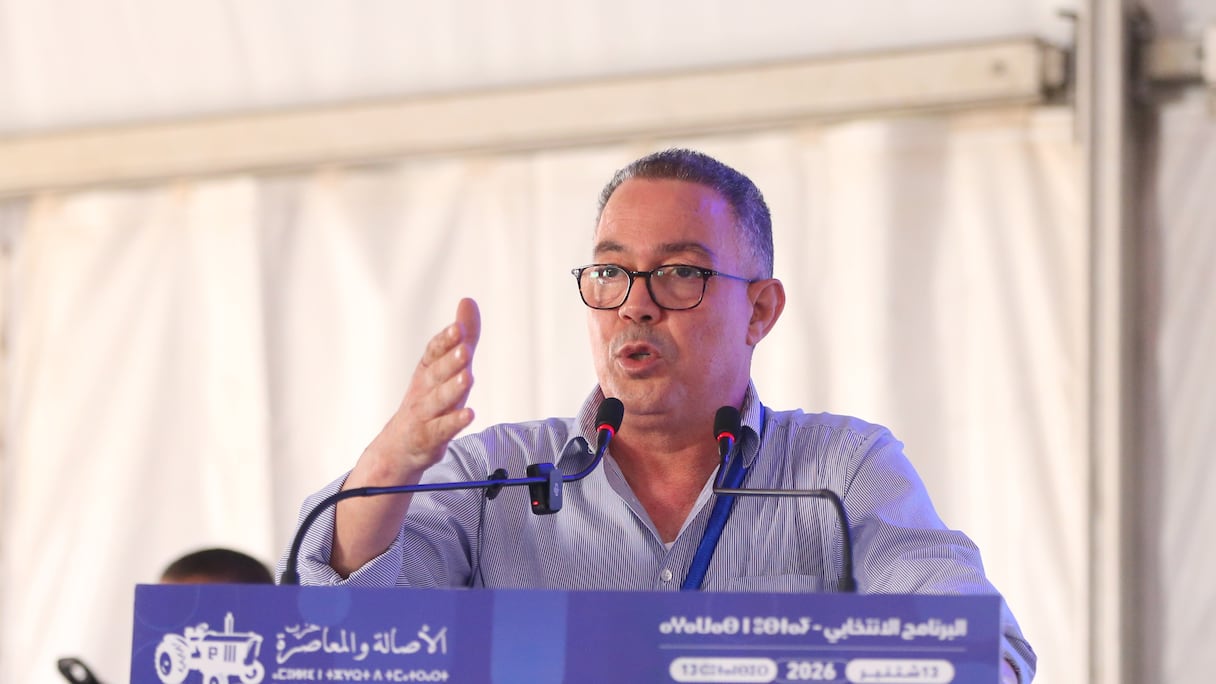
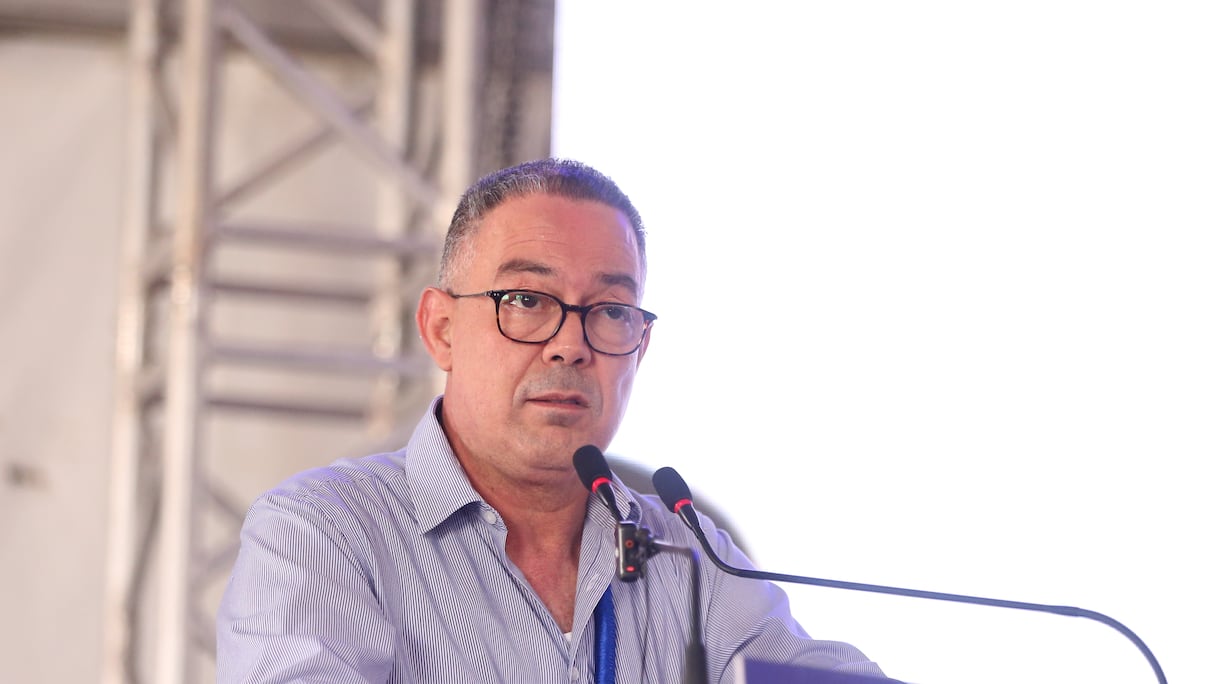
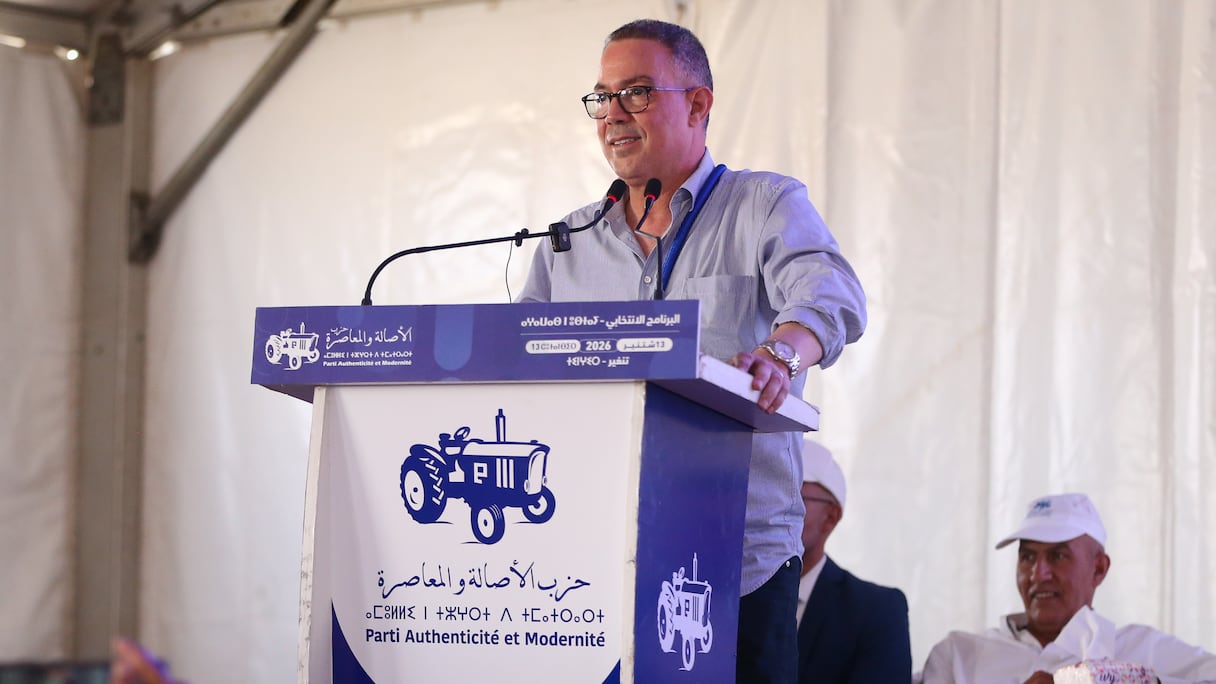
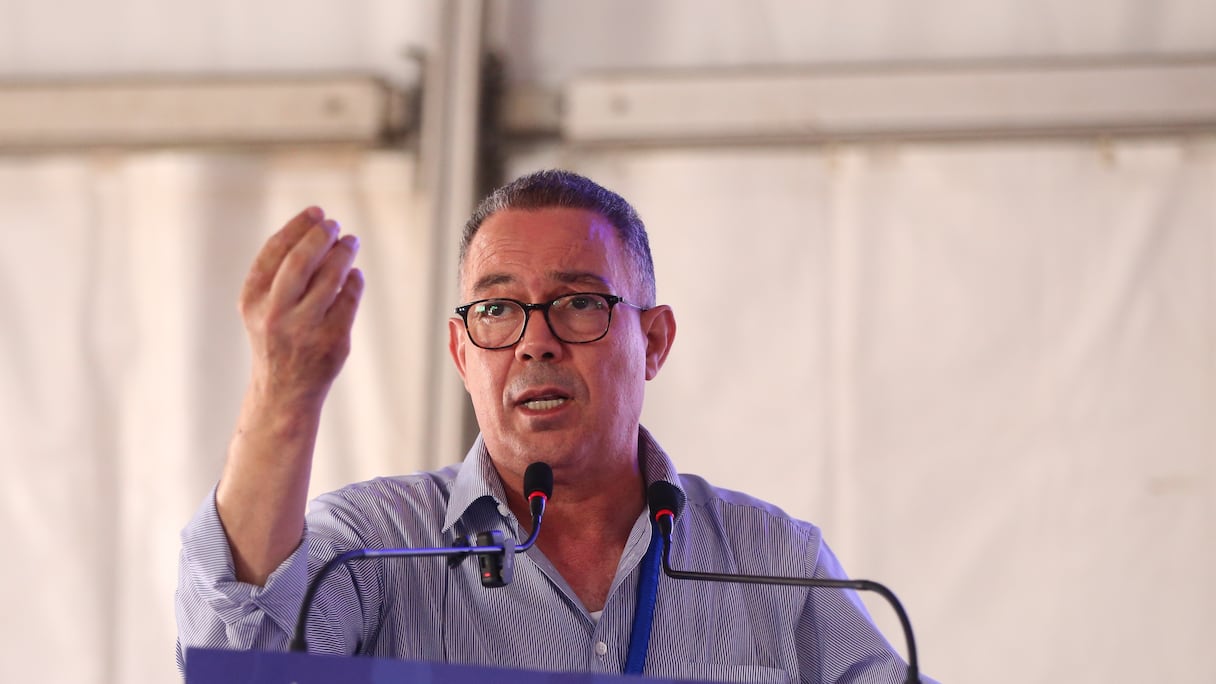
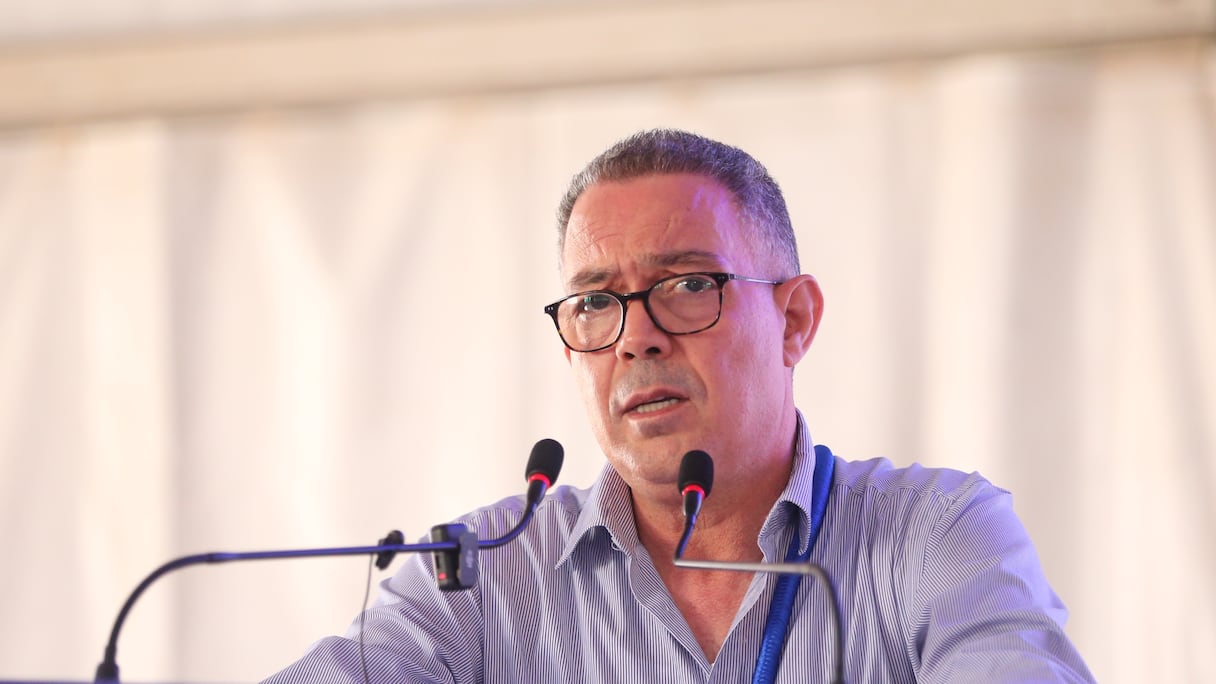
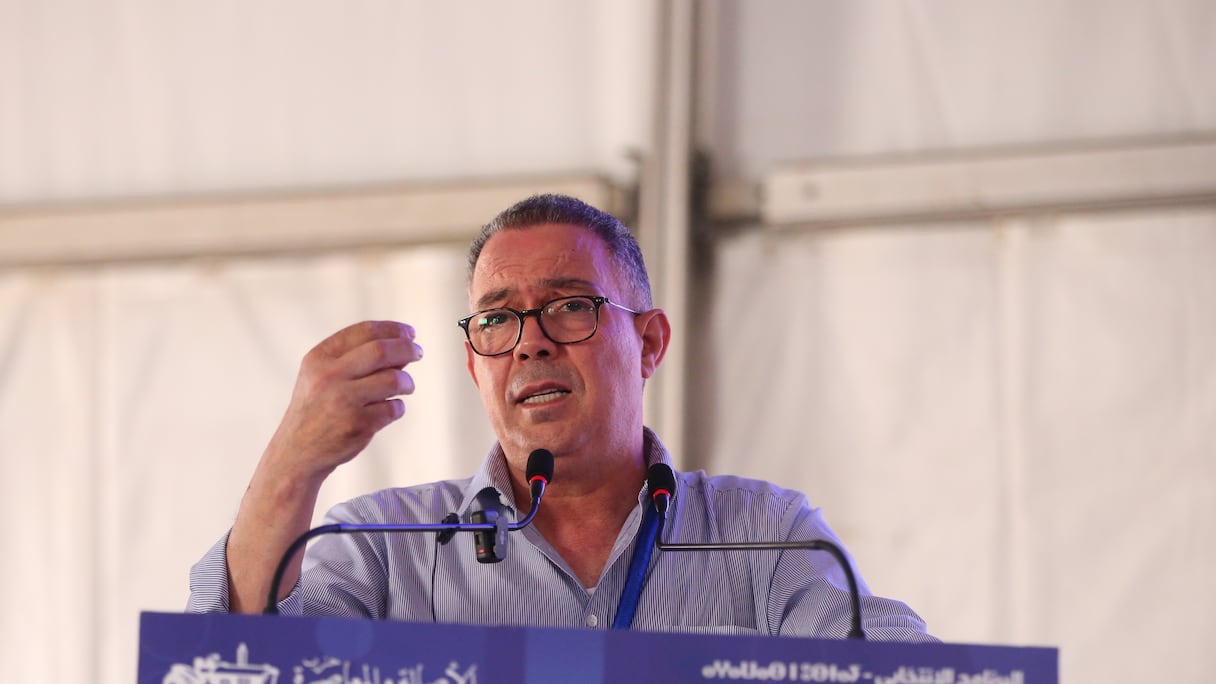
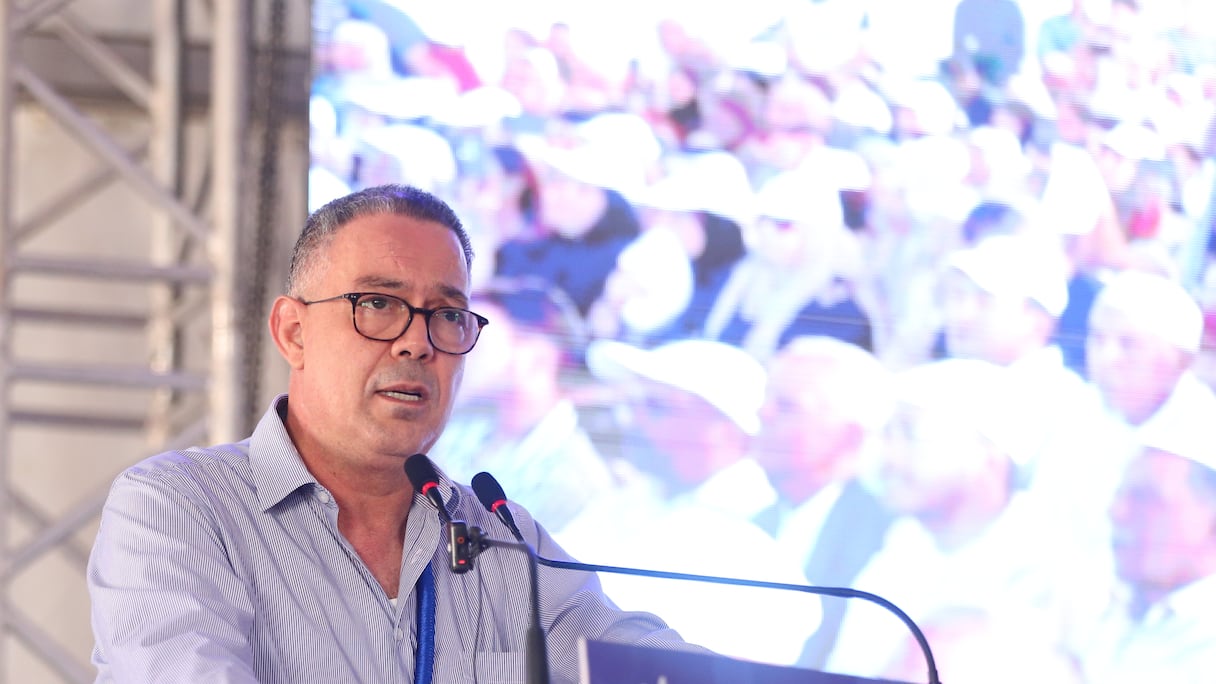
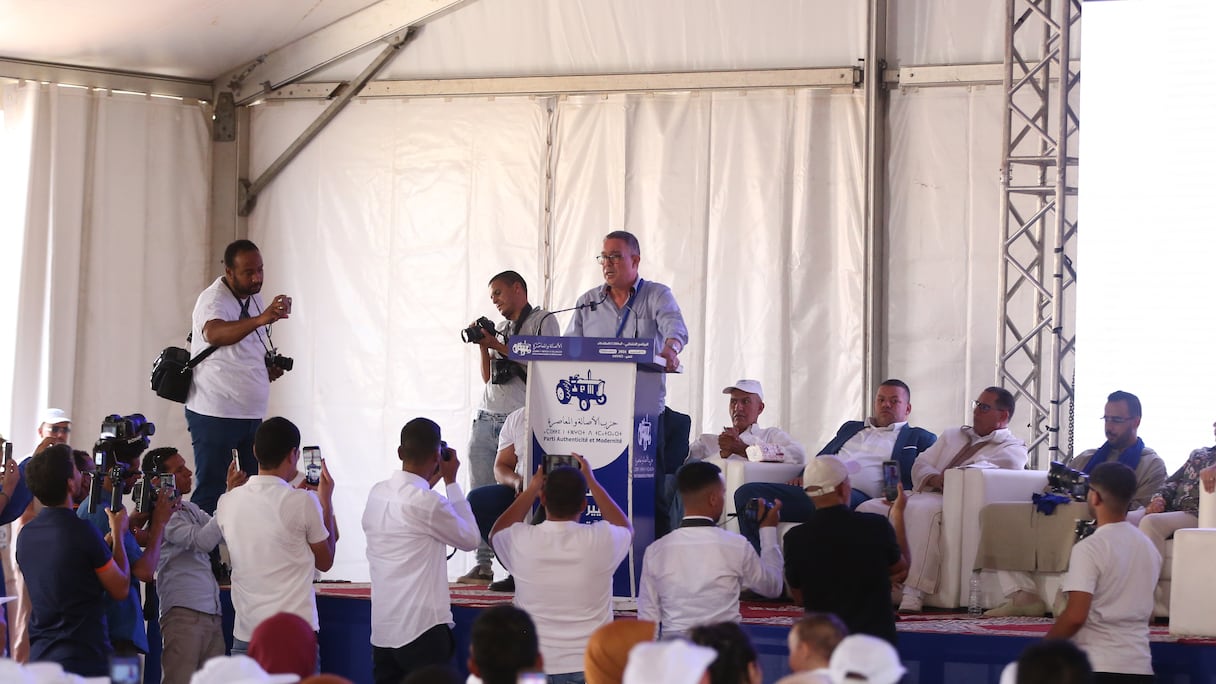
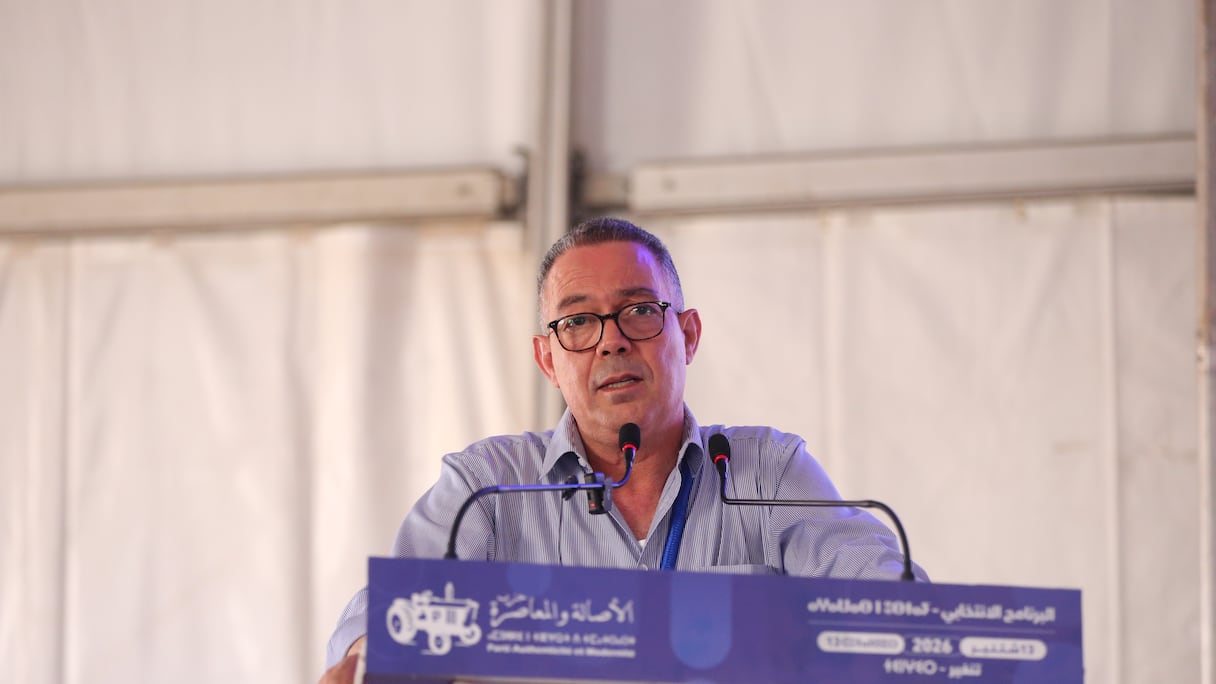
Fouzi Lekjaa lors de son discours à Tinghir, dimanche 13 septembre.
That led back to another regular feature of his campaign speeches—purchasing power. Lekjaa said PAM wanted basic goods to reach consumers at reasonable prices and recalled a time when families took greater satisfaction from doing their shopping.
“We want to bring back that feeling,” he said.
Health and young people also made their now familiar appearance, with Lekjaa repeating the party’s calls for dignified hospital care and support taking young people from training to their first business.
But in Tinghir, the recurring argument about uneven development found a ready setting.
“We believe that Morocco is moving at two speeds,” Lekjaa said. PAM’s answer, he told the crowd, was to get it moving at one.