MINURSO’s withdrawal now has a deadline. Speaking to Medi1TV at Hassan I Airport in in Laâyoune, as the first group of mission personnel prepared to depart, Alexander Ivanko, tasked by the UN Secretary-General with overseeing the mission’s dismantling and liquidation, set out the timeframe for the operation: “We are trying to make January 31 the deadline for our presence here.”
The first component of the plan outlined by Alexander Ivanko concerns the withdrawal of personnel. “The first stage is to ensure the orderly withdrawal of mission personnel stationed east and west of the berm,” he explained. This means bringing together all personnel deployed on either side of the defensive barrier before arranging their departure from the region.
Read also : Moroccan Sahara: MINURSO begins withdrawal from Laâyoune
Three symbolic acts will then mark the end of the mission, he explained: “Lowering the United Nations flag, closing all our headquarters in the Sahara and handing over the keys to the authorities.” In other words, the liquidation process will not be complete until the last UN symbol has disappeared and the final premises have been handed back.
“Continuous” coordination with Rabat
Another point addressed by Alexander Ivanko was cooperation with Morocco, which he described as exemplary. “Cooperation between us is excellent. I am in constant contact with the head of the Moroccan team responsible for overseeing the liquidation operation. We coordinate continuously,” he said. He also thanked the Kingdom “for its excellent cooperation and for providing everything necessary to ensure that our departure takes place under proper conditions.”
The Moroccan team operates within a framework established at the highest level. During the working session on November 4, King Mohammed VI instructed the MINURSO Coordination Office, which falls under the Ministry of the Interior, to coordinate and facilitate the mission’s liquidation and withdrawal, taking the necessary measures to ensure a smooth and orderly process. This arrangement covers the departure of civilian and military personnel, as well as the removal of the mission’s equipment and material assets, in liaison with the relevant UN departments.
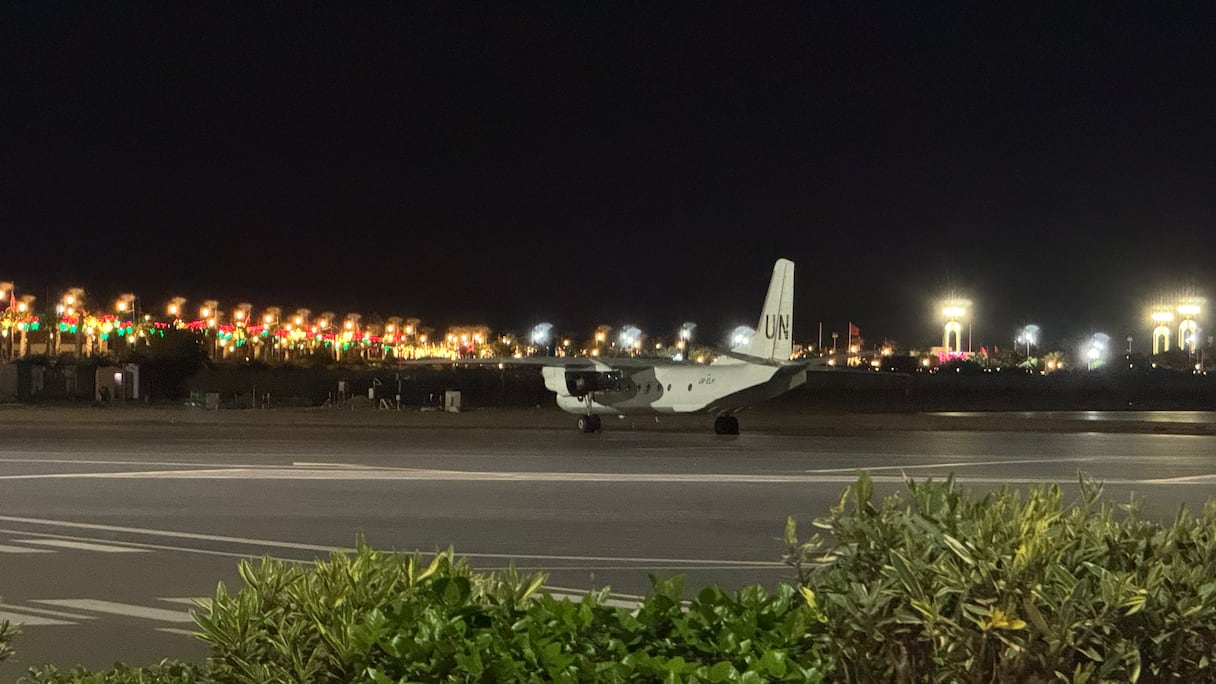
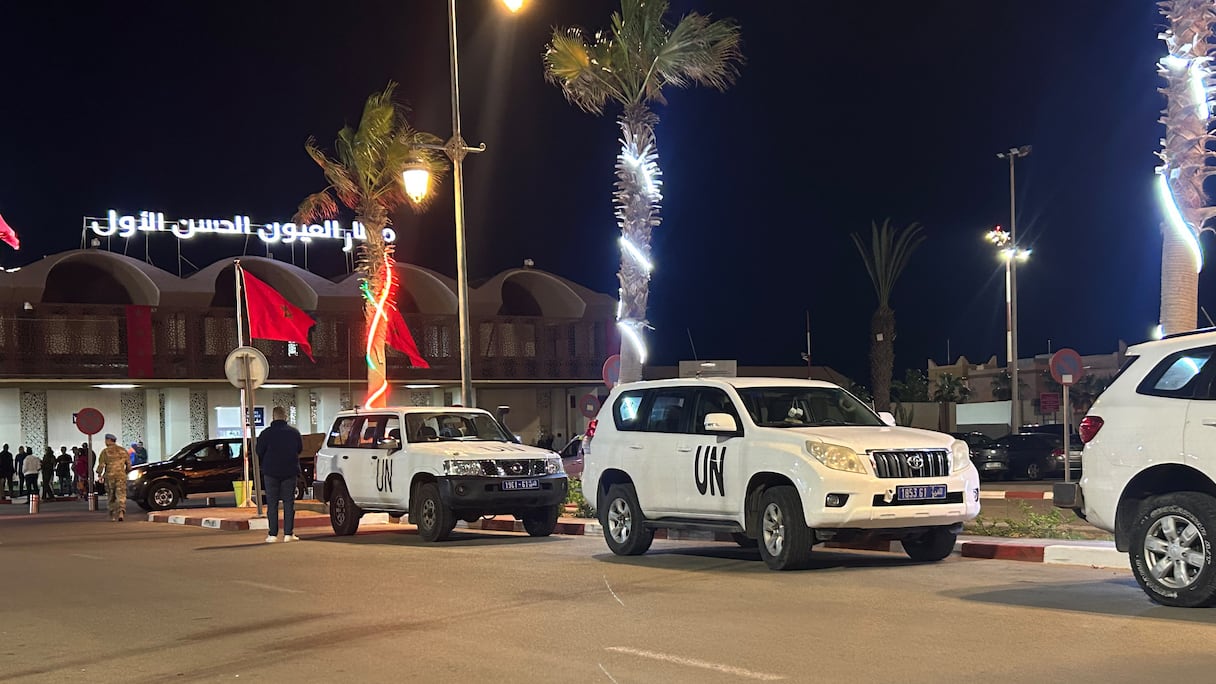
These statements come as the withdrawal has entered its operational phase. An initial group of five military personnel left Laâyoune for Casablanca on Monday evening, with Alexander Ivanko present to personally oversee the operation, as Le360 reported. Departures are expected to continue over the coming days according to an established schedule until the last member of the mission has left. Civilian and military personnel are estimated to number around 340.
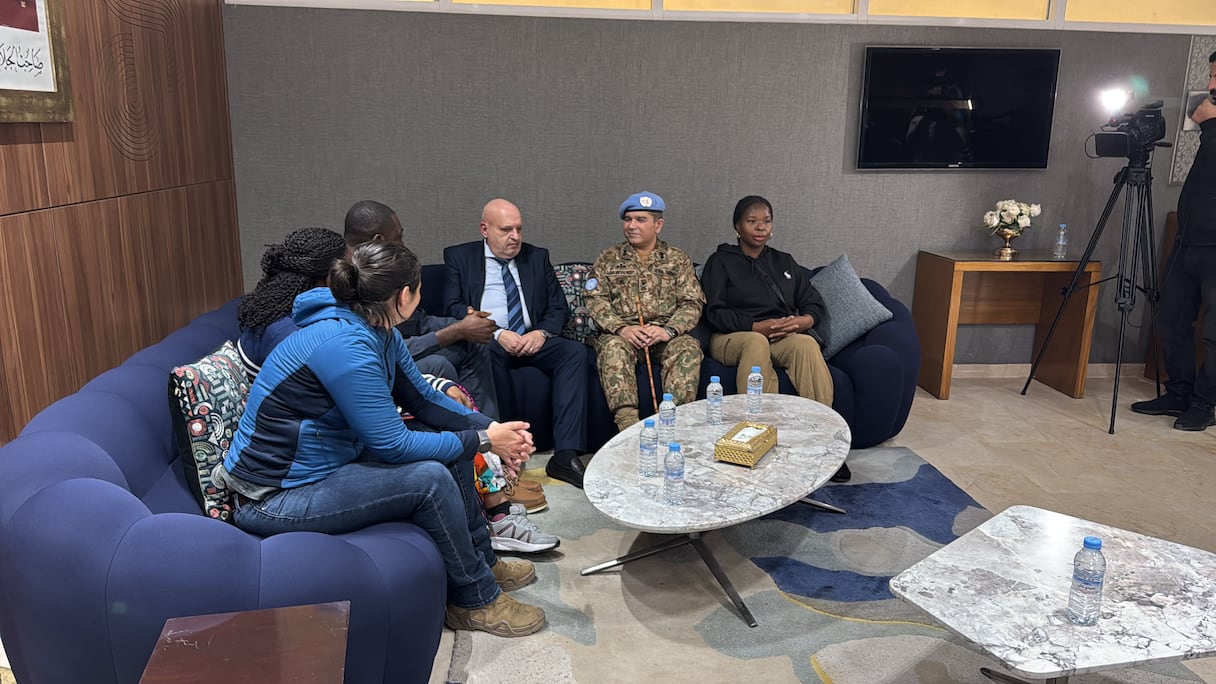
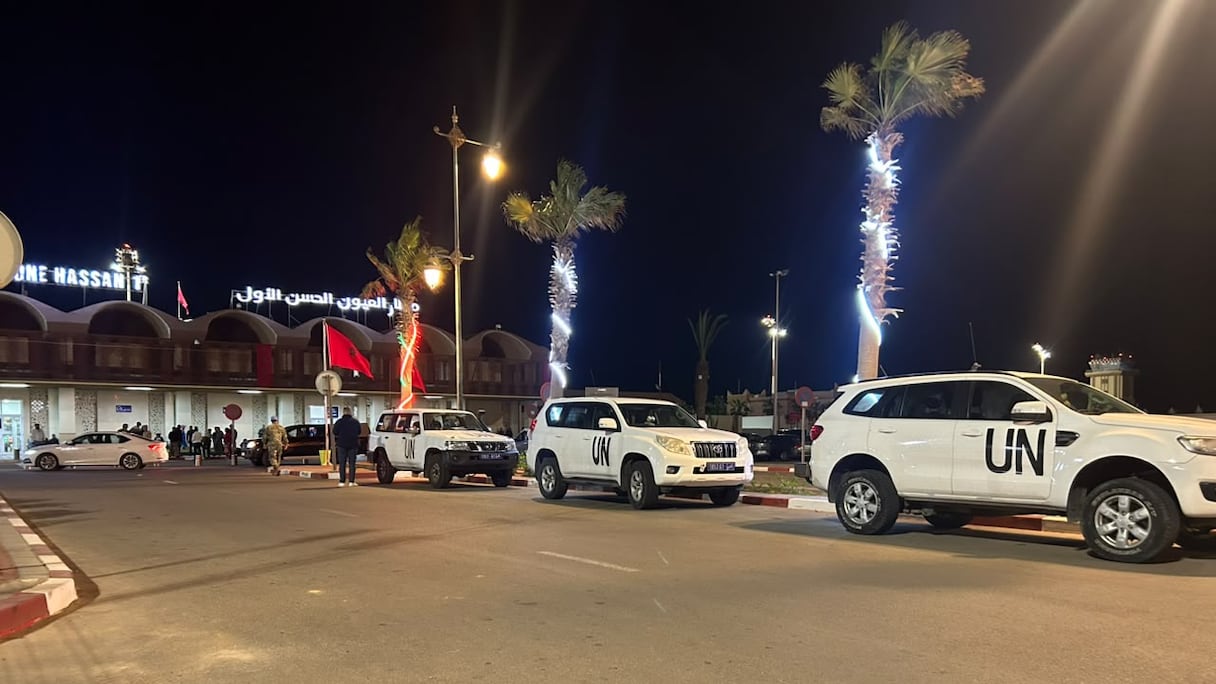
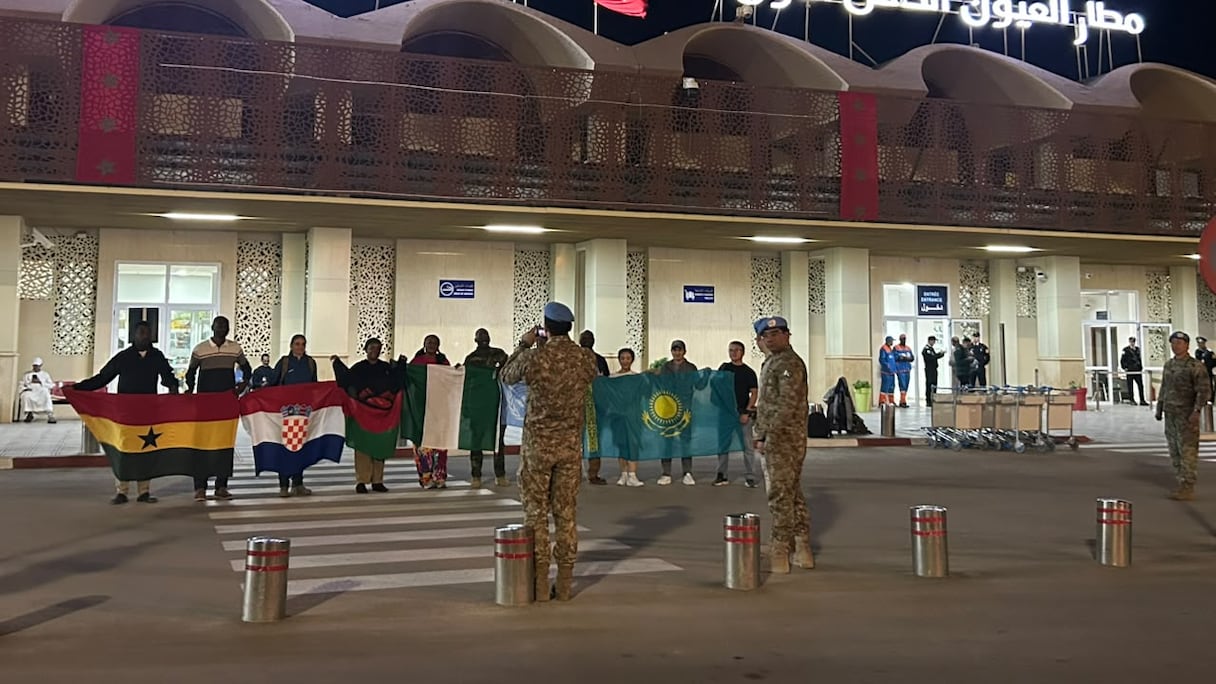
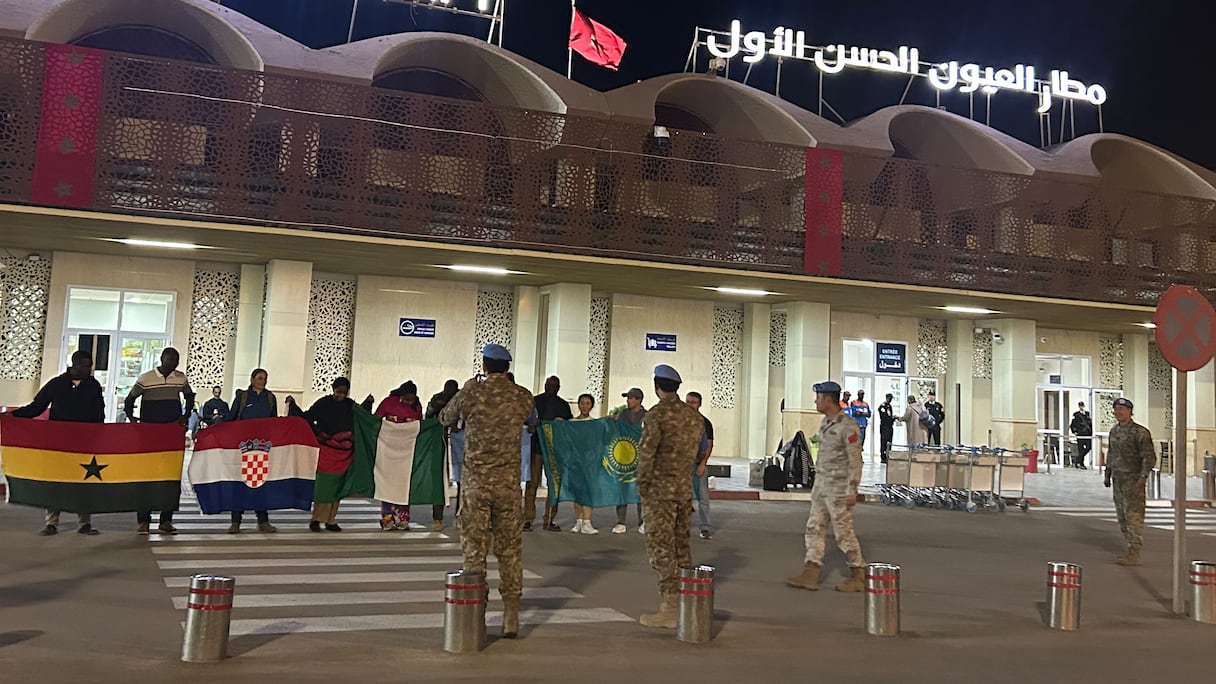
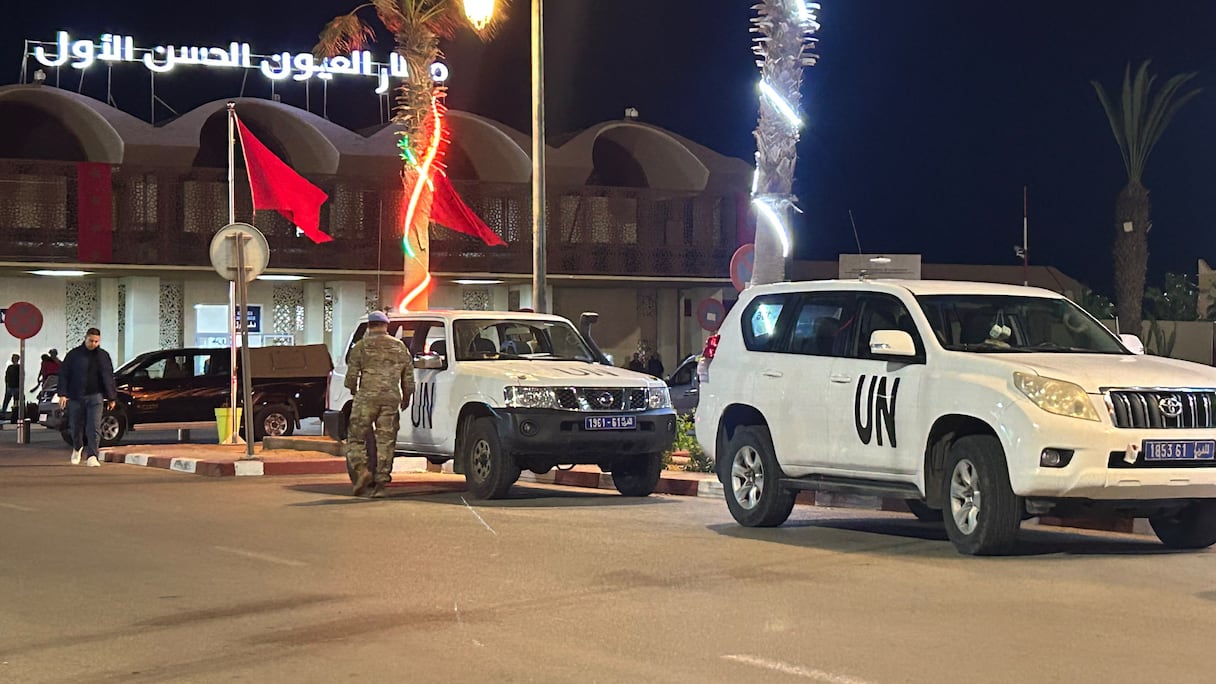
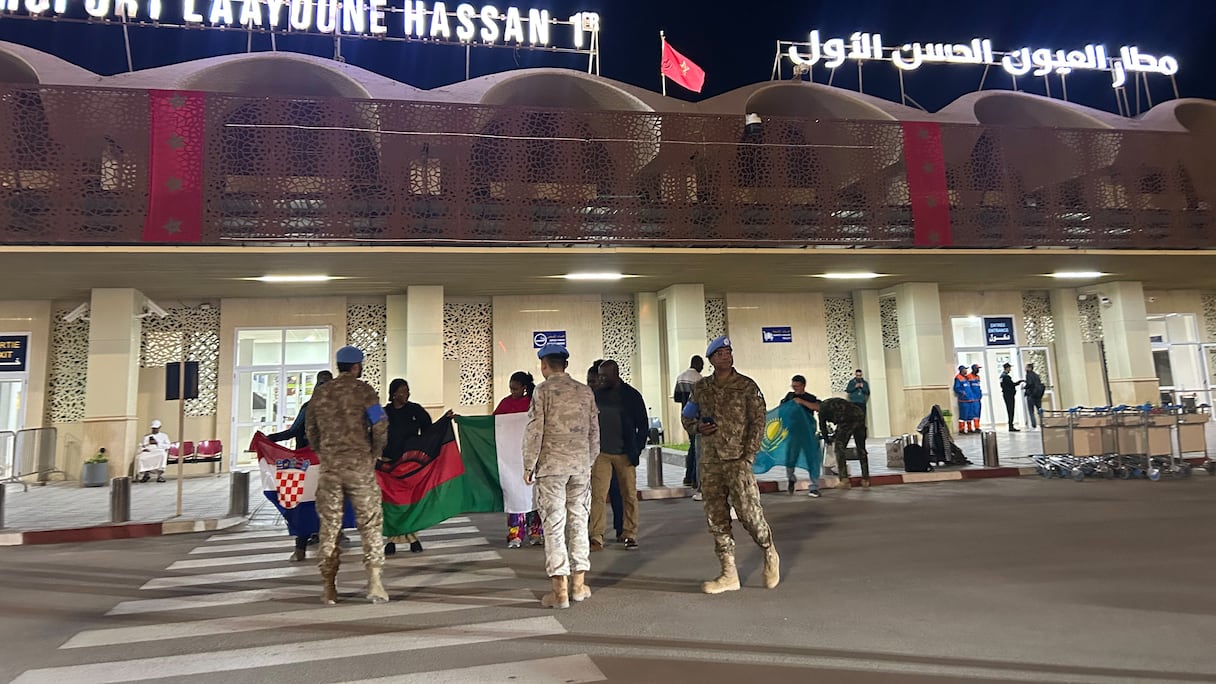
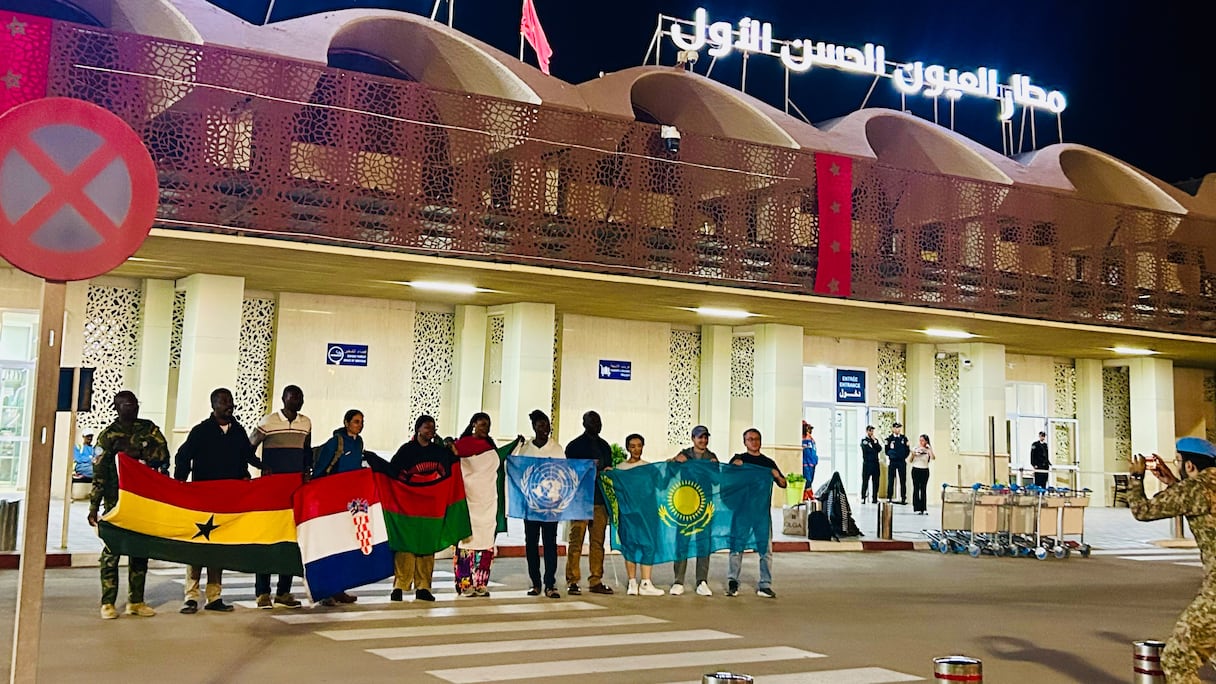
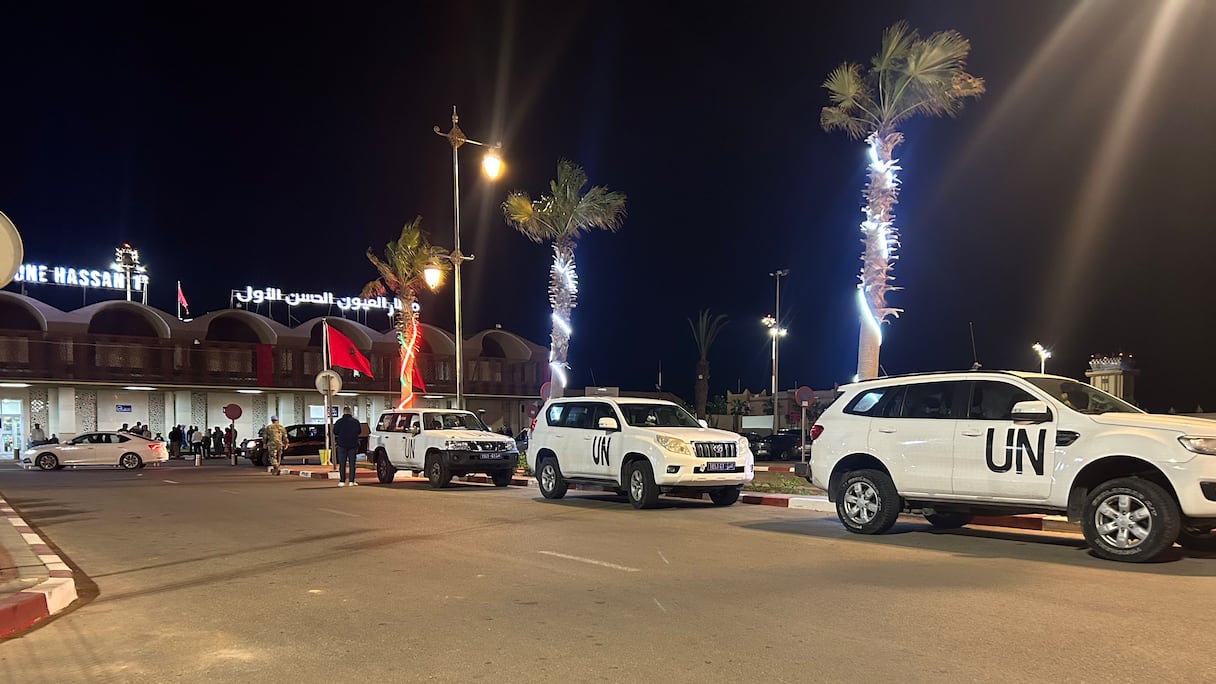
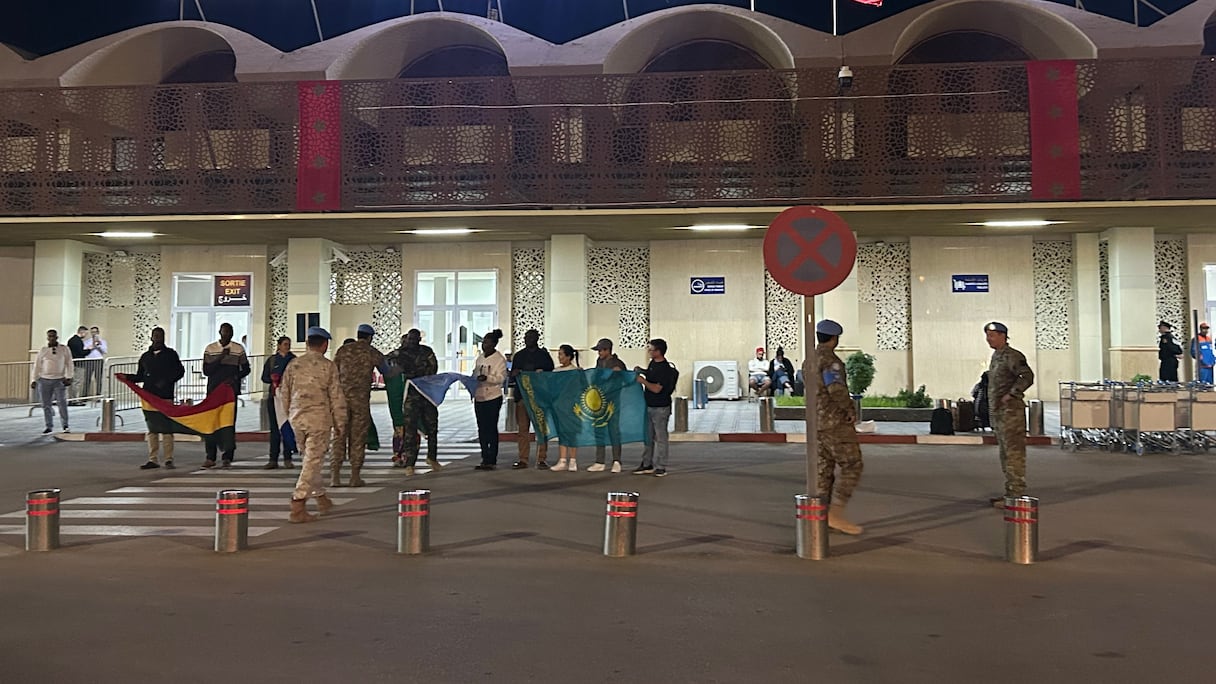
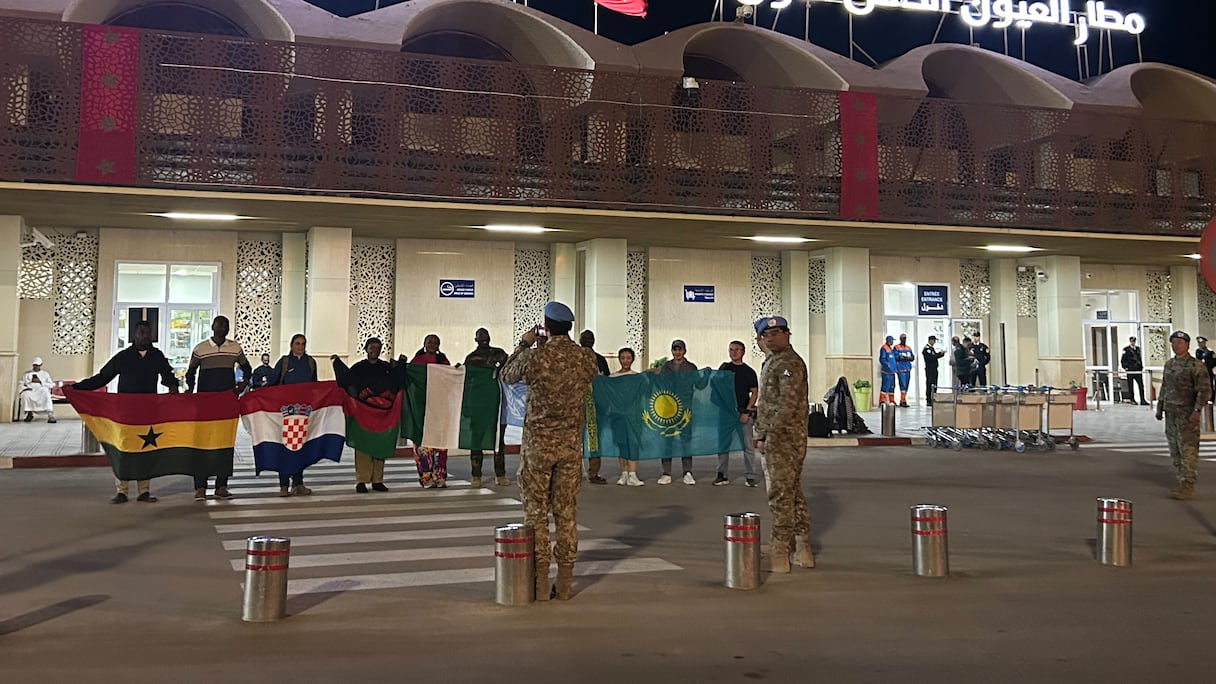
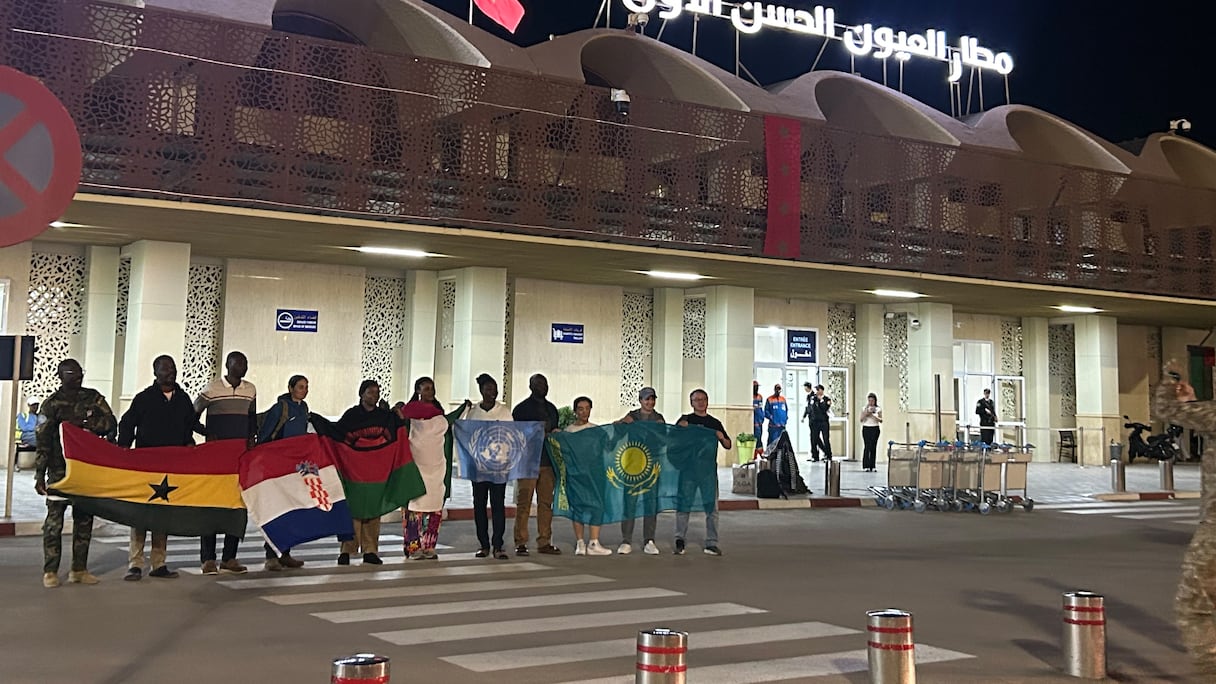
Alexander Ivanko, the UN Secretary-General’s Special Representative for Western Sahara and head of MINURSO, surrounded by members of the UN mission at Hassan I Airport in Laâyoune on Monday, November 16, 2026. . DR
The scale of the undertaking had already been detailed on November 2 by the UN Secretary-General’s spokesperson, Stéphane Dujarric. The winding-down process involves repatriating approximately 160 military observers, withdrawing 180 civilian and affiliated personnel, closing and handing back 13 facilities and team sites, disposing of or transferring UN property and equipment, dismantling communications and logistical support systems, managing archives and terminating contracts in the field.
The operation has been entrusted to a small team attached to the UN Department of Operational Support, with assistance from headquarters, and is to proceed “gradually.” Alexander Ivanko was appointed by António Guterres on November 6 to lead this liquidation structure.
The January 31 deadline clarifies and somewhat extends the timetable discussed so far. On November 4, Under-Secretary-General for Peace Operations Jean-Pierre Lacroix estimated that the operation could take “around two months,” referring the details to the Department of Operational Support. The date announced by Alexander Ivanko extends that period to three months after the mandate’s expiry.
The same official had been clear about the nature of the task: since midnight on October 31, the mission has had no function other than organizing its withdrawal, with no alternative verification mechanism in place. Regarding positions held east of the berm, he indicated that MINURSO would have to evacuate them and dispose of its equipment wherever it was deployed. He also stressed the importance of the parties’ support in ensuring the withdrawal proceeded smoothly.
Rabat, the natural interlocutor
Ivanko’s praise confirms a reality apparent from the outset: practical arrangements are being settled with Morocco. As Le360 noted, on November 2 he briefed some mission personnel in Laâyoune on the departure arrangements; the following day, he was in Rabat discussing the timetable with Moroccan officials, without having met any Polisario representative. The reason is straightforward: the Laâyoune headquarters, provided free of charge by Morocco since 1991, and most of the logistical sites are located on territory administered by the Kingdom.
The tone adopted in Laâyoune echoes the position taken by Rabat as early as October 31. Foreign Minister Nasser Bourita had pledged that the operation would be exemplary one that would not amount to an expulsion, while clarifying that the mission’s departure did not mean the end of the ceasefire, to which Morocco has been committed since September 6, 1991. The Royal Cabinet has since described that commitment as a “voluntary undertaking” that the expiry of the mandate would not alter. For his part, António Guterres acknowledged the end of the mission on November 1 and called on the parties to cooperate in ensuring an orderly departure as quickly as possible.
The Security Council did not renew MINURSO’s mandate on October 30, following a Russian veto of the US-sponsored resolution. The mandate expired on October 31, and the liquidation period began on November 1. The Royal Office immediately stressed that the mission’s presence in the Southern Provinces, through its personnel, vehicles, equipment and symbols, must come to an end, and that the non-renewal should mark the end of the Security Council’s consideration of the issue.
If the timetable announced by Alexander Ivanko is met, the last UN flag in the Moroccan Sahara will be lowered no later than January 31, 2027.
