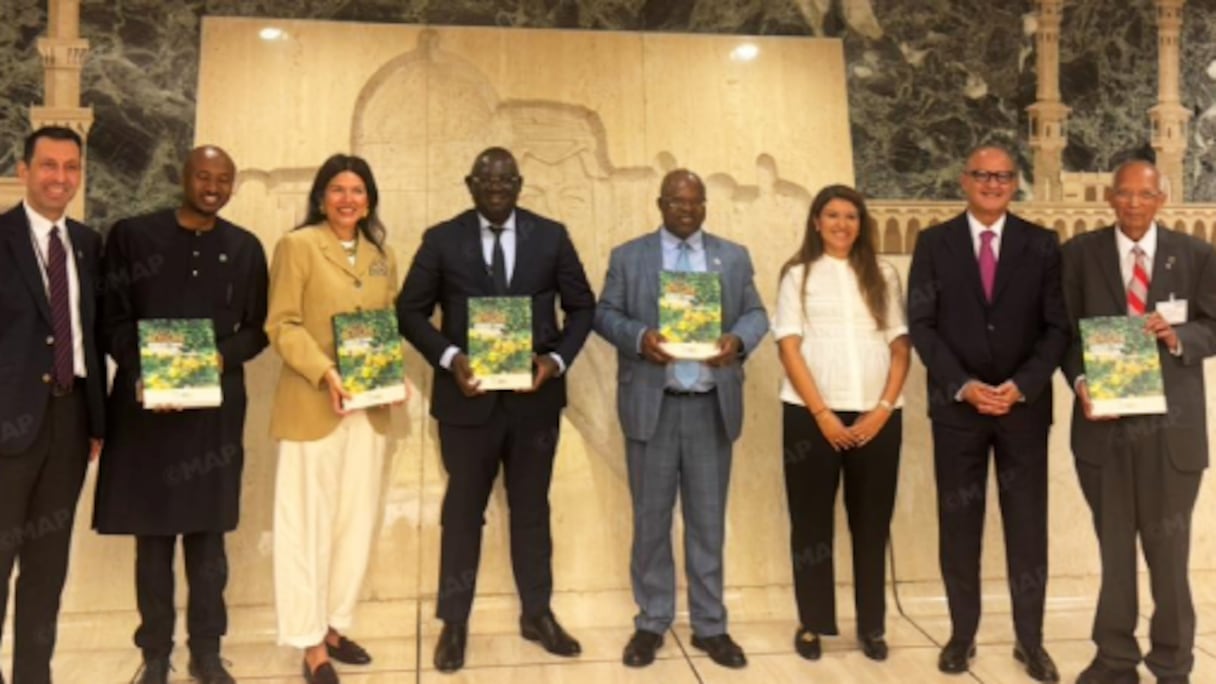
Titled “State of African Agriculture Adaptation, 2016-2026: Review and Roadmap to 2036,” the report provides the first 10-year assessment of efforts to adapt African agriculture to climate change.
African countries have outlined their agricultural adaptation needs in climate plans submitted to the United Nations, with requirements estimated at hundreds of billions of dollars, a significant share of which would go to agriculture.
Turning these needs into investments will require increased financing and sustained capacity-building, particularly to help countries develop projects that are ready for funding, the report said.
Read also : Agriculture drives Morocco’s economic growth to 5.4% in third quarter of 2026
Its central conclusion is that the key elements are already in place. Countries have plans, Africa has established a shared agricultural agenda, African banks and funds have the capacity to finance projects, and technical solutions are already known and tested.
For the 2026-2036 decade, however, the report said that “what is still missing is the thread connecting these elements, from political decisions to farmers and then to measurable results.”
Climate change is putting pressure on African crops and rural household incomes, the report said, noting that African agriculture is primarily made up of smallholder families farming small plots and relying on rainfall.
Adapting agriculture means access to drought-resistant seeds, better water management, soil conservation, accessible agricultural extension services and insurance to protect farmers during difficult years.
“These solutions exist and have proven effective. The challenge is to scale them up across the continent, which is why financing and capacity-building are critical,” the report said.
In a speech delivered on his behalf, Minister of Agriculture, Fisheries, Rural Development, Water and Forests Ahmed El Bouari said Africa is among the regions most affected by a climate crisis to which it has contributed only marginally.
African agriculture ministers have jointly carried the AAA Initiative, launched through the vision of King Mohammed VI, from one climate conference to the next, he said.
“Over the past 10 years, the adaptation of African agriculture has moved from the margins of negotiations to the heart of the agenda. The question is no longer whether to recognize Africa’s vulnerability, but how to transform its agricultural systems,” El Bouari said.
Ghita El Ghrifi, director general of the AAA Initiative Foundation, said: “Ten years ago, in Marrakech, we were asking for African agriculture to be heard. Today, its voice is being heard. We are now presenting a verifiable assessment and a measurable roadmap.”
Read also : Morocco, Vietnam veterans’ associations sign cooperation memorandum
The report was presented in the presence of Morocco’s ambassador and permanent representative to the UN agencies in Rome, Youssef Balla, along with ministers, climate negotiators, farmers’ organizations, scientists and financial institutions.
The African Agriculture Adaptation Initiative aims to reduce the vulnerability of Africa and its agriculture to climate change by promoting concrete adaptation projects, sustainable resource management and access to climate finance.
FAO plays a key role in the initiative, providing technical support, documenting results and contributing the expertise of the UN agency.
