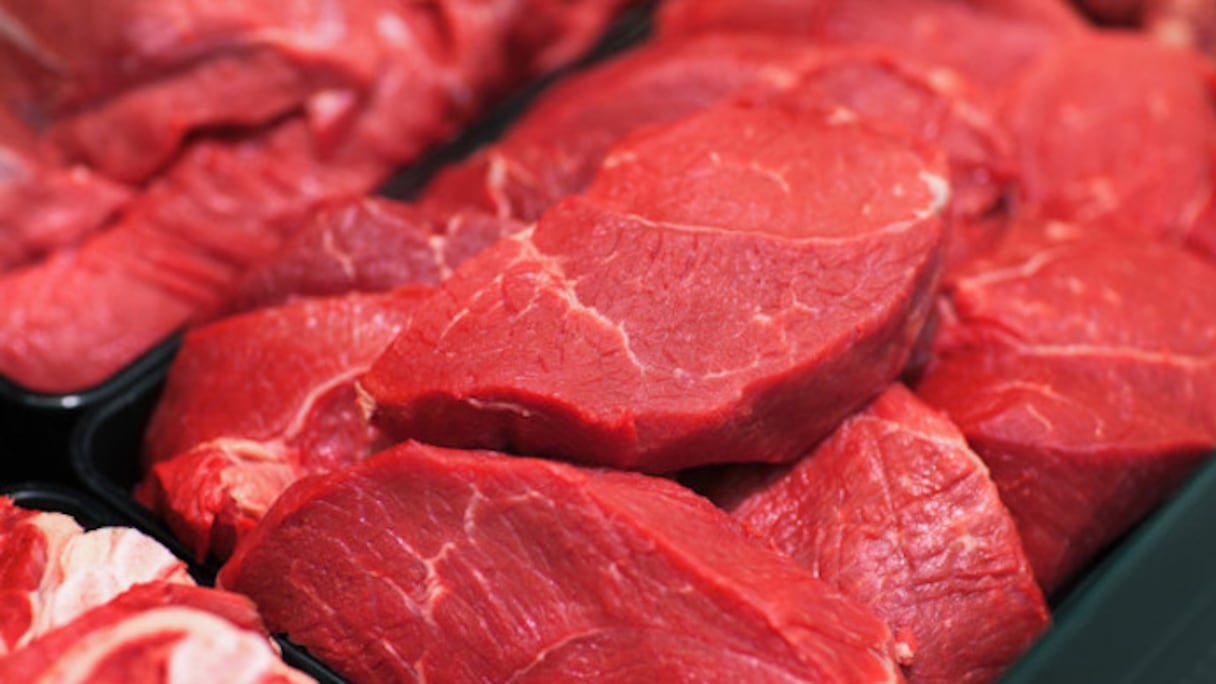
Red meat prices continue to hover at elevated levels despite measures designed to increase supply and bring down costs, while chicken and eggs have become more expensive in recent weeks.
The government has extended until Dec. 31 the suspension of import duties on live sheep and on imports of beef, mutton and goat meat. So far, however, the additional window for duty-free imports has yet to produce a significant decline in retail prices.
Price checks carried out by Le360 at several butcher shops found beef selling for between MAD 90 and MAD 120 per kilogram, depending on the cut, quality, origin and neighborhood. Locally raised meat, which remains particularly sought after by consumers, tends to command higher prices. Ground beef is selling within a similar range.
Read also : Morocco diesel prices near MAD 15 a liter after latest increase
Lamb remains considerably more expensive, at between MAD 140 and MAD 160 per kilogram.
At those levels, demand is beginning to change. Some butchers in working- and middle-class neighborhoods have stopped stocking lamb regularly because fewer customers are willing or able to buy it at current prices.
Even parts of the animal traditionally seen as cheaper alternatives are becoming harder on the wallet. Beef liver is now selling for MAD 180 to MAD 200 per kilogram, while beef head has also risen in price.
Chicken prices rise after months of relative stability
Whole chicken, which had enjoyed several months of relative price stability, has moved higher in recent days. Le360 found retail prices ranging from MAD 18 to MAD 20 per kilogram, against MAD 14 to MAD 15 at poultry farms.
Industry professionals partly attribute the increase to stronger demand in August, when weddings and family celebrations typically increase poultry consumption.
The latest rise matters because chicken often serves as a more affordable substitute when beef and lamb become too expensive. Higher poultry prices therefore leave households with fewer options for switching to cheaper sources of animal protein.
Read also : Lower chicken prices haven’t made Moroccan weddings cheaper, caterers say
Eggs are moving in the same direction. After stabilizing in the months following Ramadan, retail prices have begun climbing again, reaching as much as MAD 1.20 per egg depending on size and quality.
The increase adds another everyday food item to a list of products putting pressure on household spending, particularly as persistently expensive red meat has already forced many consumers to adjust what they buy and how often they buy it.
Why are red meat prices still high?
The persistence of high prices despite import incentives is once again raising questions about what happens between increased supply and the price eventually paid by consumers.
Industry professionals point first to the lasting effects of successive drought years, which have weakened domestic livestock herds and increased the cost of raising animals.
Other industry stakeholders point to intermediaries and the margins accumulated between producers, wholesale markets and retailers.
