Morocco is preparing to launch a second campaign to restore its Jewish cemeteries. According to Serge Berdugo, secretary-general of the Council of Jewish Communities of Morocco (CCIM), the immediate priority is to maintain the sites restored since 2010. The new campaign will also address gaps left by the first round of restorations.
“We carried out an initial campaign from 2010 to 2016, during which, as you know, we renovated and restored around 180 cemeteries,” he told Le360.
Preparations are already under way. “Over the past few days, we have begun compiling a new inventory, first to ensure the upkeep of everything that has been restored, and then to address any shortcomings,” Berdugo explained.


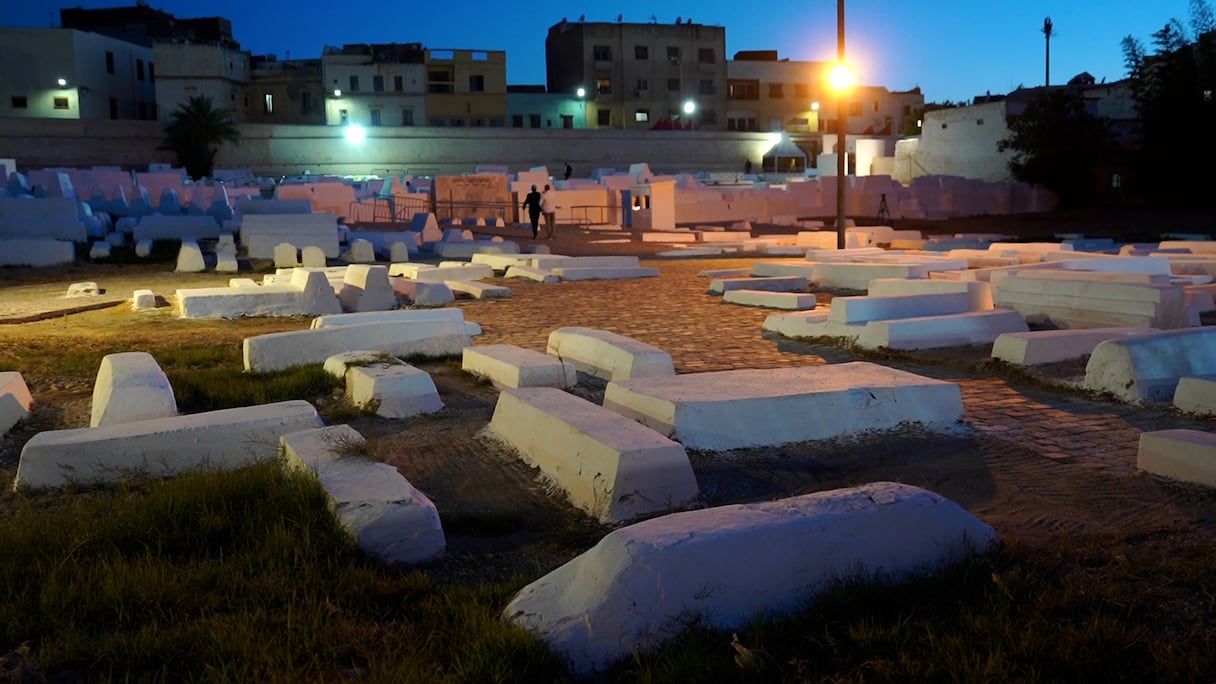

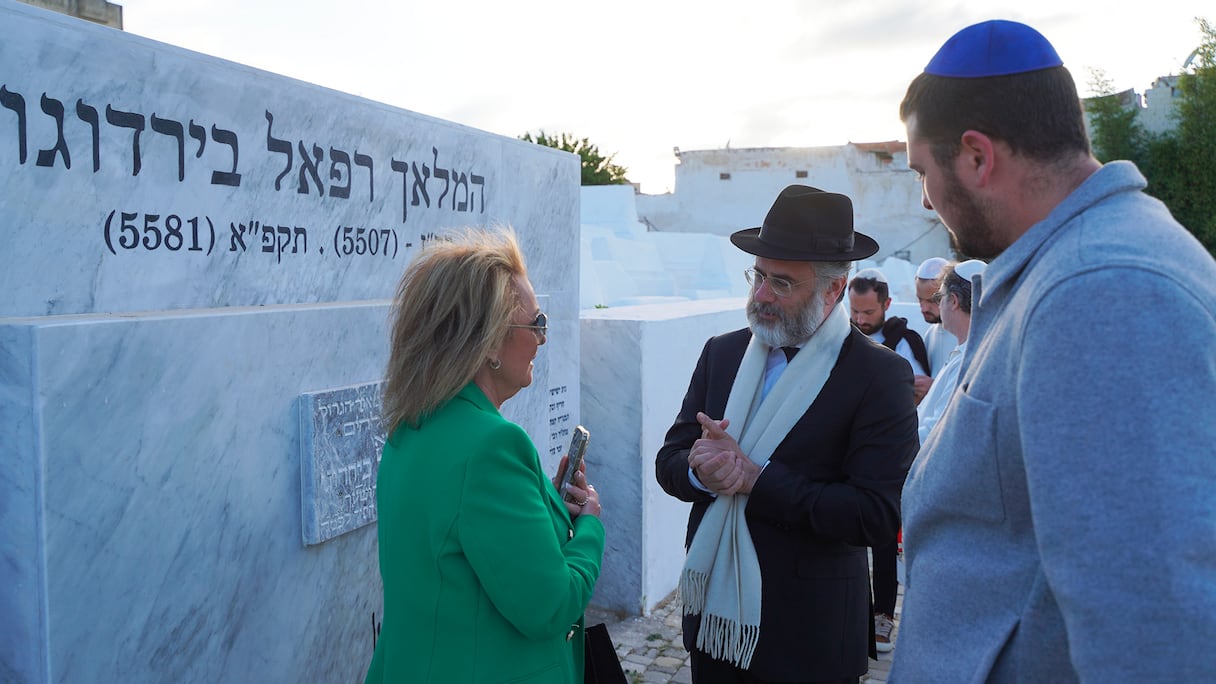
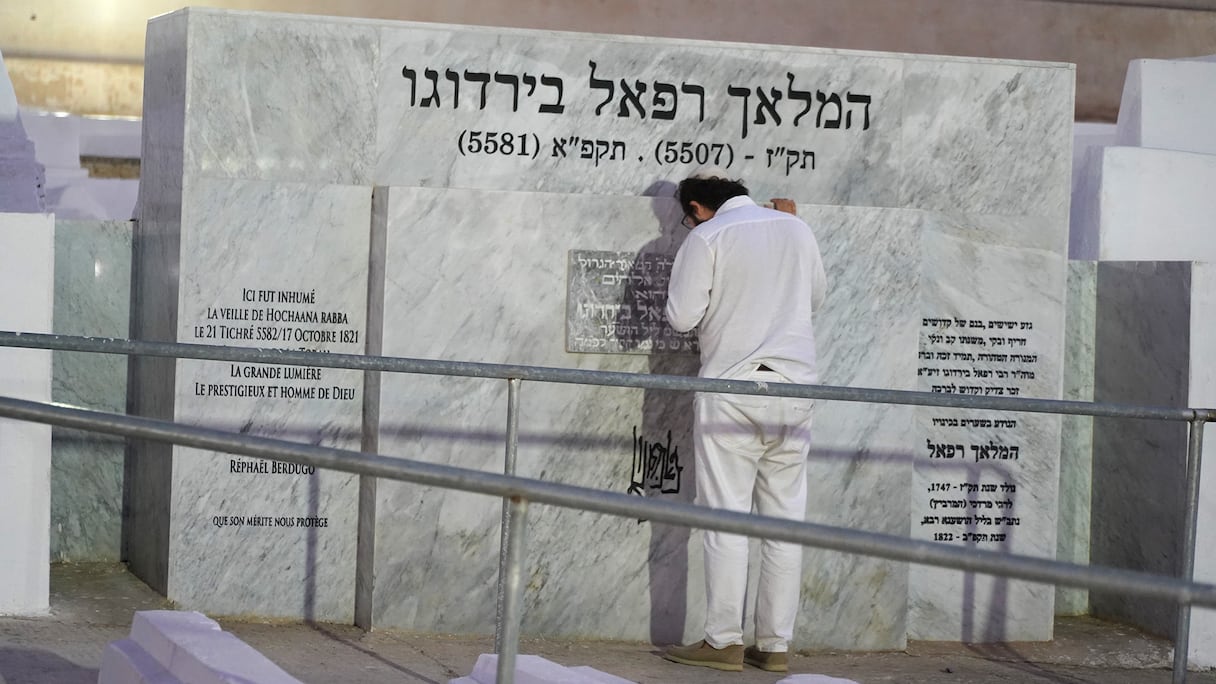
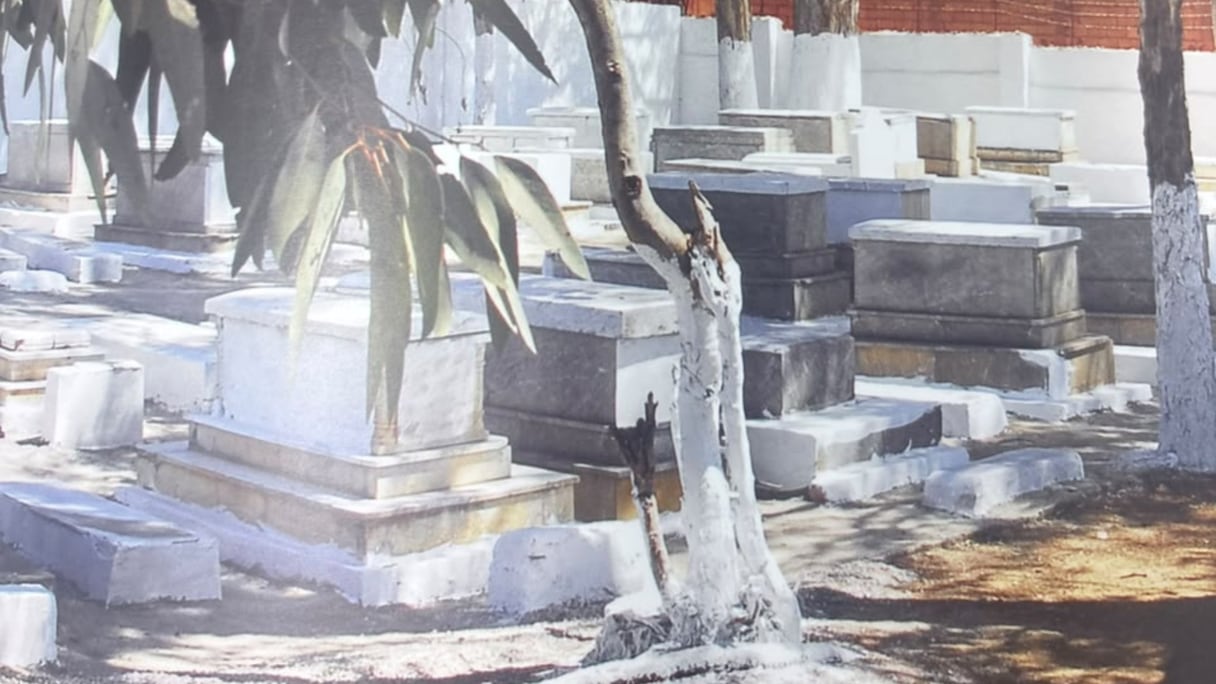
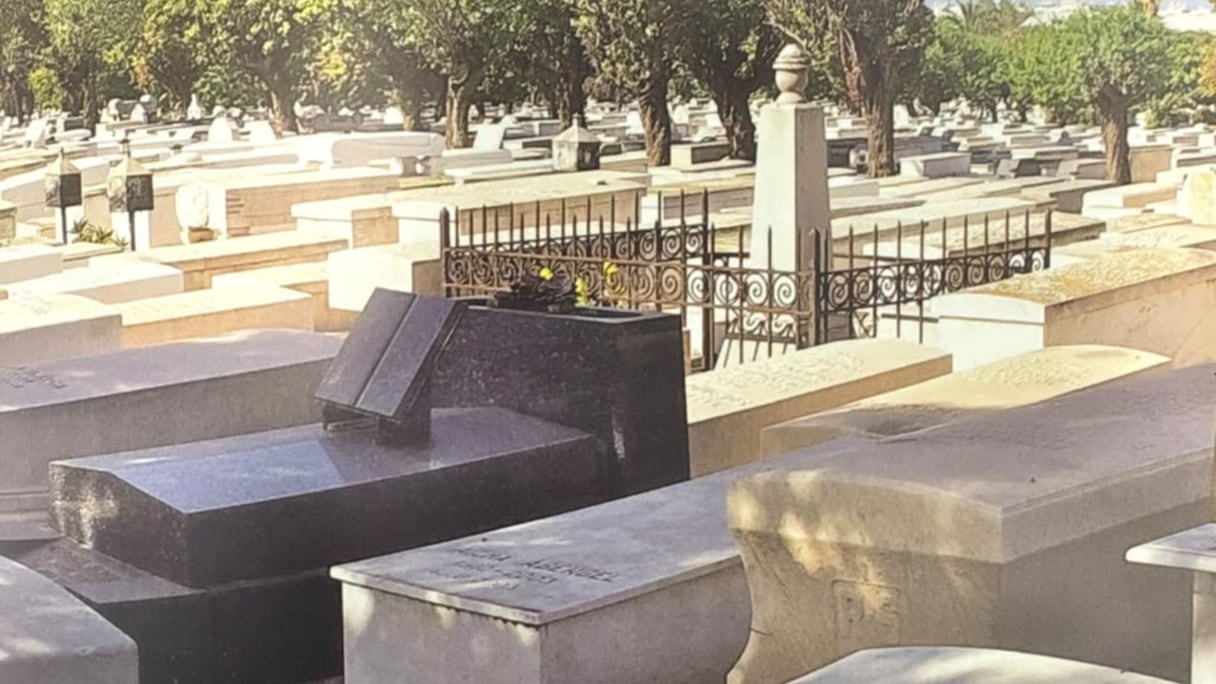
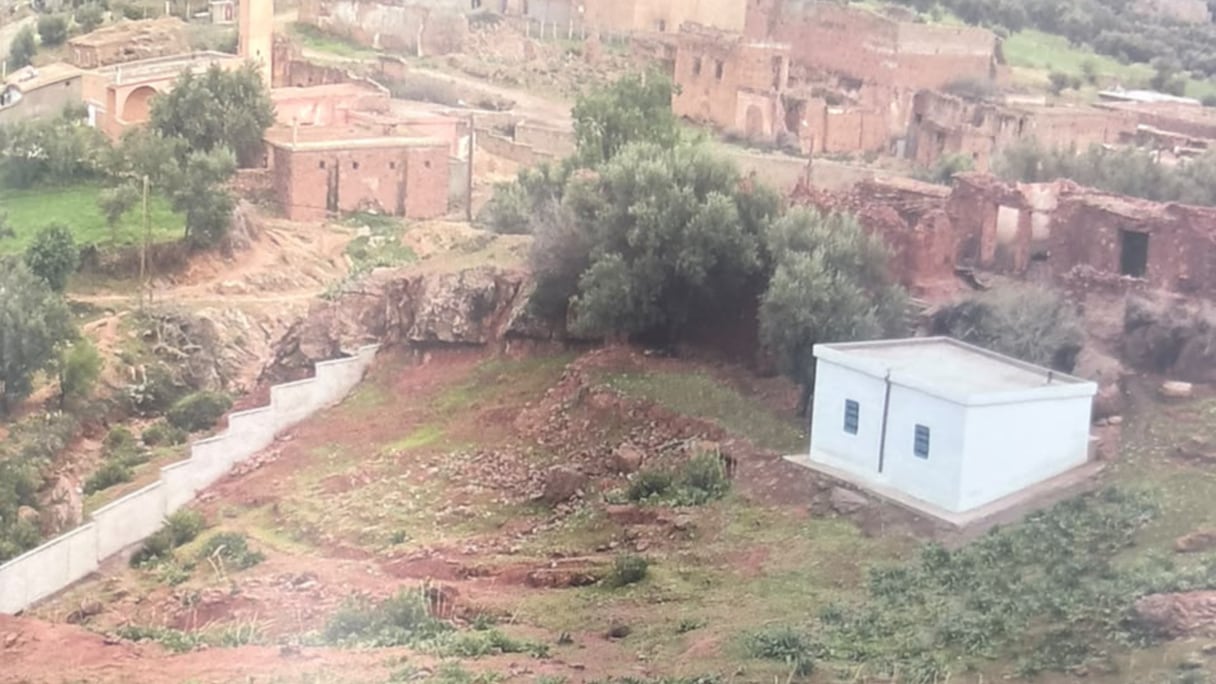
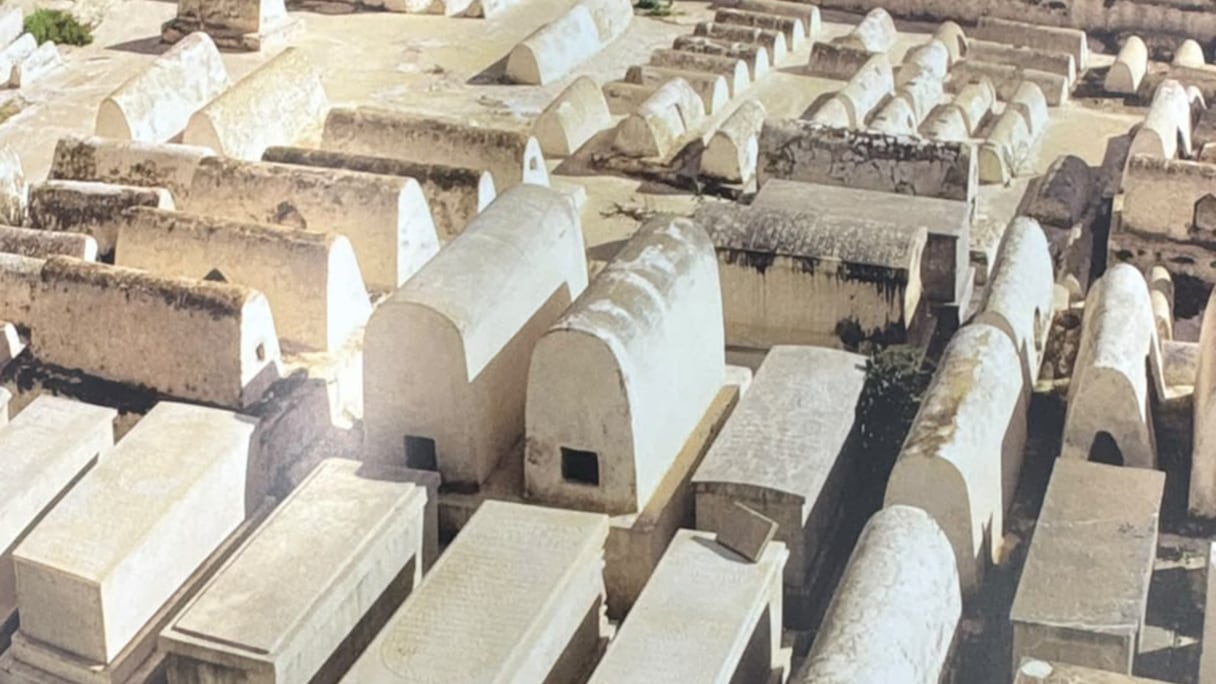
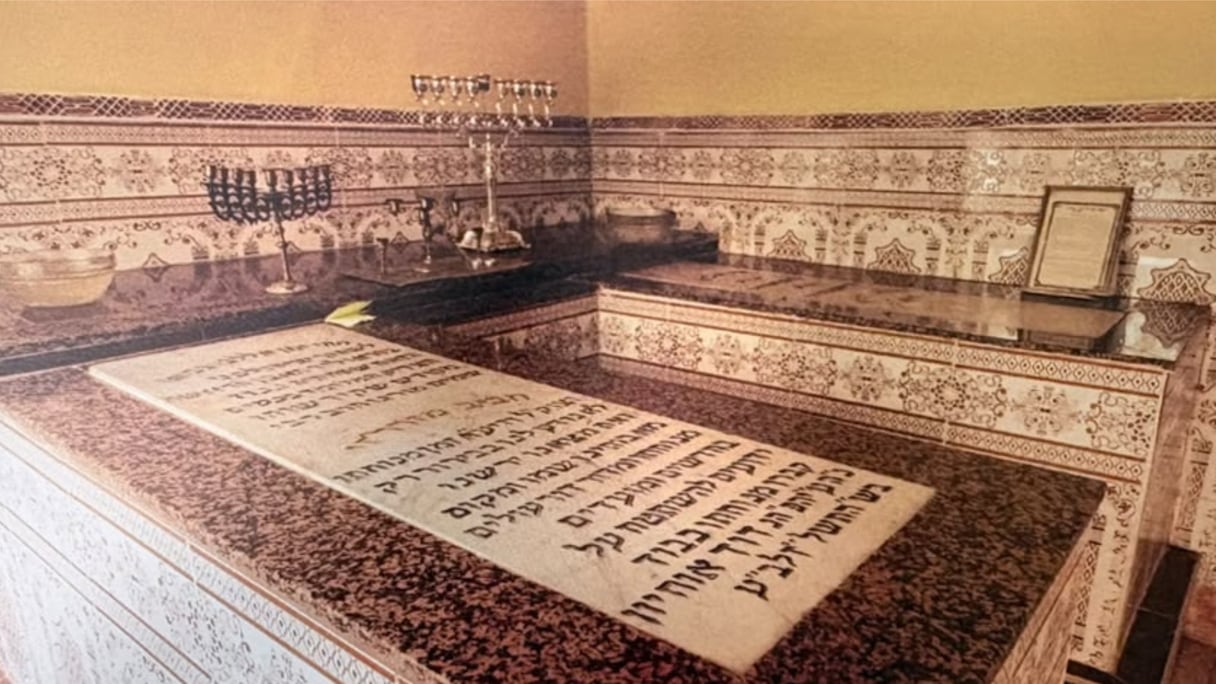
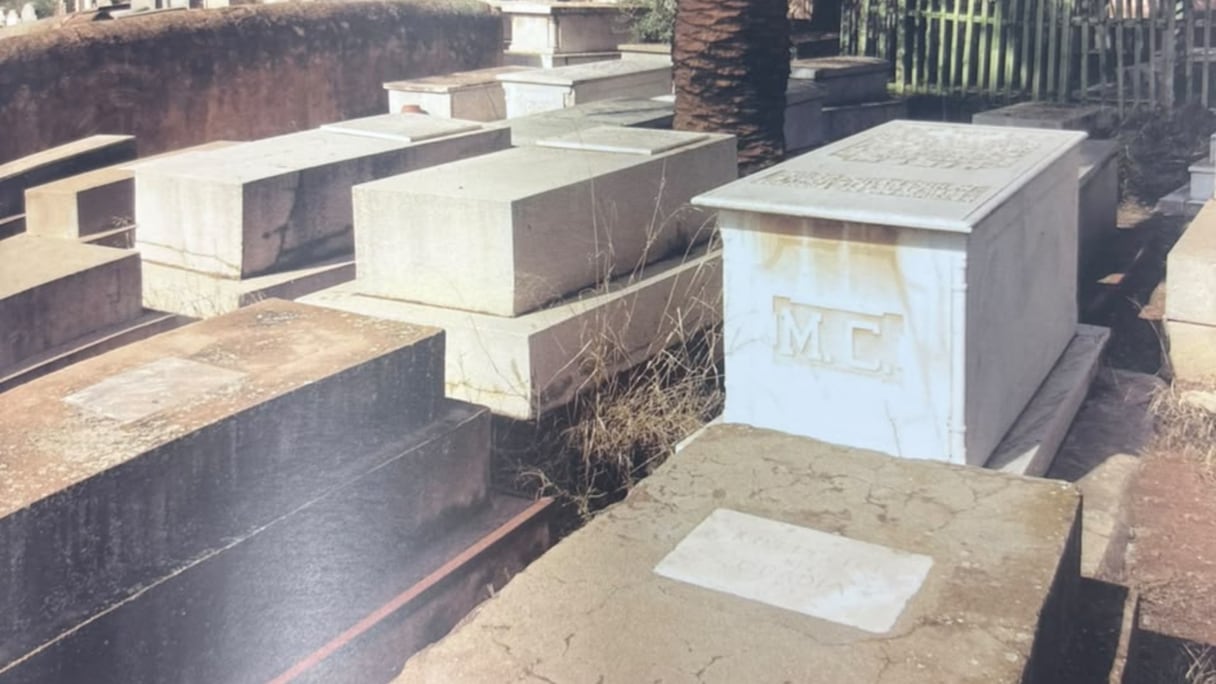
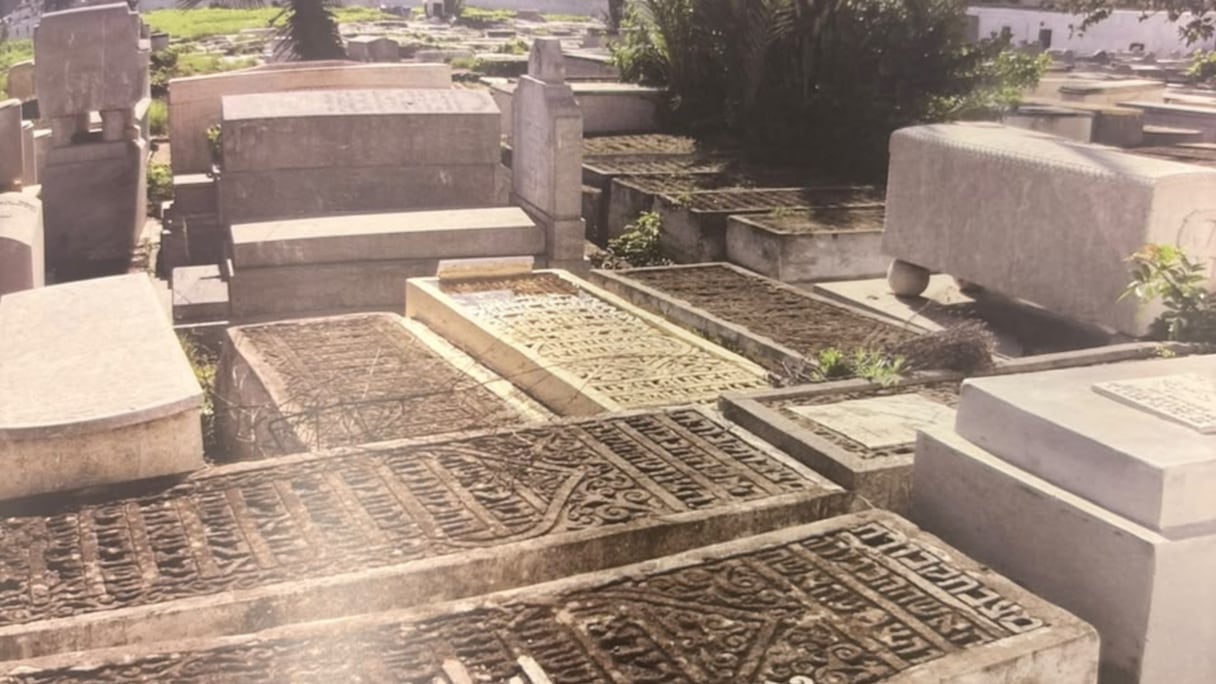
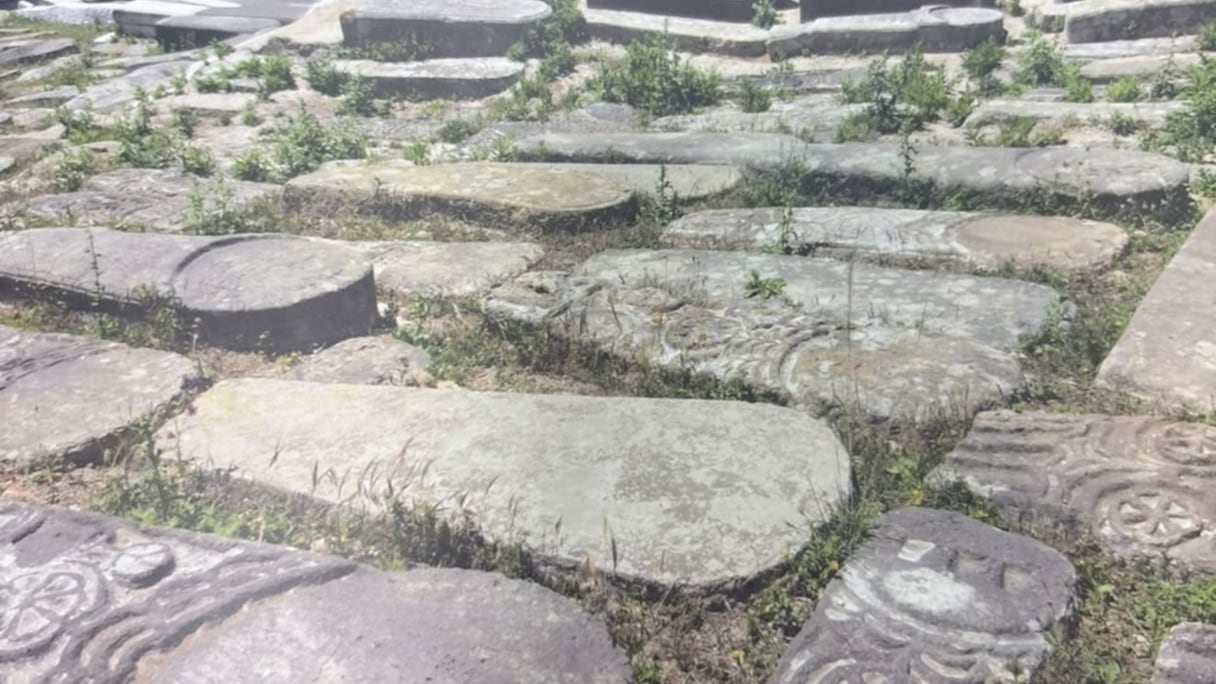
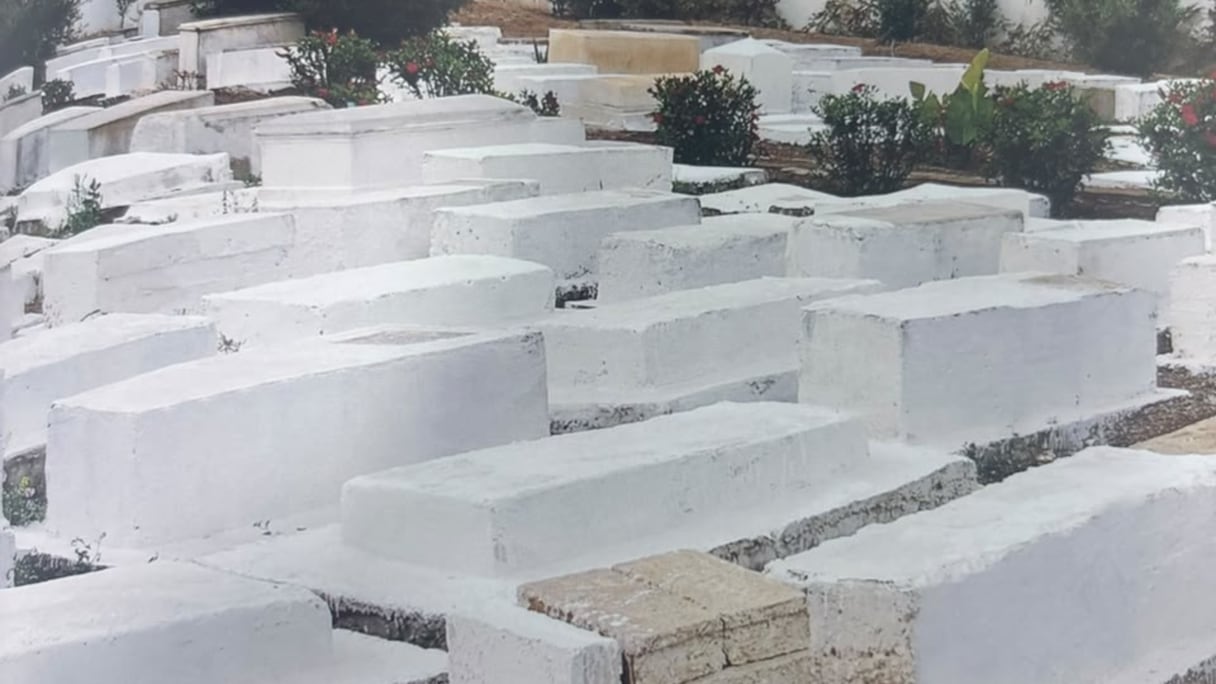
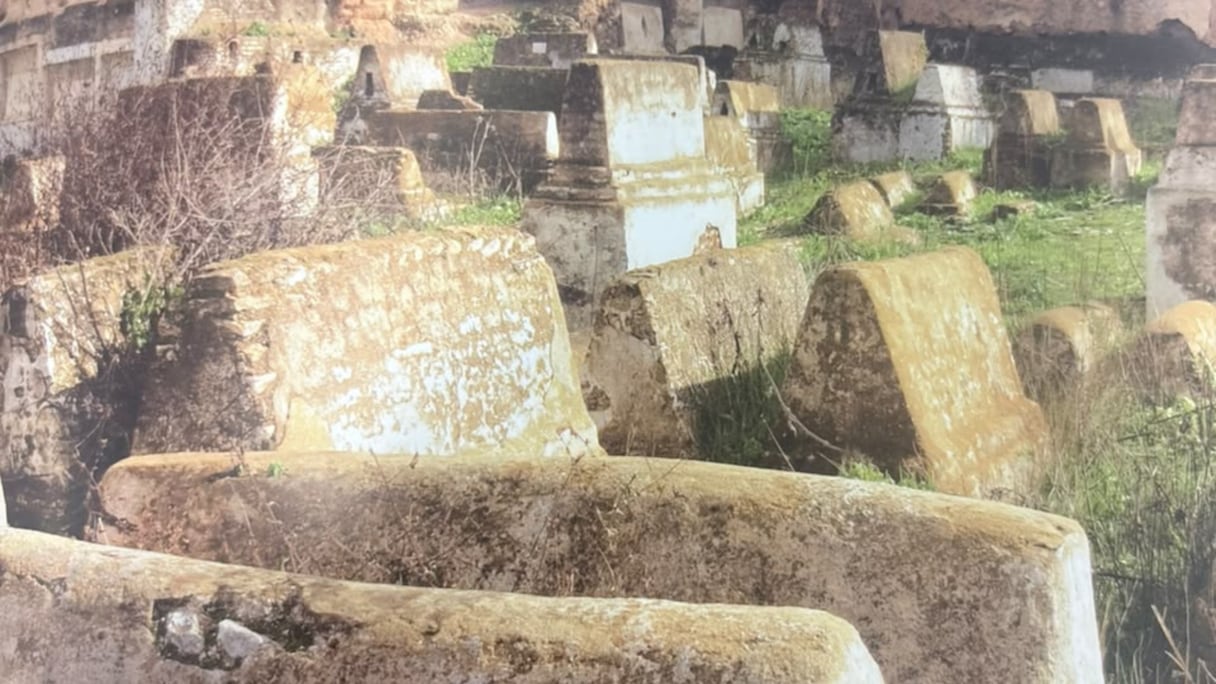
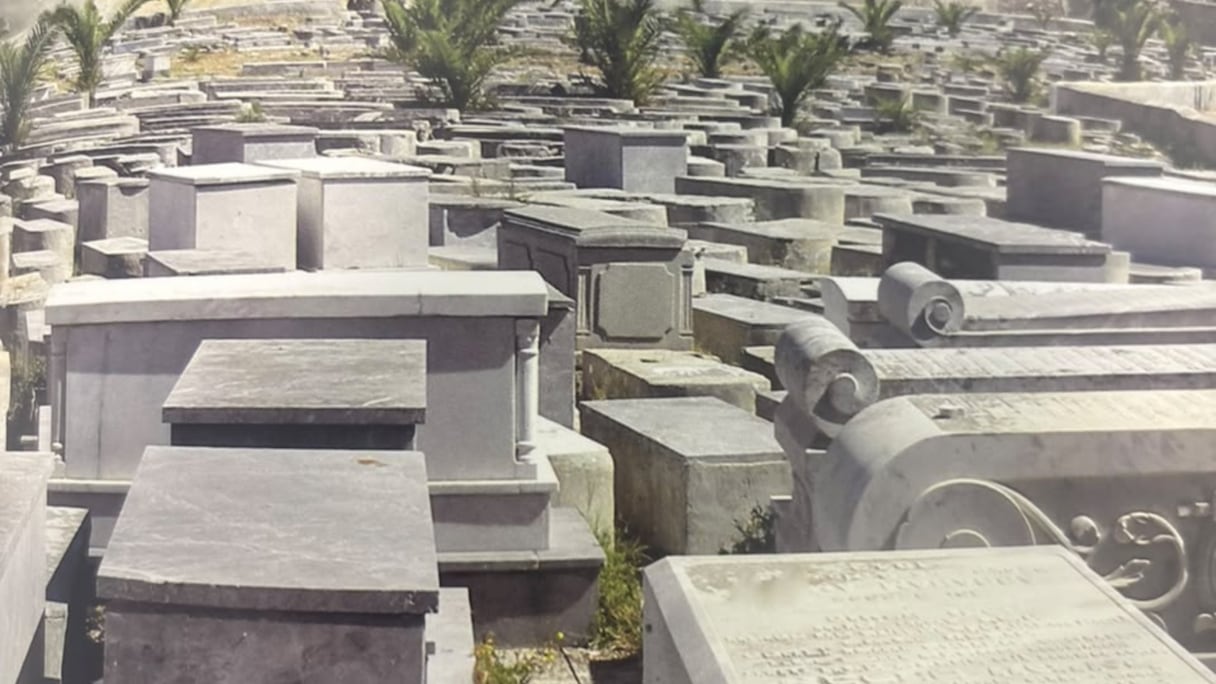
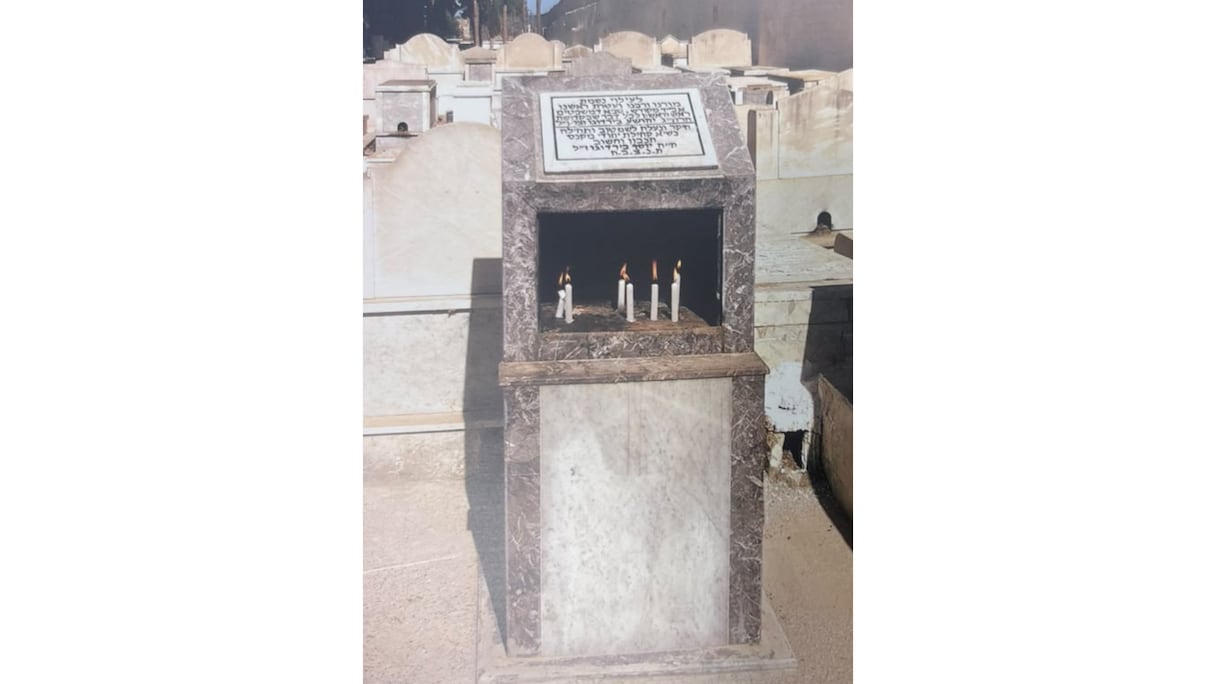
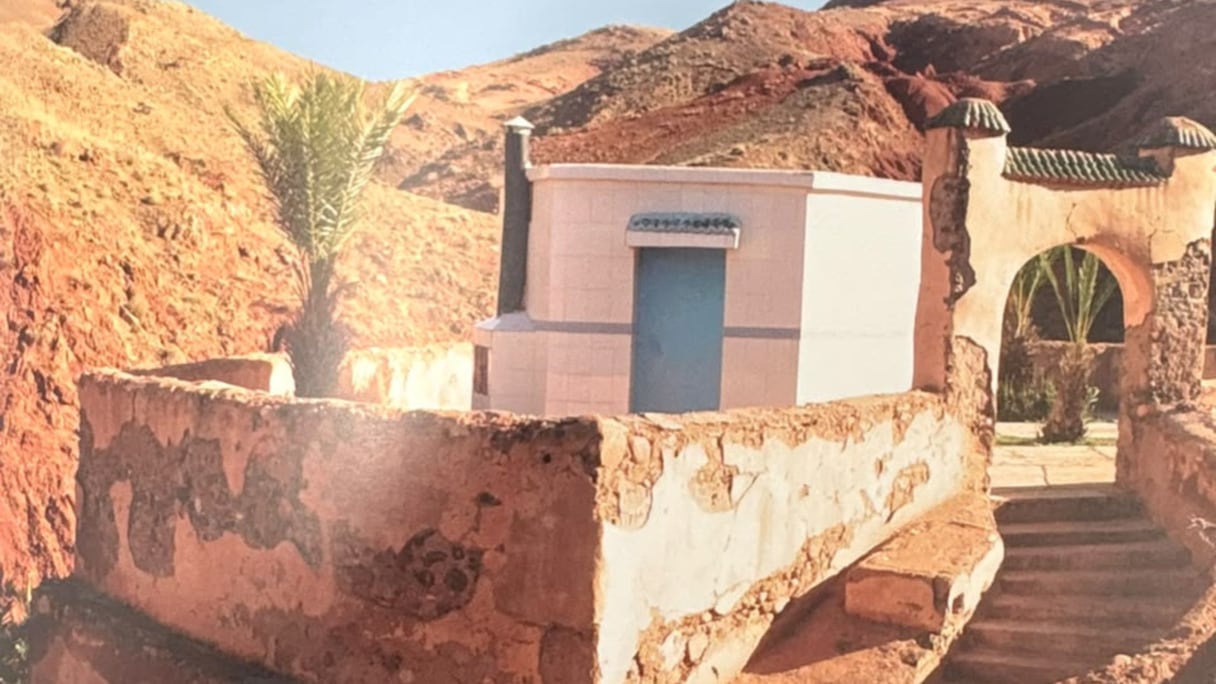
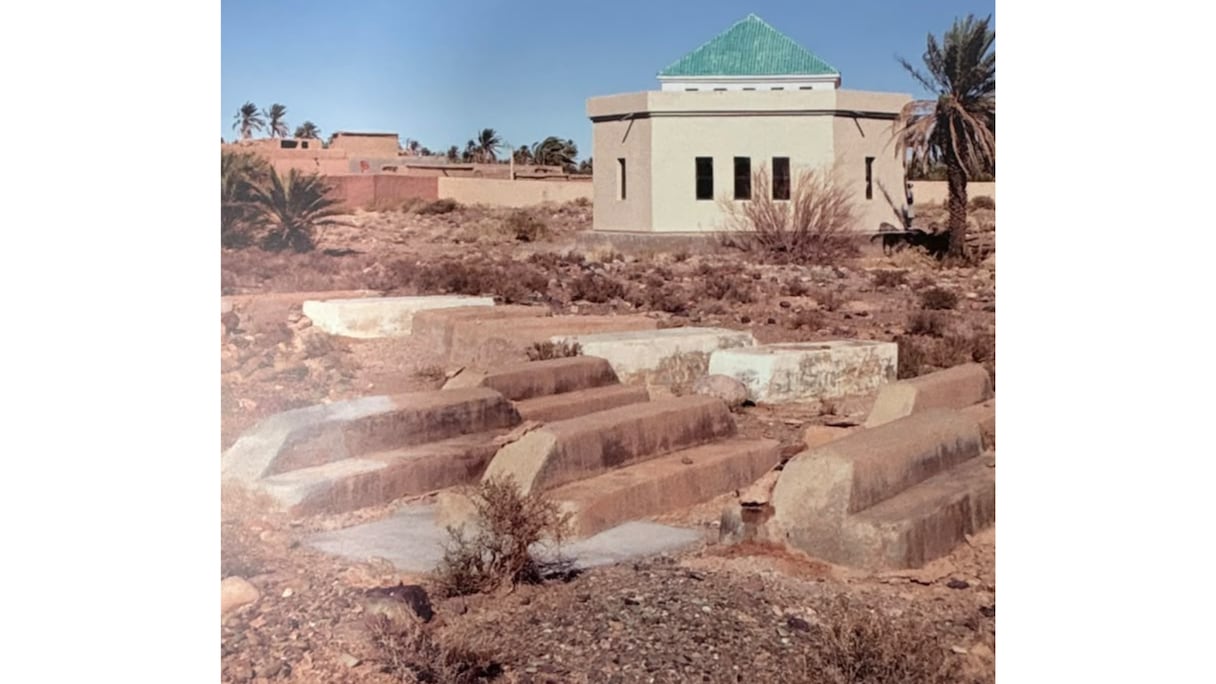
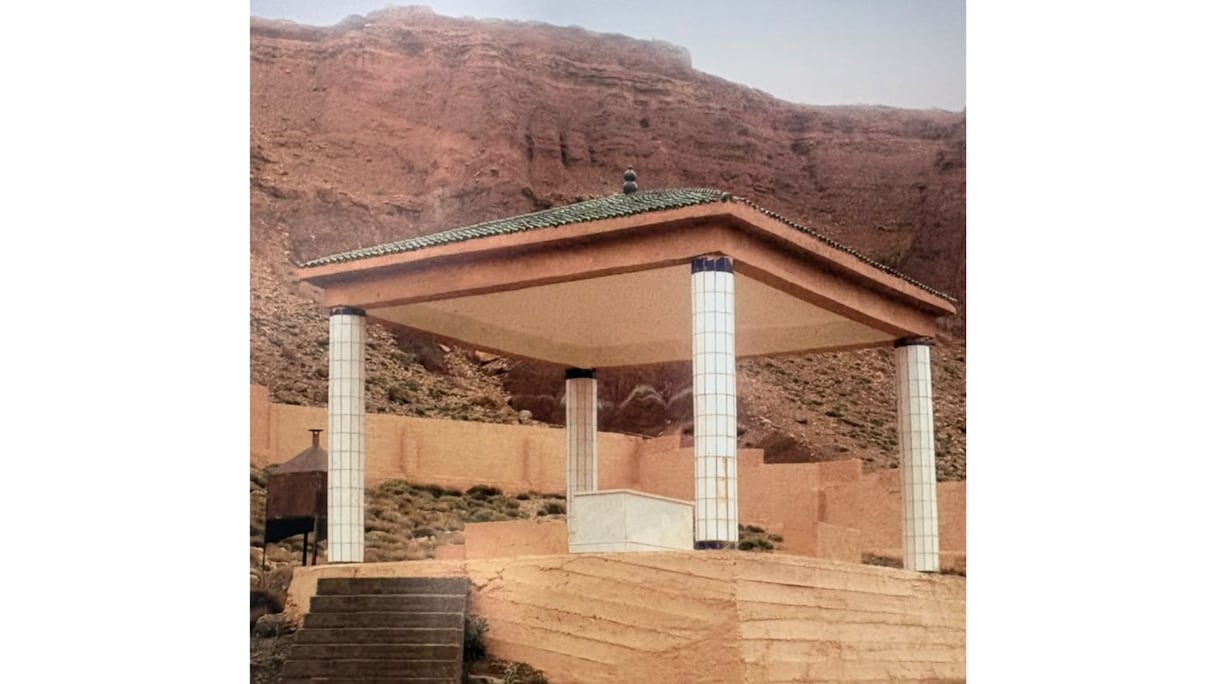
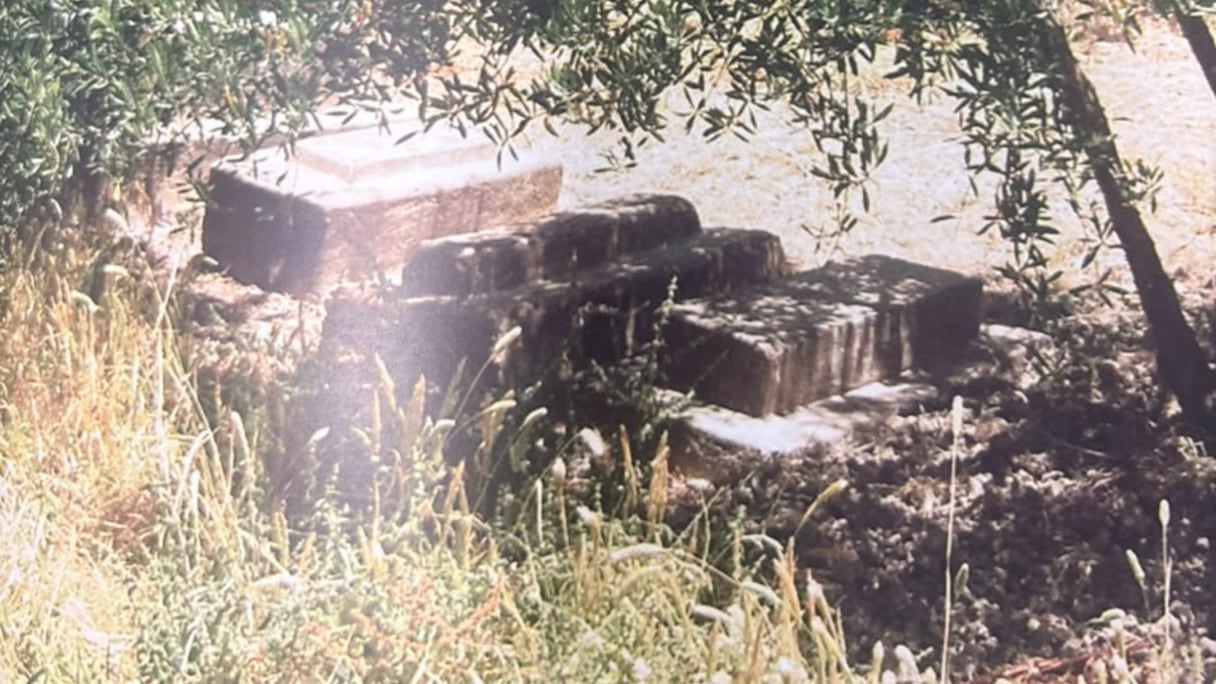
The Wall of Elders at the old Mellah cemetery in Fez. (A. Et-tahiry/Le360)
Restoration campaign follows royal directive
Berdugo says the new campaign builds on the royal decision taken in 2010. “This is an instruction from His Majesty, and we are working with the Interior Ministry to carry it out,” he said. He remains cautious about the timetable. “I think it will begin in less than two months and last approximately two years.”
The Interior Ministry also played a central role in the first campaign. A letter from the minister dated April 19, 2010, established the framework for the initiative and formally set it in motion. It recalled that the King had instructed the interior minister, the CCIM secretary-general and Morocco’s chief rabbi to oversee efforts to preserve and restore Jewish cemeteries and mausoleums, just as Muslim cemeteries are protected. The ministry, for its part, pledged to take the necessary steps to safeguard these sites, described as “steeped in memory and spirituality.”
Read also : Inside Fez’s museum of Moroccan Jewish heritage
Berdugo describes the initiative as an exceptional effort to safeguard Morocco’s heritage. Preserving and restoring Jewish religious and burial sites, he says, has been “the most extraordinary undertaking of this preservation mission.” The work has, he adds, “restored dignity to nearly 180 Jewish cemeteries and shrines across Morocco and opened up veritable open-air archives to researchers.”
Les Maisons de la Vie (Houses of Life), a book documenting the restoration of Morocco’s Jewish cemeteries, provides a detailed account of the first campaign. It identifies more than 160 sites across 40 provinces and 14 regions. The work extended from cemeteries in the heart of major cities to remote burial grounds deep in the mountains.
Of the 167 sites renovated, 119 were concentrated in three regions, using the administrative names recorded in the book: 64 in Souss-Massa-Drâa, 37 in Marrakech-Tensift-Al Haouz and 18 in Meknes-Tafilalet. Some provinces accounted for a particularly large share of the cemeteries: Errachidia and Midelt in Tafilalet, Al Haouz in Marrakech-Tensift, and Ouarzazate and Zagora in Souss-Massa-Drâa. In Ouarzazate province alone, more than 20 Amazigh fortified villages, known as ksour, had their own Jewish cemeteries. Zagora has around 15.
The cemeteries vary widely in size. Some contain only a hundred or so graves, while others hold several thousand. Urban cemeteries, both coastal and inland, are fewer in number but more densely packed. Some contain more than 10,000 graves.
The restoration effort in numbers
A total of 76 companies took part in the program. They built 42,000 meters of perimeter walls—nearly 42 kilometers—and demolished 9,900 meters of old walls. They installed 159 new gates and restored those that could be retained. Vegetation clearance and cleaning covered 198,000 square meters, while painting, waterproofing and other surface treatments covered 42,000 square meters. The teams also carried out 59 topographical surveys and repaired 12,600 damaged graves.
Those figures reflect a wide range of restoration work. Contractors cleared rubbish that had accumulated over the years in abandoned cemeteries. They uncovered gravestones buried deep in the ground and pieced together broken stones. They also laid paving to restore pathways, then stabilized and concreted the spaces between graves to prevent weeds from growing back.
By the end of the program, every cemetery covered by the work had been enclosed by walls marking its boundaries. According to the book, these walls gave the sites “a status of inviolability.” The “Houses of Life,” it says, “regained their appearance, their dignity and their identity”.
In the Atlas Mountains, Tafilalet, Souss and the Drâa Valley, many cemeteries lie in remote locations, sometimes known only to local residents. Their graves are often marked by little more than piles of stones that have withstood centuries of wind and weather.
The book highlights how difficult these places were—and remain—to reach. Contractors had to build protective walls around dozens of cemeteries that had survived thanks to the passage of time and their surroundings. In these regions, the restored mausoleums bear witness to saints and scholars who sought out secluded landscapes for contemplation and retreat.
The first round of restorations followed a detailed process. Interior Ministry officials began by compiling an inventory of Jewish sites and submitting it to the CCIM secretary-general. The list was then compared with the Council’s own records, producing a consolidated inventory that, according to the book, “appeared definitive at the time.” The second campaign now shows that the list will need to be revisited.
CCIM teams were subsequently sent to assess each site and determine what work was needed. For every location, a detailed schedule set out the nature and scope of the work. The relevant authorities received an implementation plan and technical specifications, while an engineering consultancy prepared estimates of unit costs.
Read also : Fes museum of Moroccan Jewish culture to open soon in the Mellah
Contractors were invited to submit bids for each site, with assistance from the administration’s technical departments. Three companies were shortlisted. In most cases, their quotations met the requirements set out in the special specifications, cost estimates and technical documentation. The CCIM then selected the lowest-priced bid and issued a purchase order directly.
Where quotations were excessive or fell outside the expected range, prices were renegotiated against standard cost estimates. These negotiations, “sometimes difficult,” secured substantial reductions. Only a handful of exceptional cases led to disputes, all of which were eventually settled amicably.
Provincial technical departments supervised the work. They certified interim progress reports and checked the cost statements used to prepare invoices submitted to the CCIM. They also inspected the work at both provisional and final handover.
The CCIM authorized the start of work and reassessed certain disputed projects. It handled administrative, accounting and financial oversight through a computerized dashboard regularly shared with the Interior Ministry. It also processed interim and final payments, including the release of retained guarantees.
For each site, a dedicated file brings together quotations, invoices, payment records and photographs taken before and after restoration. The Council also established a statistical database, began digitizing records for online access and planned additional work. These files will provide the basis for the maintenance campaign now being prepared.
What the restoration work involved
Perimeter walls were built at almost every site. Gates were installed or restored. Teams cleared scrub, removed weeds and pruned trees to expose the graves. Mausoleums were restored where necessary. Marble tombs were repaired, while stone and masonry graves were rebuilt “in strict accordance with religious prescriptions.”
The spaces between graves were paved or surfaced with stone, making the cemeteries easier to maintain and clean. At the entrances to some sites, small rooms were built or adapted to accommodate pilgrims. Photographic galleries documenting the history of the cemeteries are planned for the future, particularly in Tangier, Meknes and El Jadida. Caretakers’ accommodation was refurbished, and public sanitation facilities were brought up to standard.
In a few cases, cemeteries or sections of cemeteries with no visible graves were enclosed. The aim was to protect land that nearby residents recognized as Jewish burial grounds.
Other substantial areas without visible graves were left unenclosed, leaving them vulnerable to encroachment by neighbouring residents with no legal claim to the land. The book notes that these situations “are not irreversible.” Some projects were also launched before receiving CCIM approval. Other major renovations fell outside the agreed priorities and were carried out without consulting the Council beforehand. This led to several disputes, additional costs and limited “potential” losses of adjoining land.
The book also reports that testimony gathered from local residents during the campaign suggests that some Jewish cemeteries may still exist in certain regions without ever having been recorded. The new inventory announced by Berdugo could help identify these sites.
How Muslim neighbors helped preserve Jewish heritage
In his foreword, Berdugo highlights the welcome extended to the restoration teams. Wherever the Jewish community undertook work, it received “the warmest welcome” from fellow Moroccan Muslims, who had retained detailed knowledge of the sites and their identities. “The memories of neighboring residents often surfaced with great emotion,” he writes. He describes this as “a renewed illustration of Morocco’s exceptional character” and evidence of the climate of tolerance prevailing in the Kingdom.
He adds that the project fulfils the wishes of Moroccan Jews wherever they live. Preserving the graves of their dead in the land that nurtured them is, in his words, “a pledge of fidelity to their past.” A Teudah, a religious declaration placed at the beginning of the book and endorsed by 27 senior Moroccan rabbis from ten countries, expresses their gratitude and invokes blessings upon King Mohammed VI.
These cemeteries, known in Jewish tradition as Beth Ha Hayim, or the “House of Life”, bear witness to a Jewish presence in Morocco stretching back more than 20 centuries. The oldest burials identified through Hebrew inscriptions, at Sala and Volubilis, date to Roman times. The funerary stele of David Ben Massoud, discovered at Sala, is preserved at the Archaeological Museum in Rabat. The cemeteries also reflect successive waves of Jewish settlement: first the Toshavim, the indigenous Jewish communities, followed by the Sephardic Jews, known as the Megorashim, after their expulsion from Spain.
The cemeteries can be dated back more than 500 years, while archaeological remains point to an even longer history. The book cautions that only dedicated studies can establish reliable findings. It describes urban cemeteries as veritable open-air archives, offering a window onto four or five centuries of history. They preserve the stories of families, rabbinical lineages and migrations, as well as evidence of epidemics, infant mortality and earthquakes. Only the cemeteries of Tangier, Tetouan, Essaouira and Fez have been the subject of in-depth studies.
Burial traditions vary from region to region. In mountainous areas, graves may be marked by simple piles or blocks of stone, sometimes by large earthen slabs barely protruding above the ground. In inland cities such as Fez, Meknes and Marrakech, gravestones are semi-cylindrical, whitewashed and often inscribed with names and dates. In Meknes, inscribed funerary stones are embedded in the walls of the old cemetery.
Along the coast, some graves take anthropomorphic forms, despite the prohibition on representations of the human figure in Jewish tradition. In Tetouan, gravestones are decorated with geometric patterns. In Essaouira, the human form is clearly recognisable. In Salé, tombs feature a decorative pointed arch. The book traces these designs to Portugal’s Douro Valley and the Spanish region of Aragon. Such forms have not been used anywhere since 1915.
Saints, sacred trees and pilgrimages
Holy sites occupy a special place in this heritage. Research cited in the book identifies 652 Jewish and Muslim saints in Morocco, including 25 women. The veneration of saints, it notes, is widespread among both Jews and Muslims. Pilgrimages to their tombs continue to breathe new life into communities and revive customs deeply rooted in local traditions.
Trees often serve as landmarks. Rabbi Yossef, son of Rabbi Yeshaya Bahtit, who died in Meknes in 1771, is known as Moul l’Karma, the master of the fig tree. Rabbi David Halevy Draâ is called Moul Ennakhla, the master of the palm tree, in Demnate. In Ouezzane, the pilgrimage honouring Rabbi Amran Ben Diwane still features blazing candles at the foot of a monumental tree resembling an olive tree. Pilgrims leave messages and wishes there and keep its leaves as talismans.
Read also : Fasting, prayer and a call for unity: Jewish community marks Yom Kippur in Casablanca
The book’s introduction declares that the restoration of the vast majority of Morocco’s Jewish cemeteries “is complete”. It adds that “everything that could be done here and now has been done”. Yet it also stresses that there will always be more work for people of goodwill, calling for new initiatives to preserve this funerary heritage and pass it on to future generations.
The second campaign announced by Serge Berdugo answers that call. It will begin with a fresh assessment of the sites, move on to maintaining those already restored and, if the new inventory confirms their existence, extend to cemeteries that have yet to be documented.
