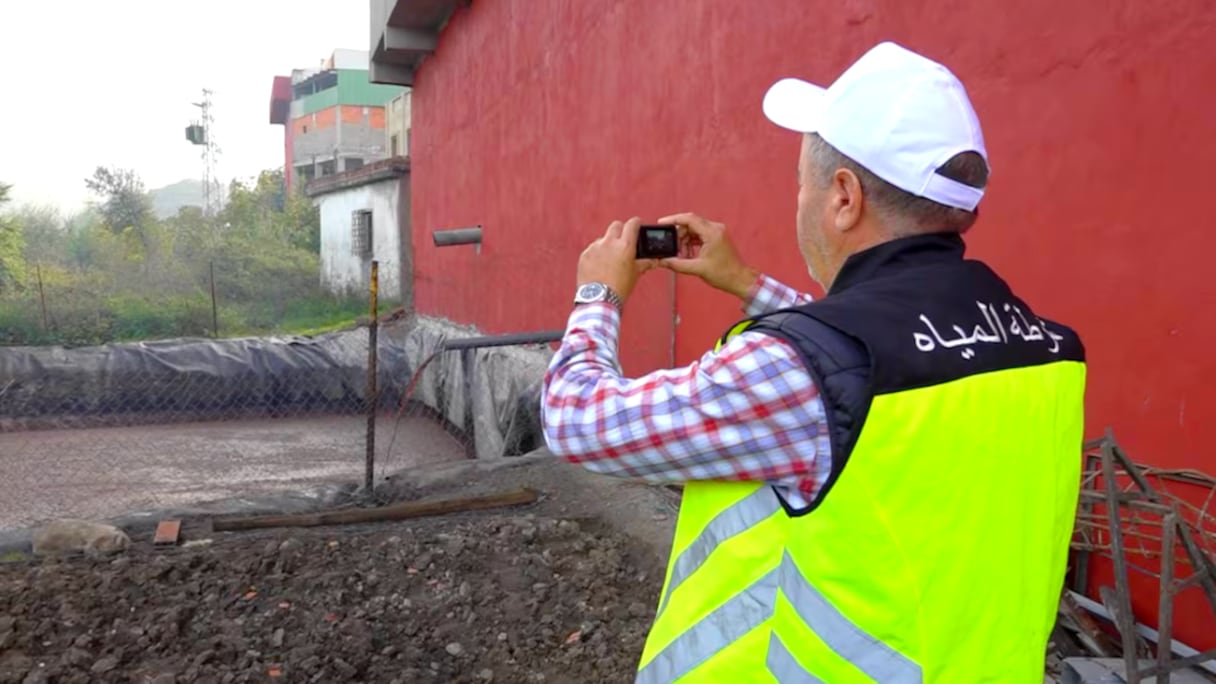
Olive mills across northern Morocco are facing inspections and possible fines of up to Dh500,000 as water authorities step up checks on wastewater disposal at the start of the pressing season.
Teams from the Loukkos River Basin Agency began visiting mills on Monday, November 2, in Ouezzane, Larache, Tetouan, Chefchaouen and Tangier, with particular attention to facilities operating near rivers, dams and other water sources.
The concern is wastewater produced during olive oil extraction. If discharged without proper treatment or management, the liquid can contaminate surface water and seep into groundwater, putting local water resources at risk.
Dozens of mills fall within the agency’s inspection campaign, which combines visits to operators with patrols intended to detect illegal discharges.
Read also : Morocco’s dams hold 11.2 billion cubic meters, more than double last year’s reserves
Water police officers, agency specialists and officials responsible for managing waterways are carrying out the checks in coordination with local authorities.
Mill operators are being briefed on their obligations under water protection laws and the need to manage waste without allowing it to reach rivers or the surrounding environment.
The agency has warned that inspections will not be limited to advice. Where violations are detected, its teams can initiate legal proceedings against those responsible.
Under Article 147 of Law No. 36.15 on water, offenders face fines ranging from Dh10,000 to Dh500,000. The legislation also provides for those responsible for pollution to compensate for damage caused to water resources and the public water domain.
The inspections are being carried out as mills begin processing the new olive harvest, a period when wastewater volumes rise with pressing activity.
The agency says it supports the olive oil industry but insists that mill operations must comply with environmental requirements, particularly where water resources are at risk.
