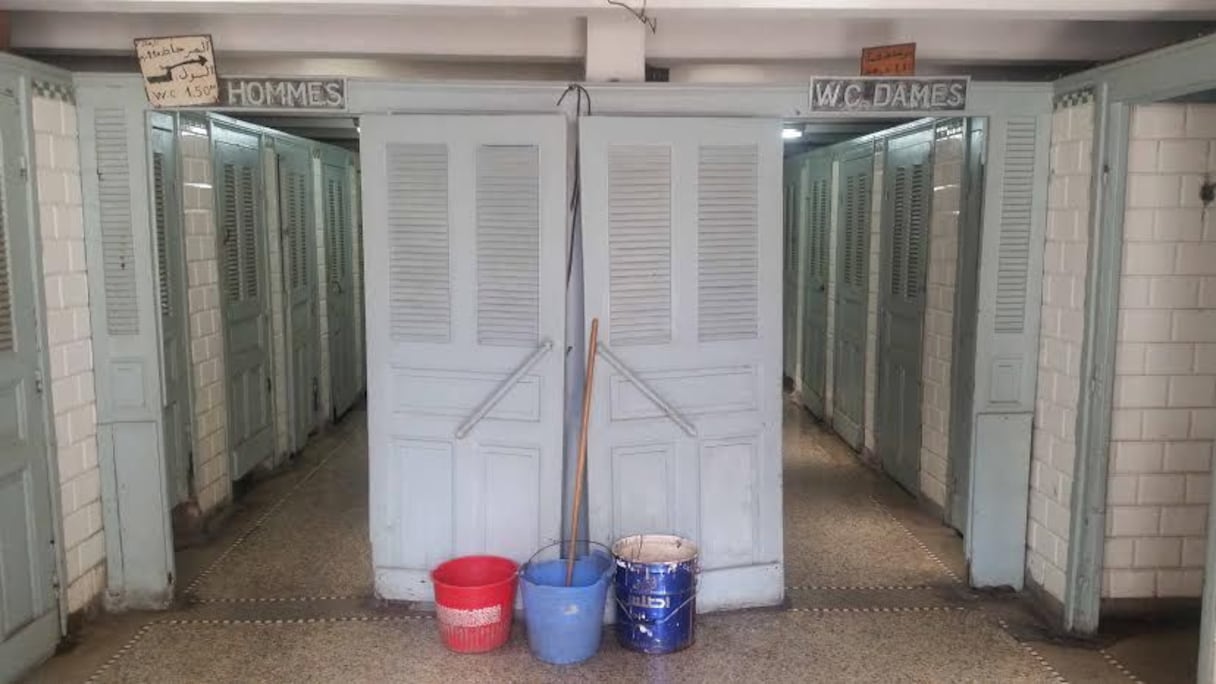
Finding a clean and usable public toilet remains difficult in many Moroccan cities, with inadequate availability compounded by problems of maintenance, hygiene, accessibility and safety.
The shortcomings are visible across different types of public spaces. Where toilets are available, their condition and upkeep can determine whether they are actually usable.
For the Environment Women Association (EWA), which has been raising the issue since 2016, the persistent problems point to a wider failure to treat public toilets as essential infrastructure requiring investment and, crucially, continuous management.
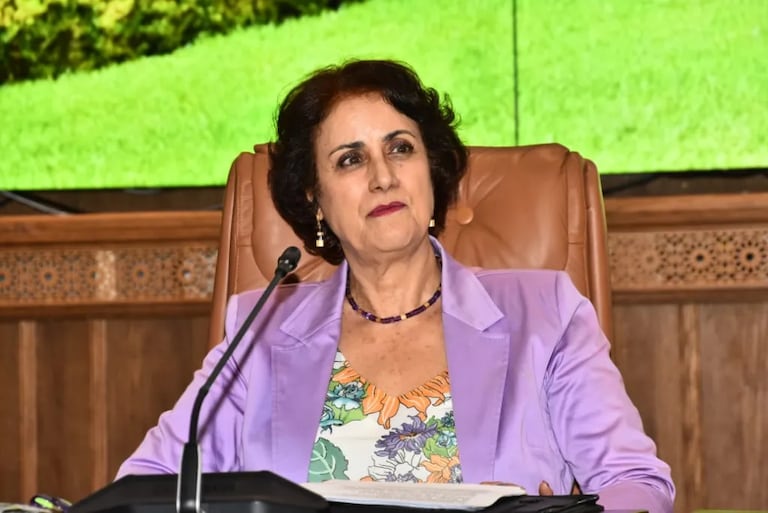
“We have carried out many actions and contacted several officials on this issue,” EWA President Farida Jaidi told le360.
“Every year, we explain that November 19 is World Toilet Day and that something really needs to be done about toilets because we have a public toilet problem across Morocco.”
Nearly a decade after the association began its advocacy, Jaidi says the improvements have fallen short. “Unfortunately, we haven’t seen the results we had hoped for,” she said.
More than building toilets
The issue is not simply the number of facilities. A public toilet needs water, regular cleaning and maintenance, functioning equipment and adequate security to remain usable.
Accessibility also matters, particularly for people with disabilities, older people and parents traveling with young children. For women and girls, the consequences of inadequate facilities can be particularly acute, with privacy, hygiene and personal safety affecting whether a toilet can be used at all.
That makes toilets part of a broader question about the quality of public space. Streets, parks, transport facilities and other heavily frequented areas may be upgraded or redeveloped, but their usability also depends on basic services that receive far less attention.
EWA wants that approach to change. For the association, toilets should be considered from the outset as public infrastructure with recurring operating requirements rather than installations that are built and then left without adequate provisions for their upkeep.
Who cleans, maintains and manages them?
Building a toilet solves little if responsibility for cleaning, repairs, water supply and security is unclear or poorly funded. EWA says a properly developed network could generate activity across engineering and construction, plumbing and water management, cleaning, maintenance, security and facility management. Waste collection, treatment and recovery could also form part of the ecosystem.
The debate sits within a wider sanitation challenge. EWA cites 2024 figures from the WHO/UNICEF Joint Monitoring Programme for Water Supply, Sanitation and Hygiene showing that 8.4% of the population used safely managed sanitation services.
That indicator covers sanitation generally and does not measure the availability of public toilets. It nevertheless highlights the broader infrastructure and management questions surrounding access to sanitation.
A problem that remains difficult to discuss
Even identifying public toilets as a policy issue can be a challenge, according to Jaidi. “It is a taboo subject. People do not want to talk about it,” she said. “We want to encourage the authorities to really take action.”
EWA is now trying to break through that reluctance with a sustained campaign rather than limiting its advocacy to World Toilet Day.
On August 11, it launched “100 days, 100 messages, one shared fight: dignity,” publishing one message every day until November 19.
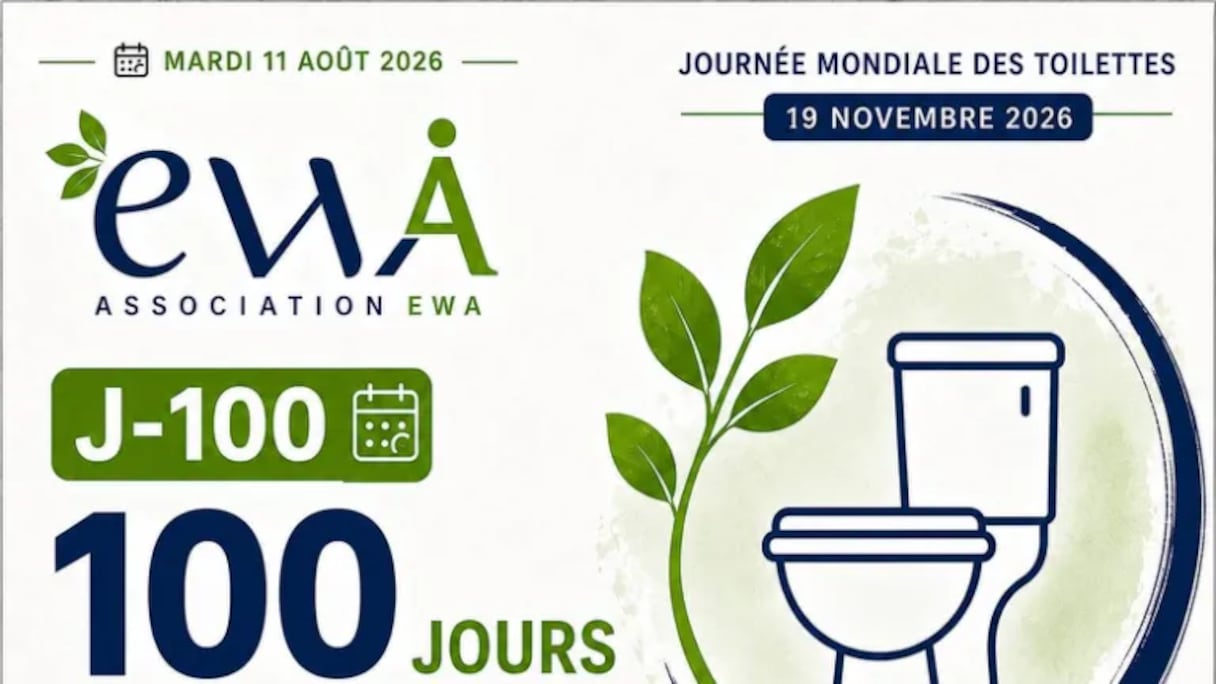
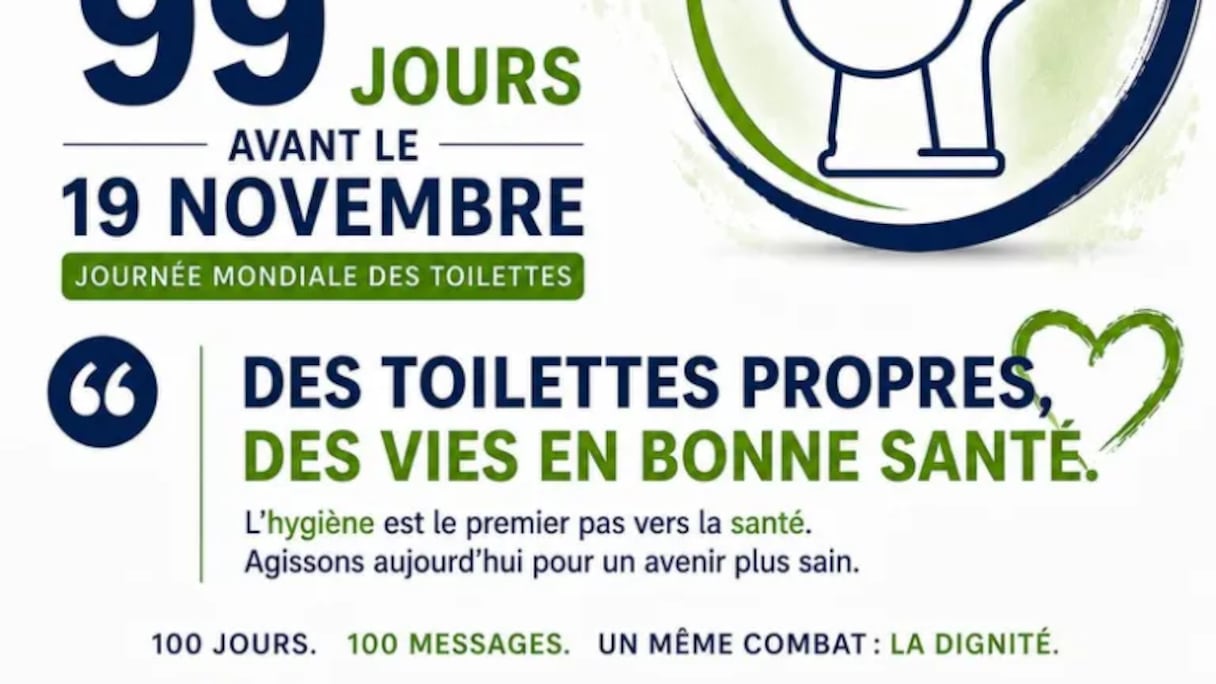
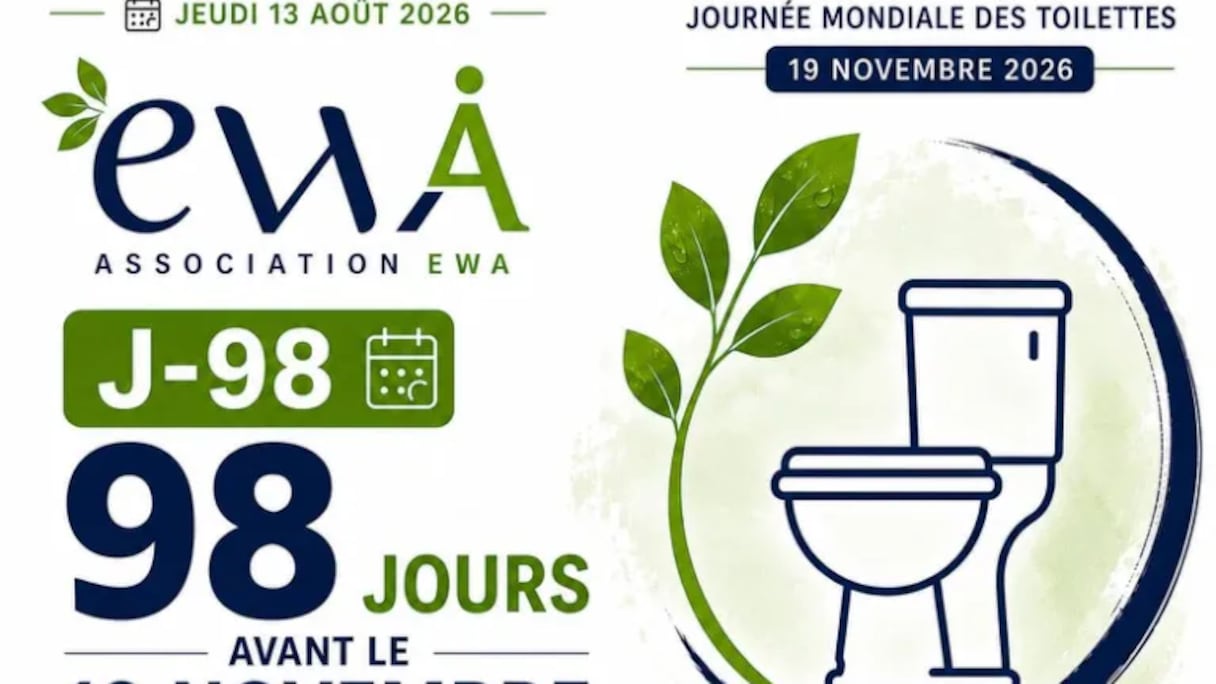
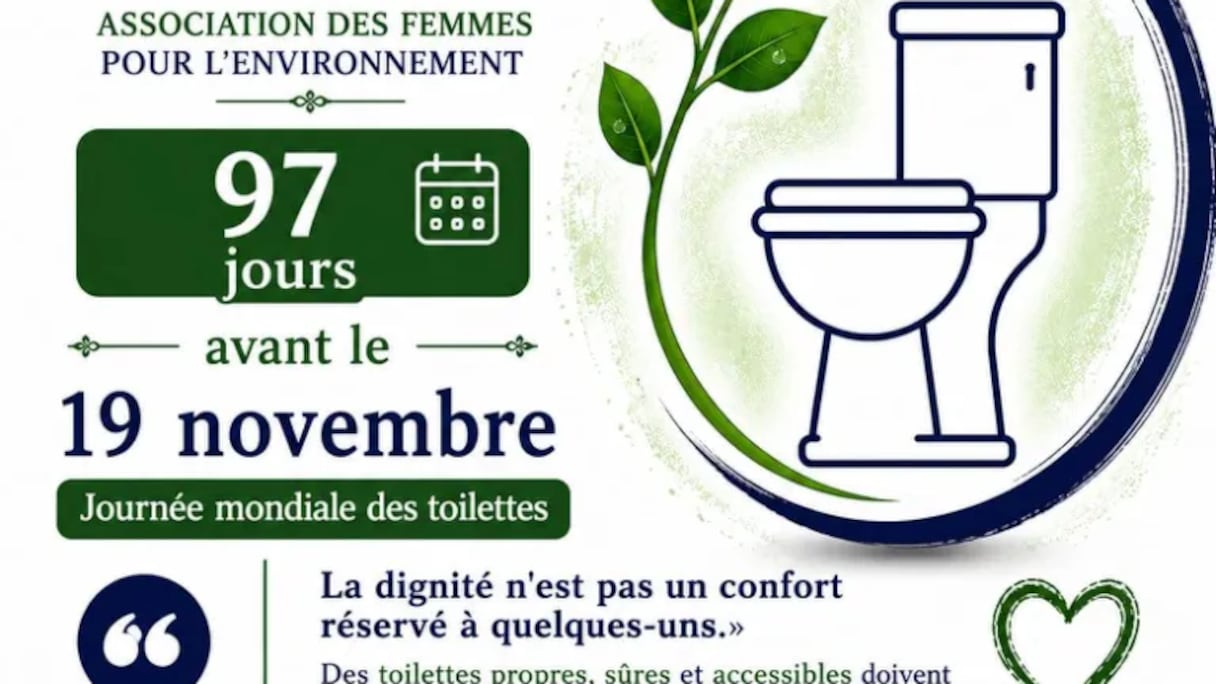
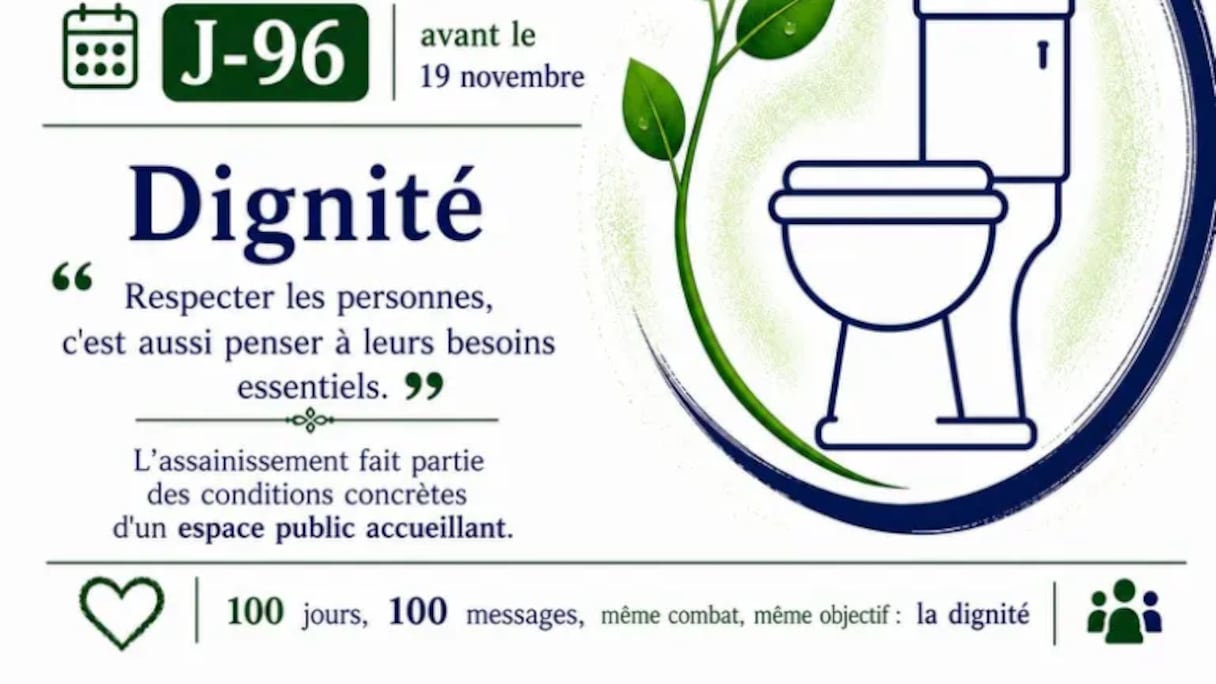
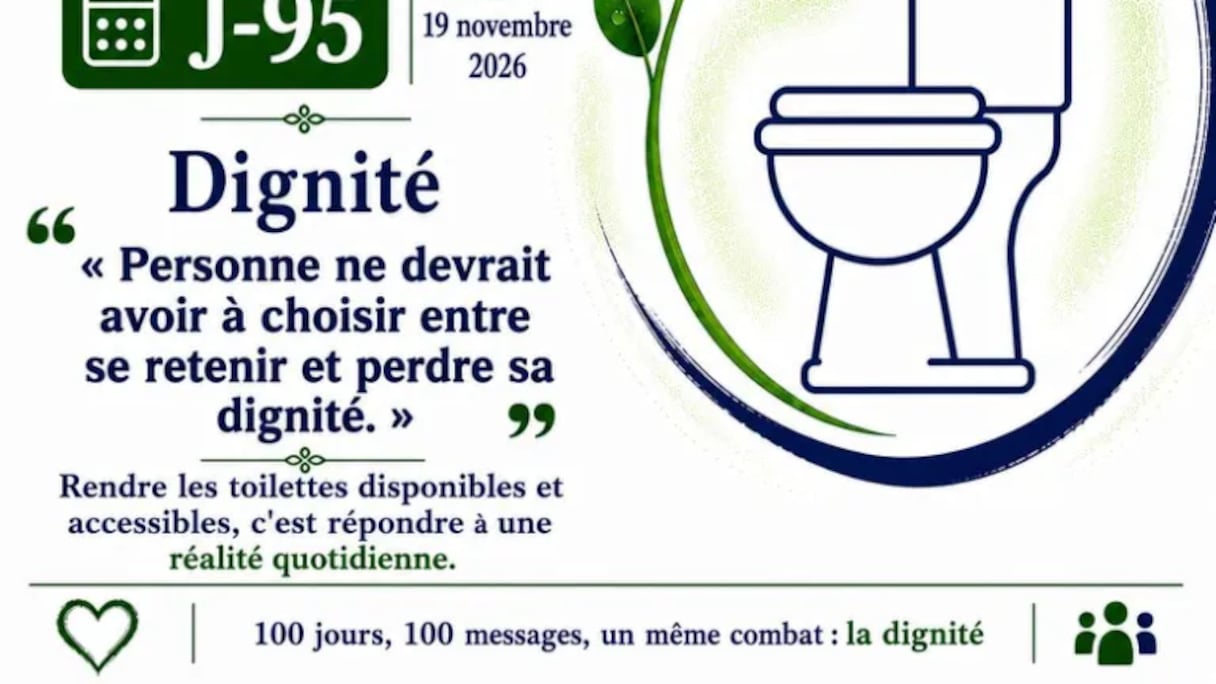
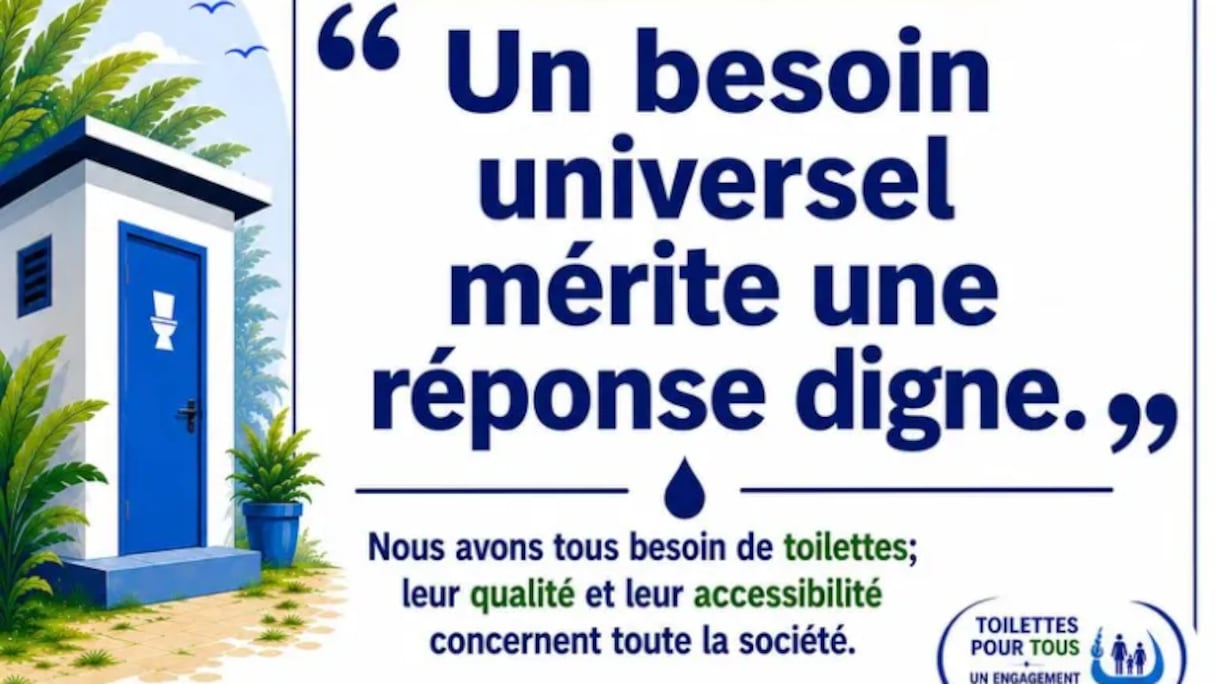
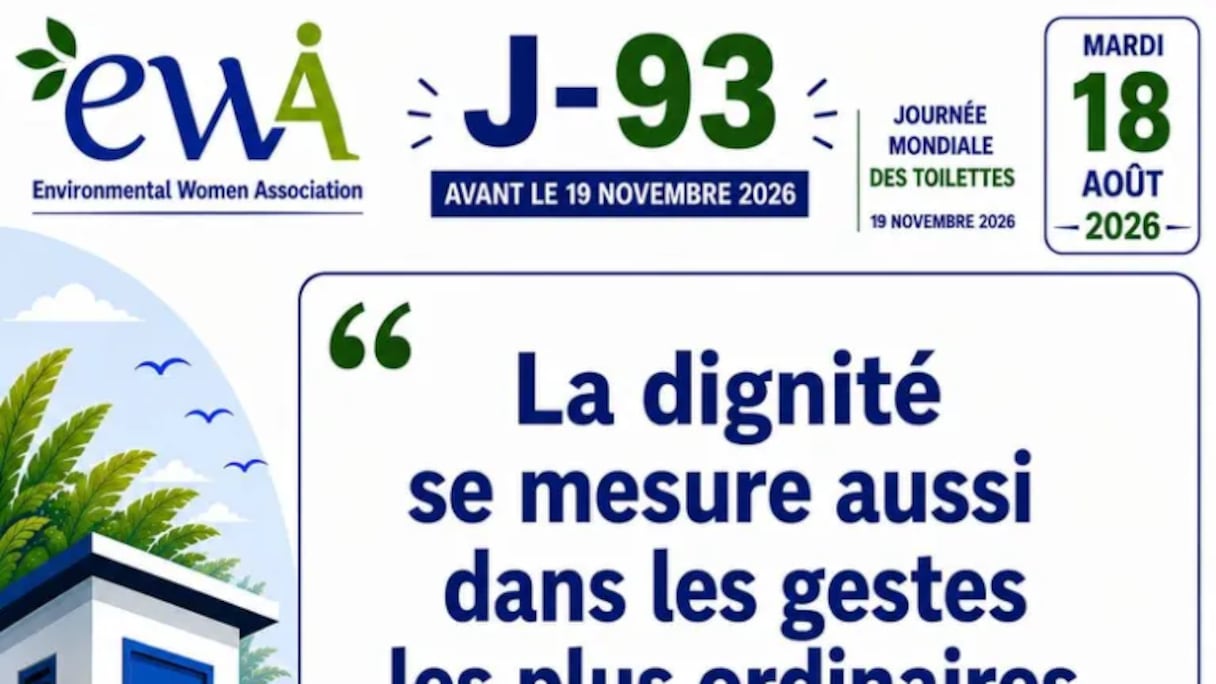
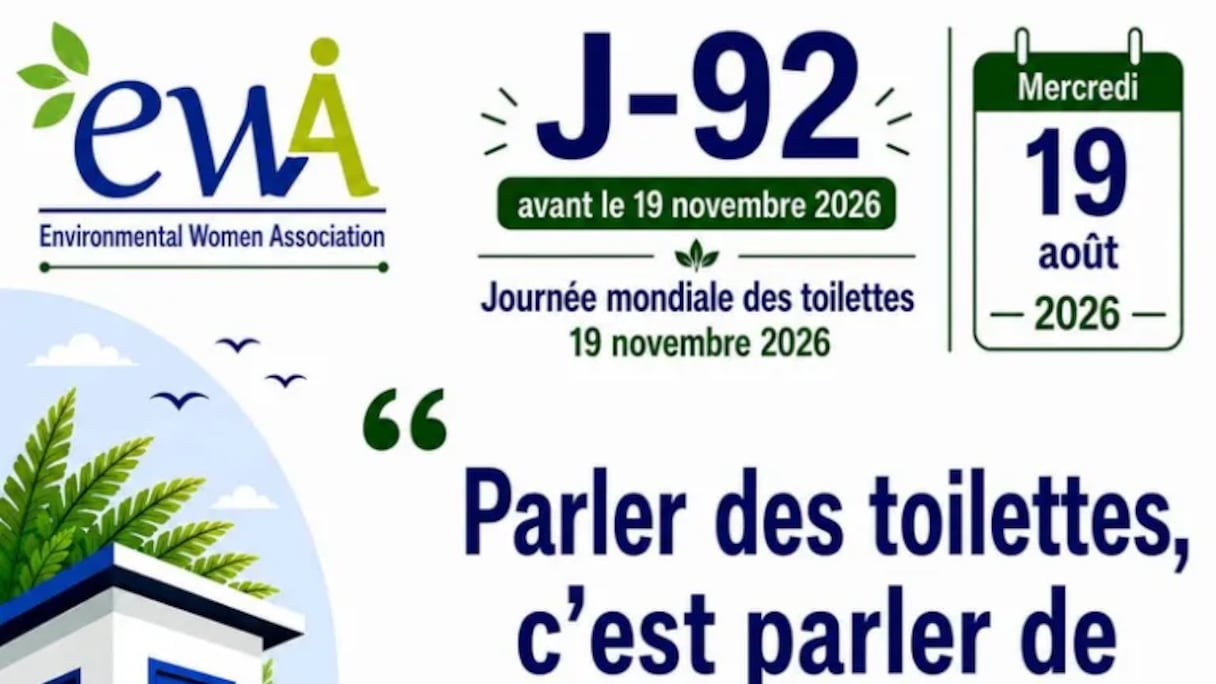
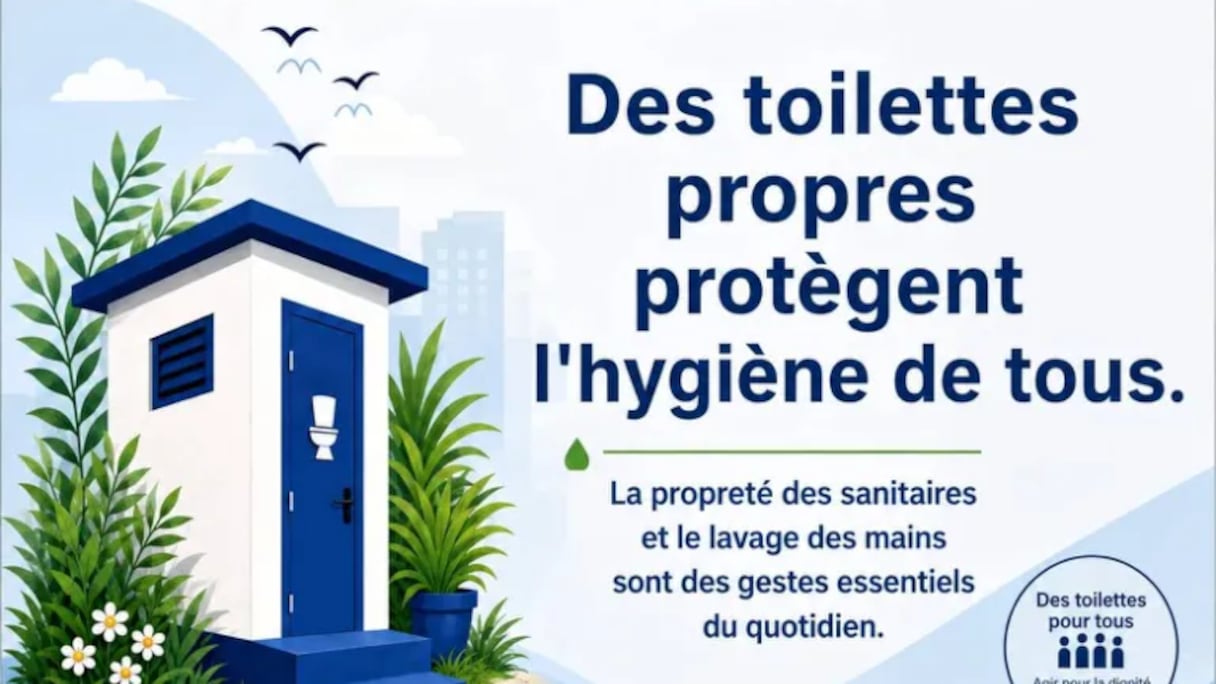
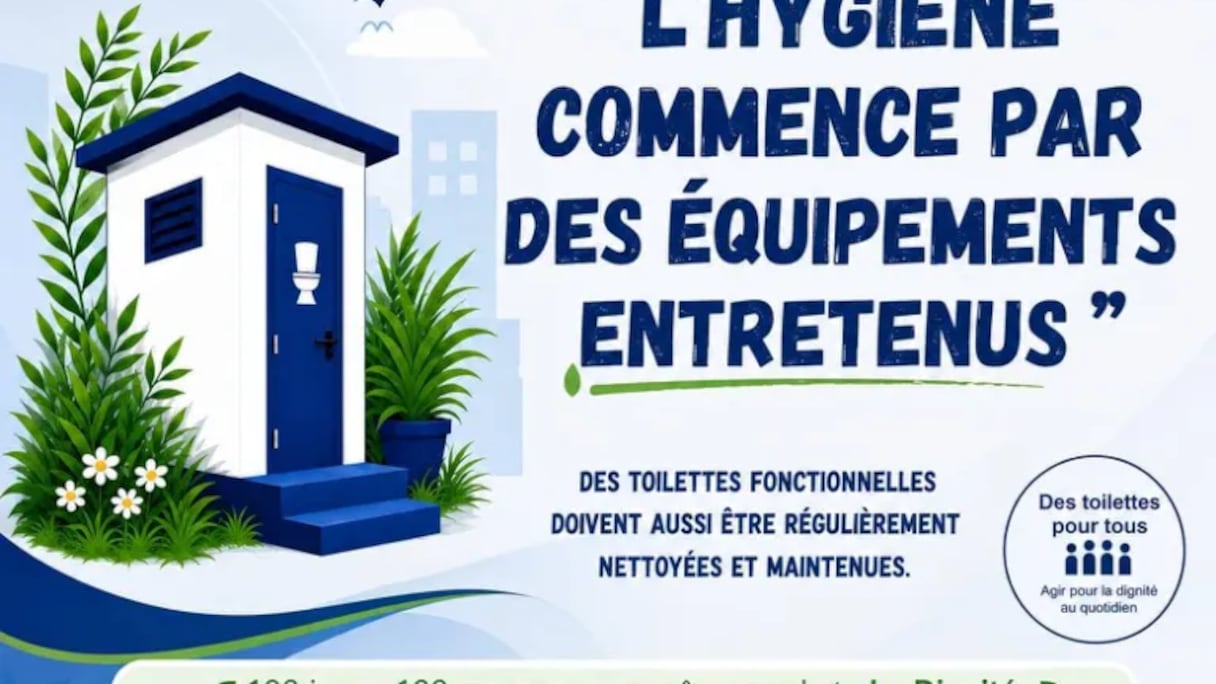
The campaign is aimed at local authorities, businesses, media organizations, journalists, content creators, civil society and citizens, with EWA hoping to keep the issue visible long enough to generate concrete responses.