The same eclipse, two very different experiences.
At Cape Spartel in Tangier, where the Mediterranean meets the Atlantic Ocean, dozens of people gathered Wednesday evening to watch one of the most striking astronomical events visible from Morocco in years.
In Al Hoceima, about 300 kilometers east of Tangier along Morocco’s Mediterranean coast, persistent clouds had other plans, obscuring the sun and largely denying residents the spectacle unfolding elsewhere across the Kingdom.
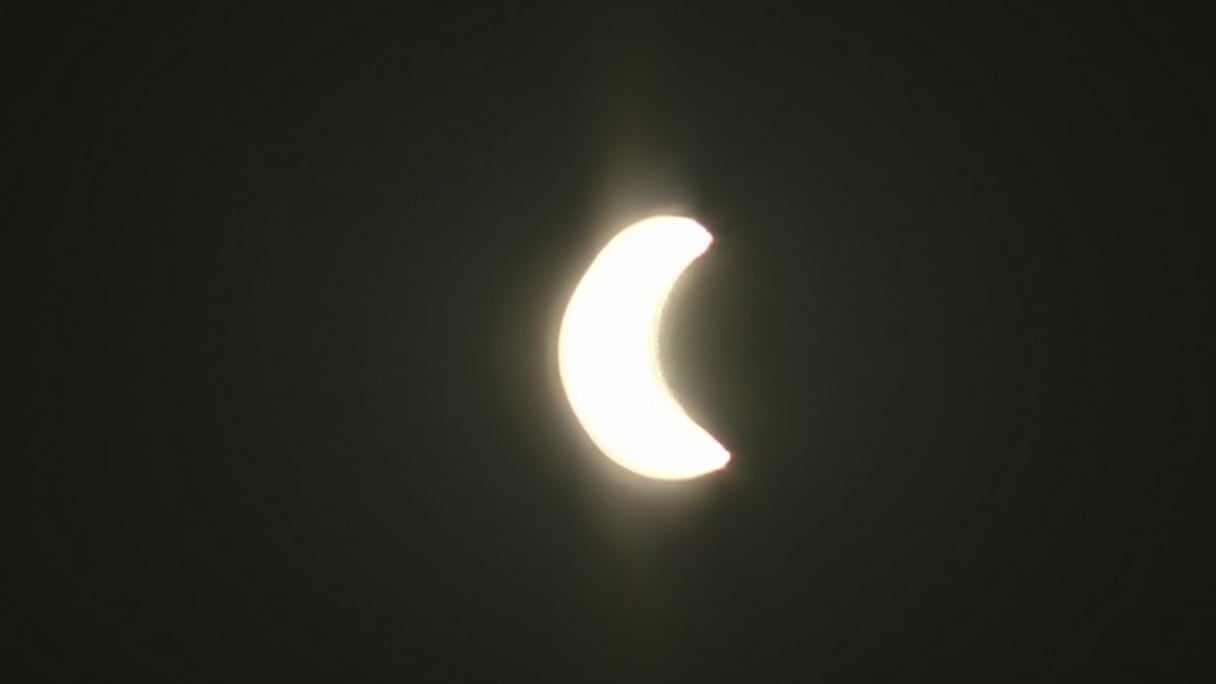
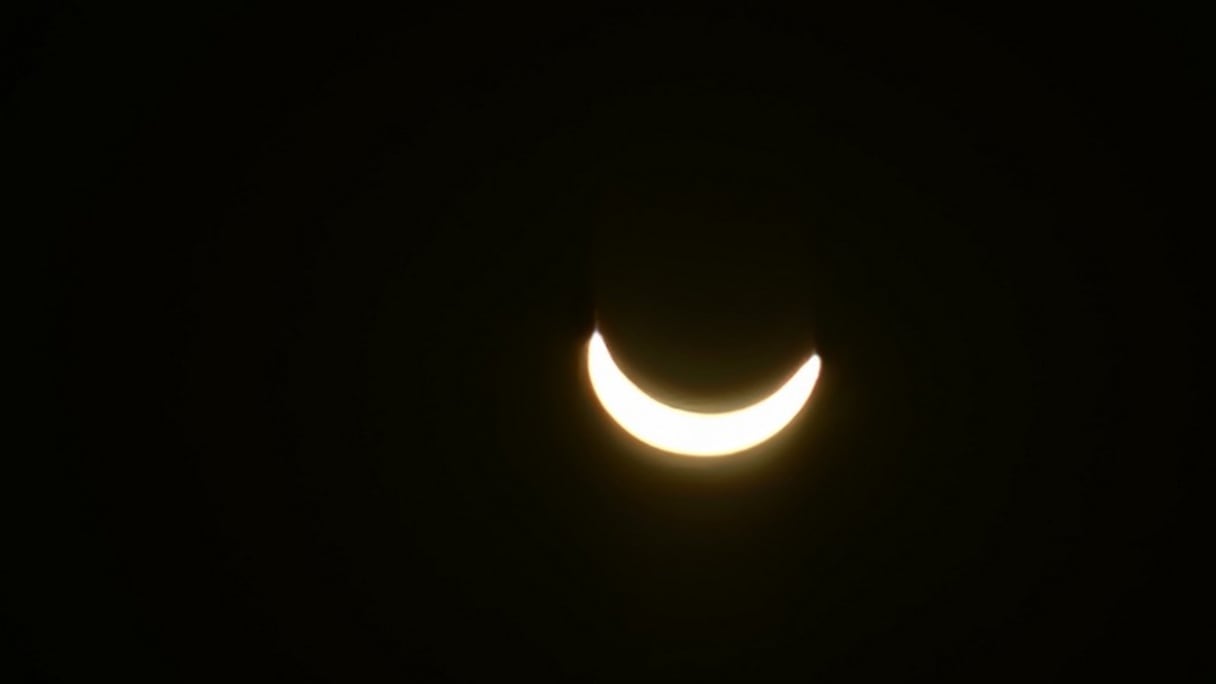
Tangier was among the best places in Morocco to witness the partial solar eclipse, with the moon covering as much as 92% of the solar disk.
Moroccan and foreign tourists, Tangier residents and Moroccans living abroad gathered around Cape Spartel as the eclipse progressed, many equipped with protective glasses and cameras.
For nearly an hour, spectators watched the moon gradually move across the sun.
“I came today to document the solar eclipse,” one young astronomy enthusiast told Le360. “It’s the first time I’ve witnessed a phenomenon like this because it’s something rare.”
For him, being able to experience the eclipse from Morocco made the occasion particularly memorable.
“This phenomenon sometimes occurs in other countries or even over the open sea. The fact that it is visible today in Morocco makes it an important event, and I came to document it,” he said while preparing his camera.
Foreign visitors were equally captivated.
A Spanish tourist visiting with a friend and her family said it was her first time witnessing a solar eclipse.
“This is the first time I’ve seen a solar eclipse. I’m very happy to be able to experience this moment,” she said, while acknowledging some apprehension about an astronomical event that requires specific safety precautions.
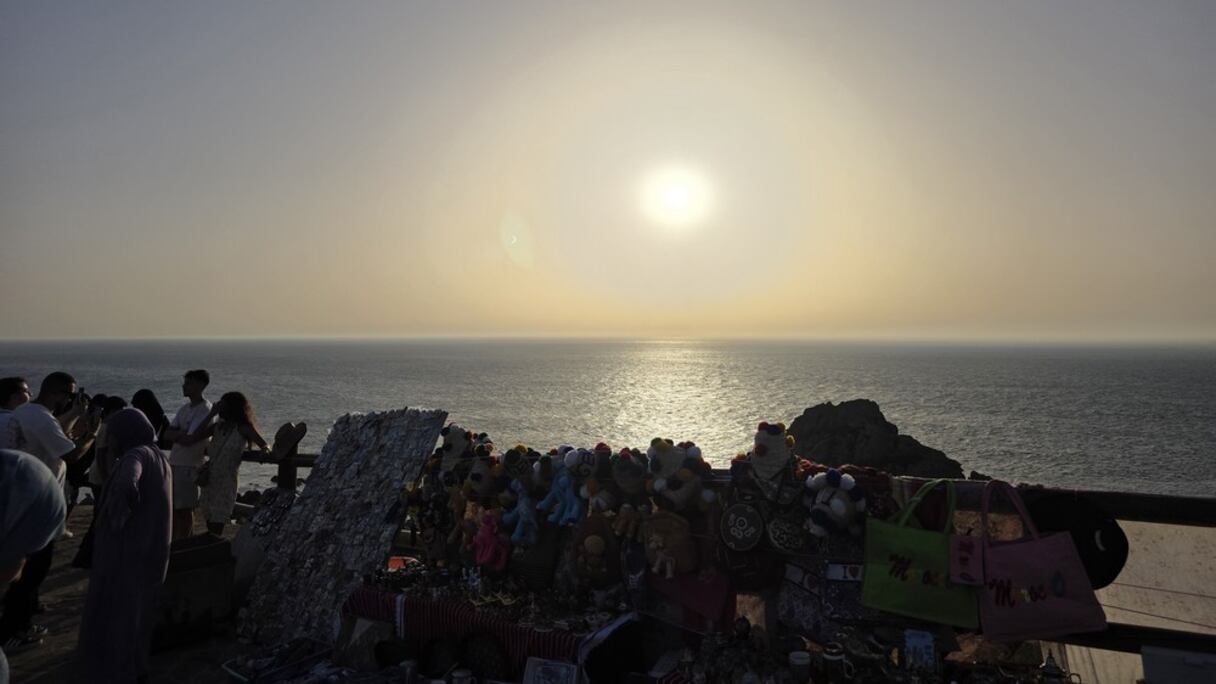
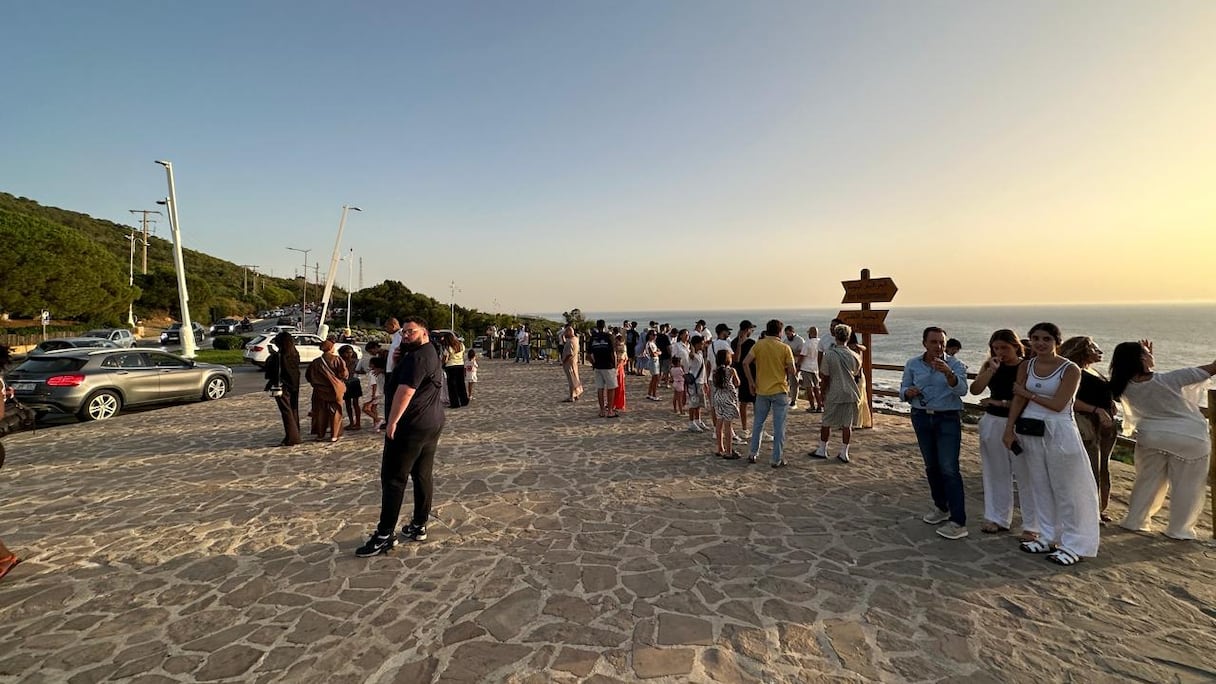
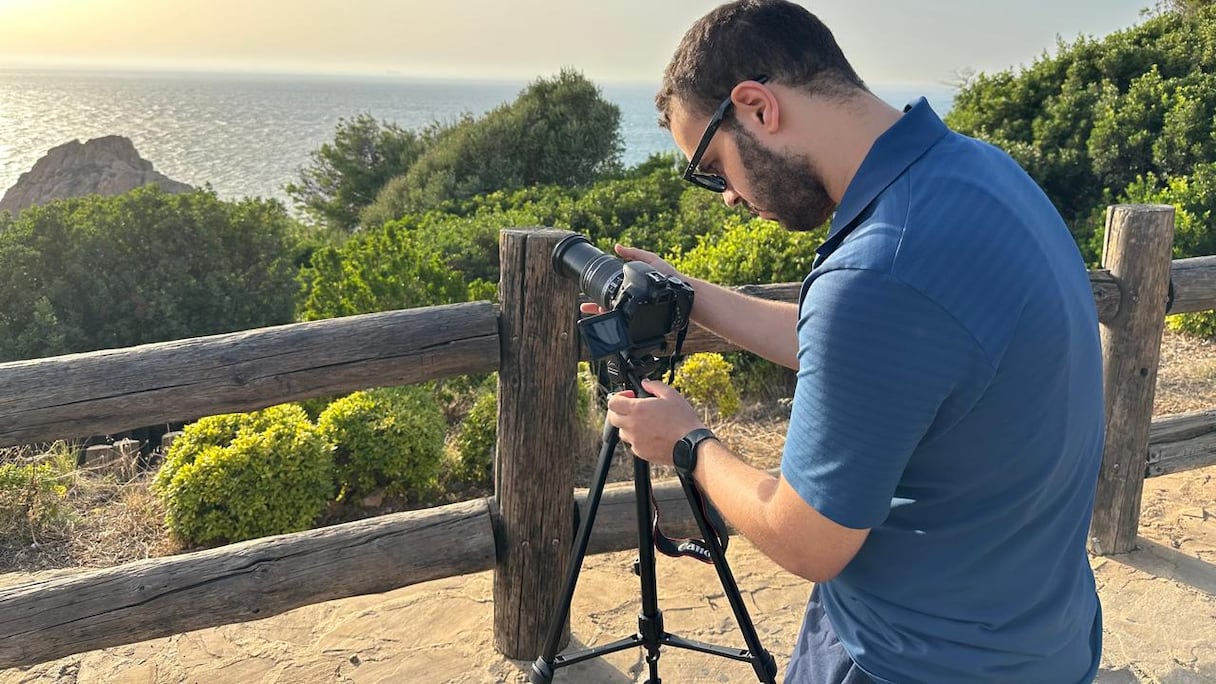
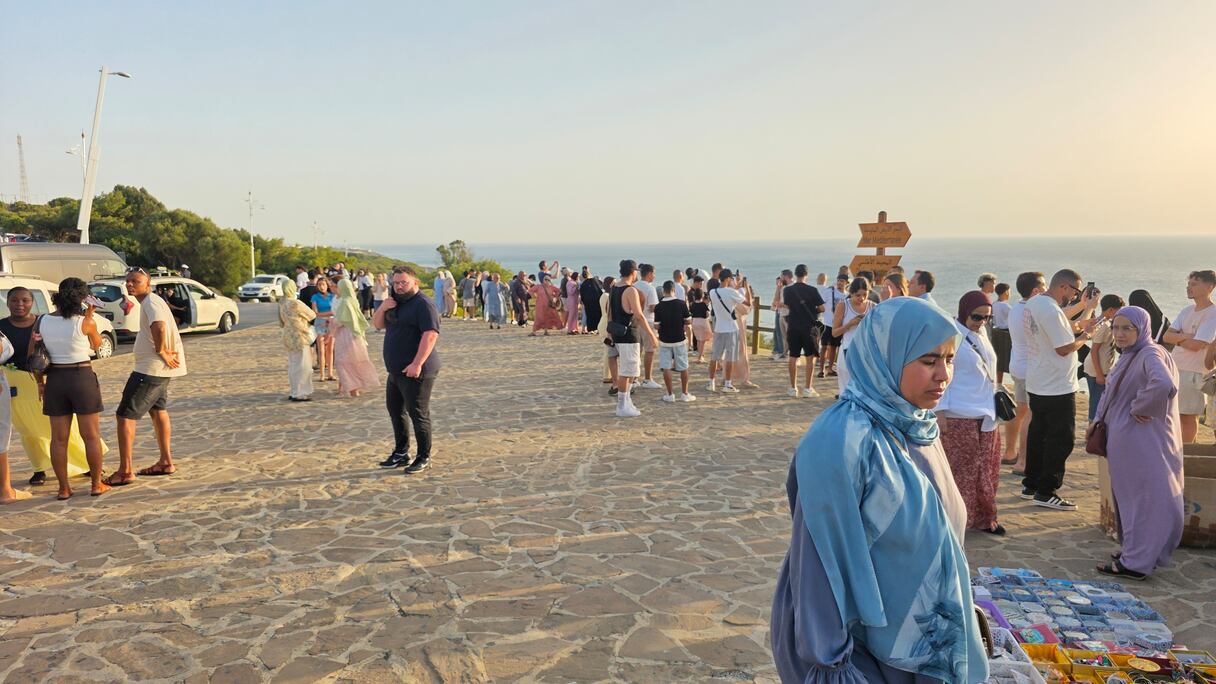
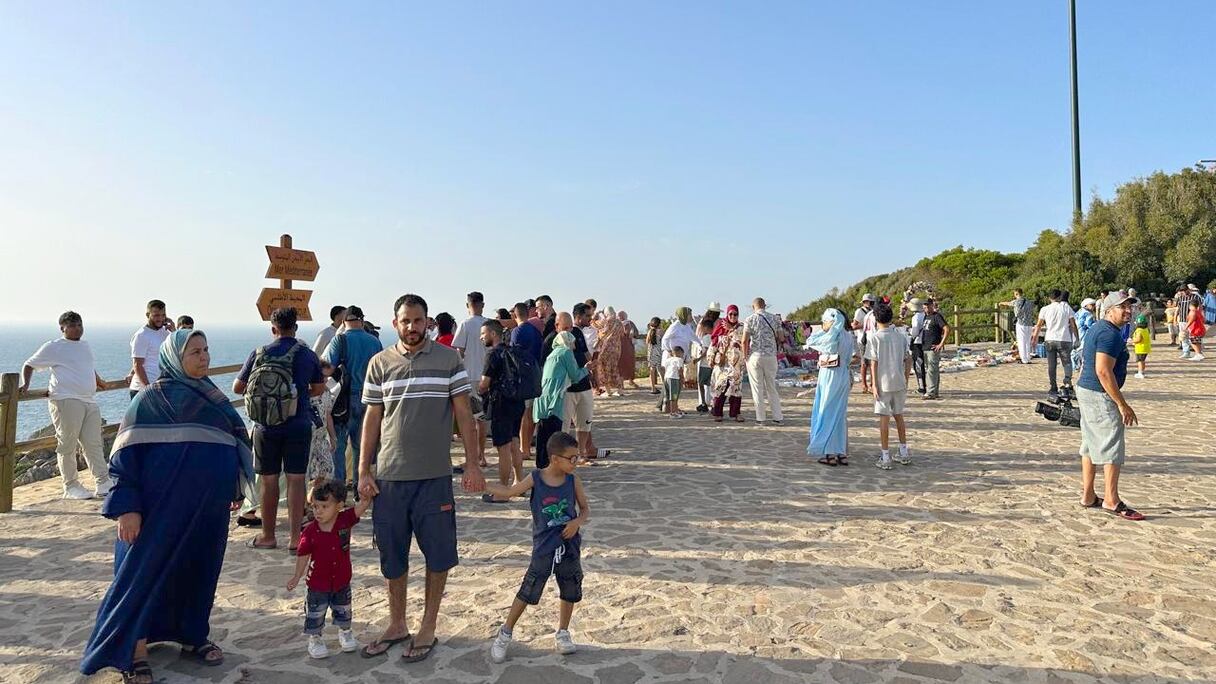
Ambiance de l'éclipse solaire, le 12 août 2026 sur Cap-Spartel à Tanger (S.Kadry/Le360).. سعيد قدري
For families in Tangier, the eclipse was also an opportunity to introduce children to a rare natural phenomenon.
“We came to see this wonder between the Mediterranean and the Atlantic Ocean,” one Tangier resident said. “It’s an extraordinary phenomenon that we should take the time to observe. Children should also have the opportunity to discover it.”
Some spectators arrived prepared with dedicated solar-viewing glasses, while others simply came to experience the atmosphere surrounding the event.
Among those who had come equipped was a young spectator attending with her mother.
“We came with my mother, and I brought my glasses. I’m very happy to be able to witness a solar eclipse for the first time,” she said.
“I know you shouldn’t look at it directly with the naked eye because it can be dangerous for your eyes. So we’re going to try to enjoy this moment without taking any risks.”
In Al Hoceima, clouds steal the show
The experience was markedly different in Al Hoceima.
As images of the eclipse began circulating from other Moroccan cities, thick clouds covered the sky above the Mediterranean city, preventing residents and astronomy enthusiasts from getting a clear view.
Some remained outside in the hope that the clouds would briefly part and offer a glimpse of the eclipse. The hoped-for opening never came, with the cloud cover remaining dense enough to obscure the sun.
The contrast between the two northern cities captured the unpredictable nature of observing astronomical events from Earth.
In Tangier, spectators watched the sun turn into a narrow crescent above one of Morocco’s most distinctive coastal landscapes. In Al Hoceima, people waited beneath a stubborn blanket of clouds.
For those fortunate enough to see it, Wednesday’s eclipse offered a rare spectacle—and, for many gathered at Cape Spartel with protective glasses on and cameras pointed skyward, a first encounter with one of astronomy’s most dramatic displays.