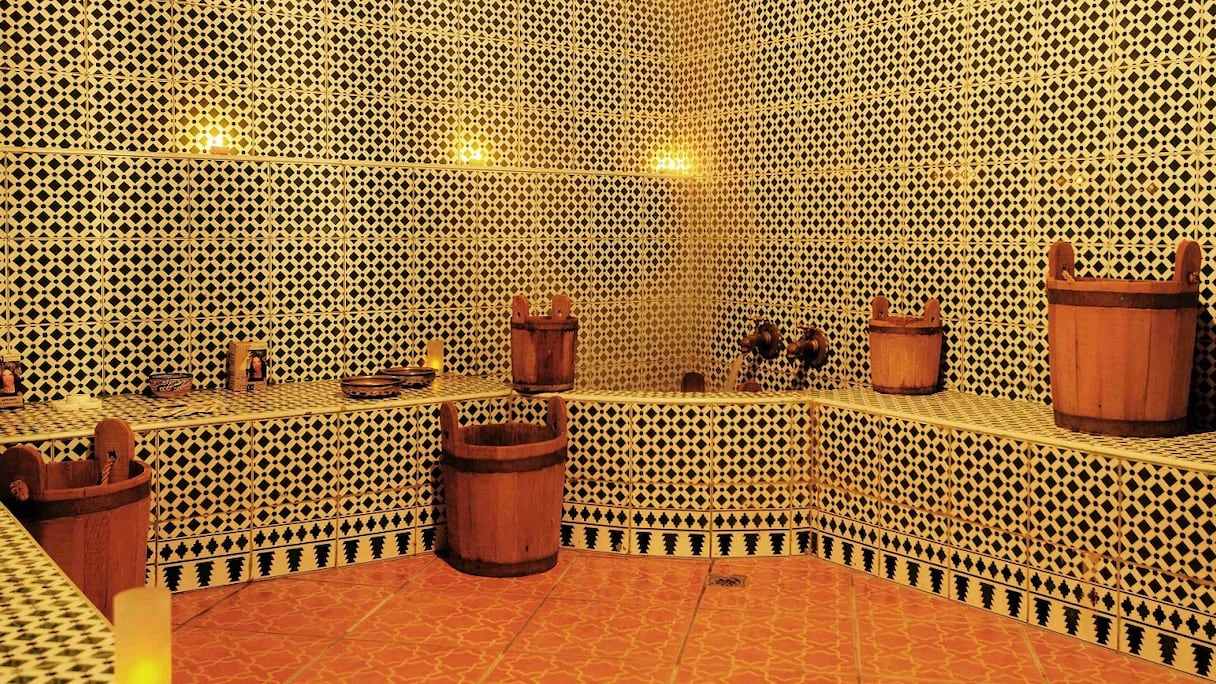
A traditional Moroccan hammam is a communal bathhouse with several rooms of increasing heat, where people go to wash, scrub and unwind. Visitors usually bring their own buckets, soap and towels, then settle on the warm tiled floor and use water from the taps to wash. The ritual often begins with savon beldi, a soft black soap made from olives, which is rinsed off before the skin is scrubbed with a rough mitt known as the kessa.
The hammam is also a place to meet and catch up. Mothers and daughters, grandmothers and grandchildren, friends and neighbors share the same space, making the weekly visit a social occasion as much as a hygiene ritual. For many Moroccans, especially during the colder months, it remains one of the familiar ways to relax and warm up.
But the experience affects the body in ways that are not always harmless, especially during the colder months, when the contrast between the warmth of the hammam and the cold air outside can be sharp.
Dr. Tayeb Hamdi, a physician and researcher specializing in health policy and systems and vice-president of the National Federation of Health, says the heat can have several physiological effects, while warning that the risks depend on a person’s health, the intensity of the heat and the time spent inside.
Read also : Breast cancer: Seven common myths and what the science says
What heat and steam do to the body
The physician says the warmth of the hammam can help relax muscles, ease some aches and pains, and improve blood circulation. These effects begin with the body’s response to heat. Blood vessels near the skin widen, a process known as vasodilation, allowing more blood to flow to the surface and helping the body release excess heat. This can also lower blood pressure, which may explain why some visitors feel light-headed after spending time in very hot rooms.
A 2021 systematic review and meta-analysis published in Experimental Physiology examined how repeated exposure to heat through hot baths and sauna sessions may affect cardiovascular health. The authors described evidence that regular heat therapy can improve the function of blood vessels, increase their ability to dilate and help reduce blood pressure over time. They also discussed how repeated exposure may reduce vascular inflammation and oxidative stress, both of which are involved in cardiovascular disease. These findings suggest that regular heat exposure may support cardiovascular health.
Dr. Hamdi also points to the effect of heat on muscle tension and pain. A 2018 systematic review by researchers Joy Hussain and Marc Cohen examined 40 clinical studies involving 3,855 participants. It found reported improvements in conditions including chronic pain, rheumatic disorders and some respiratory illnesses.
The hammam can also offer a chance to unwind. The health policy researcher says the warmth and quiet environment may help reduce stress and improve sleep. He adds that humid steam can temporarily ease upper-airway congestion and help loosen mucus.
When the heat becomes a problem
Dr. Hamdi warns that the high temperatures inside a hammam can cause blood vessels to dilate and blood pressure to fall. Visitors may experience dizziness, nausea or fainting, particularly after spending too long in the hottest rooms. The risk can be greater for people whose blood pressure is already unstable.
Heavy sweating also causes the body to lose fluids. The physician identifies dehydration and the loss of mineral salts as additional concerns, especially when visitors do not drink enough water before and after their session. The heart must also work harder to circulate blood towards the skin and release excess heat, which can place additional strain on people with underlying cardiovascular conditions.
A 2026 review published in the International Journal of Environmental Research and Public Health examined the effects of sauna use and hot-water bathing, describing how heat exposure raises core body temperature and widens peripheral blood vessels. These responses can affect blood pressure and cardiovascular workload, although the effects vary according to the individual and the type of heat exposure.
Respiratory irritation is another risk identified by the doctor. He says the combination of humidity, strong soap fragrances and herbal preparations may trigger breathing difficulties in people with asthma or respiratory allergies. The US Centers for Disease Control and Prevention also lists fragrances, chemicals and mold among potential asthma triggers. Steam may temporarily loosen mucus or ease congestion, but it should not be considered a treatment for asthma or chronic respiratory disease.
Skin infections and the importance of hygiene
The health expert also warns that poor hygiene in communal hammams can expose visitors to skin infections. Wet floors, benches and shared washing areas can become sources of contamination if they are not cleaned and disinfected regularly. He also cautions against aggressive exfoliation, which can irritate the skin and damage its protective barrier.
A cross-sectional study by dermatologists at Mohammed VI University Hospital in Tangier, published in Our Dermatology Online in 2025, collected questionnaire responses from 160 people. More than 55% said they had developed a skin condition after visiting a hammam, while 75% reported skin irritation following exfoliation. Fungal infections, warts and bacterial infections were among the conditions participants reported.
A 2025 review published in the Medical Bulletin of Şişli Etfal Hospital examined infections associated with Turkish baths. It identified fungal infections, warts and other skin conditions that may spread in communal bathing environments, especially when disinfection is inadequate and facilities are heavily used. The authors also noted that infections appear to be uncommon in baths that are regularly disinfected and do not allow water to stagnate.
People with eczema, irritated skin or open wounds should take extra care. Heat and friction can aggravate existing skin problems, while damaged skin may be more vulnerable to further irritation. Dr. Hamdi recommends avoiding vigorous scrubbing in these cases.
Who should take extra precautions?
The physician says people with cardiovascular disease should be extra cautious, especially those with heart failure or poorly controlled blood pressure. People with severe asthma or chronic obstructive pulmonary disease may also have difficulty tolerating the heat, humidity or strong fragrances.
Older adults and young children may be more vulnerable because their bodies can have greater difficulty regulating temperature. Visitors should also avoid using the hammam when they have a fever or are already unwell.
Pregnant women should seek medical advice before using very hot bathing facilities. Research on heat exposure during pregnancy has raised concerns about prolonged increases in body temperature. The temperature, duration of exposure and stage of pregnancy all matter. Women with pregnancy-related complications should discuss heat exposure with their healthcare provider.
Read also : WHO launches global plan to reduce deaths from pregnancy-related hypertension
How to make a hammam visit safer
Dr. Hamdi recommends allowing the body to adjust gradually rather than moving directly from the cold outdoors into the hottest room. Visitors can begin in a less heated area before entering rooms with higher temperatures.
Drinking water before and after the visit helps replace fluids lost through sweating. People should also avoid staying too long in hot rooms. The goal is to relax, not to push the body to its limits.
Skin care matters as well. Scrubbing too hard with the scrub glove can cause irritation and damage the skin’s protective layer. Visitors should use their own personal washing items where possible and avoid sharing towels, exfoliating gloves and other equipment. Hammam operators also have a role in maintaining clean floors, benches, washing areas and facilities.
When leaving, visitors should dry themselves properly and put on warm clothes before going outside. Anyone who feels dizzy, nauseated, unusually weak or short of breath should leave the hot room immediately, move to a cooler, well-ventilated place and drink water. Chest pain, fainting, severe breathing difficulties or symptoms that do not improve require medical attention.
The traditional hammam remains an important part of Moroccan winter life. Its warmth and social atmosphere explain why generations continue to visit, but enjoying the ritual also means knowing when to take a break, how to protect the skin and when an existing health condition calls for medical advice.
