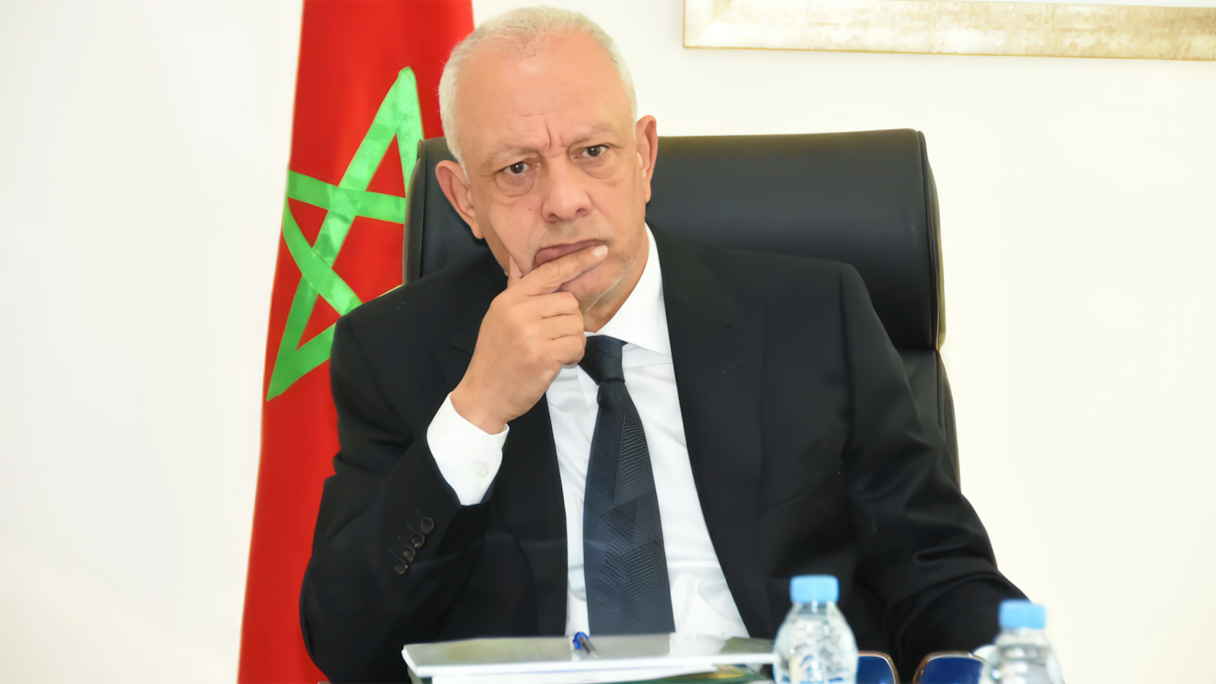
Two days after an initial meeting concerning waste management in the Aïn Sebaâ, Sidi Bernoussi, Hay Mohammadi, Roches Noires, and Sidi Moumen districts, which has been entrusted to SOS, Mohamed Mhidia, Wali of the Casablanca-Settat region, continued his series of monitoring meetings on the issue.
The latest meeting was held on Wednesday, July 22, at the Hay Hassani prefecture headquarters. Attendees included the governors of Hay Hassani, Aïn Chock, El Fida-Mers Sultan, and Anfa, along with Deputy Mayor for Sanitation Moulay Ahmed Afilal and Casa Baïa Managing Director Youssef Chakour.
Discussions focused on the municipalities of Hay Hassani, Aïn Chock, El Fida, and Anfa, where waste collection is now managed by Arma. Company chairman Youssef Ahizoune was directly questioned about the state of sanitation services in these areas.
As was the case during the July 20 meeting with SOS, Arma was instructed to establish on-site monitoring committees to closely supervise service quality.
Although authorities acknowledged improvements compared with the first week following the transition from Averda to Arma, they stated that service levels still fall short of expectations. Several governors noted that conditions remain unsatisfactory in densely populated neighborhoods such as Ennassim, Sidi El Khadir, and Oulfa.
The meeting also addressed the condition of the vehicle fleet inherited from Averda. It was decided that governors and municipal presidents would receive contracts detailing the human and material resources allocated, providing a clearer picture of the fleet and staffing levels.
Efforts to improve the situation are already underway. An additional 200 workers have been assigned to Hay Hassani and 120 to Aïn Chock, alongside five extra vehicles and 200 waste bins. According to officials, the situation "is improving," and a gradual return to normal service is underway.
Given the urgency, Mhidia has accelerated the original timetable. While the contracts provided for investment in new equipment one year after operations began, he instructed Arma to place orders for new vehicles immediately so that residents could see tangible improvements.
According to a member of the Casablanca City Council, the municipality has imposed strict standards. All new vehicles must comply with Euro VI or Euro VII environmental regulations, with preference given to established manufacturers such as Renault and Mercedes, excluding Chinese and Turkish-made vehicles. Each unit costs more than MAD 2 million.
Wali Mhidia also stressed the need to deploy satellite collection trucks to serve narrow streets and to reinforce daily manual street sweeping, promising close monitoring of both measures.
Finally, Youssef Ahizoune was reminded that Arma, which was awarded the largest number of service contracts, is expected to fully honor its contractual obligations.
Through this series of meetings, the authorities aim to speed up the return to acceptable sanitation standards across the city, as the transition between operators continues to draw close scrutiny from Casablanca residents.