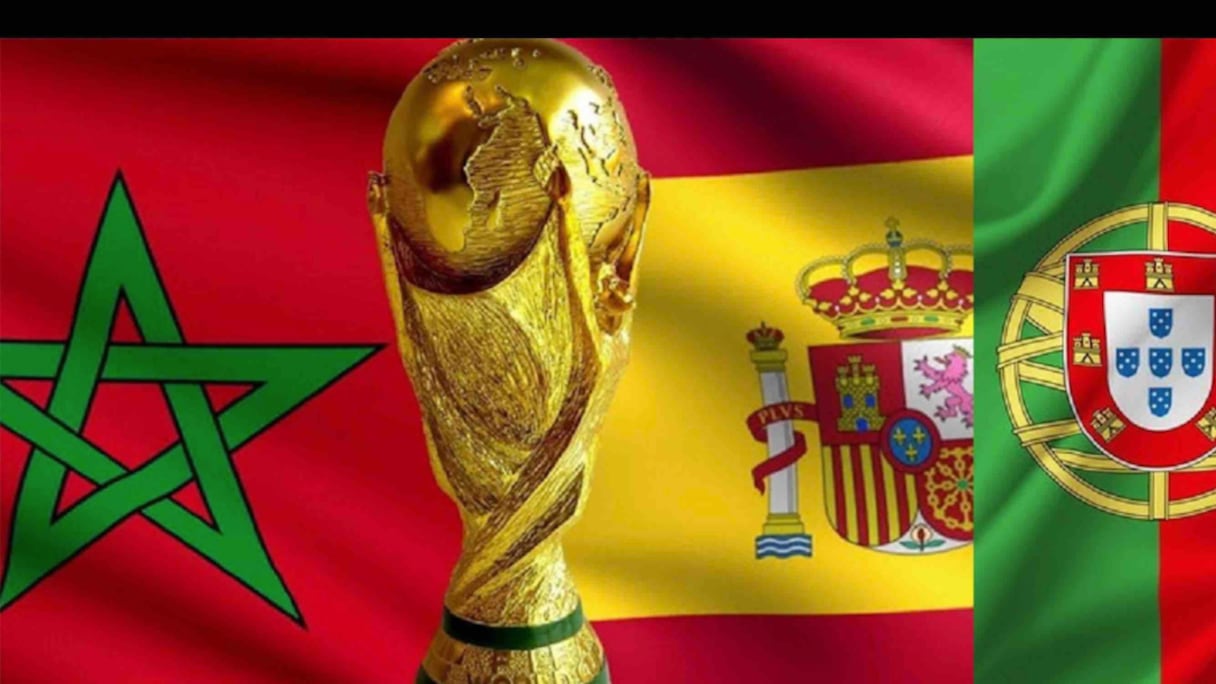
Spanish journalist Roberto Gómez revealed on Radio Marca’s La Tribu program that FIFA will visit Spanish facilities before the end of the year. Several stadiums are currently involved in preparations, including Santiago Bernabéu, Metropolitano, Camp Nou, Mestalla, Gran Canaria, San Mamés, Reale Arena, and Stage Front Stadium.
According to Roberto Gómez, the current plan for the 2030 World Cup is to utilize 16 stadiums: eight in Spain, six in Morocco, and two in Portugal. However, this distribution is not yet final. FIFA must first inspect and thoroughly assess the various venues before granting final approval, which is expected by the end of the year.
The journalist indicates that the FIFA delegation’s visit to the three countries is scheduled for late October, or possibly a little earlier. During this visit, the condition of the facilities, pitches, and other proposed sites will be examined in detail.
Gómez also announced a planned visit by FIFA President Gianni Infantino to the Moncloa Palace, where he is expected to meet Spanish Prime Minister Pedro Sánchez. The date of this meeting has not yet been officially set, but it would be part of the institutional calendar related to the organization of the 2030 World Cup.
A new distribution?
Roberto Gómez also listed the eight Spanish venues that would still be part of the project: Santiago Bernabéu, Camp Nou, Mestalla in Valencia, Gran Canaria, San Mamés in Bilbao, Reale Arena in San Sebastián, Metropolitano, and Espanyol’s Stage Front Stadium.
The Metropolitano is attracting particular attention. According to Gómez, Atlético Madrid’s stadium could see a major change and would “probably be reinstated” on the list of Spanish venues selected for the World Cup. Such a move would further increase Madrid’s importance in Spain’s hosting plans.
When Spain launched its bid, it had proposed 11 stadiums across nine cities: Camp Nou and Stage Front Stadium in Barcelona, San Mamés in Bilbao, Reale Arena in San Sebastián, Santiago Bernabéu and Metropolitano in Madrid, La Cartuja in Seville, La Romareda in Zaragoza, La Rosaleda in Malaga, Gran Canaria, and Riazor in A Coruña.
While Malaga and A Coruña have been dropped, notably because the cost of renovation work was considered too high, the absence of Seville and Zaragoza from the list mentioned by Roberto Gómez comes as a genuine surprise. At this stage, no explanation has been given for their possible withdrawal or the reasons that could justify it.
Final venue decision coming soon?
The fact that the 16 venues expected to host World Cup matches still have to be visited and assessed shows that the process remains open until final approval. “The FIFA visit will be decisive in assessing the condition of the stadiums and finalizing the definitive allocation for an event of historic importance for Spanish football,” Gómez said.
Preparations are also advancing rapidly in Morocco. Construction of the Hassan II Grand Stadium, the future centerpiece of the country’s sports infrastructure, is continuing, while other strategic facilities are also being developed. This includes the Casablanca International Broadcasting Center, which is being built on a site covering nearly 6.6 hectares.
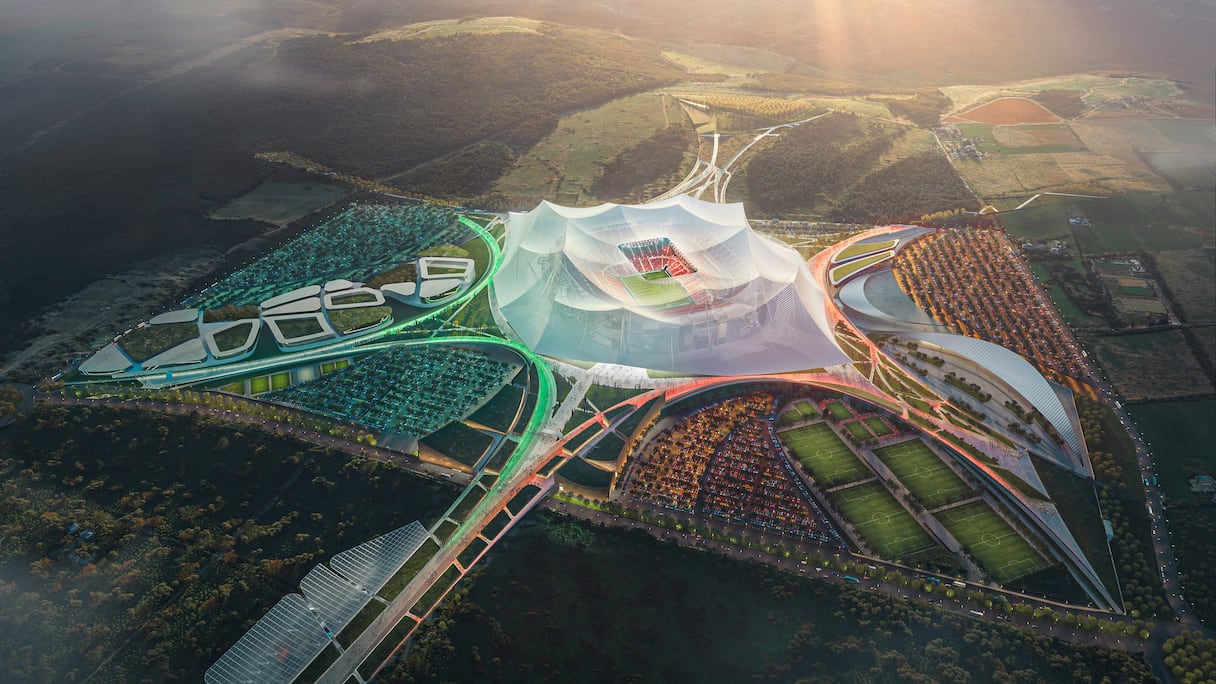
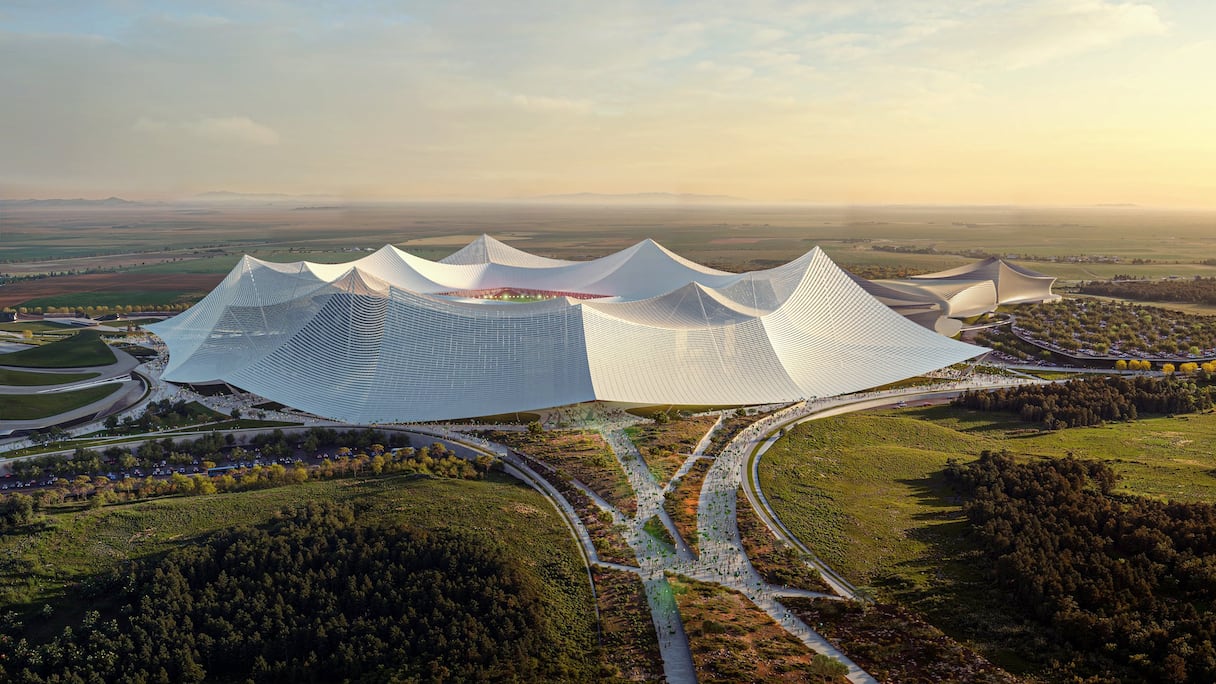
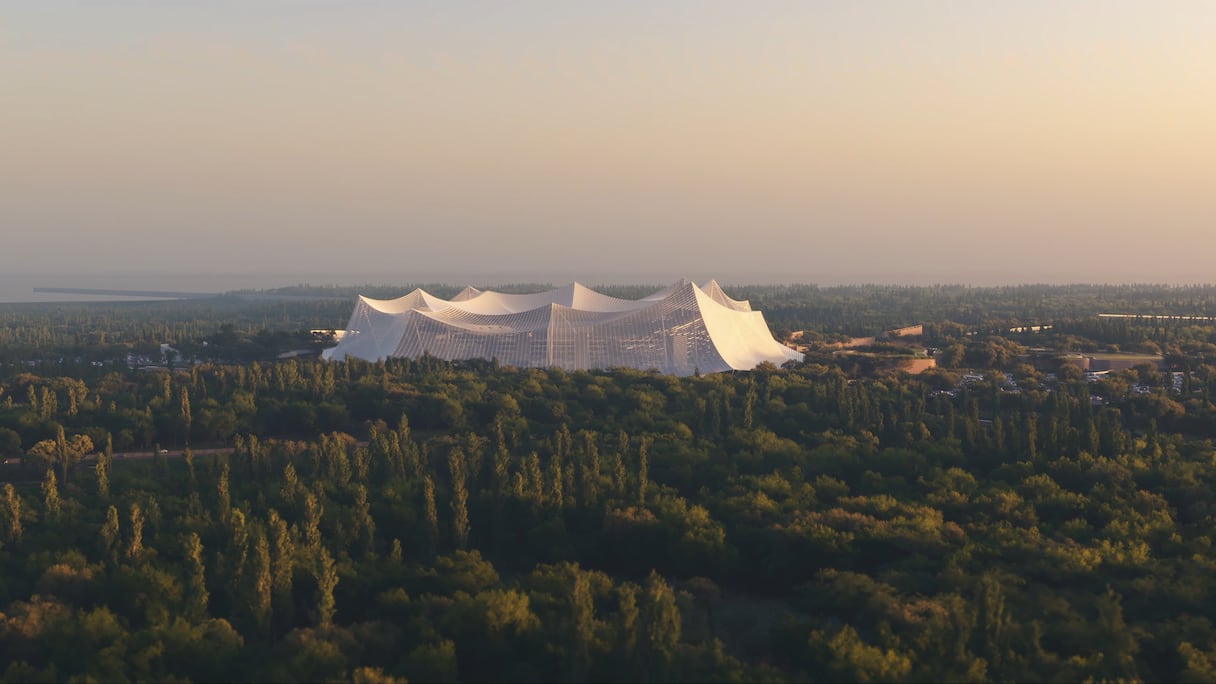
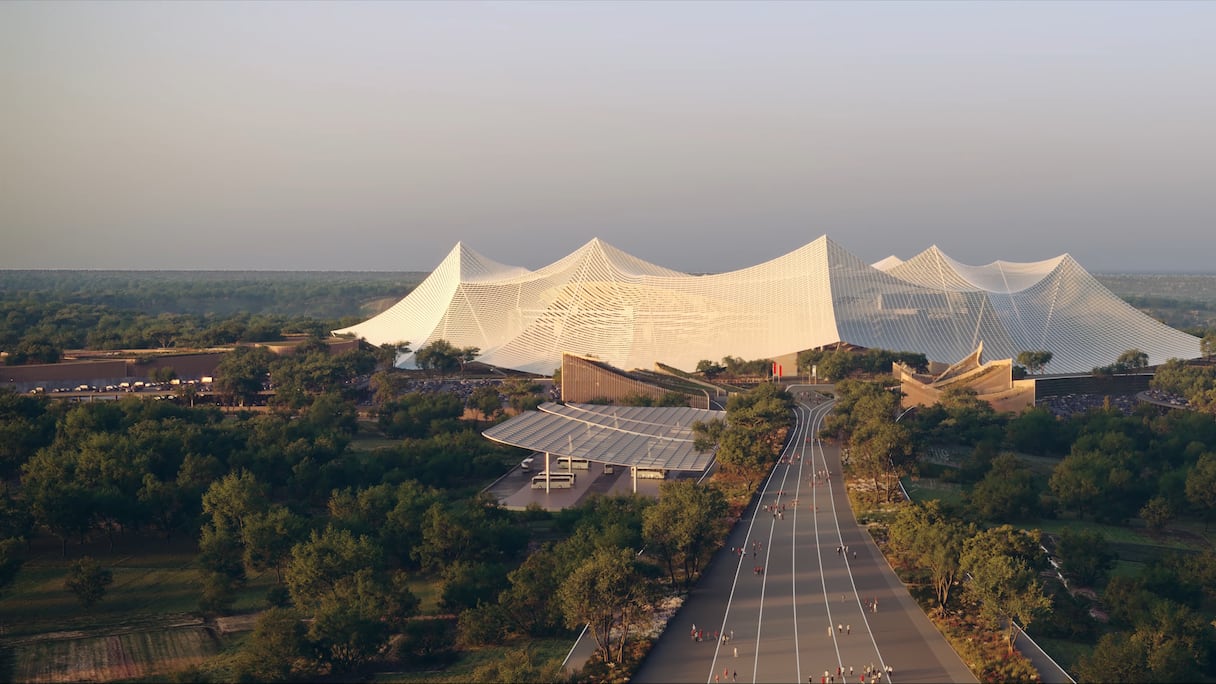
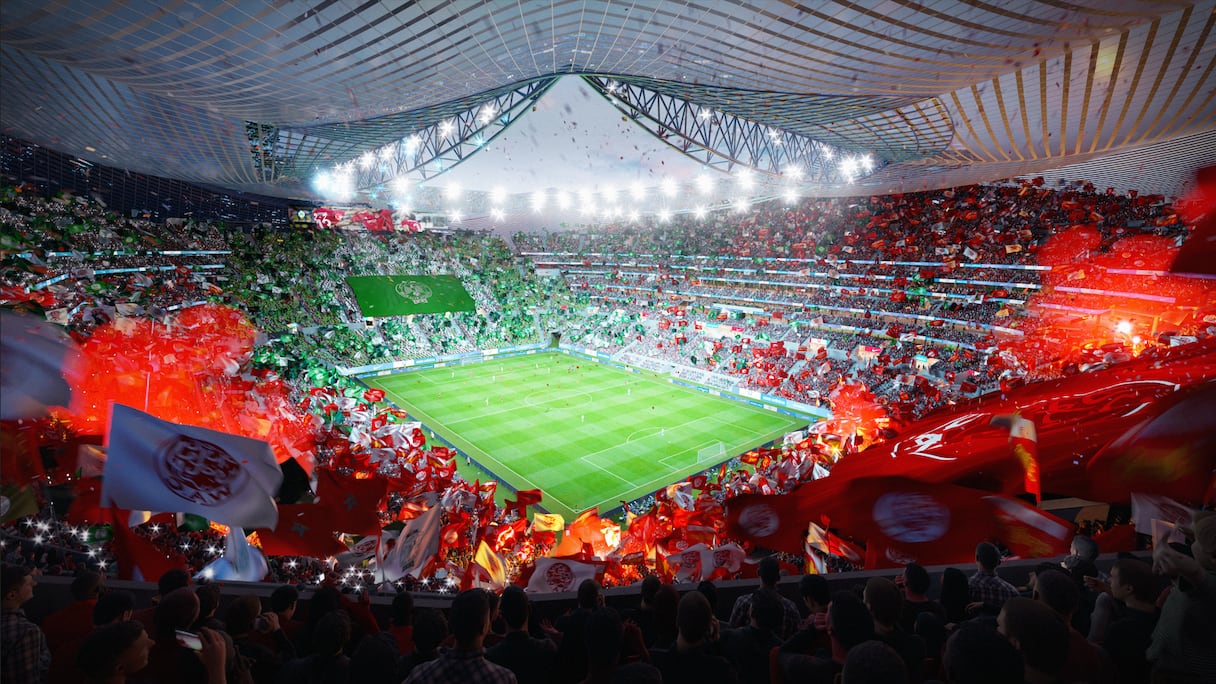
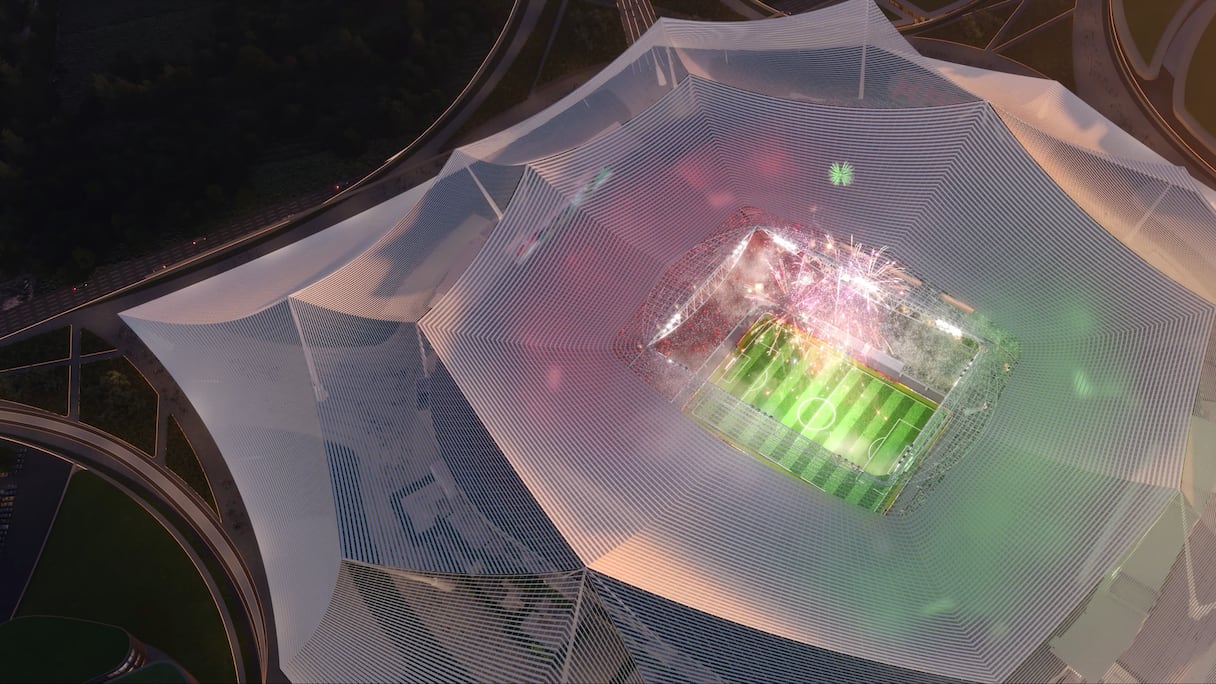

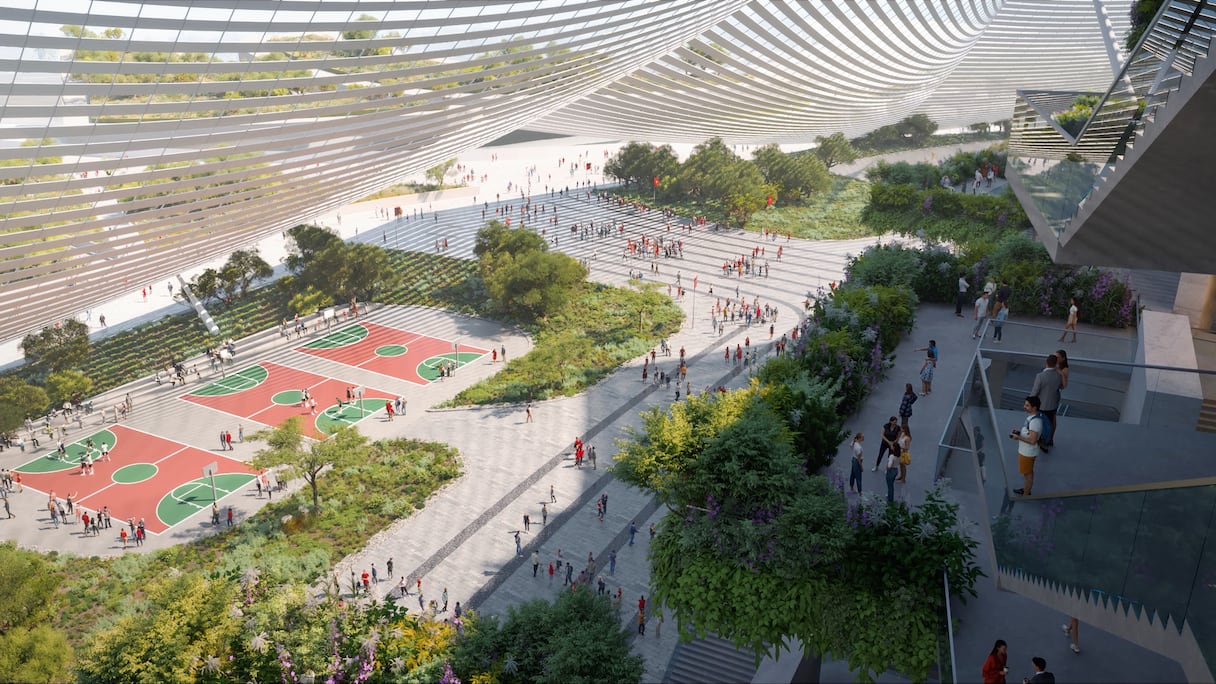
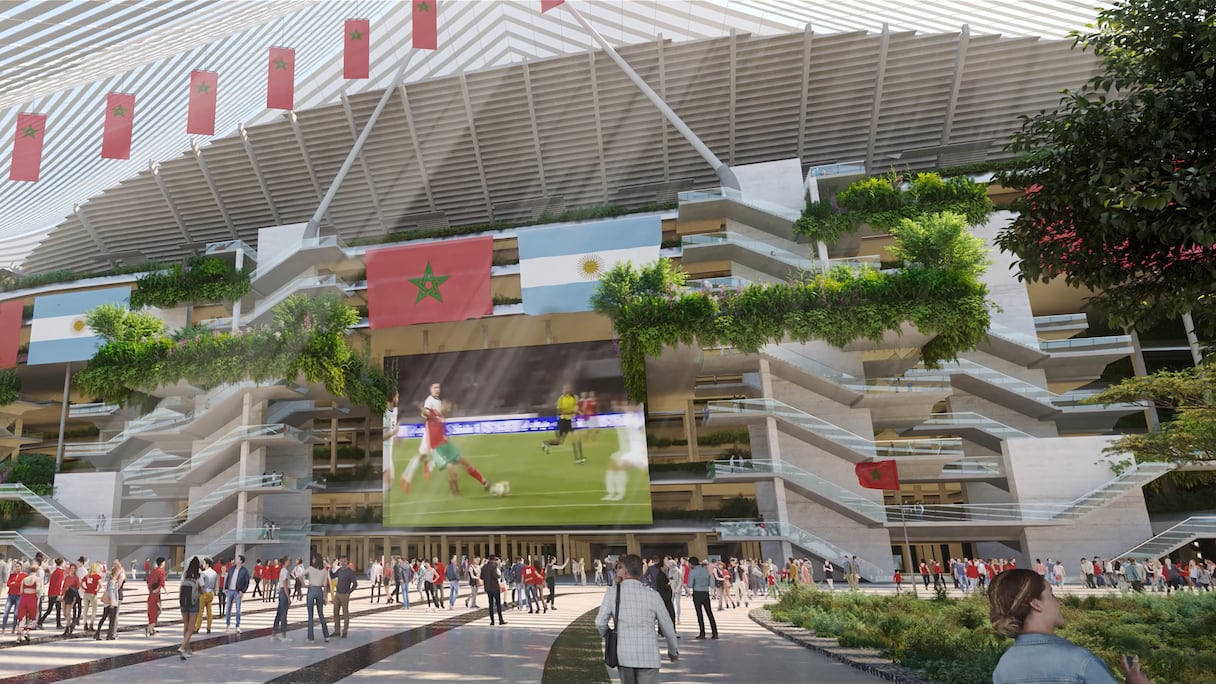
Model of the Grand Hassan II Stadium in Benslimane.
The upcoming FIFA inspection tour could also provide greater clarity on one of the most closely contested issues surrounding the World Cup: the allocation of the final.
Spain has stepped up its public campaign in recent weeks to defend its bid. From Spain coach Luis de la Fuente to RFEF President Rafael Louzán and Pedro Sánchez, the message has been repeated: Madrid wants to host the final match of the 2030 World Cup.
“We won a World Cup in South Africa, we won a World Cup in the United States. It is high time for Spain to win a World Cup at home. We will do everything to make that happen, have no doubt about it. We have all the necessary conditions for the final to be held in Spain,” Pedro Sánchez recently said.
Rafael Louzán was even more categorical. Asked where the final would be played, the head of the Spanish federation said: “Where else would it be played if not in Spain?”
The decision now rests with FIFA. Before weighing Spain’s and Morocco’s ambitions to host the final, world football’s governing body will first have to visit the sites, inspect the infrastructure, and definitively establish the stadium map for the 2030 World Cup.
