Once upon a time, in 1962, two countries decided to attempt together what neither dared undertake alone. France and the United Kingdom signed an agreement on November 29. Their ambition was to build an airliner capable of flying at more than twice the speed of sound.
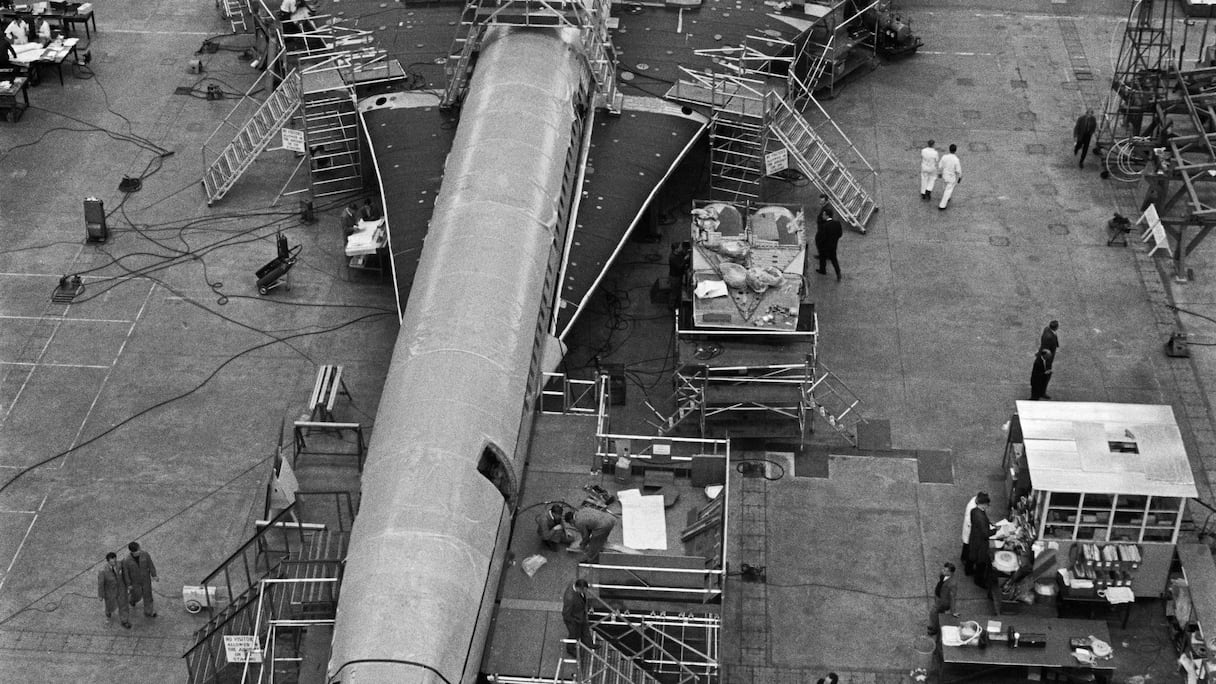
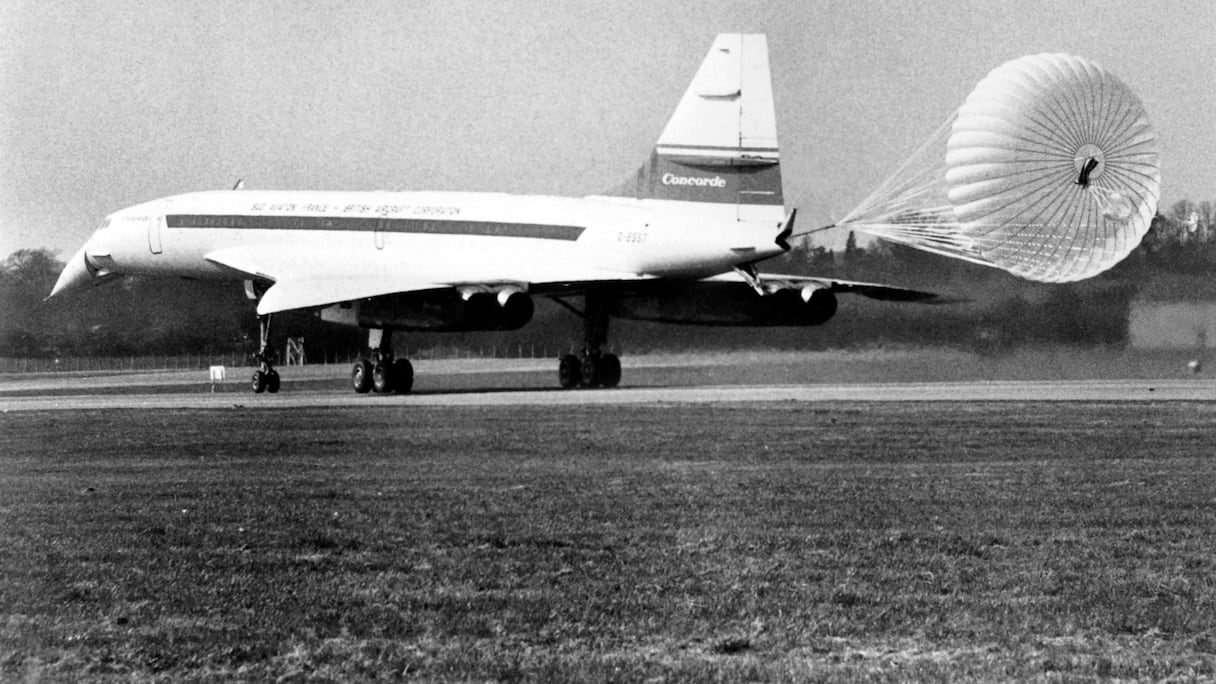
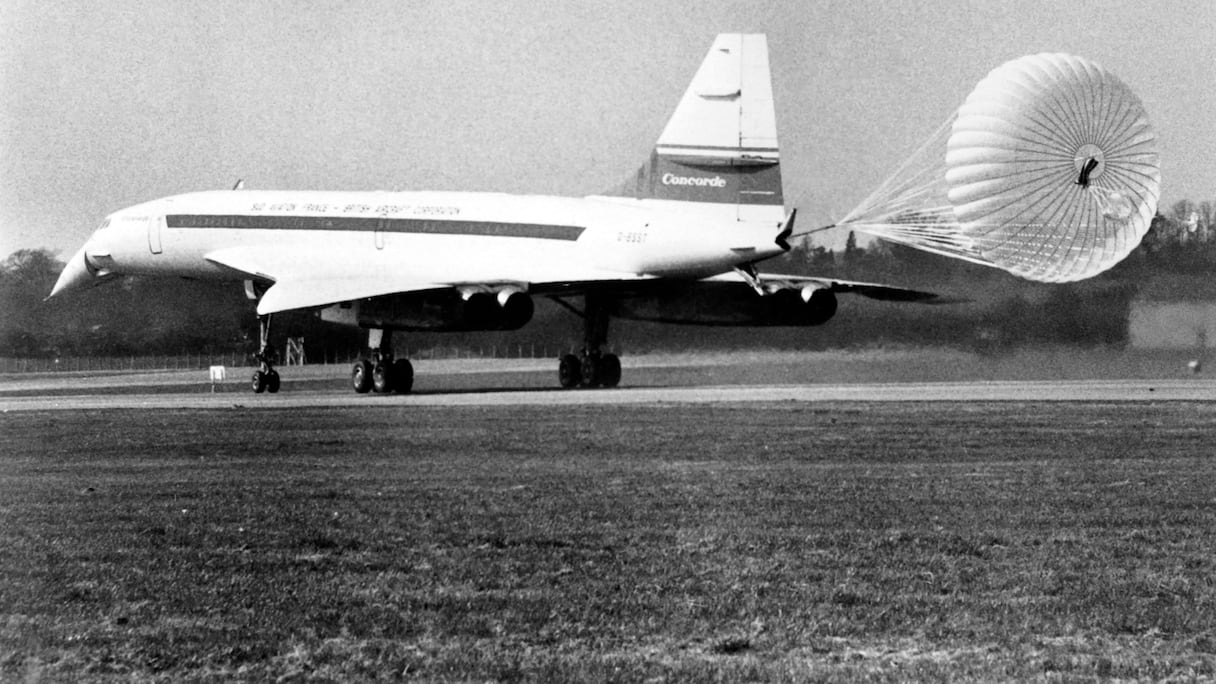
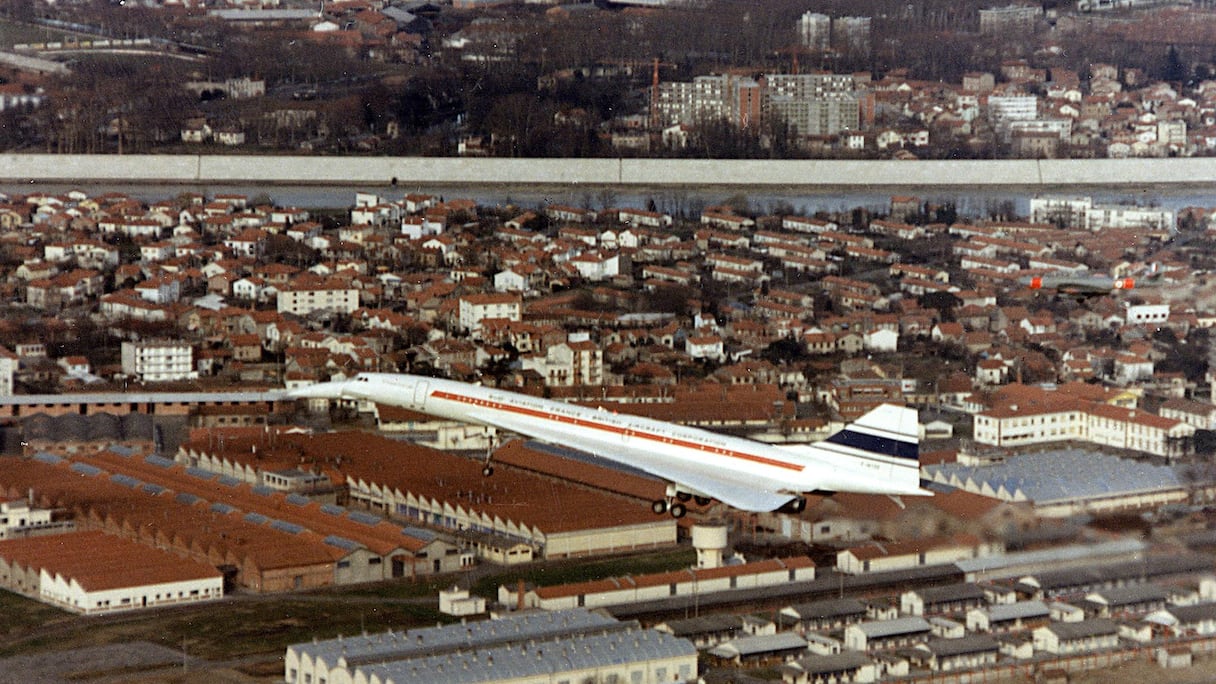
Sud Aviation on one side and the British Aircraft Corporation on the other set to work. It would take seven years for the first prototype to emerge. On March 2, 1969, Concorde 001 took to the skies over Toulouse, with André Turcat at the controls. On April 9, Concorde 002 lifted off from Filton, England. On November 4, 1970, the aircraft exceeded Mach 2—approximately 2,155 km/h, twice the speed of sound.
A magnificent bird... with a demanding temperament
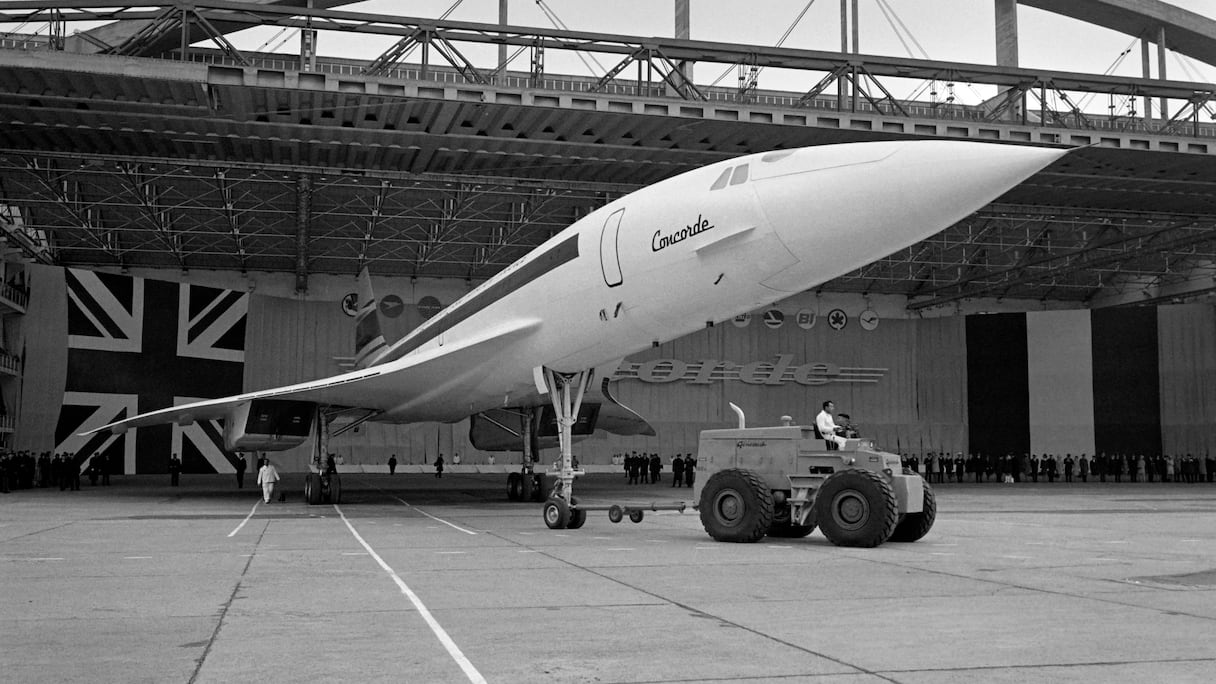
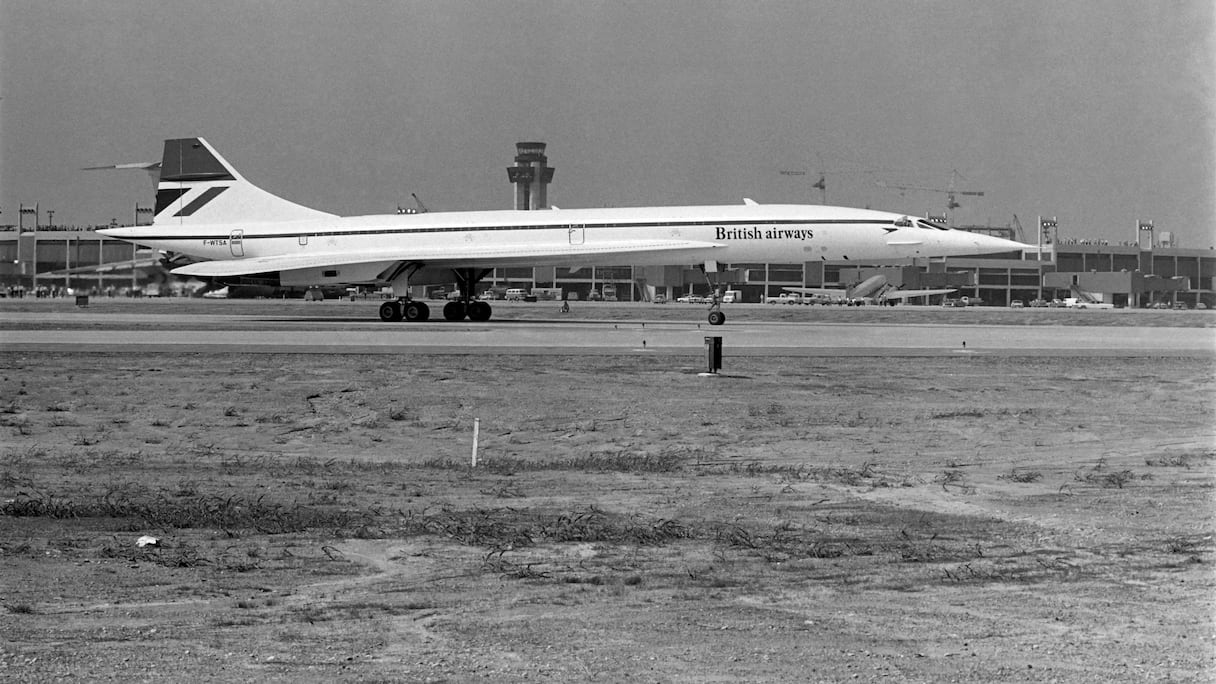
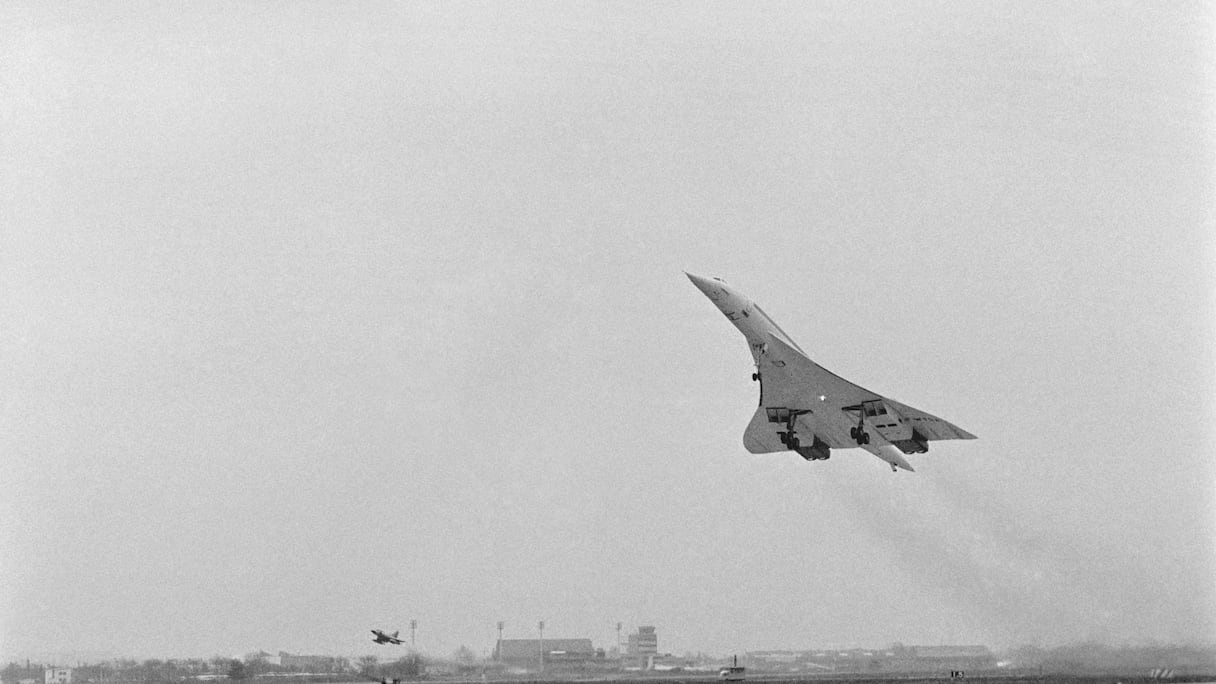
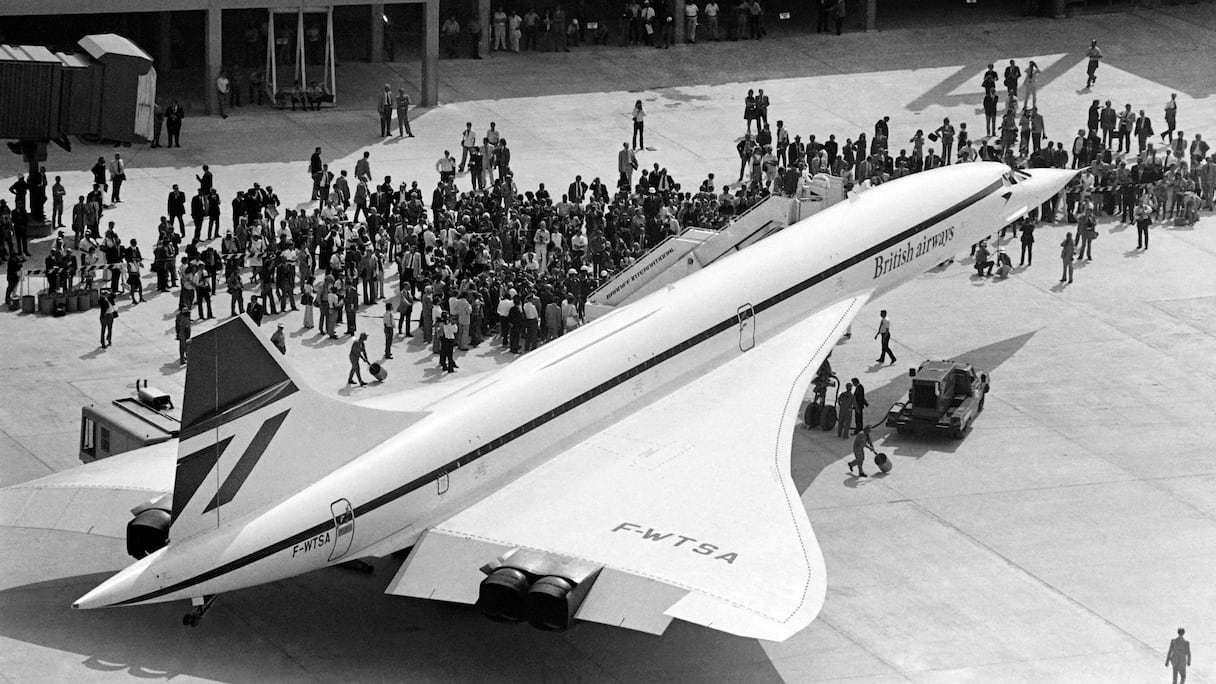
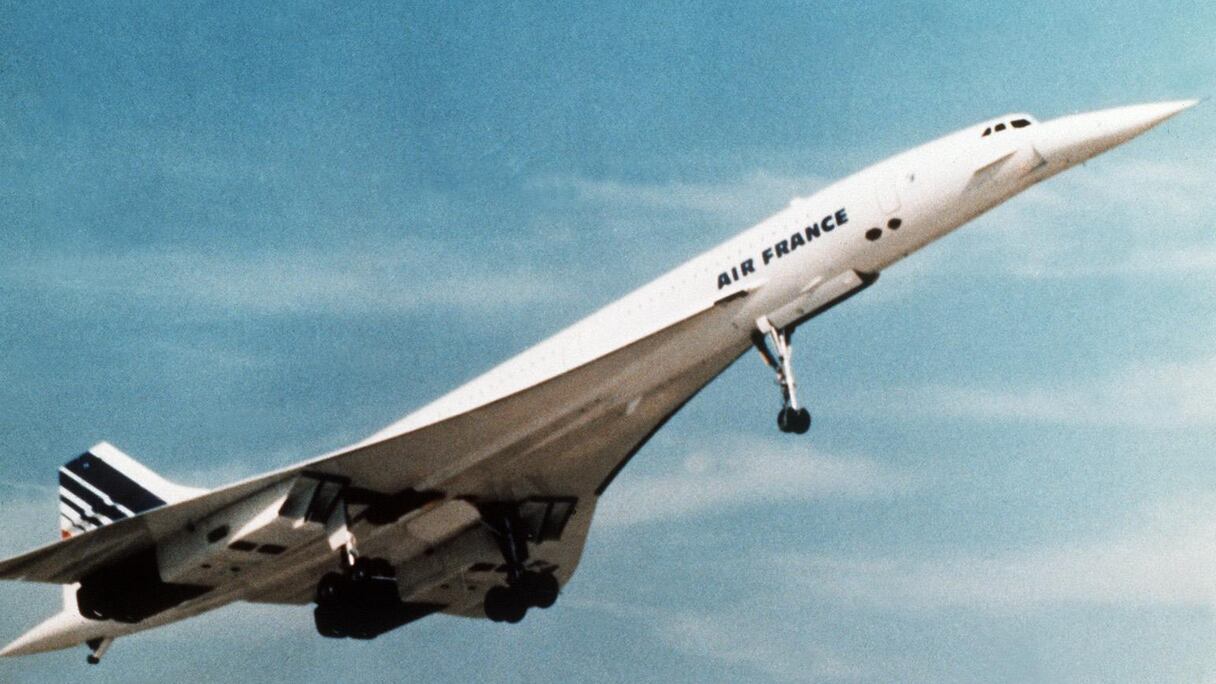
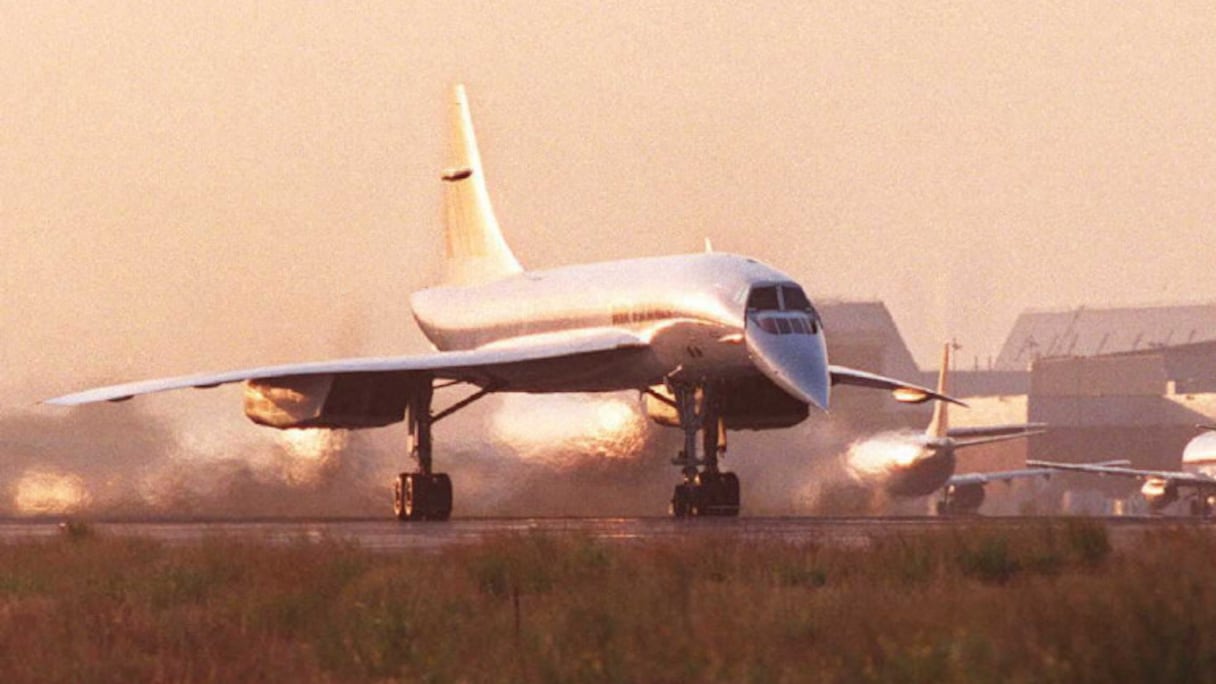
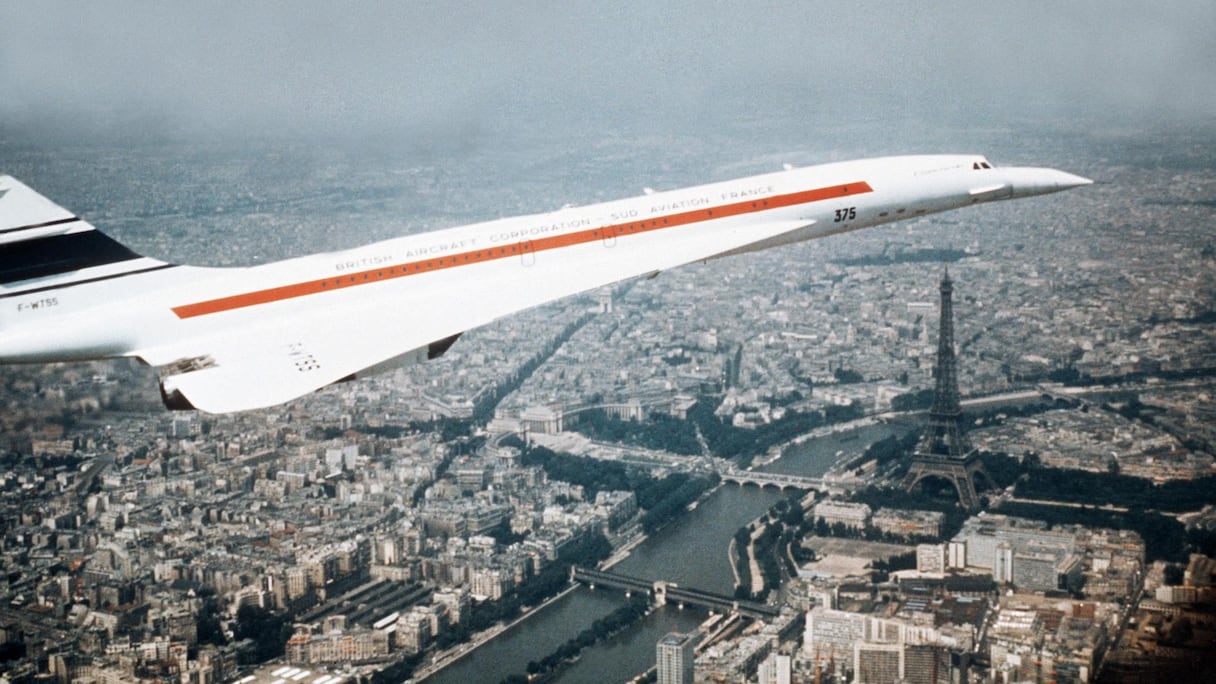
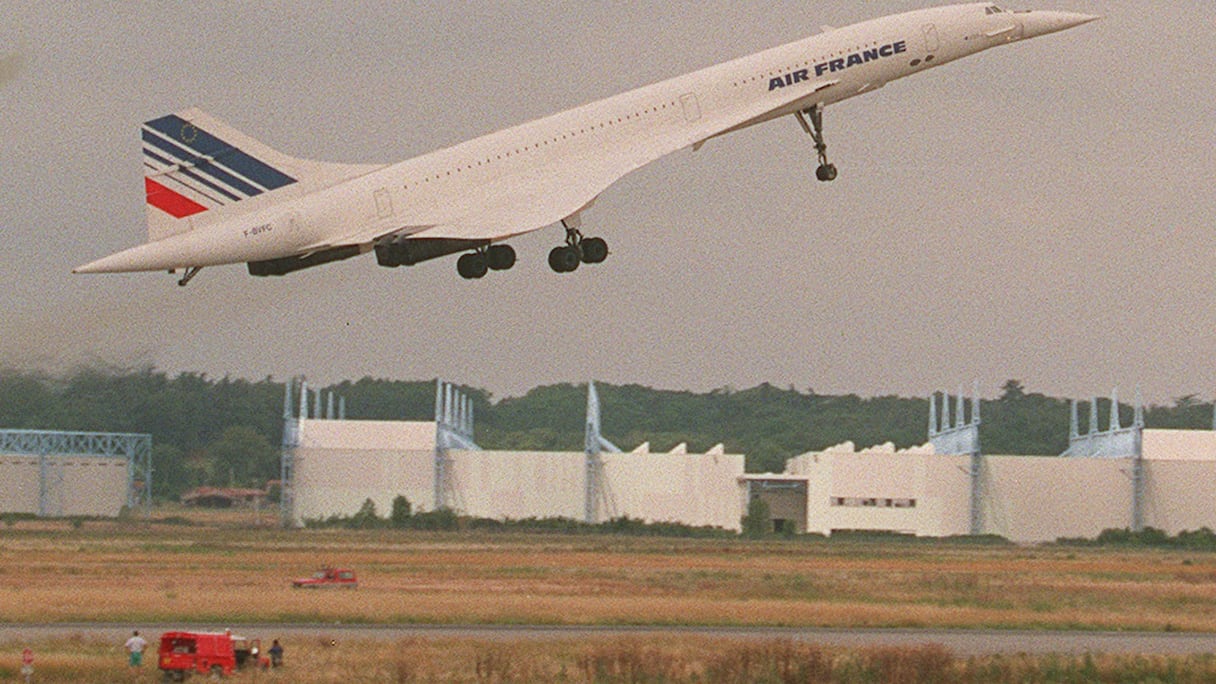
It was a striking aircraft. Sixty-one meters long, with a swept-back delta wing and a nose that dipped for landing and rose again in flight. Four Olympus 593 engines, developed jointly by Rolls-Royce and Snecma, each delivered around 17 tonnes of thrust.
But this bird was demanding. At Mach 2, friction between the air and the aircraft’s skin was so intense that the nose heated to more than 120°C. The fuselage stretched by some 20 centimeters. Engineers had to develop new alloys, fuel systems that shifted the center of gravity in flight, and air intakes capable of slowing the airflow before it reached the engines. Those intakes became the central challenge. Fine-tuning them required flying fast, straight and for long stretches. It called for vast open skies, an exceptionally long runway and weather that would not interfere.
That is where Morocco enters the story. A few kilometers outside Casablanca, Nouaceur carried the legacy of an American military presence. The US Air Force had built a base there for its heavy bombers, complete with a runway some 3,700 meters long. Beyond it lay the Atlantic, with no congested air corridors or cities beneath the flight path. The climate was mild. For the Concorde teams, that was all they needed.
On July 19, 1974, Concorde 002 touched down on the runway. Its stay was brief: just long enough to inspect the runway surface and assess the facilities. Then it departed for Fairford. The verdict was favorable. On October 4, 1974, Concorde 201 arrived for the main test program. Its mission had a technical name: development, adjustment and certification of the air intakes. According to Airbus, it was scheduled to remain until November 27. On October 17, during flight 88, it raced out over the Atlantic and reached Mach 2.23.
Read also : Essaouira airport passenger traffic rises 11.3% in nine months
On October 28, Concorde 202 arrived to join its sibling. The two aircraft shared the runway. Concorde 201 departed first; 202 remained until December 18. Jean Franchi and Gilbert Defer took turns piloting the flights, one in the left-hand seat, the other in the right.
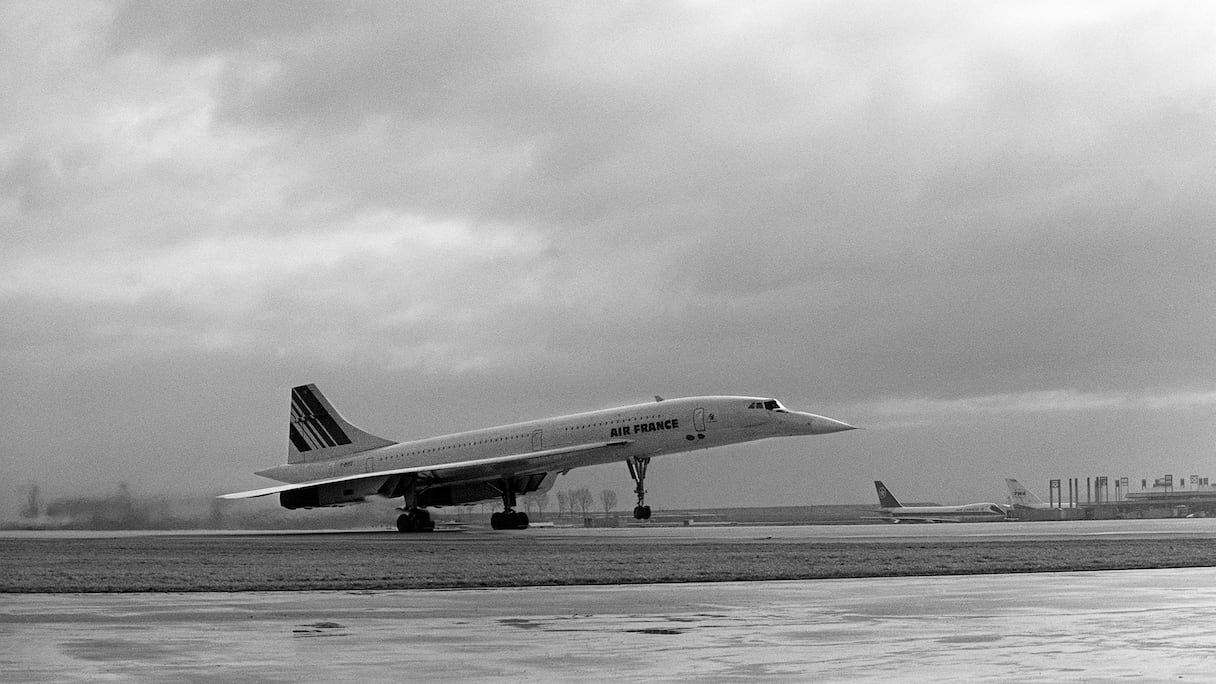
André Turcat, who had flown the first Concorde five years earlier, also passed through Casablanca with Jean Pinet. Both carried out several flights there. And Nouaceur continued to welcome the aircraft. Even after the tests were completed, Concorde did not turn its back on Casablanca. Air France returned from time to time to train its crews: familiarization flights, touch-and-go landings and repeated training circuits. The weather was kinder than in Paris, and air traffic far lighter.
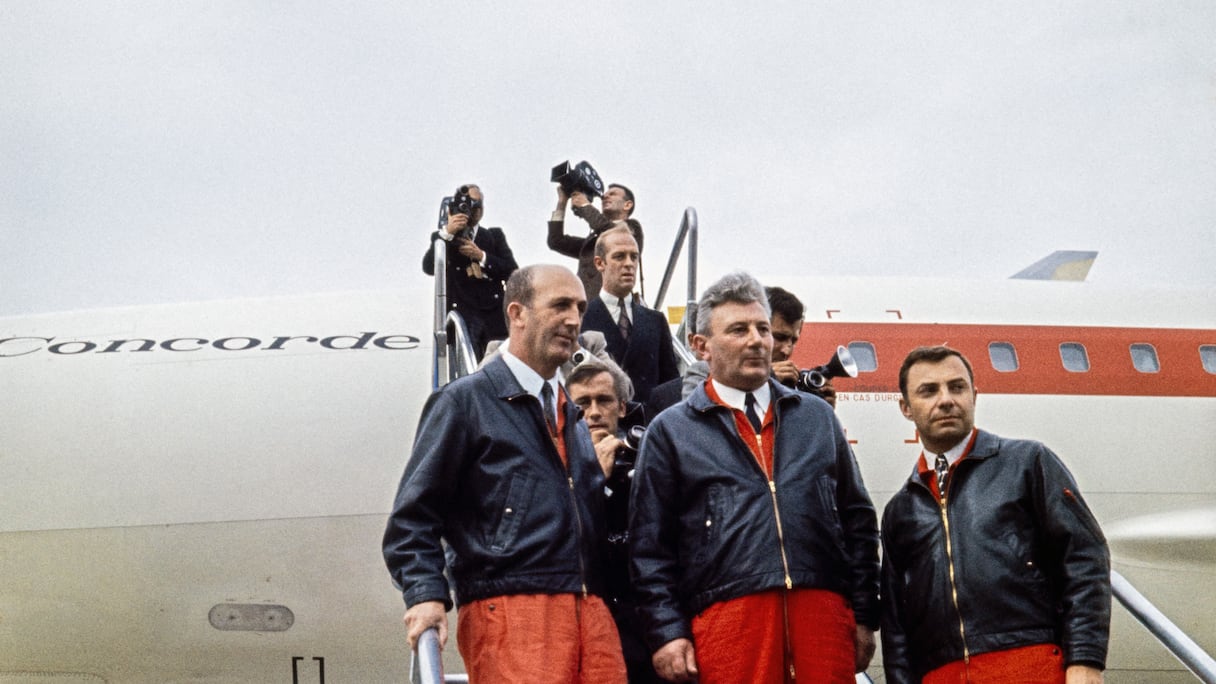
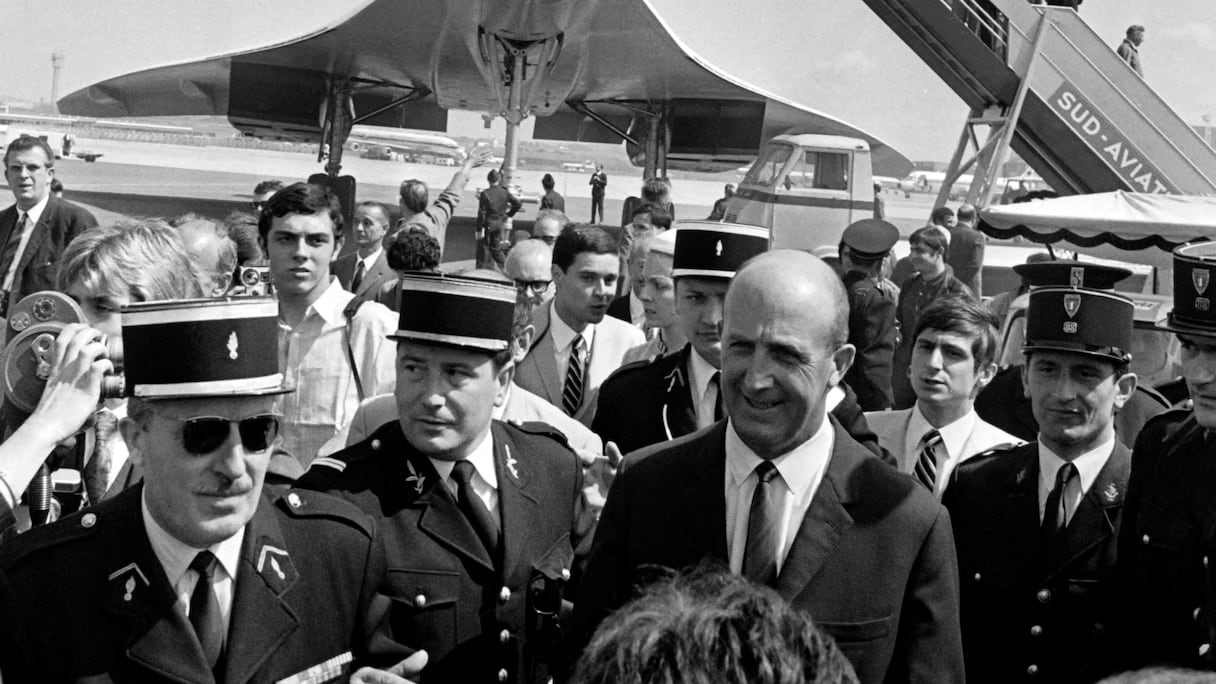
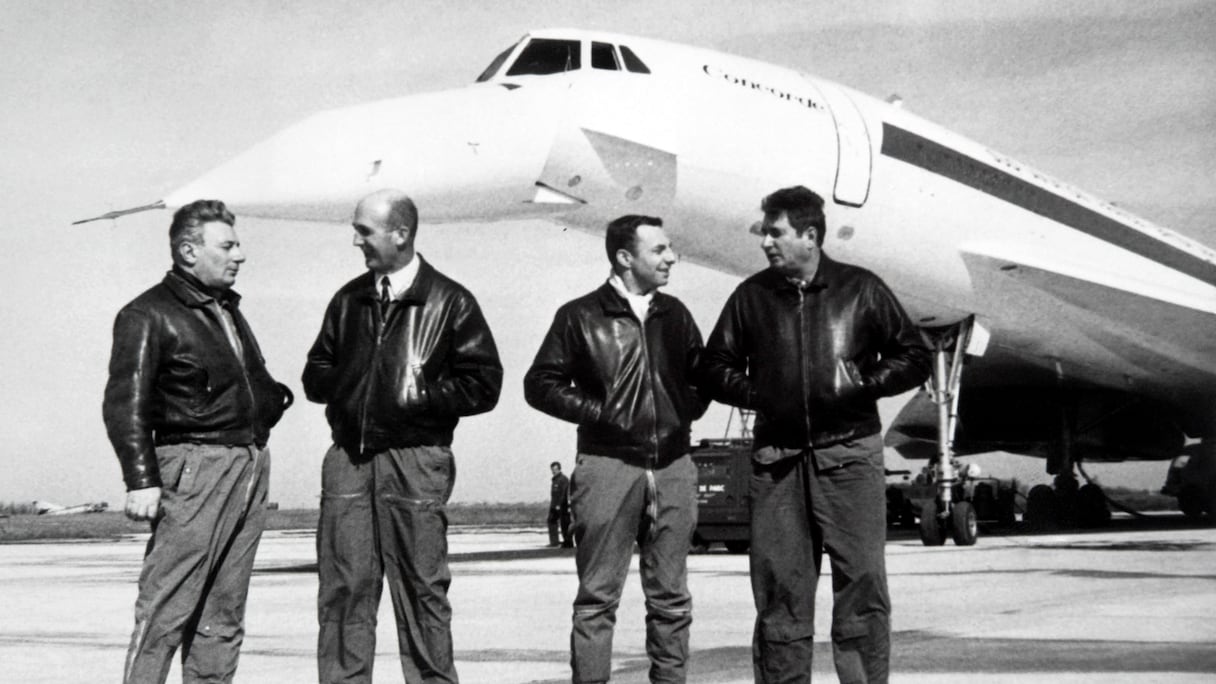
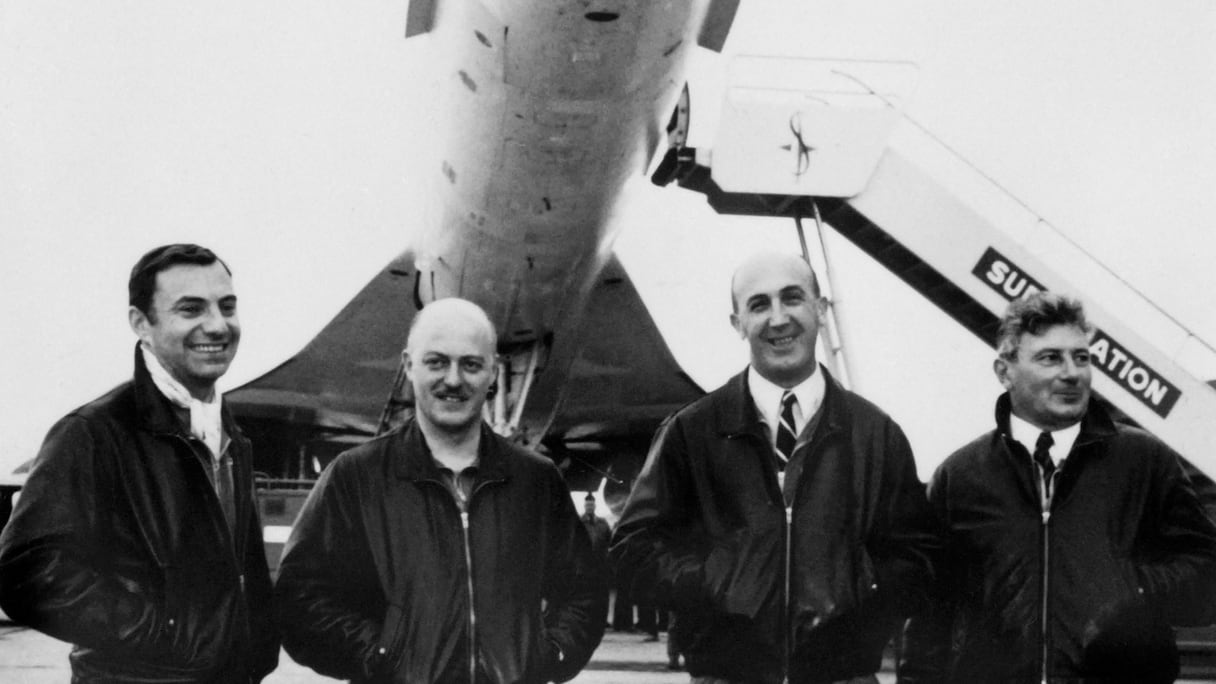
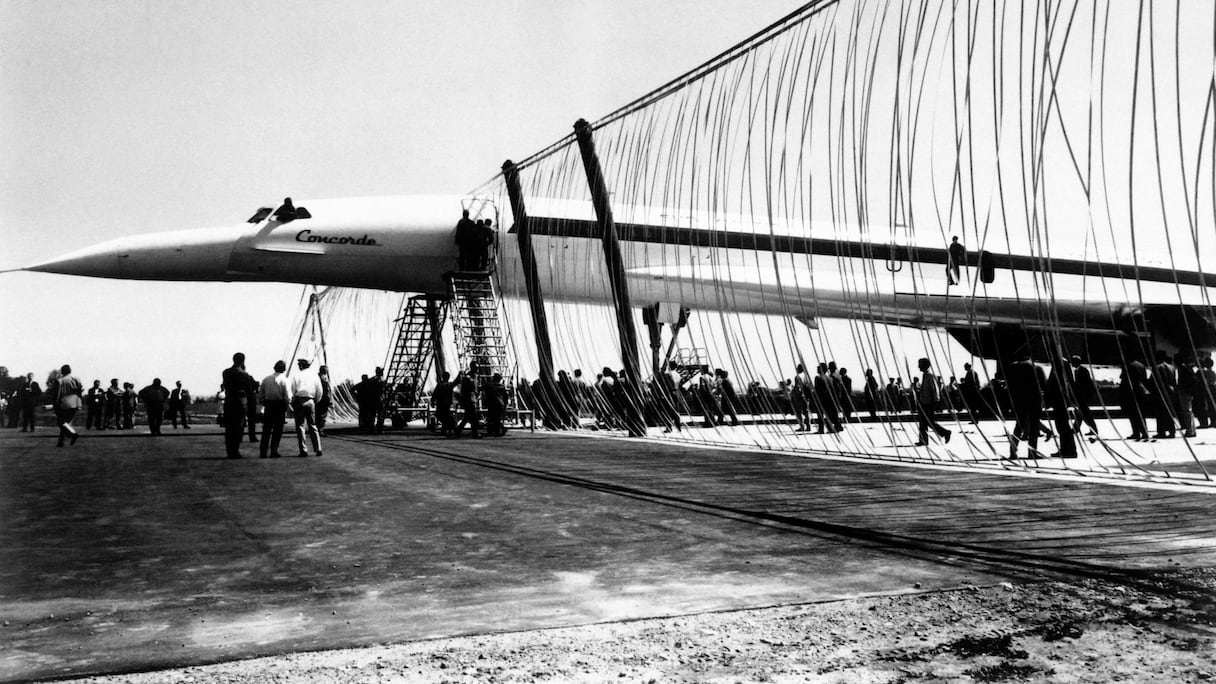
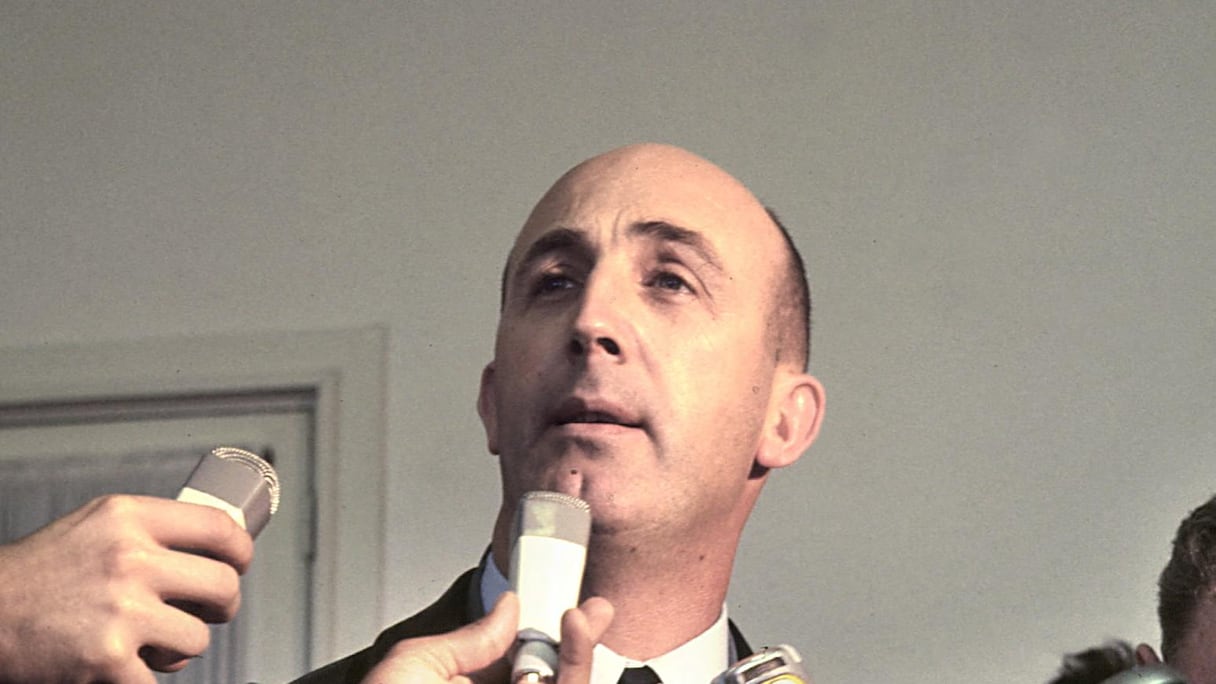
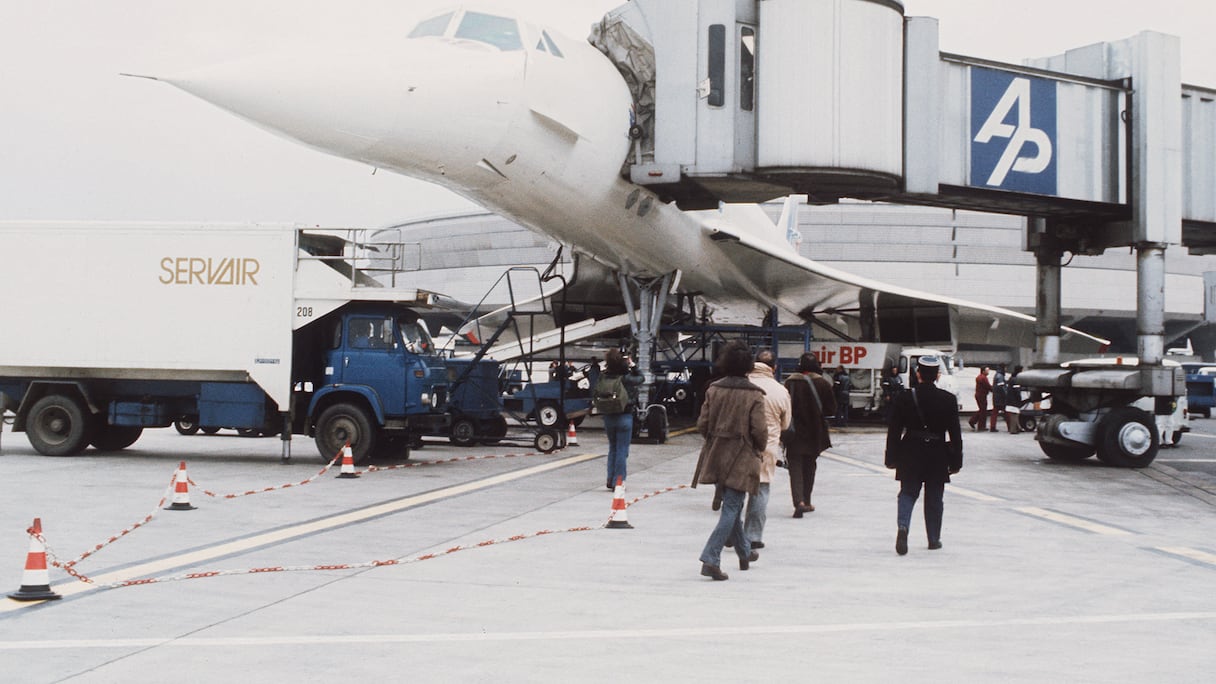
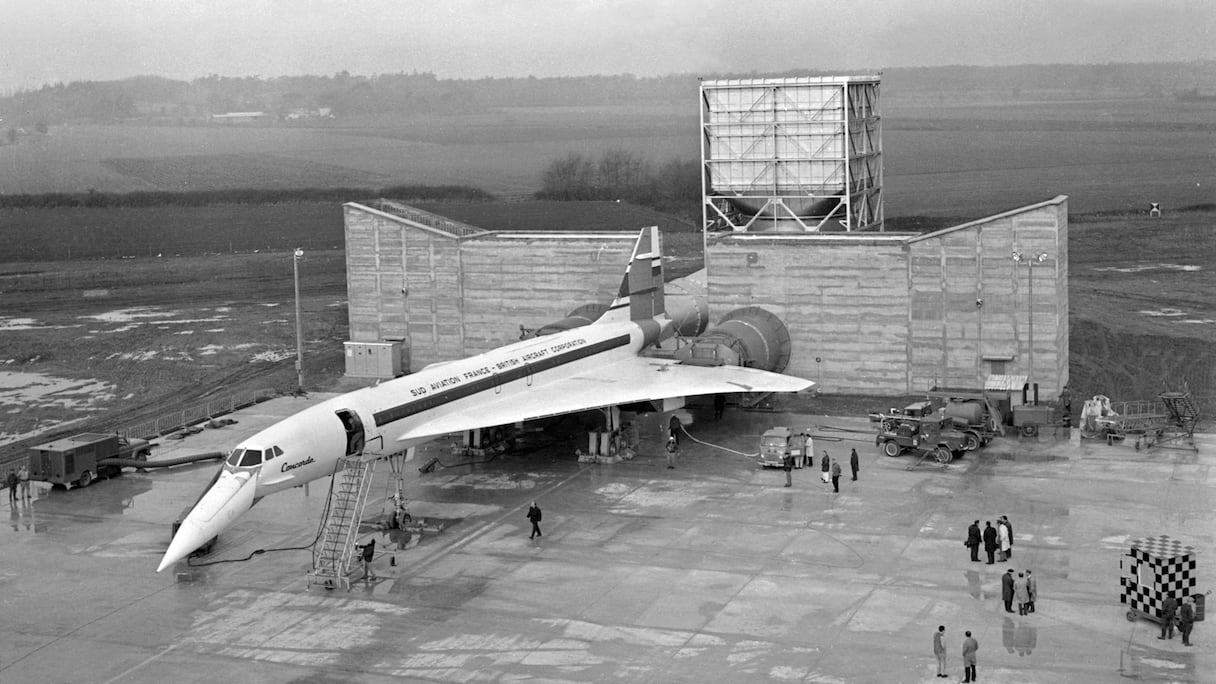
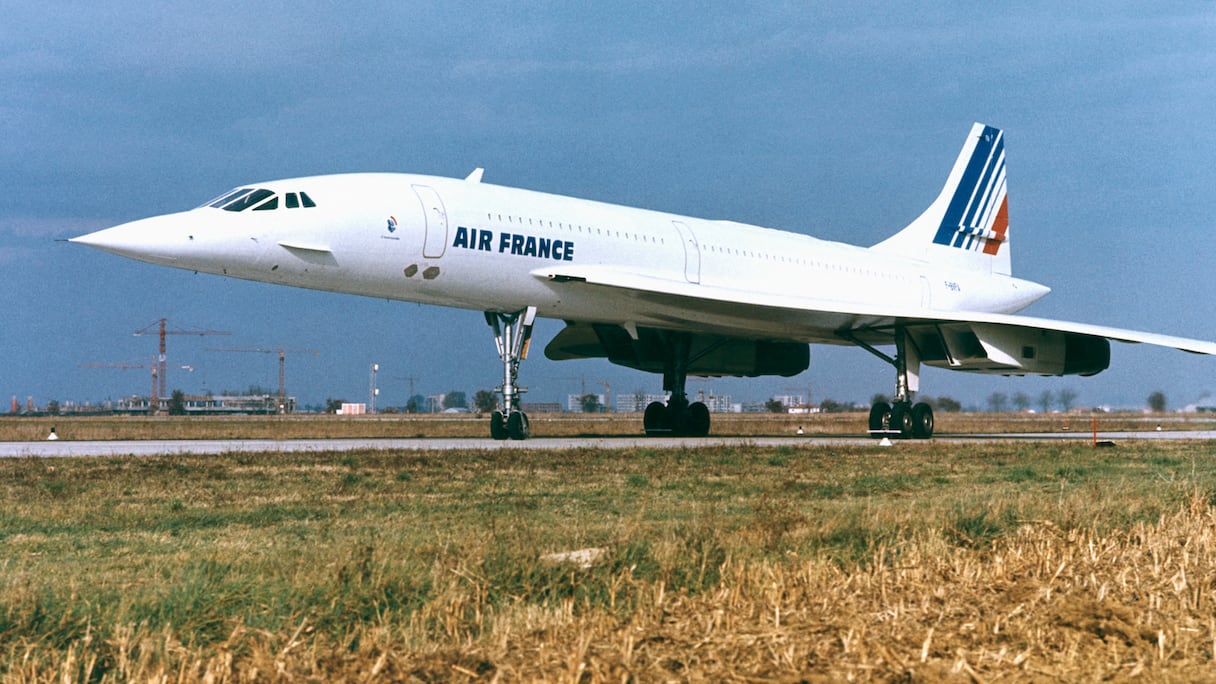
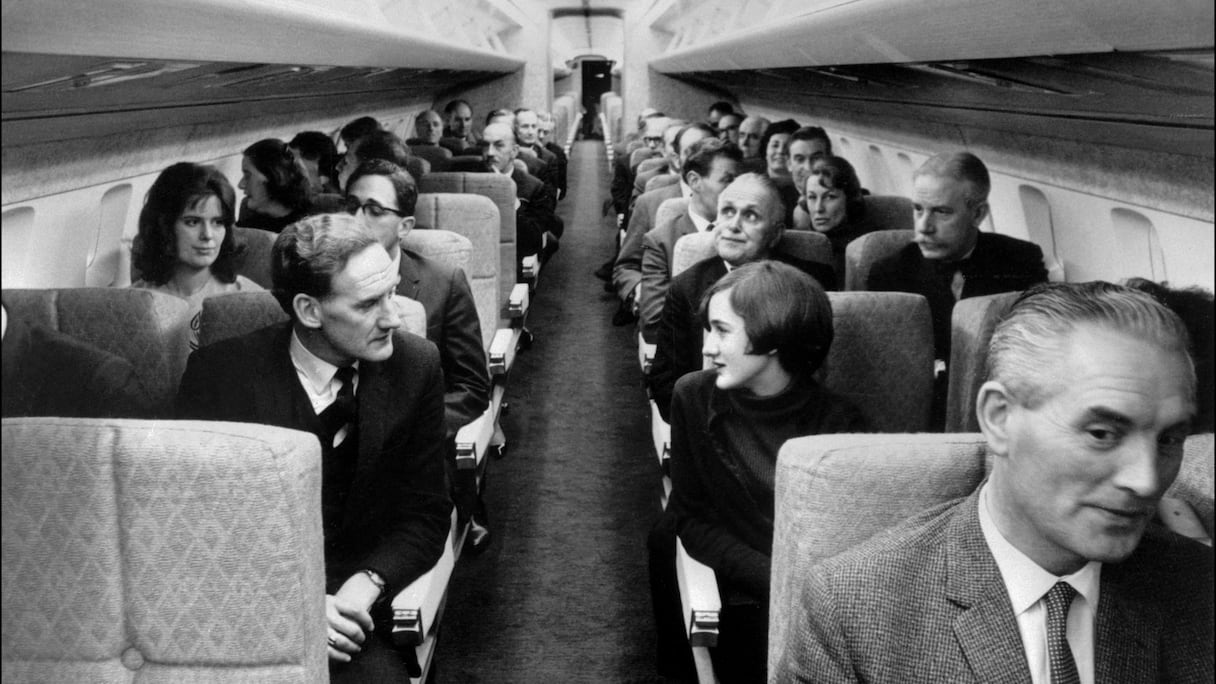
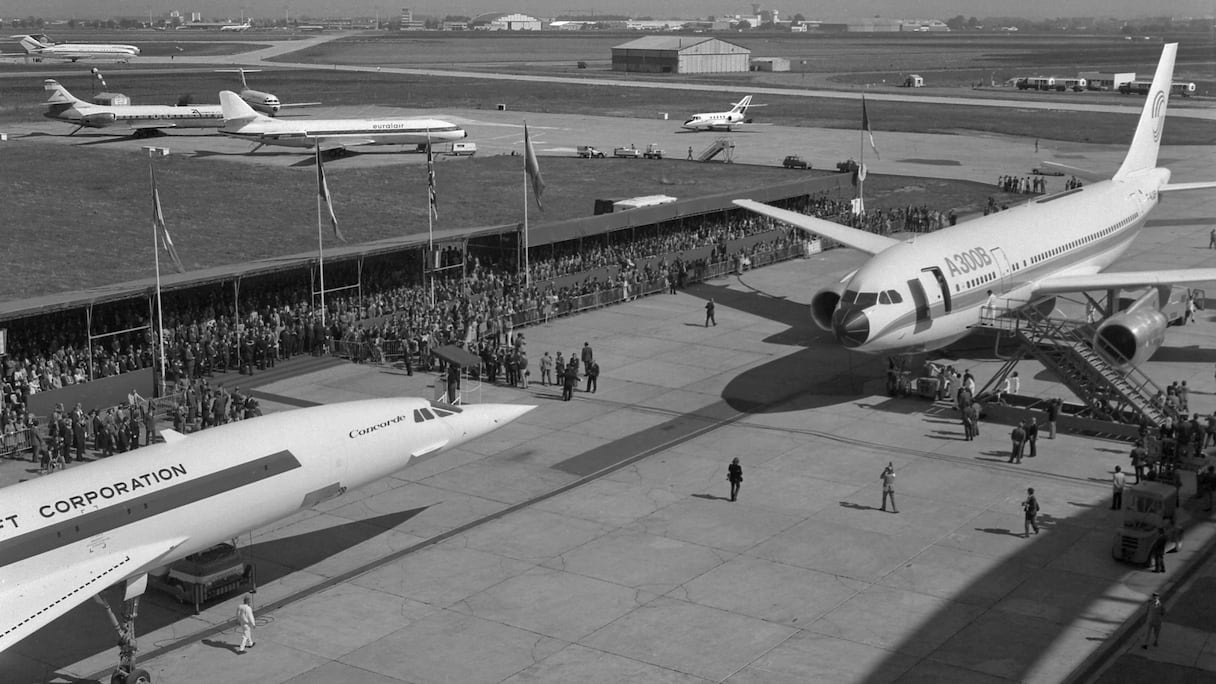
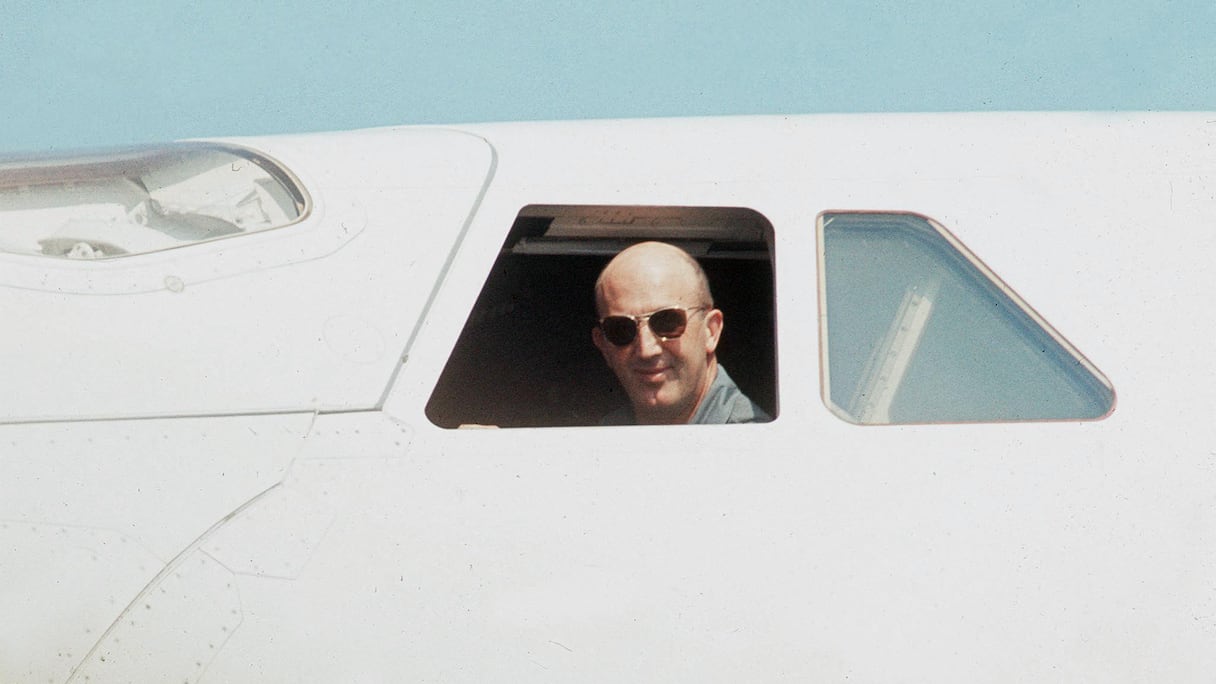
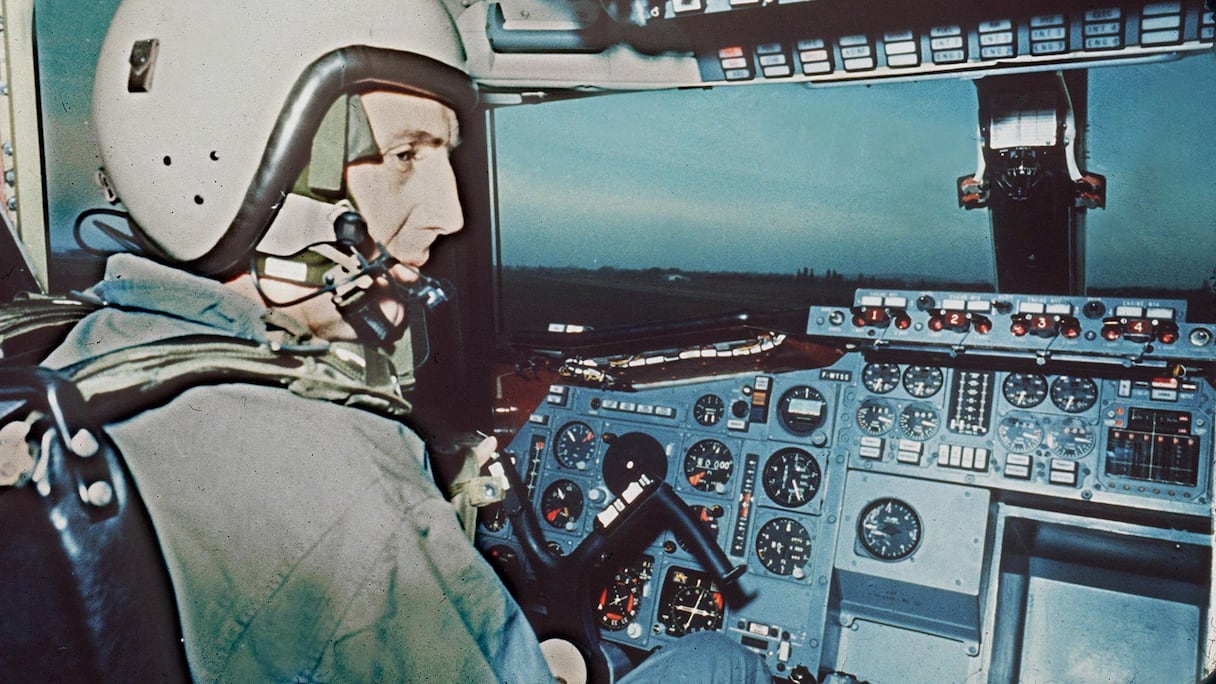
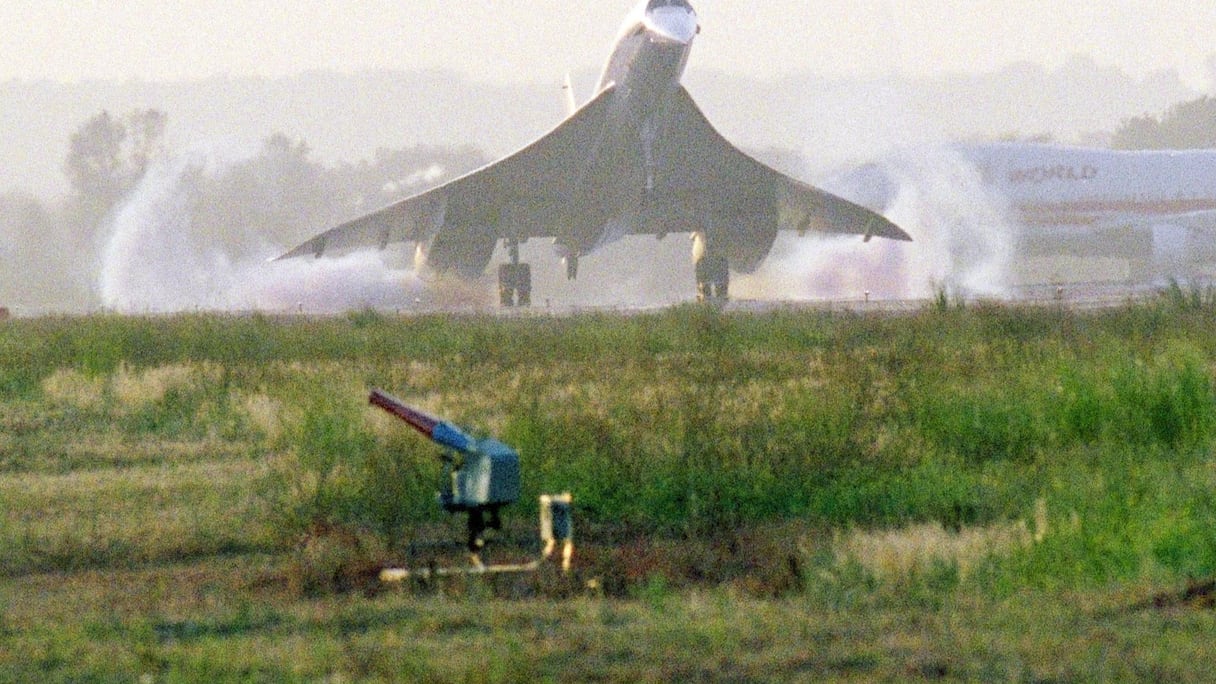
French Concorde chief test pilot André Turcat (left) and engineers Henri Perrier (right) and Michel Rétif (center) pose on the aircraft’s boarding stairs after landing on May 7, 1971, following an experimental flight from Le Bourget to Toulouse.. AFP
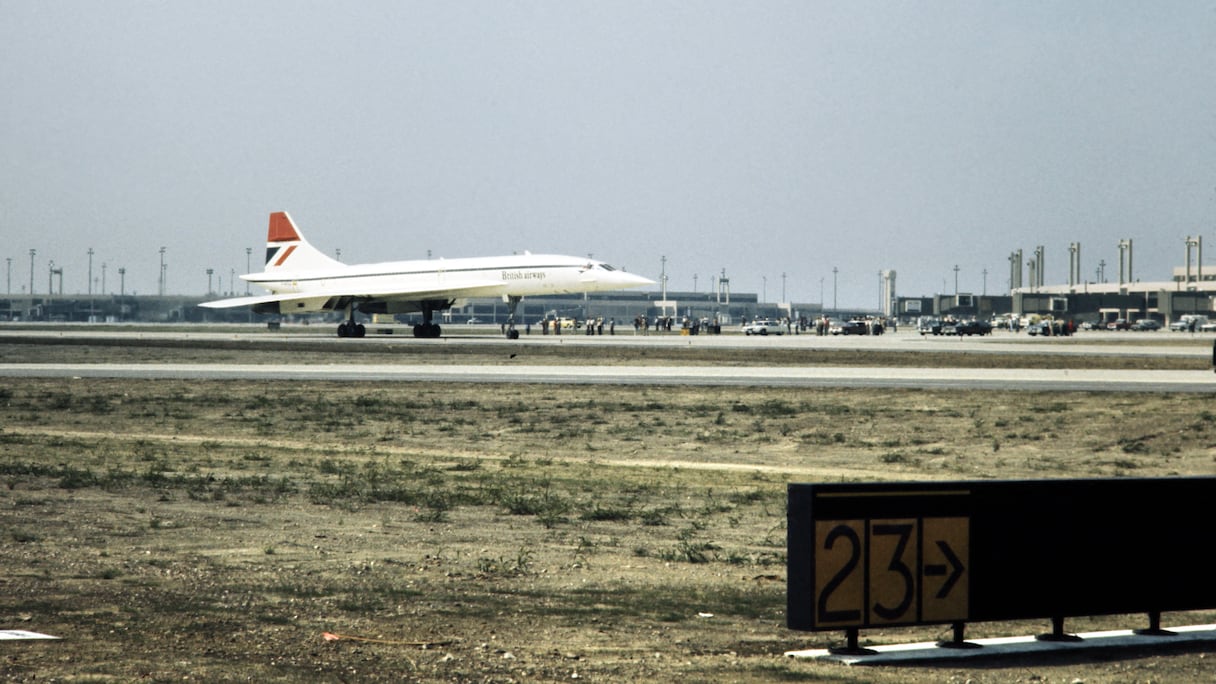
Concorde entered commercial service on January 21, 1976. That same day, Air France launched its Paris–Rio de Janeiro service, while British Airways began flying between London and Bahrain. Twenty Concordes were built in all, fourteen of which entered service with the two airlines. The crash at Gonesse on July 25, 2000, brought operations to an end.
The final commercial flights took place in 2003. Concorde no longer flies. No supersonic passenger airliner has replaced it. At Nouaceur, the runway is still there. It has seen American bombers, then thousands of passenger aircraft, and, for a few weeks in 1974, one of the fastest machines ever flown by human beings.
