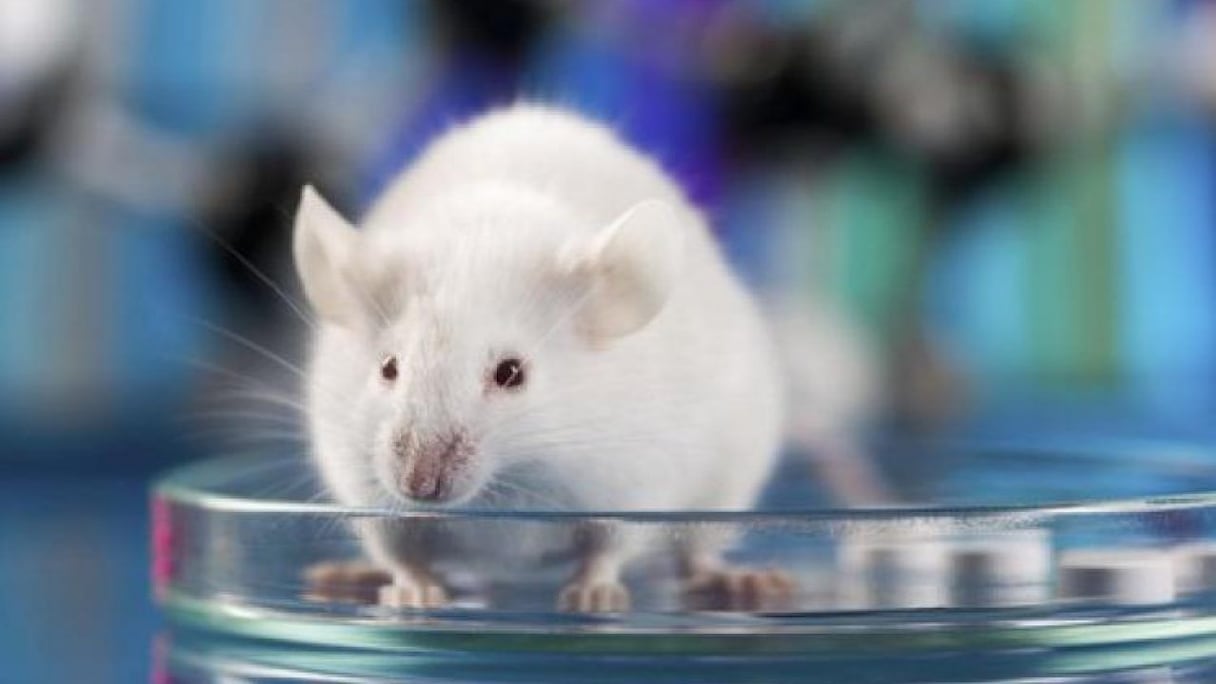
Britain is investing £20 million in a new Cambridge research hub that will develop miniature models of human organs and tissues from NHS patients’ cells, alongside nine other projects aimed at developing alternatives to animal testing in medicine.
The Pre-clinical Translational Models Hub, announced by the UK government on Aug. 12, is part of a wider £22 million investment in technologies designed to test medicines using human biology.
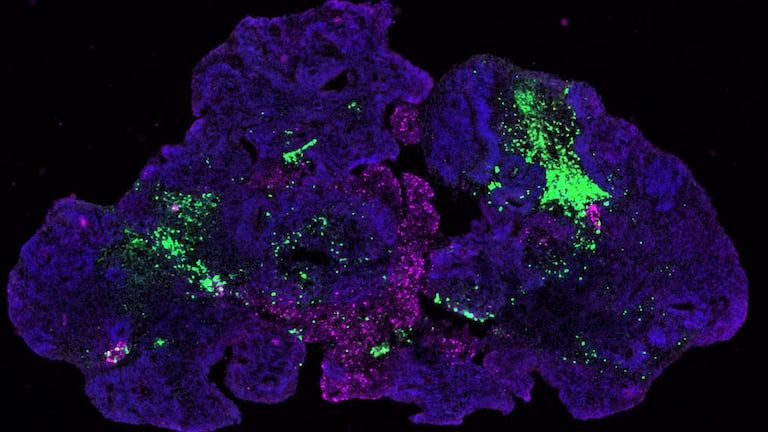
The Cambridge hub will develop and share models of human tissues grown from cells donated by NHS patients. Researchers will use organoids, which are small, simplified versions of tissues and organs such as the gut, brain and tumors, to study diseases and test potential treatments.
Because the organoids are derived from human cells, researchers can examine biological characteristics specific to individual patients and study how those tissues respond to medicines.
The models are intended to provide additional information alongside existing methods and help researchers determine which potential treatments are worth pursuing before they enter later stages of development.
The hub will be co-led by the MRC Laboratory of Molecular Biology and the Wellcome Sanger Institute and will draw on a Cambridge research community of around 60 principal investigators. It will be based at the Cambridge Biomedical Campus, close to NHS and industry partners including AstraZeneca and GSK.
Nine projects target animal testing
Alongside the Cambridge hub, Innovate UK is providing up to £2 million for nine projects developing new methods of animal-free scientific testing.
The projects include research into beating human heart cells grown in a laboratory, lab-grown human ear models and artificial intelligence systems designed to predict how medicines move through the body.
At CN Bio, researchers are developing miniature working models of human organs small enough to fit on a microscope slide. The models are designed to allow researchers to study how medicines move through and interact with the body.
Another project, led by Vivosphere UK, is developing human heart tissue in the laboratory, building on its existing work with tumor and liver models. The research aims to identify potentially harmful effects of treatments at an earlier stage.
The Innovate UK funding is the first phase of a two-stage competition focused on developing validated non-animal pharmacokinetic and cardiovascular safety tests. The second phase will support the projects considered most promising for real-world use.
2.54 million animal testing procedures in 2025
The investment comes as the UK seeks to reduce its reliance on animal testing. Government figures show that 2.54 million procedures involving animals were carried out in Great Britain in 2025, down 3.8% from 2024.
The government said it will publish a further update on its Replacing Animals in Science Strategy later this year, alongside key performance indicators.
The Cambridge hub is part of that strategy and also supports the government’s AI for Science Strategy and its Life Sciences Sector Plan under the Modern Industrial Strategy.
The UK government said the country’s life sciences sector generates around £147 billion in turnover and employs about 360,000 people.
Professor Matthias Zilbauer of the University of Cambridge said patient-derived organoids and other new approach methodologies could allow researchers to study diseases more accurately and test treatments before they reach clinical trials.
The government said the new projects are intended to help develop treatments for diseases including cancer and inflammatory bowel disease, while reducing the need for animal testing where alternative methods can be used.
