The report, titled Changing tactics, changing targets: the evolving nature of museum heists, examines recent cases and identifies a shift away from the stealth and deception traditionally associated with cultural property theft.
Museum theft has generally been considered a relatively non-violent form of organized property crime. Criminals have often relied on reconnaissance, deception and carefully planned operations designed to avoid detection.
Recent cases point to a different approach.
Europol said thieves are increasingly using sledgehammers, axes, crowbars and, in some cases, explosives to break into museums and smash display cases. Some offenders have also used firearms to intimidate security staff and visitors, while others have physically assaulted or restrained museum employees.
One example cited in the report occurred in January 2025 at the Drents Museum in Assen, the Netherlands. Thieves detonated explosives at the museum entrance before stealing several Dacian archaeological artefacts, including the Golden Helmet of Coțofenești and three gold bracelets. The helmet and two bracelets have since been recovered and returned to Romania.
In France, four masked suspects armed with baseball bats and axes stormed the Cognacq-Jay Museum in 2024 and stole seven gold and diamond-adorned objects before escaping on scooters.
Read also : The Louvre reopens Apollo Gallery without crown jewels after $102 million robbery
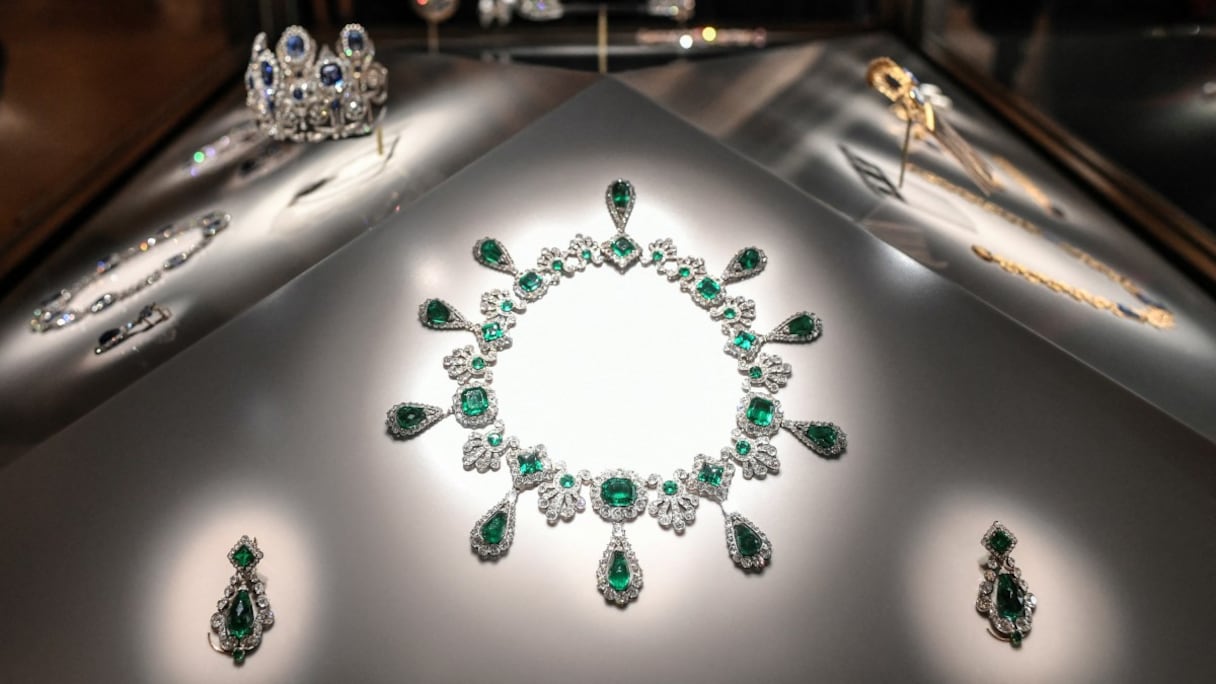
The Louvre was also targeted in October 2025. Thieves broke a window, threatened guards and visitors, smashed display cases in the Apollo Gallery and stole jewellery estimated at €88 million.
Europol said the use of force in these cases was closely linked to targeted operations, indicating that criminals had identified specific objects in advance and planned the attacks.
Gold, jewellery and Chinese artefacts among key targets
The change is also visible in what thieves are choosing to steal.
Over the past two years, Europol has recorded repeated thefts involving gold, silver, jewellery and other objects containing precious stones. Chinese cultural artefacts have also emerged as targets, including historic porcelain and objects from the Ming and Qing dynasties.
The report says financial value and demand in illicit markets appear to be the main drivers behind the selection of these objects.
Gold is attractive to criminals because it can be melted down, making it harder to trace and easier to sell. Precious stones can also be removed from jewellery and sold separately.
Ancient Chinese porcelain, meanwhile, can command strong demand on the art market, making it attractive to cultural goods traffickers.
The cases reviewed by Europol involved deliberate, targeted thefts rather than indiscriminate looting. Reconnaissance and preparation were common features.
New criminals entering the market
Europol also points to changes in who is carrying out museum heists.
Traditional cultural-property traffickers tend to operate through structured criminal networks and generally avoid violence. The emerging profile described in the report is different.
Some suspects in recent cases have links to other types of crime. Others appear to have been recruited locally through social media and messaging platforms, sometimes without previous connections to the people they worked with.
Europol says these groups may be assembled on an ad-hoc basis under a “crime-as-a-service” model, with individuals recruited simply to carry out a particular theft.
Another possibility is that established criminal actors from other markets have recognized the potential of museum heists, which can offer valuable targets and what criminals may perceive as relatively weak security.
Europol tracks the changing threat
Europol’s European Serious and Organised Crime Centre supports investigations into the illegal trade in cultural goods by providing operational, analytical and coordination assistance to European law enforcement agencies.
Read also : New Museum in Fez explores centuries of Moroccan history through currency
The agency also cited a November 2025 operation in which authorities from several European countries, supported by Europol, dismantled a criminal network involved in trafficking cultural goods across Europe and beyond.
The network dealt in antique gold and silver coins and other antiquities. An operational task force helped investigators exchange information, identify links between suspects in different countries and locate additional artefacts believed to have been trafficked.
Europol said continued monitoring of these cases is needed as museum thefts evolve from discreet cultural-property crimes into increasingly organized and, in some cases, violent operations.
