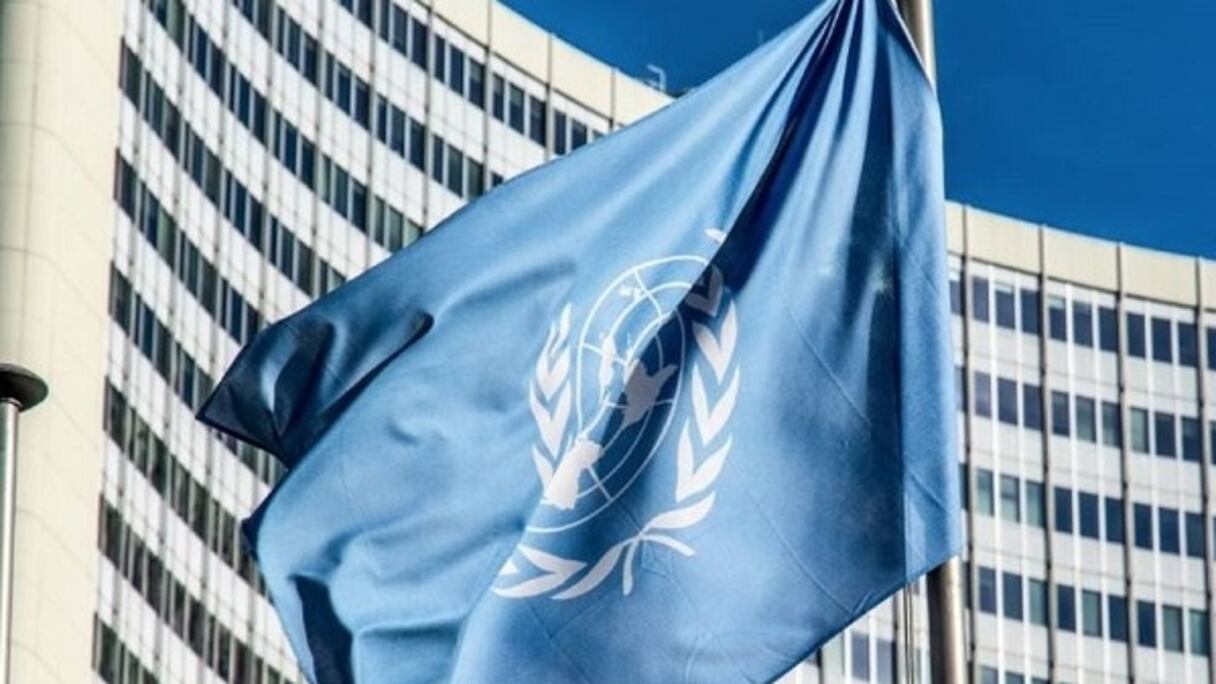
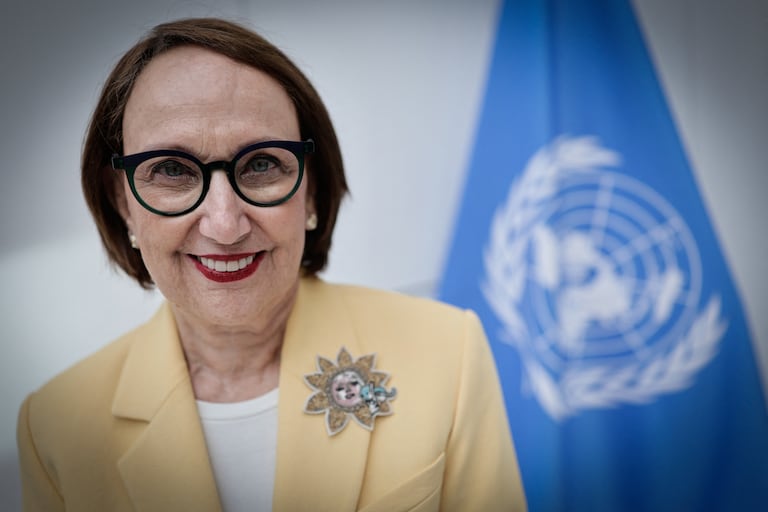
The 15-member council is expected to use the secret straw poll to gauge support for the candidates before the selection process moves toward a final decision. Costa Rica’s Rebeca Grynspan emerged as the early front-runner in the first informal vote held in July.
The current field includes Argentina’s Rafael Grossi, head of the International Atomic Energy Agency; Grynspan; Ecuador’s María Fernanda Espinosa; Guyana’s Carolyn Rodrigues-Birkett; Uganda’s Olara Otunnu; Senegal’s former president Macky Sall; and Ecuadorian diplomat Ivonne A-Baki, who entered the race this week.
Grynspan emerged as the front-runner in the first informal vote held on July 30. However, this does not guarantee that she will remain ahead. The second ballot is expected to show whether the early leaders can consolidate their support or whether the race will become more open.
“While the first straw poll set the scene for the Secretary-General race, the second may give us some direction about where it is headed,” said Daniel Forti of the International Crisis Group.
Forti said diplomats would be watching for changes in the distribution of support, while cautioning that Friday’s vote was unlikely to produce a decisive winner.
The process is significant because winning support from the Security Council requires more than simply finishing first. A candidate needs at least nine votes from the 15-member council and must avoid a veto from any of its five permanent members: China, France, Russia, the United Kingdom and the United States.
Once the Security Council agrees on a candidate, the nomination is sent to the UN General Assembly, where all member states formally appoint the next secretary-general.
The informal voting system allows council members to classify candidates anonymously as “encourage,” “discourage” or “no opinion.” The mechanism is intended to help narrow the field, although candidates who receive little support are not required to withdraw.
The process can become more revealing in later rounds, when the ballots used by the five permanent members are distinguished from those of the elected members. This allows candidates to see whether they are facing opposition from a permanent member without identifying which country cast a particular negative vote.
The race has also gained a new contender with the nomination of Ivonne A-Baki by Tonga this week. The Ecuadorian diplomat and former government minister has called for major reforms to the Security Council, arguing that its structure no longer reflects the world’s demographic and political realities.
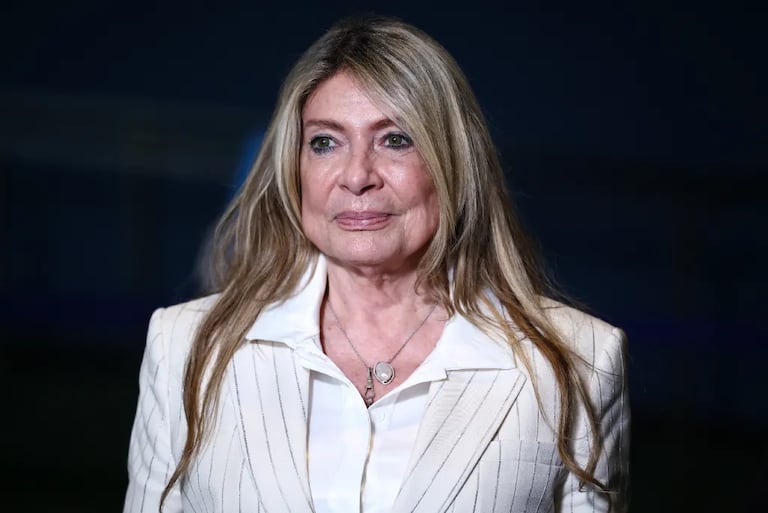
Baki has also pledged to take a more hands-on approach to the secretary-general’s role, saying she would work beyond the UN’s headquarters and engage directly in conflict zones and areas of tension.
The selection process officially began in November 2025 and is being conducted under rules designed to make the appointment more transparent and inclusive. Candidates are nominated by member states and submit vision statements, curricula vitae and campaign financing disclosures, while the General Assembly holds interactive dialogues with them.
Guterres is due to complete his second five-year term on Dec. 31, 2026. The next secretary-general is scheduled to begin the five-year mandate on Jan. 1, 2027.
Traditionally, the UN’s top post has rotated among the world’s regions. With Guterres, a Portuguese national, completing his term, Latin American candidates make up a significant part of the current field, adding a regional dimension to an already closely watched contest.