After years of facing growing water scarcity, farmland in Boudnib is getting a new lease on life. With the Kaddoussa Dam now operational, 5,000 hectares are receiving a regular supply of surface water.
This marks a major step toward sustaining farming in the oases, reviving date production and preserving the province’s underground water reserves.
With a storage capacity of 224 million cubic meters and a height of 65 meters, the dam is one of the main hydraulic structures in the Guir-Ziz-Rhéris basin.
“Since it began operating, it has made it possible to mobilize substantial surface water resources in the Guir basin and meet the agricultural needs of farmland downstream,” said Souad Boumeshoul, head of water resources assessment and planning at the Guir-Ziz-Rhéris Hydraulic Basin Agency.
The figures reflect the project’s growing role. During the previous agricultural season, 13 million cubic meters of water were allocated to irrigate the land. For the current season, the planned volume has risen to 35 million cubic meters.
Recent rainfall has also improved the dam’s reserves. As of October 25, 2026, its filling rate stood at 41.18%, with 92.32 million cubic meters of water in storage.
A 5,000-hectare irrigated area
To bring this water to farms, a project was launched to develop irrigation and adapt irrigated crops downstream of the dam. Its goal is to secure water supplies for 5,000 hectares of agricultural land while encouraging more efficient use of available resources.
Read also : Desalination plants, dams and water transfers: What Morocco’s new govt program proposes
“This project first and foremost addresses the challenge of water scarcity in our region. It aims to mobilize surface water resources to develop irrigated agriculture that can adapt to climate change,” said Jamal Mimouni, regional director of agriculture for Drâa-Tafilalet.
Part of the Generation Green 2020-2030 strategy, the irrigated area includes 825 hectares of traditional oases spread across seven sites, as well as 4,125 hectares of developed communal land incorporated into the program. The oases receive approximately 30 million cubic meters of water annually.
Nearly 16,000 farmers in the traditional oases benefit from the project, along with 425 rights holders who have invested in communal land and 39 investors. The latter have focused mainly on planting palm trees and producing dates, a sector well suited to local conditions that contributes to the regional economy.
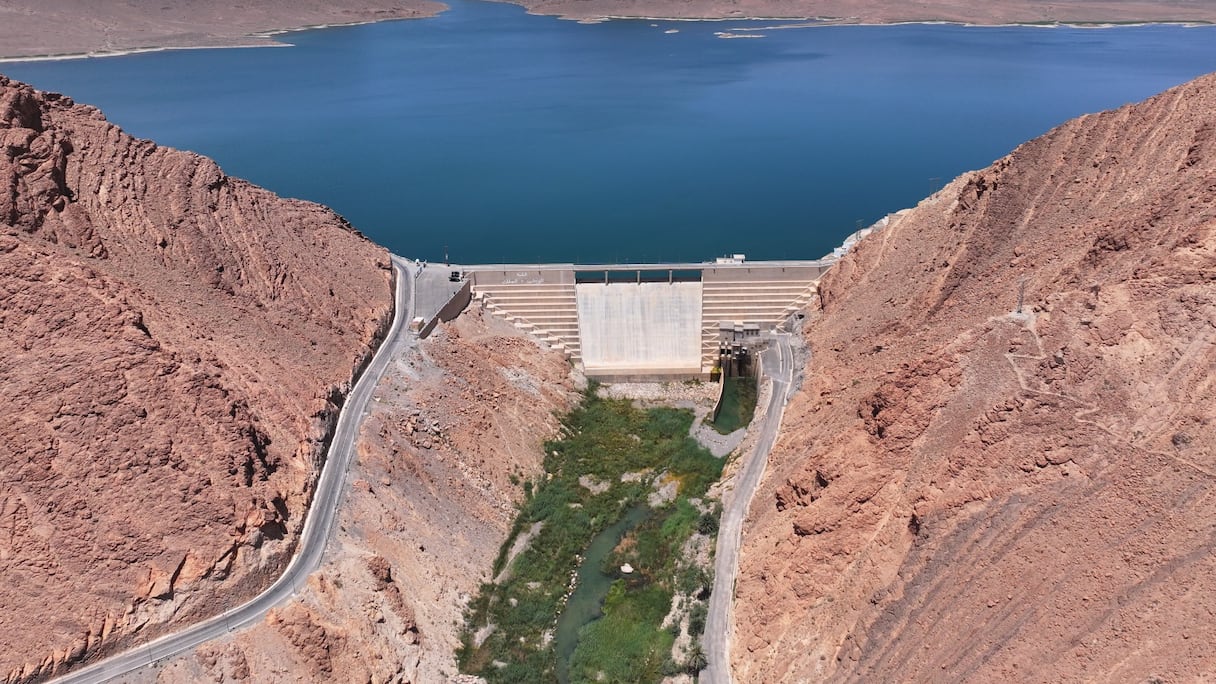
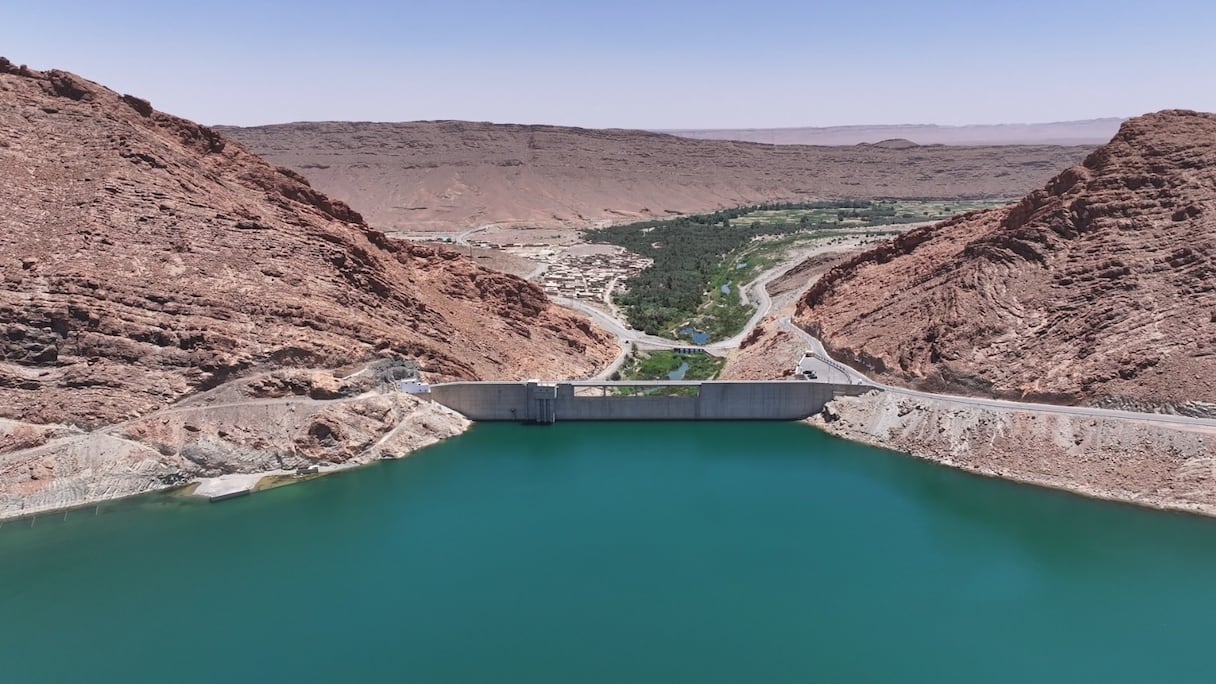
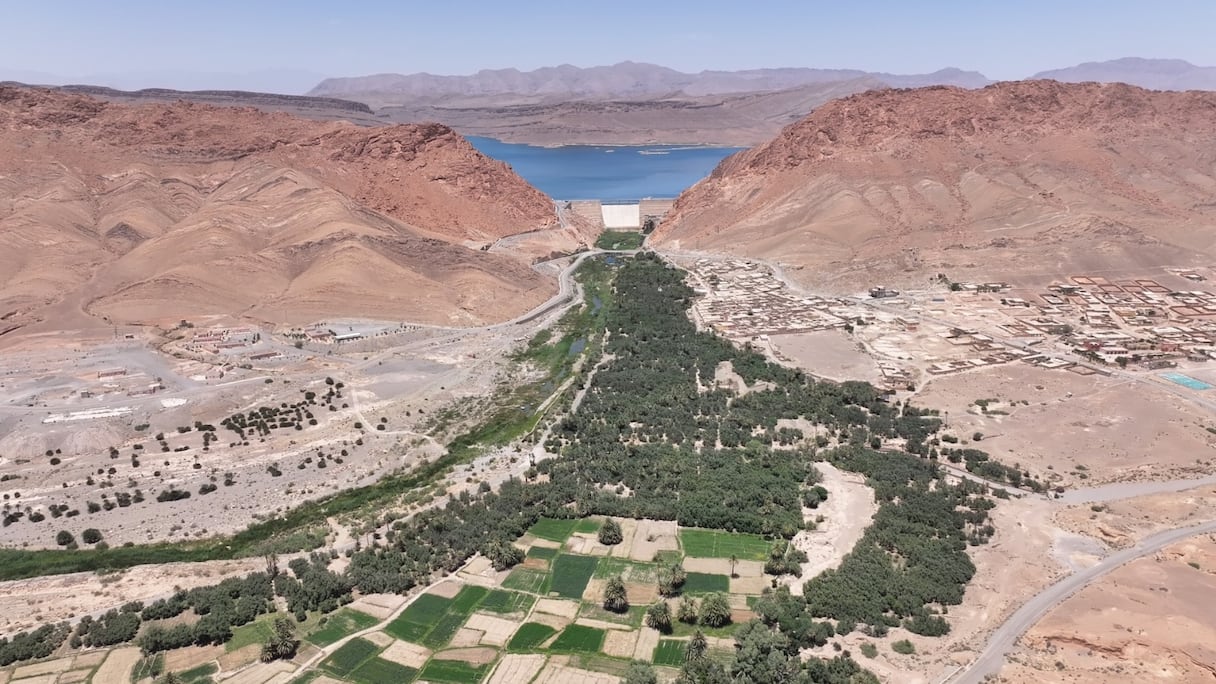
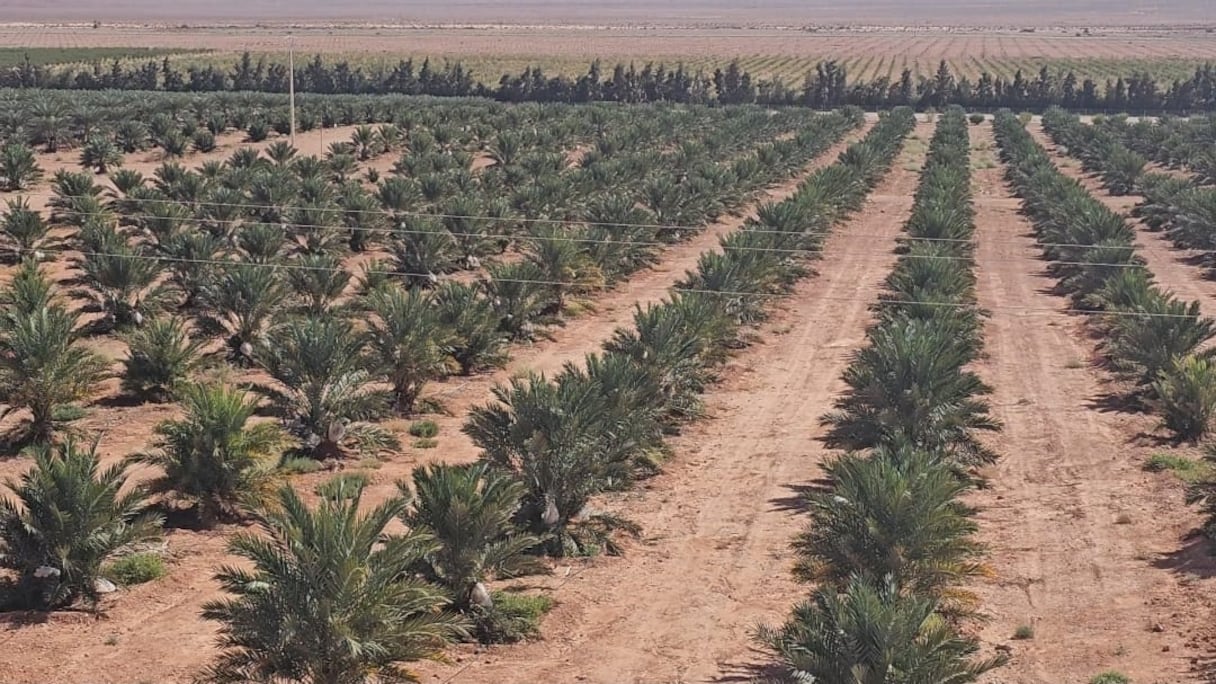
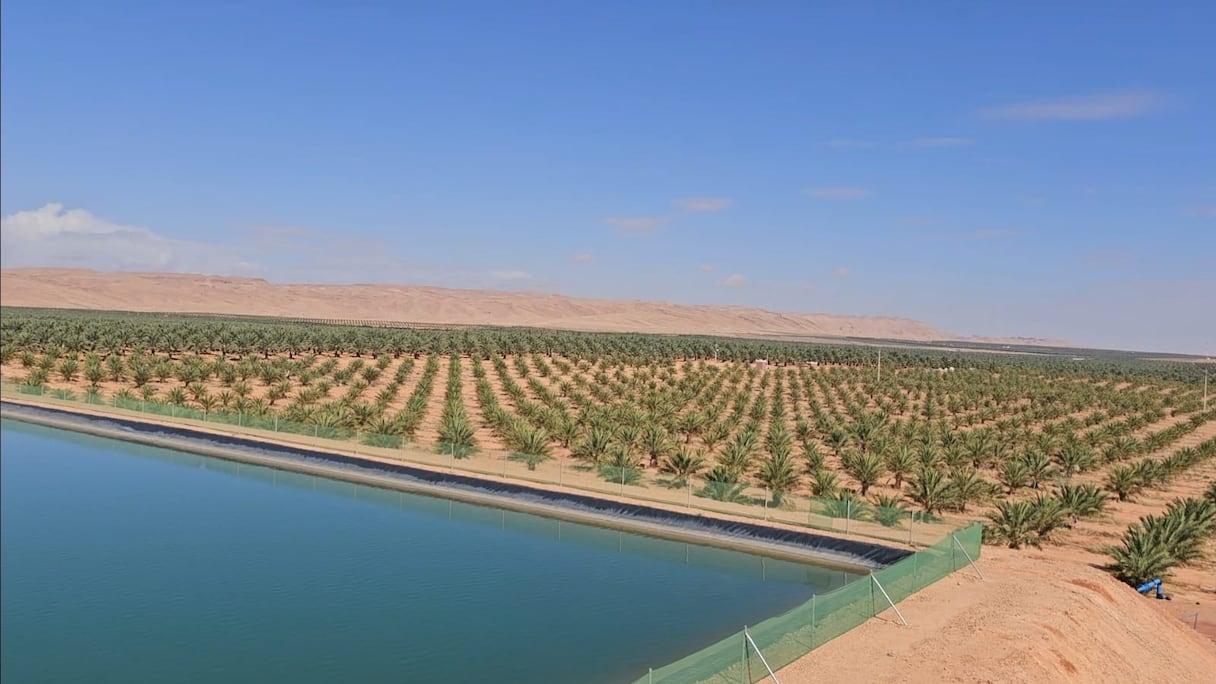
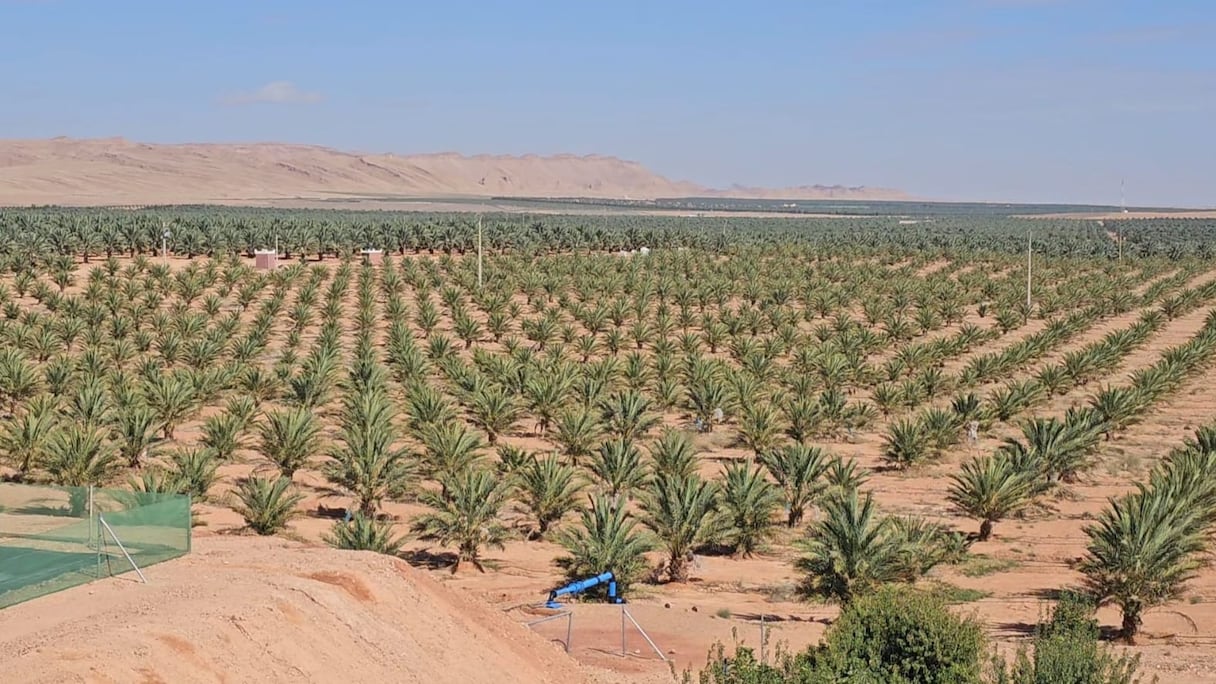
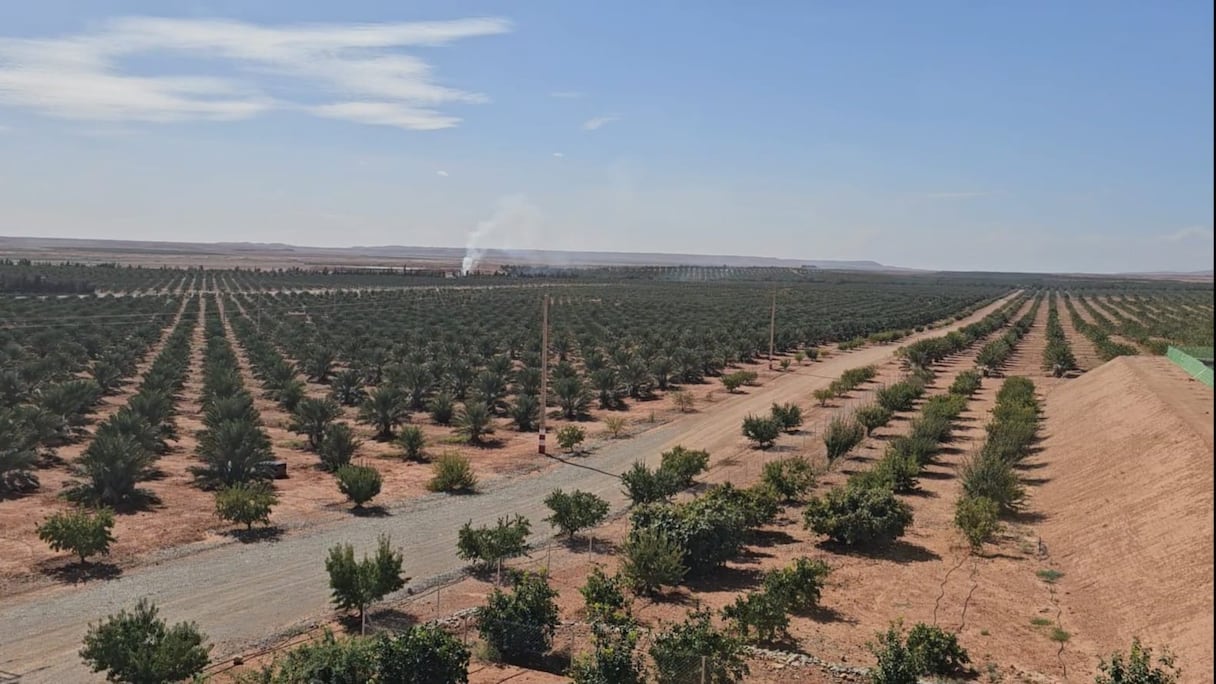
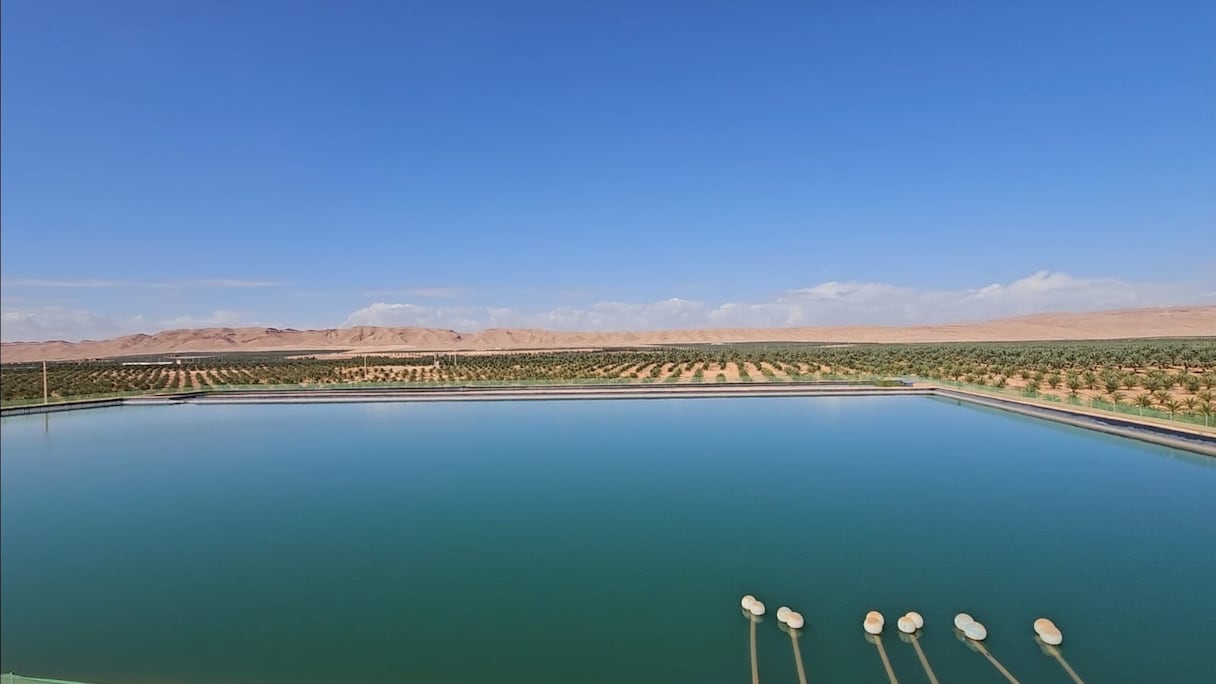
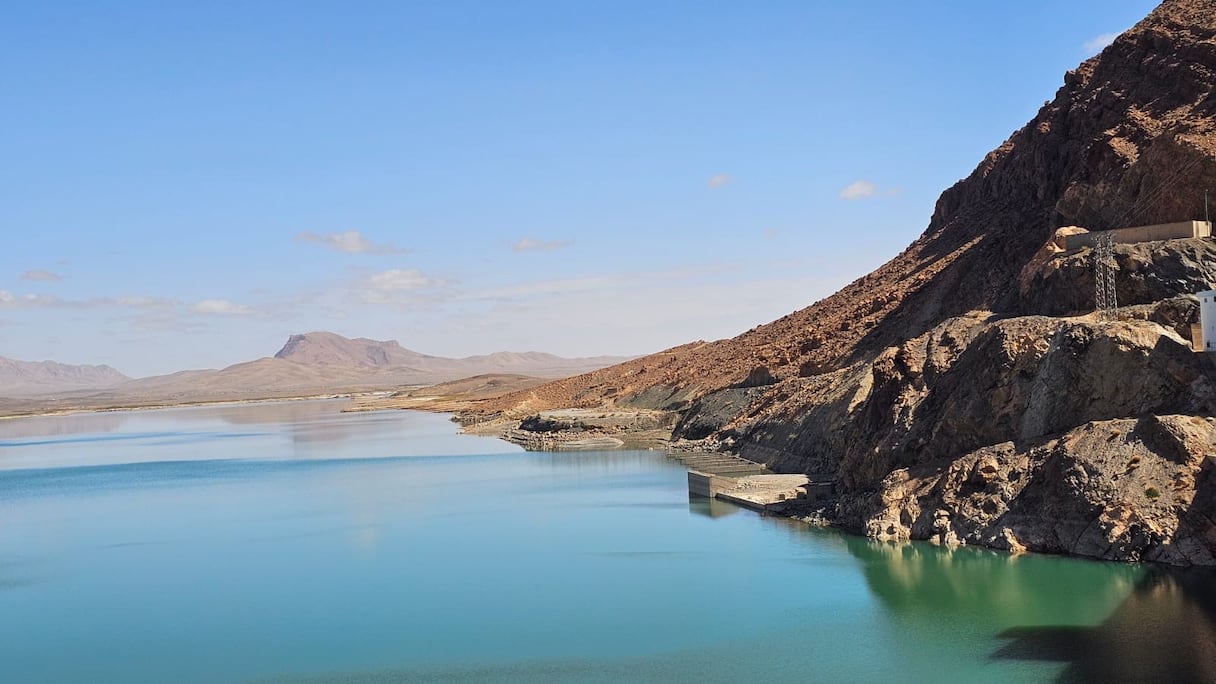
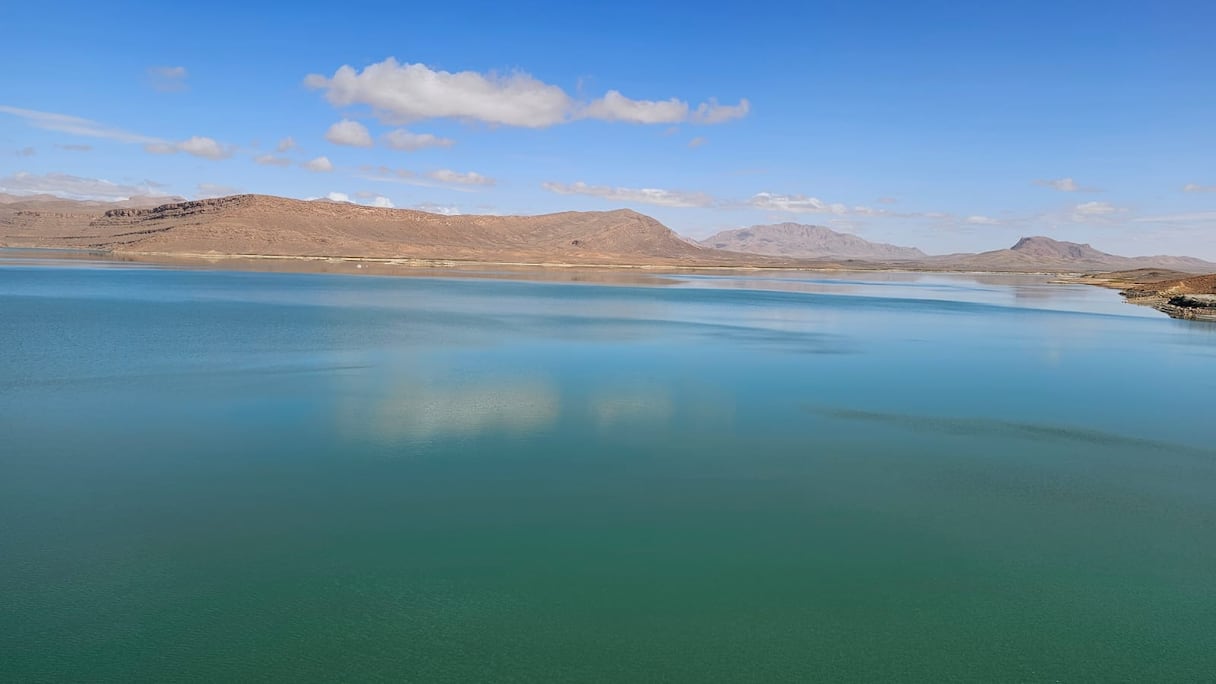
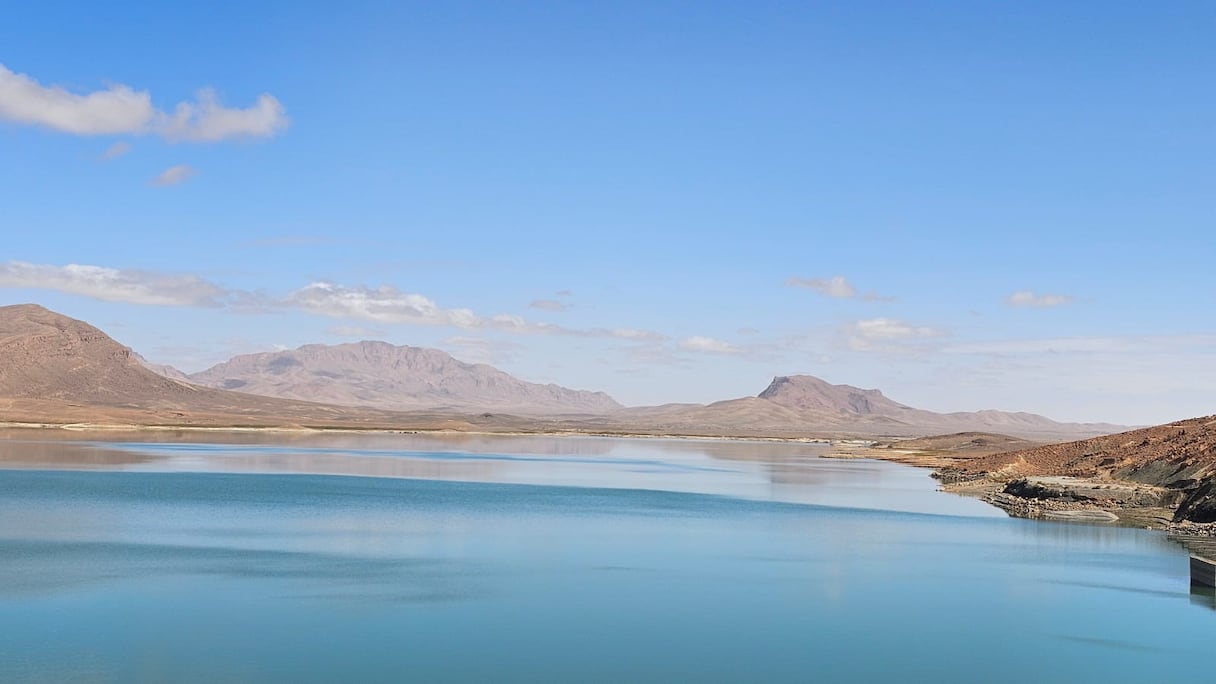
Kaddoussa Dam.
Launched in 2018-2019, the project’s construction work was completed before it entered full operation in 2025. It relies in particular on a network of more than 220 kilometers of underground pipelines designed to carry water to the oases and the farms concerned.
Beyond irrigation: an economic and social challenge
The program also includes a local development component. A total of 139 cooperatives have received funding to expand their activities, particularly in agriculture, tourism and education. The municipalities of Boudnib and Oued Naam are among the main areas concerned, with the aim of diversifying incomes and stimulating economic activity.
Beyond the volume of water stored behind the dam, the challenge now is to ensure that farmers and the region’s oases have sustainable access to water.
