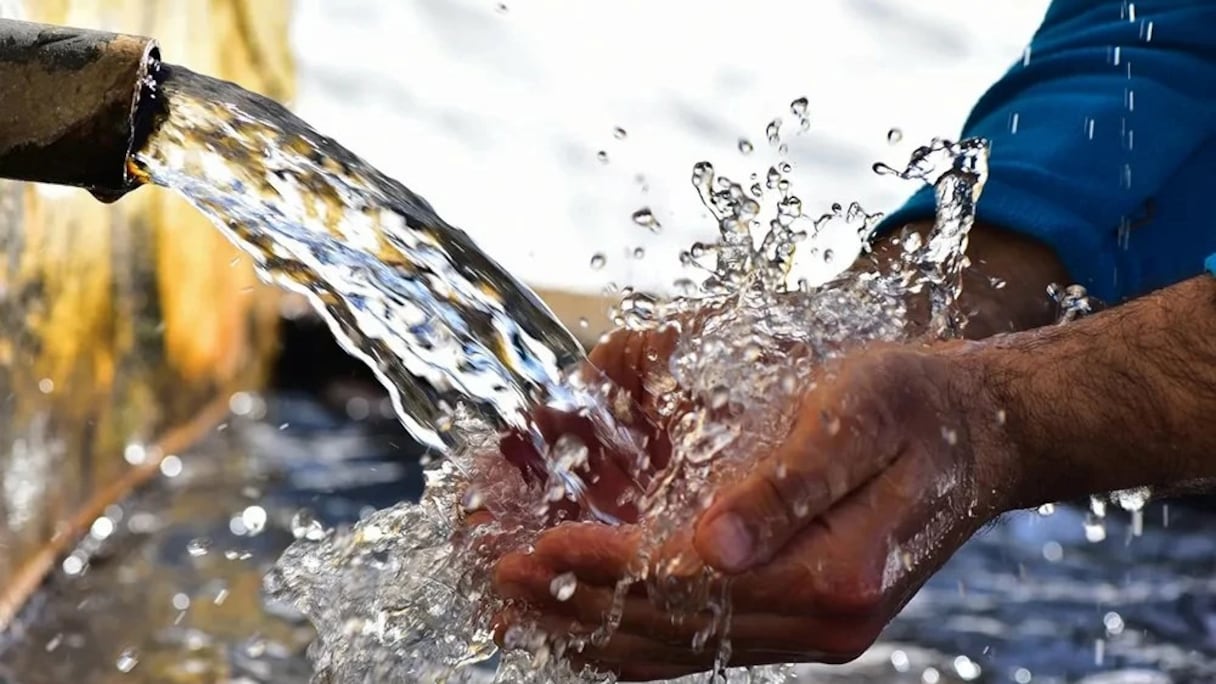
The measures target excessive water use in agriculture, commercial activities and services. Local authorities and elected councils have also activated field monitoring committees to enforce conservation rules, with measures tailored to the needs of each province.
Tan-Tan bans swimming pool refills and drinking-water irrigation
Authorities in Tan-Tan province have adopted several measures to curb water waste and protect local supplies.
Washing cars, other vehicles and trucks with drinking water is prohibited. Public baths and car washes are allowed to operate only four days a week, and operators have been urged to adopt modern water-saving technologies.
Read also : Al Hoceima downpours send water rushing into Ghiss dam
The restrictions also prohibit cleaning streets, public squares and roads with drinking water. Public and private swimming pools may be filled no more than once a year.
In urban areas, authorities have banned planting grass and using drinking water to irrigate green spaces, gardens and sports fields.
Additional measures prohibit the drilling of wells and exploratory or production boreholes without a permit, as well as the unauthorized extraction of water from wells, springs and water networks.
To support areas facing shortages, authorities will supply drinking water by tanker trucks and establish watering points for livestock.
Assa-Zag restricts water pressure and suspends new car wash permits
In Assa-Zag province, authorities have introduced restrictions on drinking-water flows in areas experiencing high demand. Supply pressure may be adjusted or the water supply shut off completely during certain periods.
The use of drinking water to irrigate green spaces is also prohibited, while watermelon cultivation has been banned.
Authorities have suspended the issuance of new permits for car wash businesses. Public baths and car washes are also limited to four operating days per week, with operators encouraged to use water-saving equipment.
Read also : Where did Morocco’s dams gain water after the latest rains?
Other measures target illegal water extraction from distribution networks, wells and boreholes. Authorities are also working to identify and repair leaks and faults in drinking-water distribution systems.
Public awareness campaigns and programs to reuse wastewater are planned. As in Tan-Tan, tanker trucks will supply drinking water to areas facing shortages, while designated watering points will provide water for livestock.
