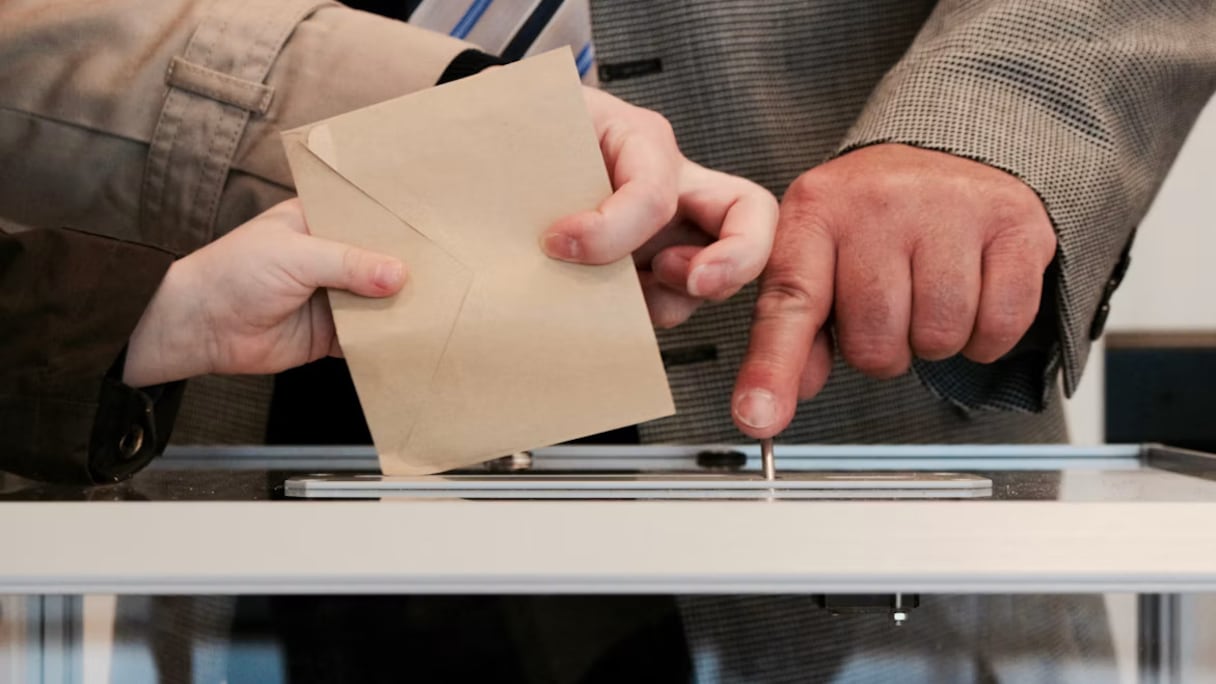
The new “E-procuration” service will allow Moroccan voters living abroad to issue a voting proxy electronically from their country of residence, removing the need to travel to a Moroccan embassy or consulate to have the document authenticated.
The service was announced by Moroccan diplomatic missions in Mexico, Iraq and Mali, among others, as part of preparations for the upcoming legislative elections. The embassies said the measure follows amendments to Morocco’s electoral system and new arrangements allowing Moroccans living abroad who are registered on the electoral rolls to exercise their voting rights.
The platform will be available to the public starting Aug. 24 through listeselectorales.ma and elections.ma.
The service was launched by the Ministry of Foreign Affairs, African Cooperation and Moroccans Abroad in coordination with the Ministry of Interior.
The process is intended for Moroccans abroad who are already registered on Morocco’s general electoral rolls. It does not constitute online voting from abroad. Instead, the voter authorizes another eligible voter in Morocco to cast a ballot on their behalf.
How the electronic proxy works
To create the proxy, the Moroccan voter abroad must access the designated platform and enter their personal information. The instructions issued by the Moroccan embassies list the required information as the voter’s first and last name, national identity card number, electoral registration number, electoral district or municipality where they are registered, and the address declared when registering on the electoral rolls.
The voter must then enter the information of the person they are appointing as their proxy, including the proxy’s first and last name, national identity card number and address.
After checking the information, the voter validates the request electronically. The completed electronic proxy can then be downloaded and sent to the appointed voter by email or regular mail so that the proxy can present it when voting, if required.
At the polling station, the proxy first votes in their own name, then votes on behalf of the Moroccan citizen living abroad who granted the proxy, subject to the applicable polling arrangements. The proxy must present the electronic proxy and their national identity card when voting on behalf of the person they represent.
The person appointed as proxy does not have to be registered in the same municipality, province or prefecture as the Moroccan citizen living abroad. The only requirement in this regard is that the proxy be registered on the electoral rolls in a municipality in Morocco.
There is also a limit on proxy voting: one voter in Morocco cannot act as proxy for more than one Moroccan citizen living abroad.
The new arrangement replaces the previous procedure under which voting proxies had to be authenticated by Moroccan diplomatic missions or consular centers. Under the new system, the proxy can be prepared and submitted electronically through the designated platform.
The embassies are urging Moroccan citizens living abroad who are registered on the electoral rolls to use the service ahead of the Sept. 23 legislative elections.
Moroccans abroad who wish to use a proxy will need to complete the electronic procedure once the platform opens on Aug. 24 and ensure that their designated proxy has the required documentation to vote on their behalf.