As Fatima Ezzahra El Mansouri works her way through Morocco’s parties in search of a governing majority, the Left Alliance has put its eight MPs on the other side of the House—a day before it is due for its own turn at the consultation table.
The alliance, which brings together the Socialist Unified Party (PSU) and Federation of the Democratic Left (FGD), confirmed at a press conference in Casablanca on Wednesday that it would sit in opposition in the new legislature, drawing a distinction between El Mansouri’s historic appointment as Morocco’s first woman Head of Government and its longstanding differences with the PAM she leads.
“It is not Fatima Ezzahra El Mansouri as a person who is the problem,” its leaders said, welcoming the appointment of a woman to head the government and saying her nomination complied with Article 47 of the Constitution.
Their quarrel, they made clear, remains with her party.
El Mansouri is due to receive the Left Alliance at PAM headquarters in Rabat at 6pm on Friday as she continues consultations with parties represented in the new House. Before then, Thursday’s schedule has the Constitutional Union at 11am and the Democratic and Social Movement at noon, followed by the PJD at 5pm.
Read also : Morocco elections: Left Alliance bags eight seats as established left loses ground
The last of those appointments is already in doubt. PJD secretary-general Abdelilah Benkirane said on Wednesday night that neither he nor a party delegation would go to PAM headquarters, telling El Mansouri that she would have to come to him if she wanted a meeting. He has separately made clear that participation in the next government is not on the table after the PJD decided to sit in opposition.
The Left Alliance has made the same choice on government versus opposition but has not announced any objection to Friday’s scheduled meeting.
Its eight seats will add to an opposition that is beginning to take shape while El Mansouri works on the numbers for a majority. The PJD returned 54 MPs in the Sept 23 election and the Left Alliance eight, up from two in the previous legislature.
Sharing the opposition benches with the PJD will not, however, amount to an opposition pact.
The alliance said ideological and social-policy differences between the two sides ruled out systematic political or parliamentary coordination. But it saw no reason to prevent them from finding themselves on the same side of particular votes or issues.
Such agreements, its leaders said, could arise naturally in Parliament without either side having to follow the other.
The alliance says it polled 271,361 votes across local and regional constituencies, with Nabila Mounib among its successful candidates after winning in Casablanca-Anfa. Its leaders rejected the suggestion that the gains amounted simply to a protest vote against established parties, arguing that voters had backed their program and political platform.
The alliance also intends to remain together beyond the election, saying the PSU-FGD arrangement was not stitched together merely for the Sept 23 vote. The door would remain open to other left-wing forces, provided any future alignment rested on shared political commitments rather than the distribution of seats or posts.
Its stronger showing did not stop the leadership from disputing parts of the election that produced those eight MPs. PSU secretary-general Jamal Lasri said the alliance believed it could have won more seats and cited alleged irregularities in constituencies including Tangier, Meknes, Jerada, Boulemane and Aïn Chock.
The alliance said it would use available legal procedures to challenge results where it could assemble the necessary evidence.
Tangier figured heavily in its complaints. Its leaders referred to the Al Qods polling-station case in Casabarata, where an investigation into alleged electoral irregularities has led to a series of arrests and drawn Tangier Mayor Mounir Laymouri into the proceedings.
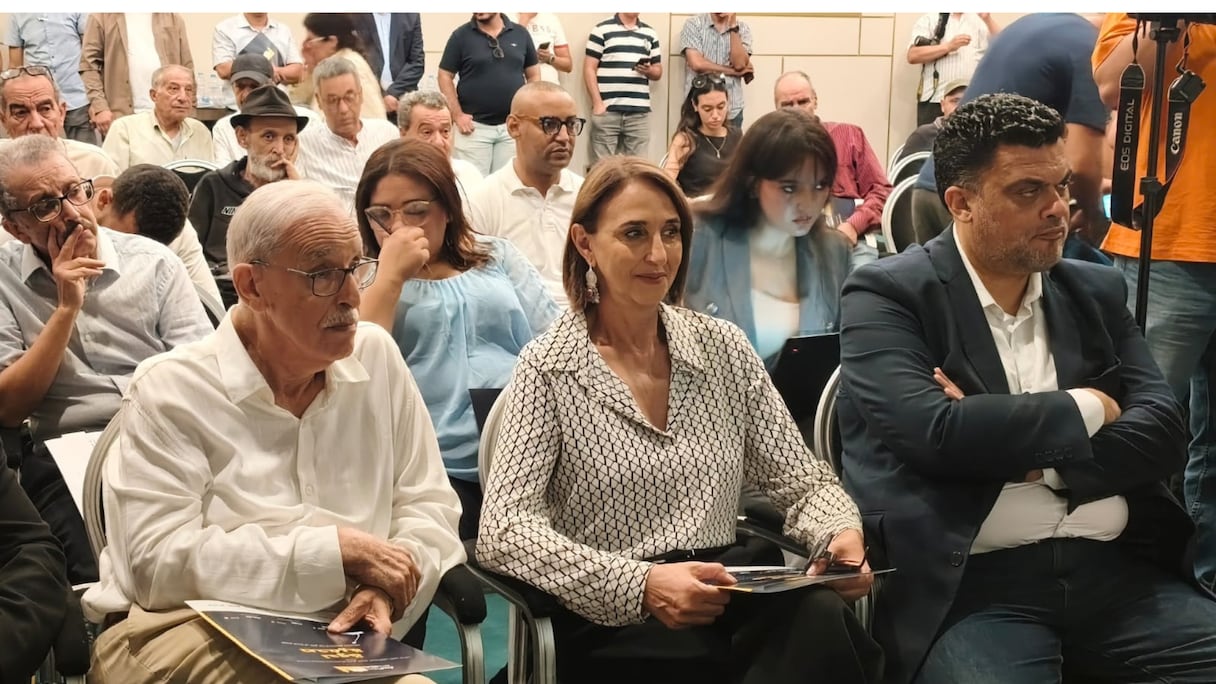
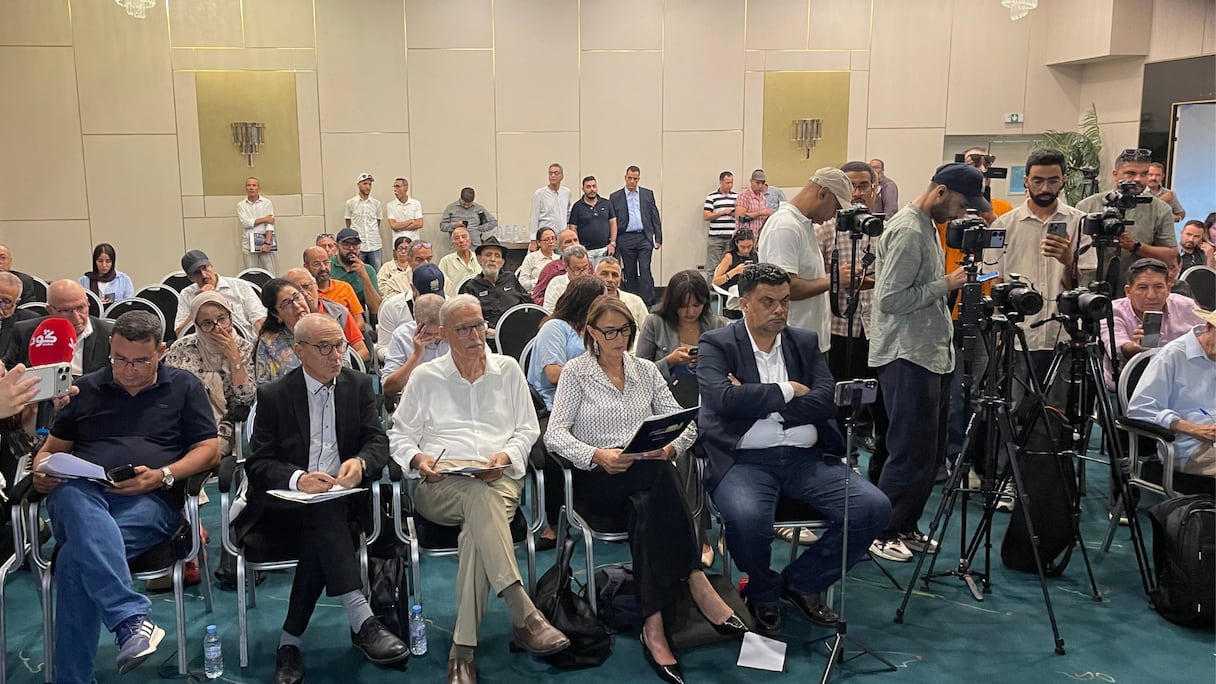
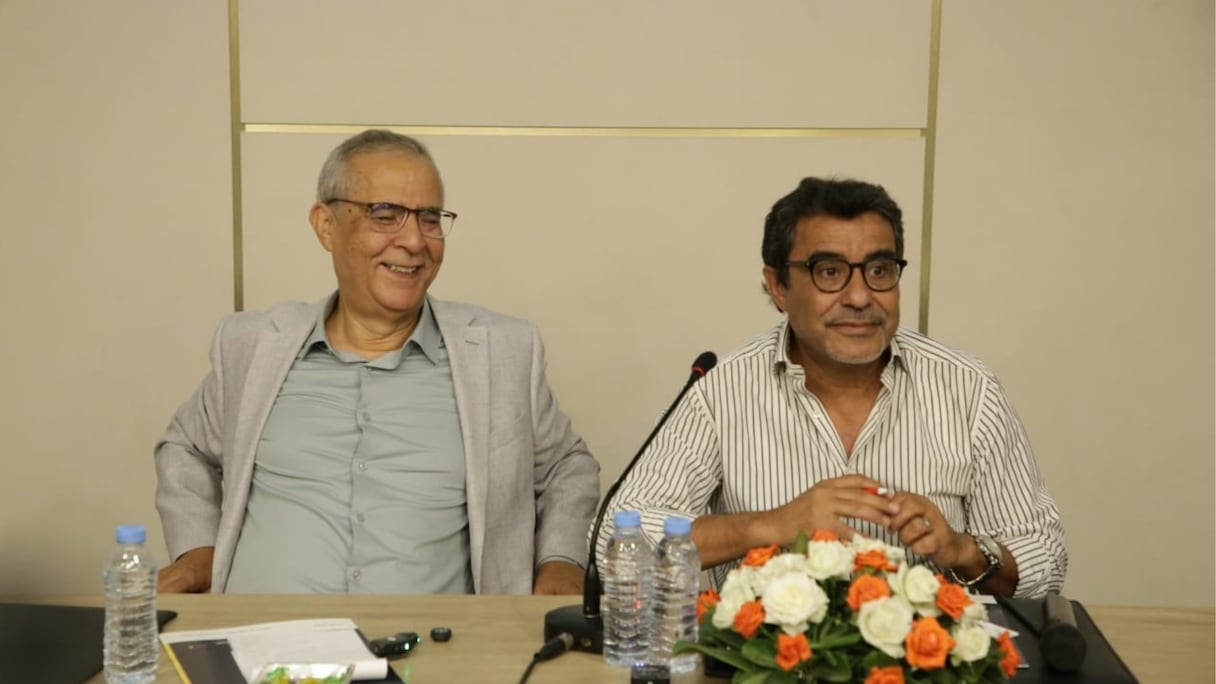
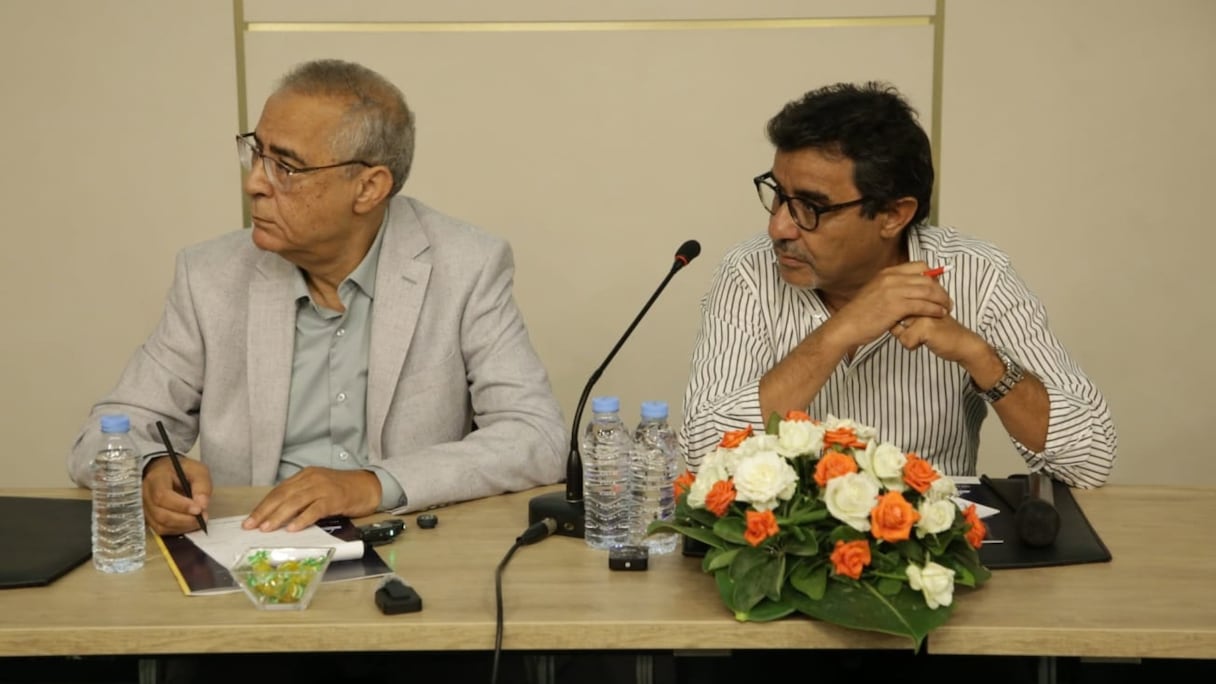
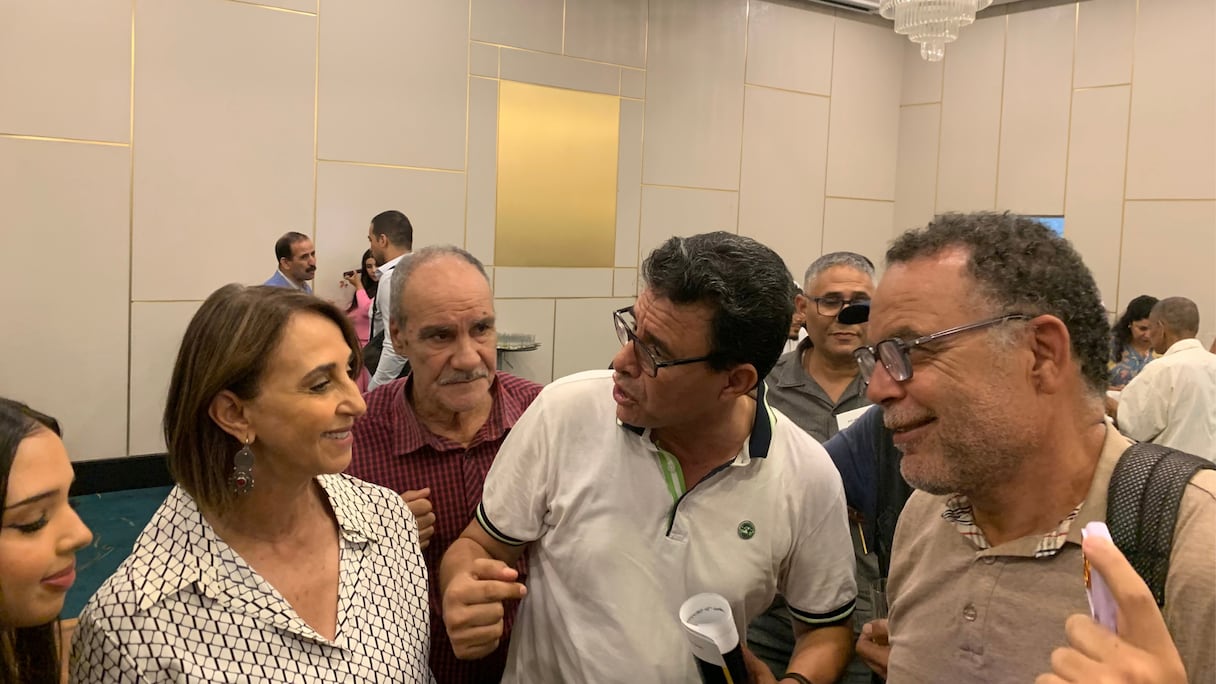
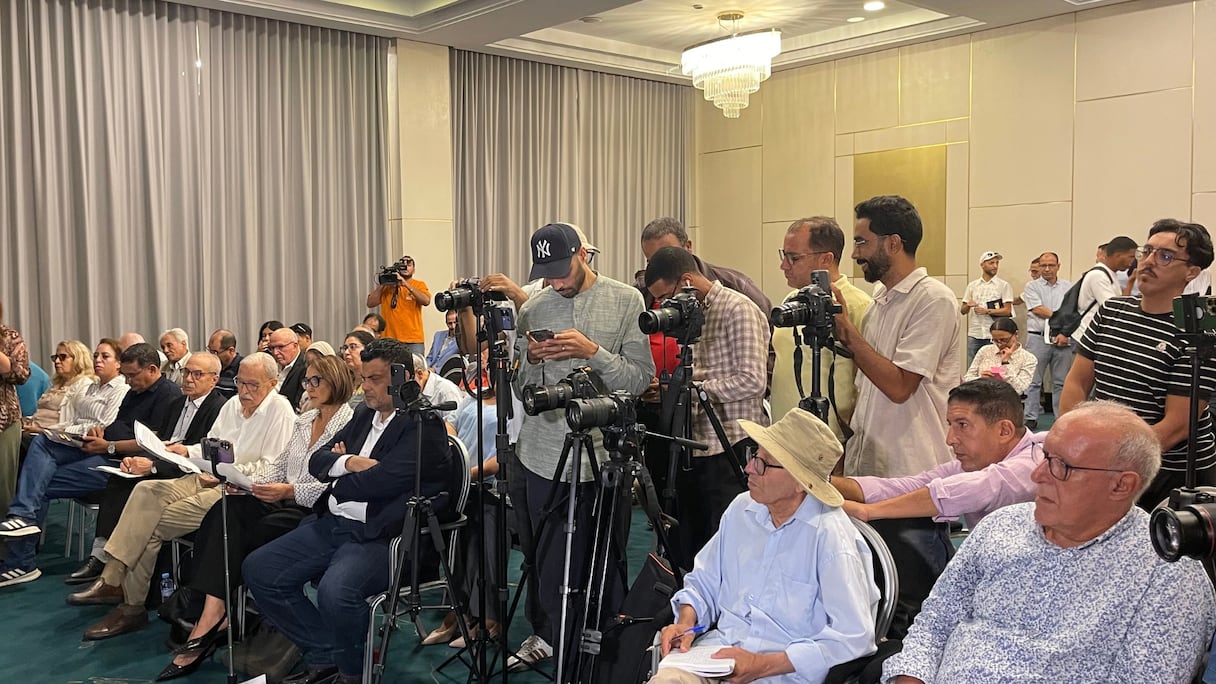
Lors de la conférence de l'Alliance de la gauche le 30 septembre 2026 à Casablanca (R.Bousfiha/Le360).
The alliance also wants changes to the mechanics of voting itself, arguing that allowing Moroccans to cast ballots using their national identity cards could make participation easier, particularly for younger voters.
For the new Parliament, however, those votes have settled at least one question. The Left Alliance’s eight MPs will sit in opposition, alongside a much larger PJD bloc—sometimes voting the same way, its leaders say, but without pretending that makes them political allies.
