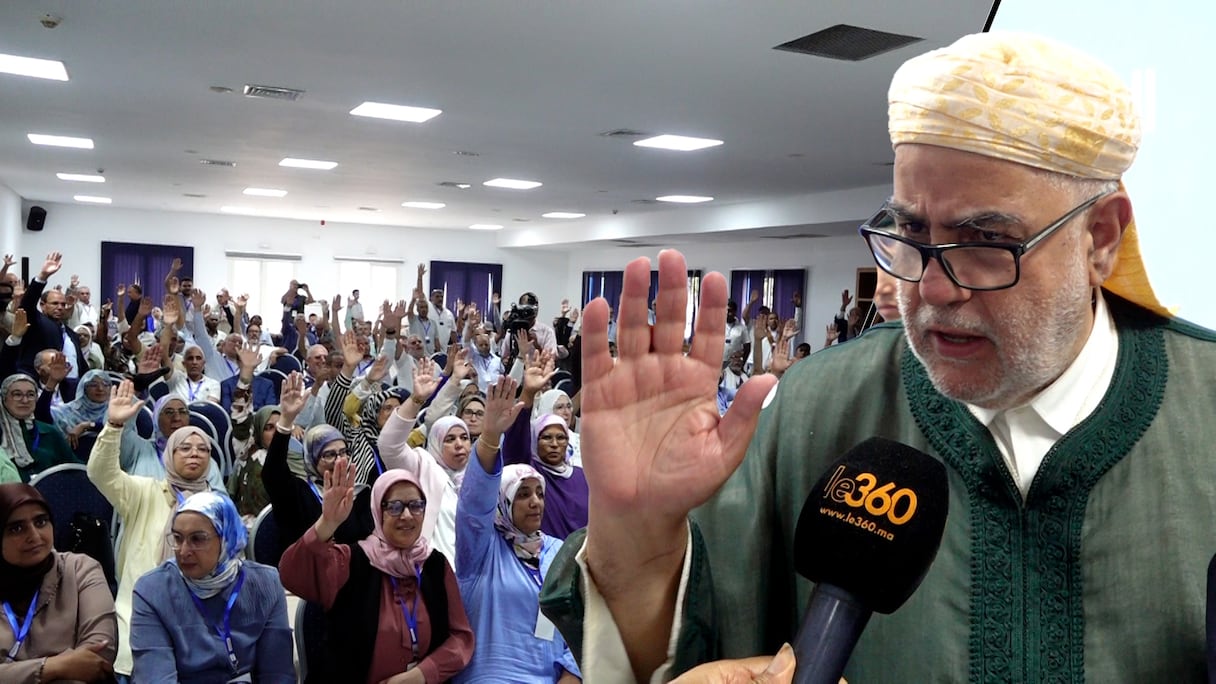
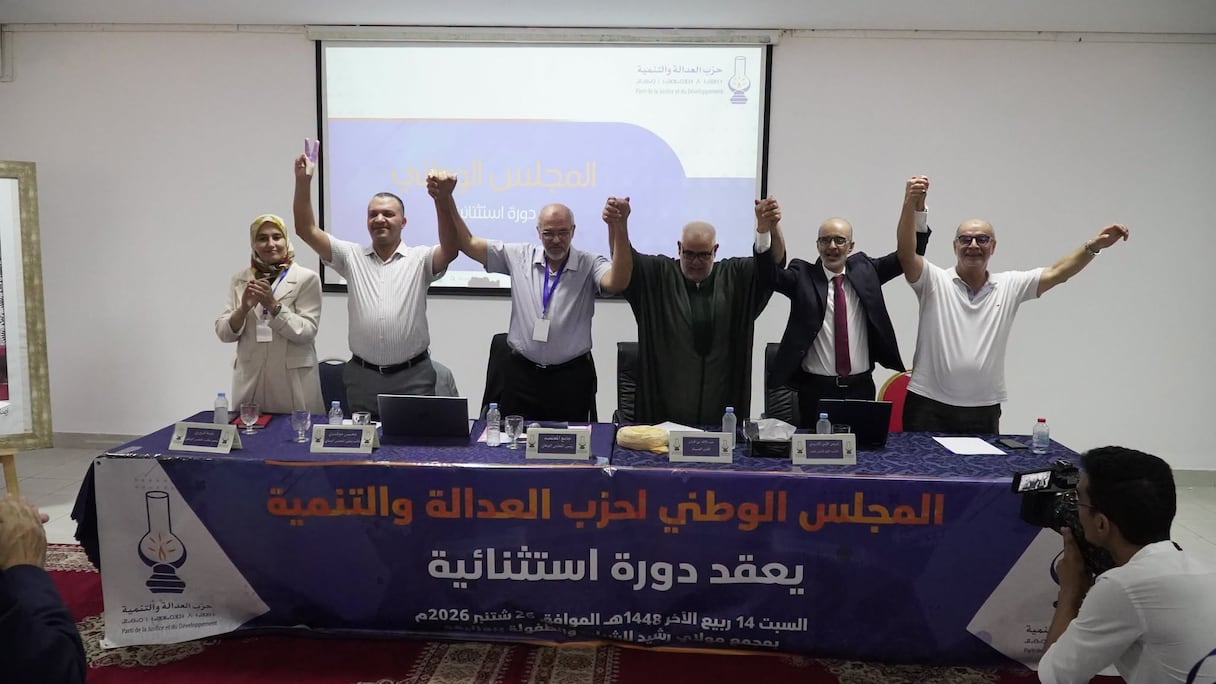
Any lingering talk of the PJD finding its way into the next government was put to rest on Saturday, when the party’s National Council unanimously voted to take its 54 MPs into opposition.
Around 200 council members raised their hands in favor at an extraordinary session in Bouznika, giving final party approval to a course Abdelilah Benkirane had been pressing since the results of Wednesday’s election began to come in.
The vote closes a short but lively argument over what the PJD should do with the parliamentary muscle it recovered on September 23, when it climbed from 13 seats to 54 and returned as the fourth-largest party in the House.
Benkirane had hardly waited for the coalition arithmetic to begin.
On Thursday, he ruled out serving in a government headed by PAM, saying there was “absolutely no room” for such an arrangement. A day later, the General Secretariat recommended that the party remain in opposition and sent the matter to the National Council for the final word.
Not everybody appeared ready to close the door so quickly. Reports ahead of Saturday’s meeting pointed to unease among senior party figures over taking government participation off the table before coalition consultations had even begun. Some favored keeping the option open rather than tying the party’s hands at the outset.
Whatever remained of that argument did not show up in the vote.
Benkirane went into Saturday’s session making the case for opposition in characteristically combative fashion, reserving much of his fire for PAM and RNI, which he accused of being “at the root of the crisis.”
The argument from the rest of the leadership was less combative and more about political distance.
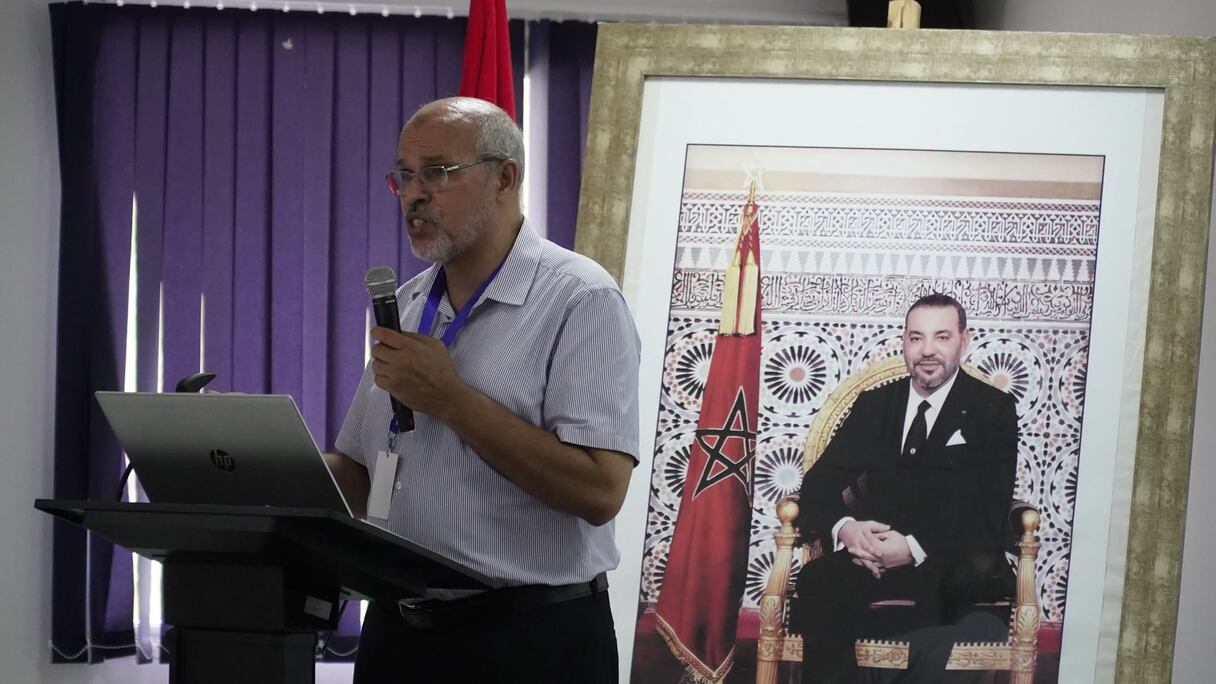
Jamaa El Moatassim said parties with different — and at times contradictory — political reference points should not be squeezed into the same governing majority merely because the parliamentary numbers made it possible.
“It is, in a way, about bringing greater clarity to politics, because these are parties whose political reference points differ and sometimes even contradict each other,” the president of the PJD’s national council told reporters after the meeting.
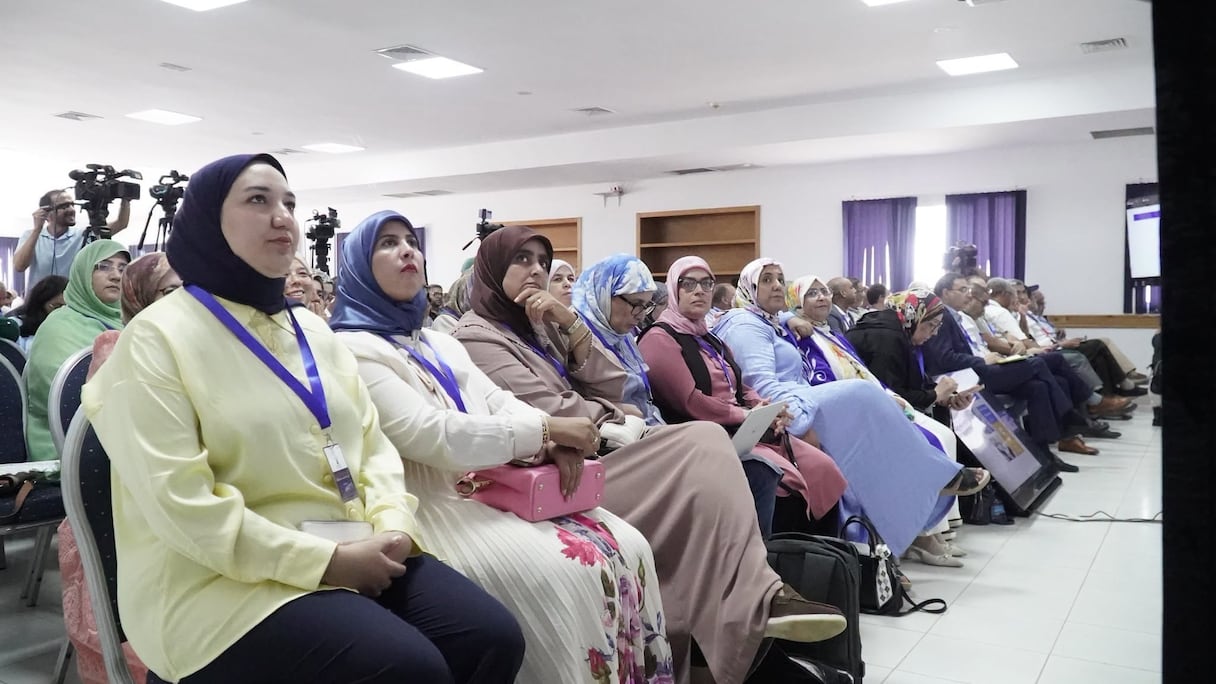

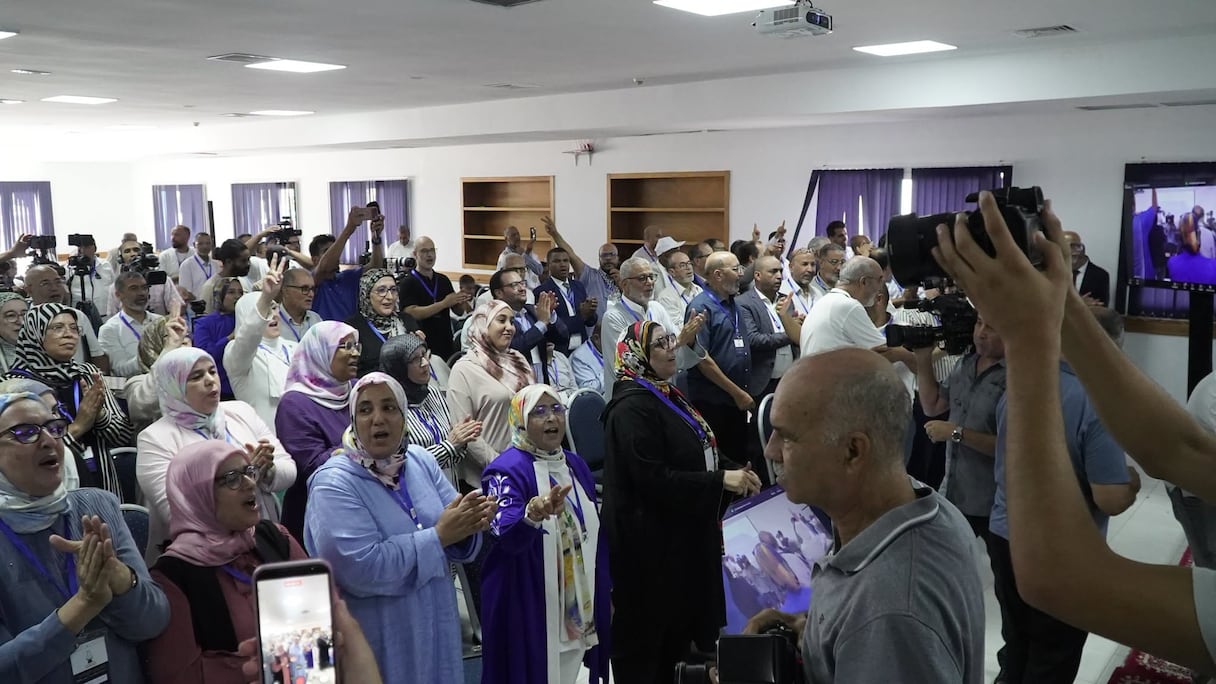
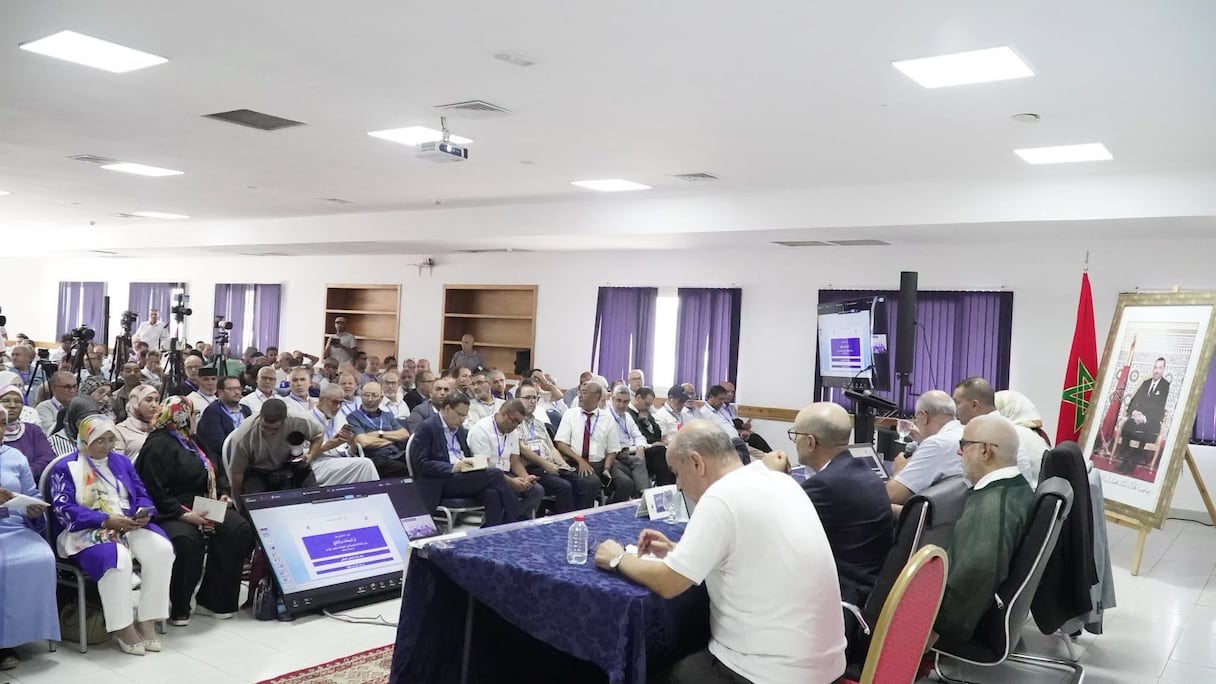
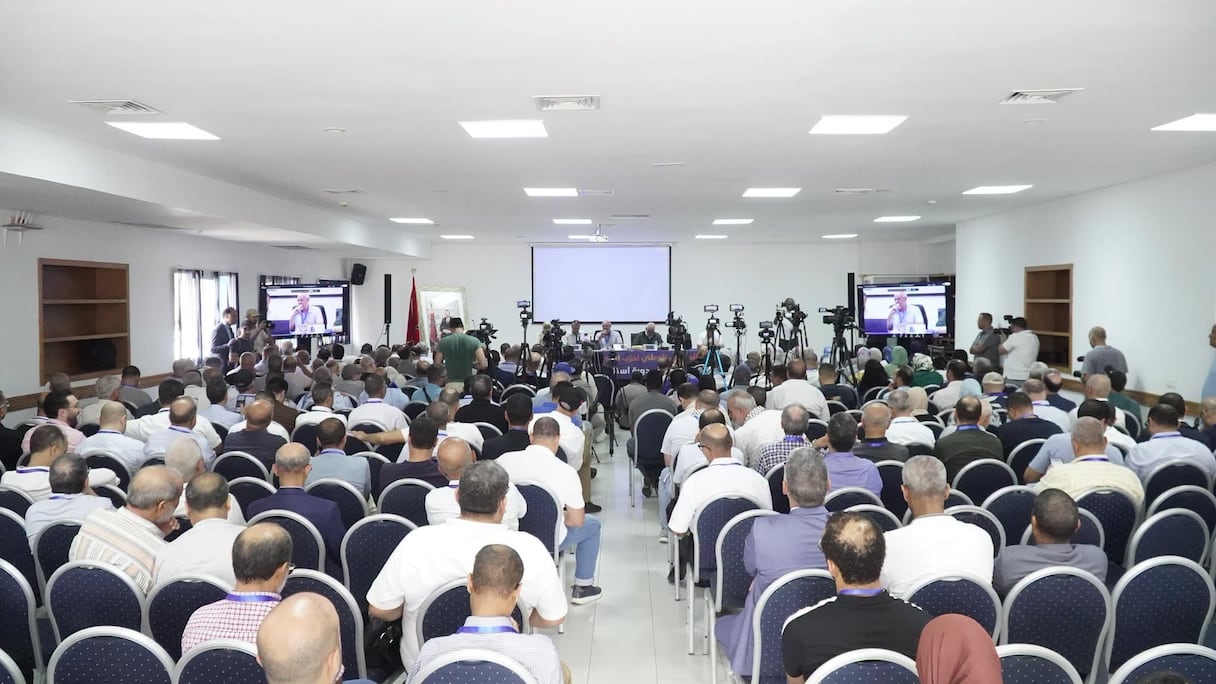
The decision removes the fourth-largest parliamentary bloc from the coalition market at a time when PAM, which won 97 seats, is still waiting for the process of forming the next government to take shape.
It also draws a clearer line between PAM and the PJD after an election that brought both parties out stronger. PAM finished first. The PJD, meanwhile, recovered 41 of the seats it lost in its 2021 rout, with its return particularly visible in urban constituencies.
The two parties have read that changed landscape very differently. PAM coordinator Fatima-Zahra El Mansouri said on Thursday that her party was imposing no red lines on future coalition discussions and would talk to all political parties once the head of government had been appointed.
