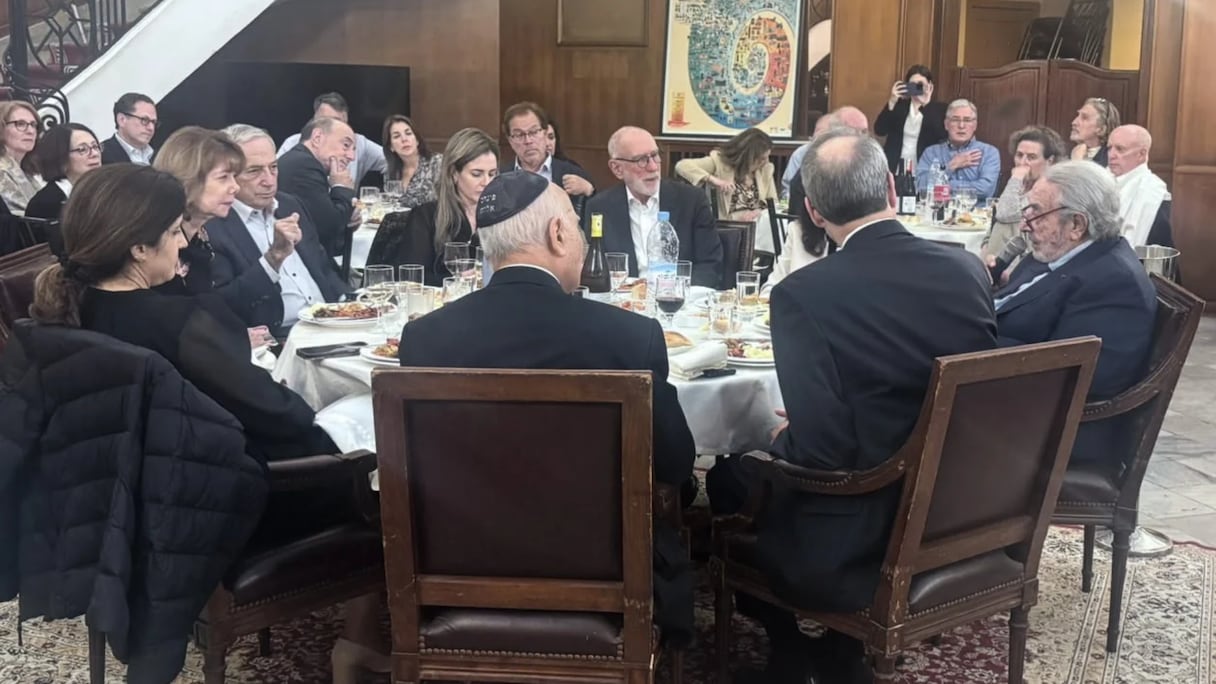
Addressing members of the American Jewish Committee on Tuesday, October 27, Serge Berdugo, secretary-general of the Council of Jewish Communities of Morocco (CCIM), presented Jewish-Muslim coexistence in Morocco as a model sustained by law, respect and concrete action. He also took stock of a partnership with the AJC spanning more than half a century.
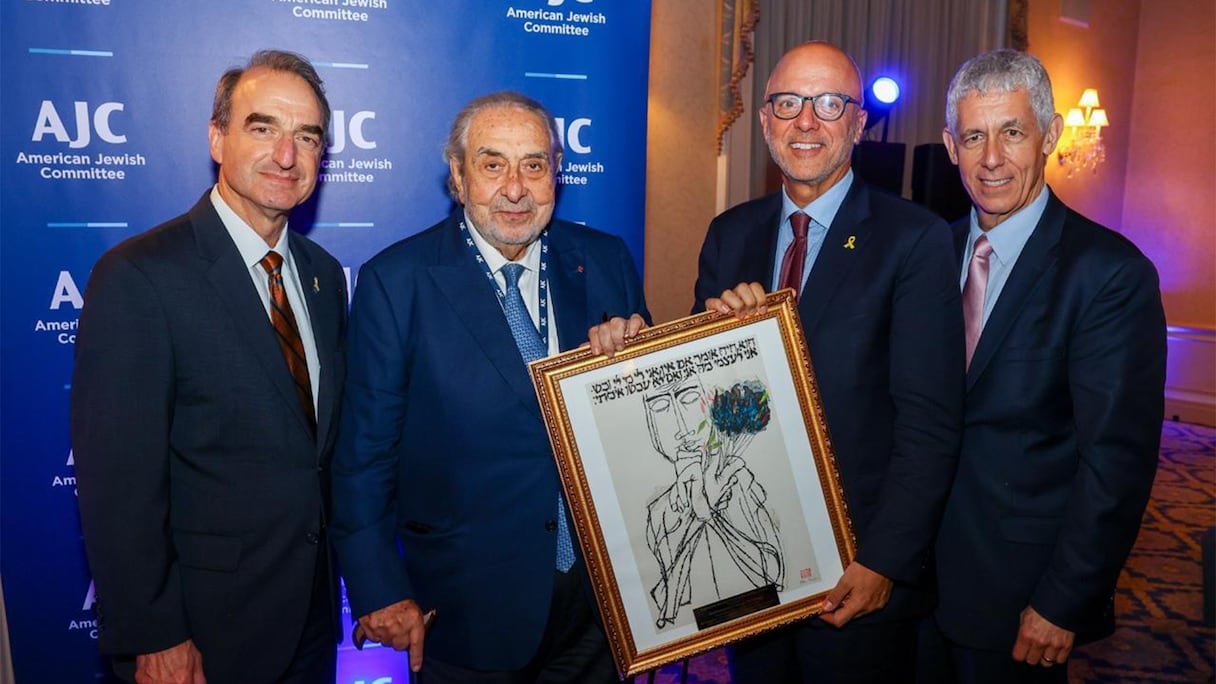
In his welcoming remarks, Berdugo first recalled receiving the AJC’s Akiba Award in New York in 2025. He said he had accepted it on behalf of Morocco’s Jewish community. In November 2025, the two organizations celebrated 50 years of partnership.
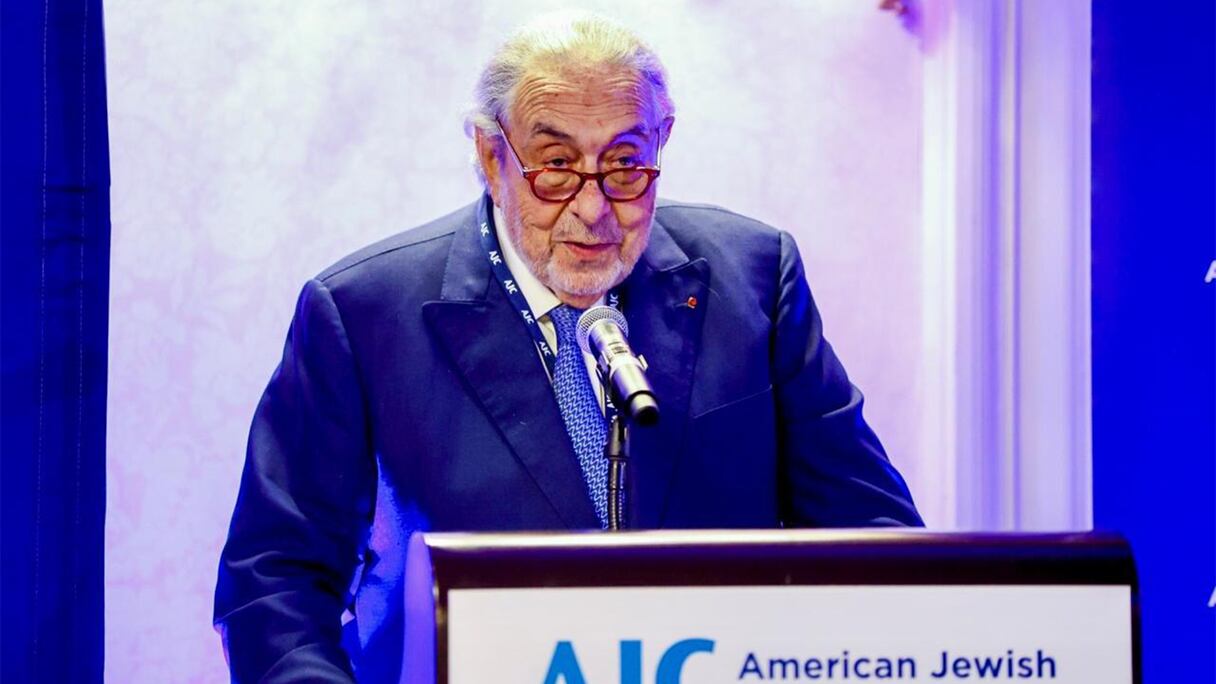
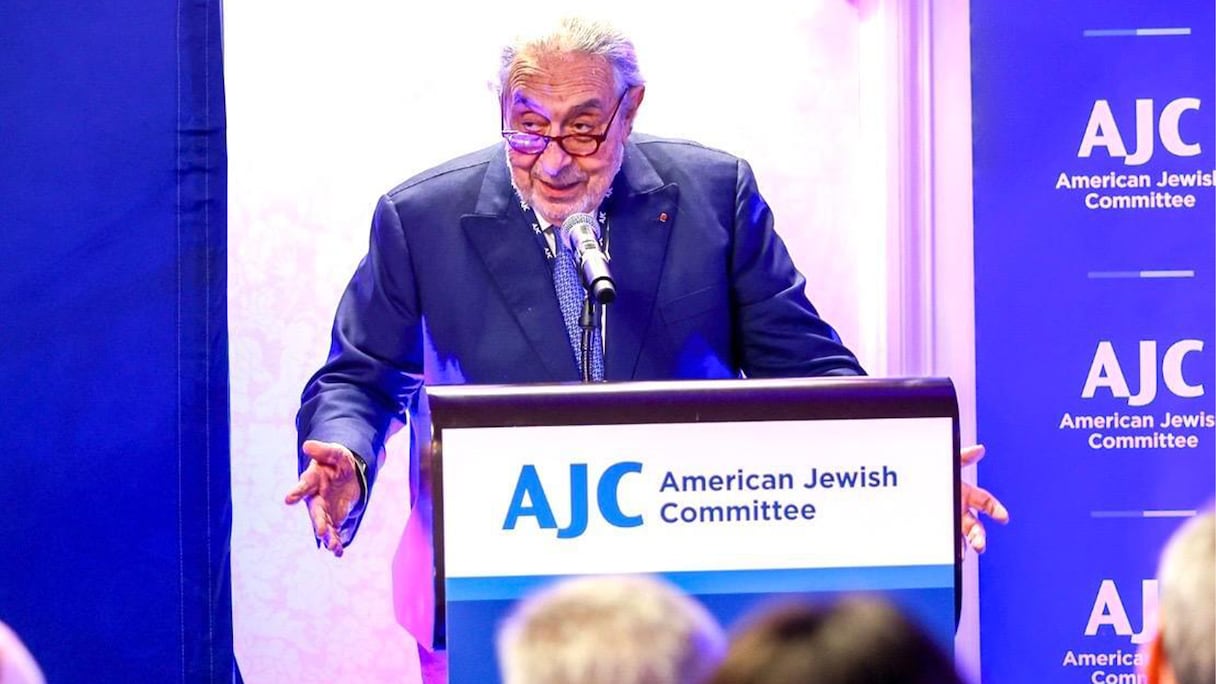
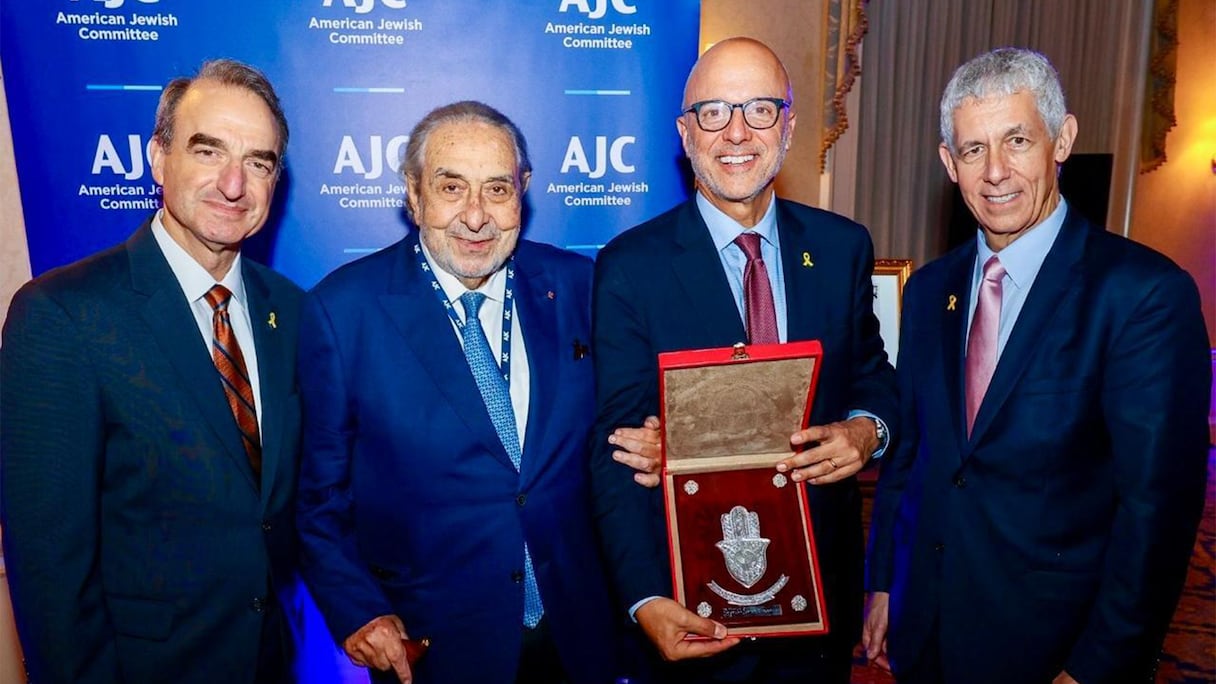
Serge Berdugo, secrétaire général du Conseil des communautés israélites du Maroc (Crédit: Michael Priest photographie)
He also recalled his first visit to the AJC’s offices in New York, where he had sought support in establishing contacts with political leaders, the media and academia. To characterize the relationship, he borrowed Humphrey Bogart’s famous line from Casablanca: “I think this is the beginning of a beautiful friendship.” That friendship, he added, had lived up to every expectation.
The CCIM secretary-general then placed this cooperation in the context of the longstanding ties between Rabat and Washington. He recalled that Sultan Mohammed III became the first head of state to recognize American independence in December 1777. He also cited the United States’ recognition of Moroccan sovereignty over the Sahara in December 2020, which he described as a further strengthening of the strategic partnership.
According to Berdugo, the two sides have worked together to combat extremism, terrorism, racism, antisemitism, and Islamophobia. Their cooperation spans diplomacy, security, culture and the economy.
More than 2,000 years of Jewish presence
Berdugo went on to describe Morocco as an “ancient nation, proud of its history and diversity. Jewish life has been part of its civilization for more than 2,000 years.” He portrayed “a community that is small today but remains vibrant, integrated into society and free to practice its religion.”
He argued that protecting Jewish life has been a constant commitment of the Moroccan monarchy. He cited Sultan Hassan I, whom rabbis called Hessed, “the Righteous,” and recalled Mohammed V’s opposition to the antisemitic laws of the Vichy regime. He also presented King Mohammed VI as the driving force behind a commitment that has now taken the form of a policy to preserve Jewish heritage.
Since 2010, Berdugo recalled, the Sovereign has launched and overseen the restoration of no fewer than 180 Jewish cemeteries and 20 synagogues, shrines and mausoleums across Morocco. The initiative, he said, seeks “to preserve collective memory, recognize the contribution of Moroccan Jews and pass this history on to future generations.”
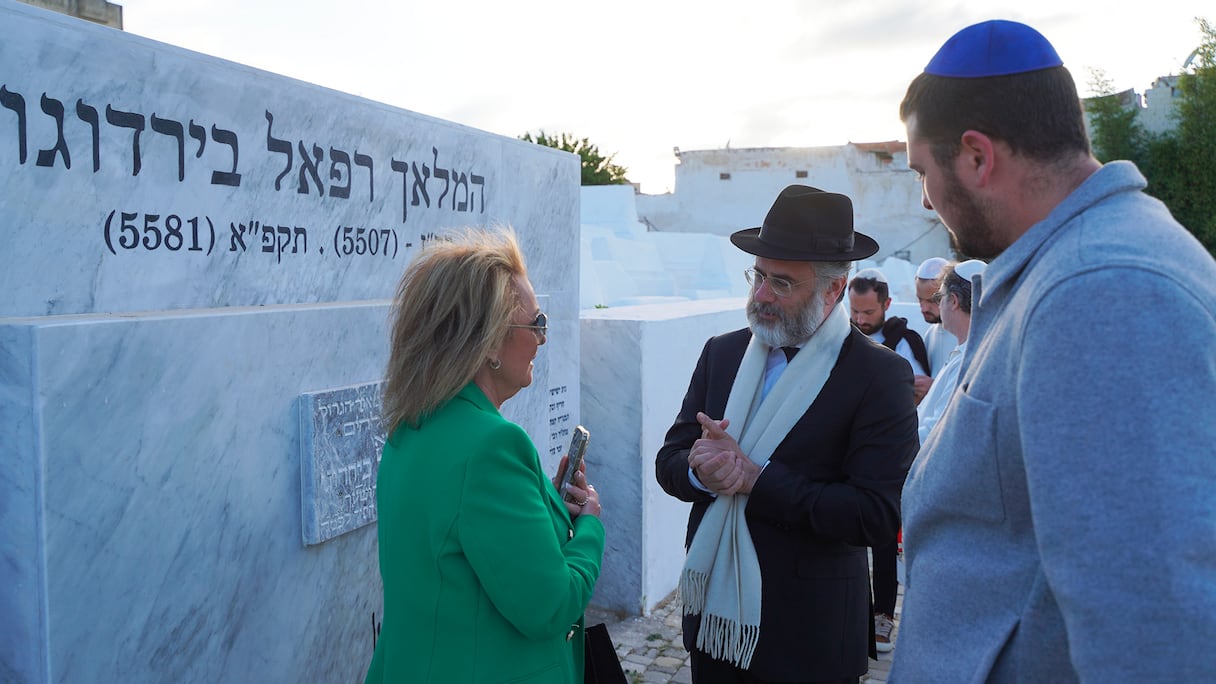


Ariel Messas, rabino de la sinagoga Maguen David, conversa con dos invitados de la Hilloula. (K.Sabbar/Le360). Le360
He noted that Morocco’s 2011 Constitution recognized the Hebraic component of the country’s national identity. He also recalled the opening of the National Museum of Moroccan Jewish Culture in Fez on October 12, 2026, describing it as another milestone in this policy.
He then turned to the Jewish Museum of Casablanca, established in 1997. Noting that it had long been “the only museum dedicated to Jewish heritage in the Arab world,” Berdugo said renovation plans were being prepared. For him, this heritage does not belong to Jews alone: it forms part of Morocco’s national history and is a shared inheritance of all Moroccans.
Coexistence rooted in law and action
Asked how Jews and Muslims live together in Morocco, Berdugo replied that “the answer lies in history, culture and institutions.” He placed the Sovereign at the heart of this model, in his capacity as Commander of the Faithful, responsible for protecting the religious freedom of the three monotheistic faiths.
In his view, this model of coexistence “is not merely an ideal; it is sustained by leadership, law, respect and concrete action.” He said that “this message is more necessary than ever as antisemitism and Islamophobia rise around the world.”
Read also : Morocco plans second restoration campaign after rehabilitating nearly 180 Jewish cemeteries and shrines
Berdugo also recalled that most Moroccan Jews left the country in the late 1950s without severing their ties to the Kingdom. According to him, “the diaspora continues to carry Moroccan culture, traditions and values around the world.”
He invoked the late King Hassan II, who used to say that when a Jew leaves Morocco, the country loses a resident but gains an ambassador abroad. Berdugo also stressed that Morocco remains committed to a just and lasting peace in the Middle East, based on two states living side by side in peace, security and dignity.
Jason Isaacson, the AJC’s public policy director, said the delegation had been in Morocco for only three days. He recounted how, during meetings in Rabat, his interlocutors almost invariably began by affirming that Morocco was a safe and welcoming country. He described Berdugo as one of his closest friends and a longstanding partner.
AJC member Candy Gould, for her part, praised what she considered a rare philosophy of tolerance. She said everyone in the organization had come to admire the Moroccan model. With the global situation deteriorating, she argued, more countries should draw inspiration from it.
Berdugo concluded by calling for the preservation of this shared heritage and for hatred to be confronted in all its forms. He thanked the guests for their friendship and for coming to Morocco.
